REVIEW · BUDAPEST
Budapest 3-Hour Private Walking Tour with Route Options
Book on GetYourGuide →Operated by Cityrama Budapest Travel Agency · Bookable on GetYourGuide
Budapest can feel big. This private walking tour makes it manageable by letting you pick what you care about most. You get a custom 3-hour route with a professional guide, so the time goes where your interests land, not where a standard script pushes you.
I especially love the flexibility: choose one of four routes, then adjust it with your guide on the move. The second win is the variety of sights in a compact loop, from Hungarian landmarks like Parliament and St. Stephen’s Basilica to the Castle District views or the Jewish Quarter’s memorial sites.
One watch-out: the experience depends heavily on how your guide paces and structures the walk. If you prefer slow, question-heavy sightseeing, start by saying that upfront so you do not get pulled into a fast-fire sprint.
In This Review
- Key things to know before you choose a route
- Choosing your 3-hour route: Pest, Buda, Jewish Quarter, or shopping
- Getting picked up, then walking efficiently like you mean it
- Pest Downtown: Parliament, St. Stephen’s Basilica, Liberty Square, and Central Market Hall
- Parliament and the political heartbeat
- St. Stephen’s Basilica: a major church and a landmark view
- Liberty Square: civic space with real atmosphere
- Central Market Hall: the biggest covered market hall in Europe
- Castle District: Royal Palace now libraries, Alexander Palace, Castle Theater, Fishermen’s Bastion, and Matthias Church
- The former Royal Palace: now National Library and National Gallery
- Alexander Palace: now the President’s office
- Castle Theater: a cultural beat on the hill
- Fishermen’s Bastion: postcard views that actually earn their reputation
- Matthias Church: the church that ties the whole route together
- Jewish Quarter: Europe’s largest synagogue, Jewish Museum, Jewish Cemetery, and Raoul Wallenberg
- A major anchor: Europe’s largest synagogue
- Jewish Museum: history you can see in context
- Jewish Cemetery: a solemn pause
- Raoul Wallenberg Holocaust Memorial Park: remembrance that lands
- City Shopping Tour: Central Market Hall, Váci Street, Fashion Street, and shopping malls
- Central Market Hall for market finds
- Váci Street and Fashion Street: two shopping lanes with different textures
- Shopping malls as a weather-safe option
- The guide matters: from Vera and Silvia to pacing that keeps you on track
- Price and value: is $150 per person fair for 3 hours?
- Who should book this Budapest walking tour?
- Should you book this tour?
- FAQ
- What routes can I choose on this Budapest 3-hour private walking tour?
- What sights are included in the Pest Downtown route?
- What stops are on the Castle District route?
- What will I see on the Jewish Quarter route?
- What does the City Shopping Tour focus on?
- Does the tour include hotel pickup?
- Are entrance fees included?
- Is public transport included?
- How long is the tour and what languages are available?
Key things to know before you choose a route
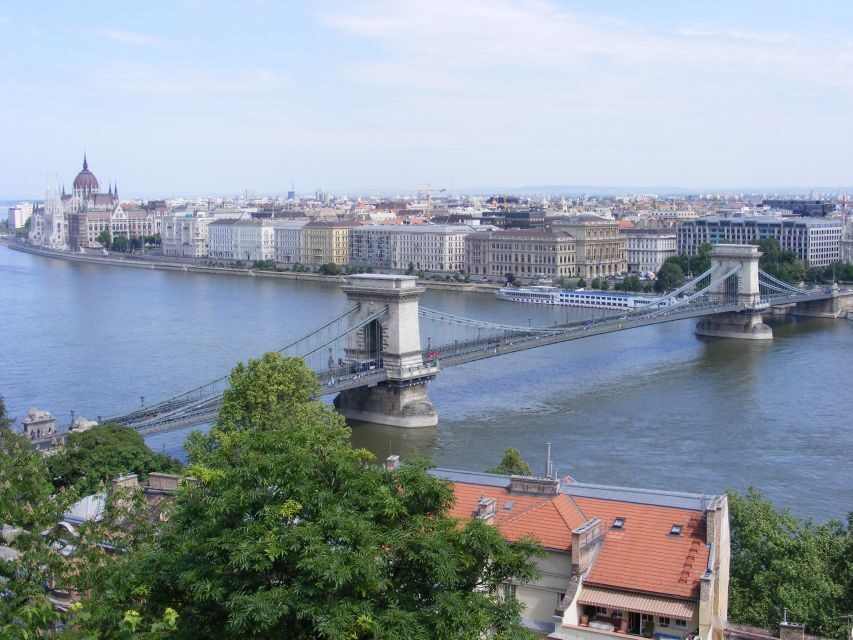
- Four routes to match your mood: Pest Downtown, Castle District, Jewish Quarter, or City Shopping
- A guide tailors the plan in real time, including route tweaks and (when useful) public transport suggestions
- Hotel pickup is included, so you spend less time figuring out logistics at the start
- You’ll walk key clusters of sights, which is ideal for a 3-hour window
- Entrance fees and public transport cost extra, so plan for tickets on the stops that matter most to you
- Your guide can make or break pacing, so be clear about your ideal speed and focus
Choosing your 3-hour route: Pest, Buda, Jewish Quarter, or shopping
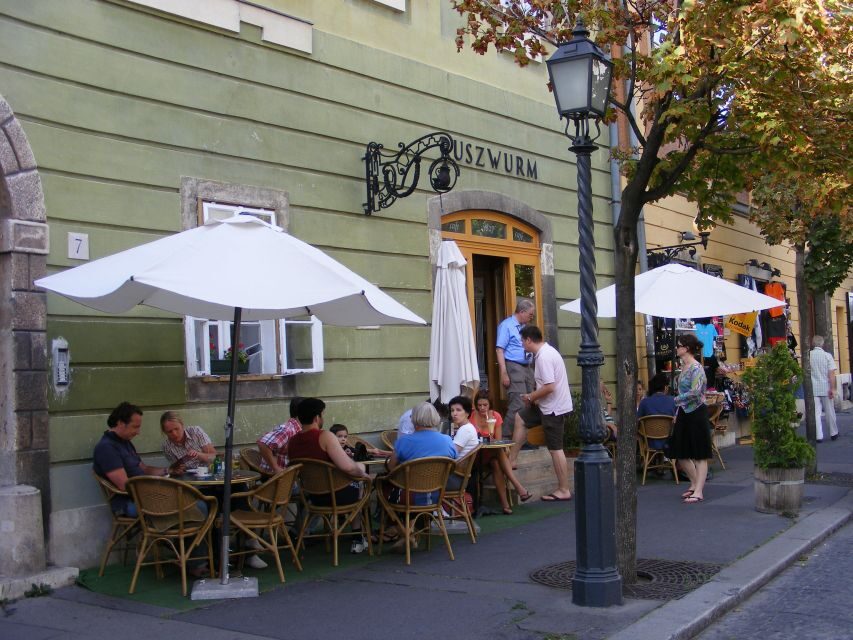
The best thing about this tour is the menu of options. You do not have to force yourself to “see everything.” Instead, you pick a route that fits your priorities, then your guide shapes the flow inside that theme.
Here’s how the four choices tend to feel:
- Pest Downtown is your classic “big Budapest” sweep. It mixes politics, major churches, squares, and the city’s main food-and-goods meeting point at Central Market Hall.
- Castle District is for viewpoints and royal-era architecture, with the Fishermen’s Bastion and Matthias Church type of scenery.
- Jewish Quarter is a slower, more reflective route, focused on major institutions and memorial spaces, including a Holocaust remembrance site.
- City Shopping Tour is for people who want to walk streets where you can browse immediately, then pair that with market-and-mall time.
You can also adjust during the walk. That matters because Budapest has a lot of “worth stopping for” moments, and a flexible guide can help you decide what earns your attention today.
You can also read our reviews of more walking tours in Budapest



Getting picked up, then walking efficiently like you mean it
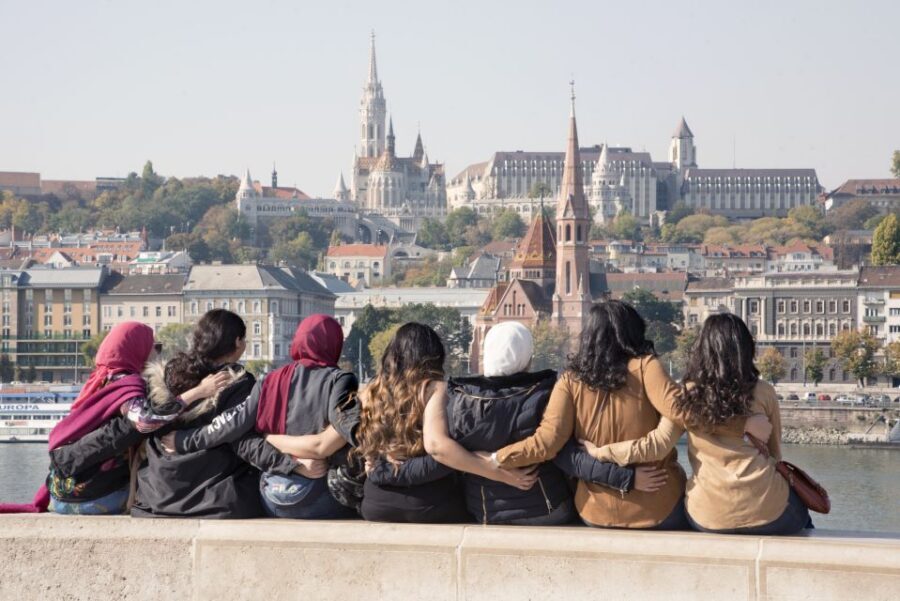
This is a private group tour, so you are not stuck with the slowest walker or the loudest person on a standard group schedule. Hotel pickup is included from hotels, apartments, airbnbs, and private addresses within Budapest, which is a real time-saver.
In practice, this usually means you start with less waiting around and fewer taxi debates. It also helps if you are staying slightly off the central grid, because you do not need to navigate your own way to a meeting point before the fun begins.
One other practical point: public transport may be recommended in certain instances. That is a good thing to know if you want to keep the walk moving without turning 3 hours into an all-day hike. Just remember that public transport fees are not included, so have a little cash or card readiness if your guide suggests it.
Pest Downtown: Parliament, St. Stephen’s Basilica, Liberty Square, and Central Market Hall
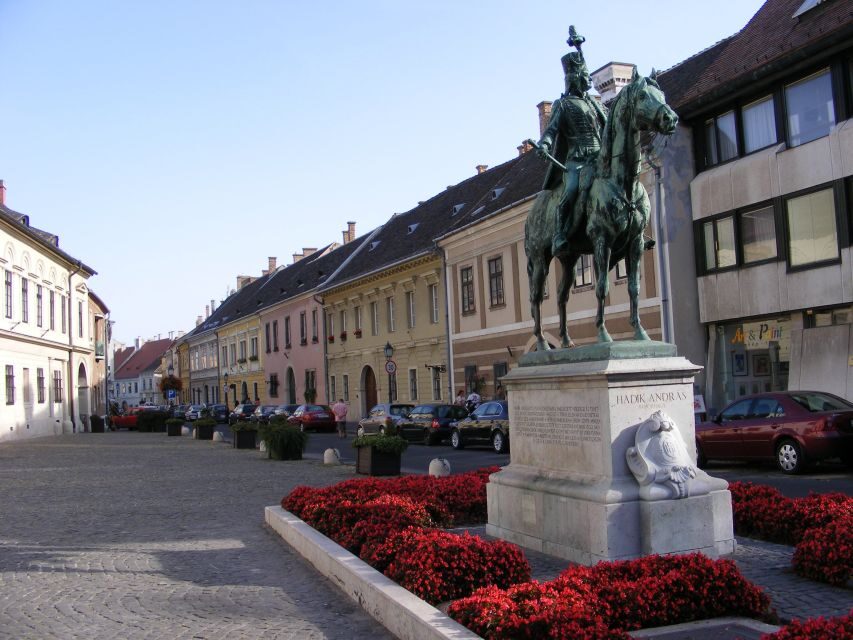
If you want the most recognizable Budapest images, Pest Downtown is the route. It threads together landmarks that many first-time visitors come to see, but it does not do it in a random way. The stops connect through the city’s center, so your walking makes sense.
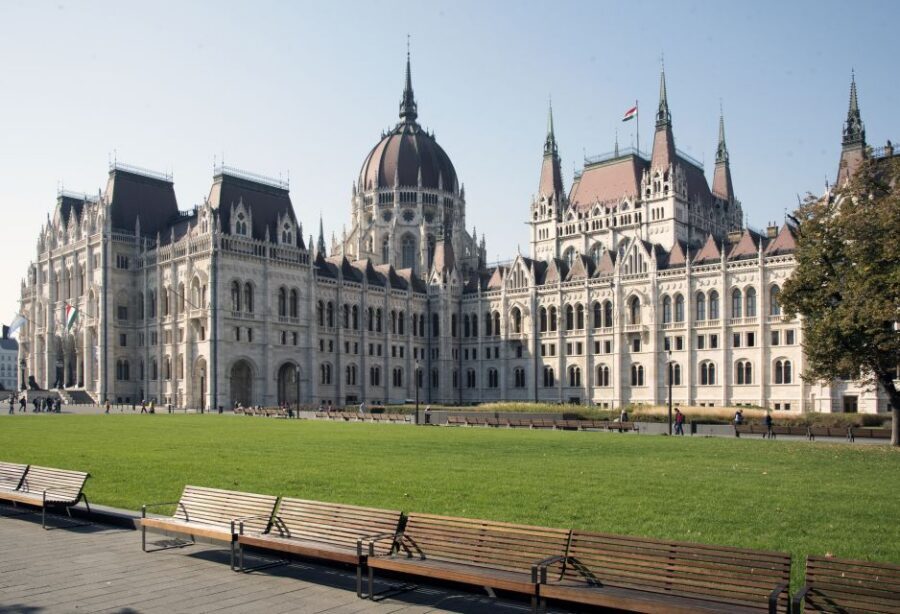
Parliament and the political heartbeat
You start with the Parliament area, which gives you a sense of Budapest’s modern identity. It is not just a photo stop. A good guide helps you understand why this area matters in the city’s story, especially when you connect it to nearby civic spaces.
If you care about architecture, this is your chance to notice patterns and design choices rather than just looking at one building from one angle.
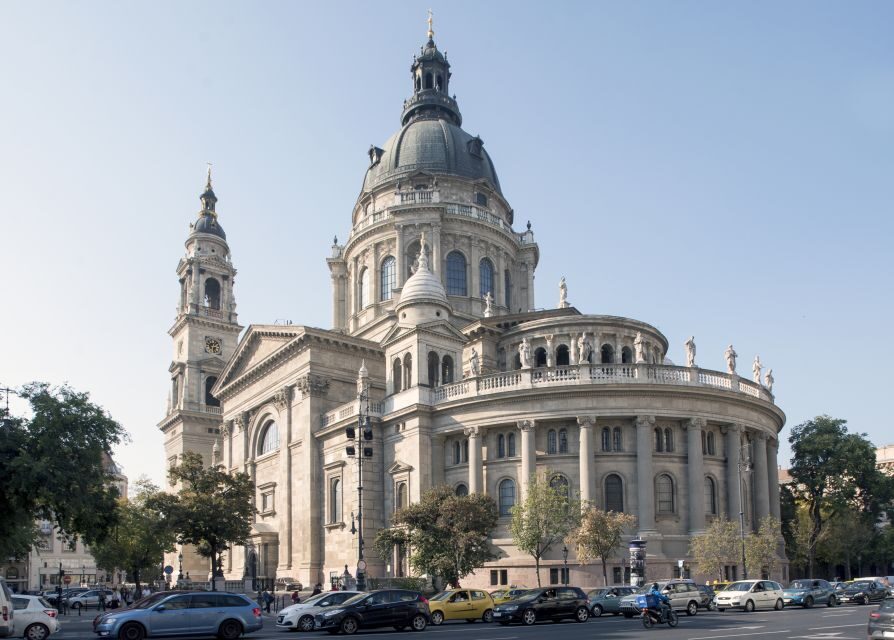
St. Stephen’s Basilica: a major church and a landmark view
Next comes St. Stephen’s Basilica. The tour frames it as the second-largest cathedral in Hungary, which helps you place it in context. Even if you only have time for quick observations from the outside, your guide can point out what to notice so you do not walk past it with blank eyes.
Worth considering: entrance details are not included, so if you want to go in, you will need to plan for the fee separately.
You can also read our reviews of more private tours in Budapest






Liberty Square: civic space with real atmosphere
Liberty Square adds a broader city-feel. This kind of stop is useful because it slows you down just enough to register the scale of Budapest’s urban planning. It also gives you a breather between bigger monument moments.
Central Market Hall: the biggest covered market hall in Europe
Then you hit Central Market Hall, the largest covered market hall in Europe. This stop is ideal if you like to browse and snack at your own pace. It also works well for families, because it gives you “choose-your-own” options once you arrive.
Here’s a smart way to use your time: ask your guide what to look for first, then decide what you want to taste or buy while the crowd energy is still manageable. Entrance fees are not included, but the viewing and wandering time can still be worth it even if you skip ticketed areas.
Castle District: Royal Palace now libraries, Alexander Palace, Castle Theater, Fishermen’s Bastion, and Matthias Church
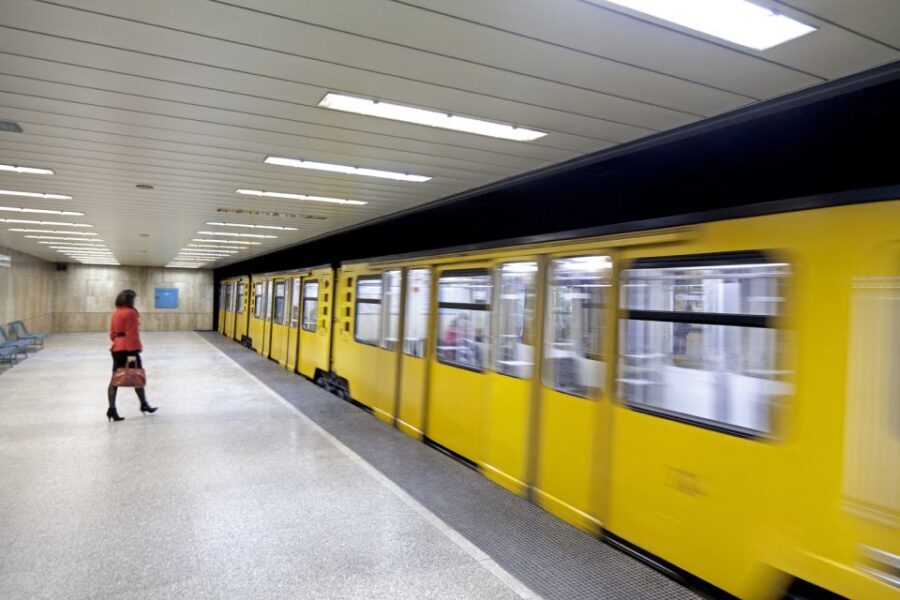
Castle District is the route for sweeping views and old-Buda character. Budapest’s hills can feel dramatic, and this itinerary leans into that. You get a stack of major stops that rise in importance as the walk climbs.
The former Royal Palace: now National Library and National Gallery
You will visit the former Royal Palace area, now used as the National Library and the National Gallery. Even without going inside, the setting gives you a clear sense of how the hill became the city’s power center.
For me, this stop is valuable because it turns the Castle District from scenery into context. Your guide can connect what you see with who used to rule here, which makes the architecture feel less like a backdrop.
Alexander Palace: now the President’s office
Alexander Palace is another key anchor. In this tour, it is pointed out as now the office of the President of the Republic. That detail matters because it shows the continuity of the site as a place of leadership, even as the era changes.
Castle Theater: a cultural beat on the hill
Castle Theater adds a different flavor. It is a reminder that the Castle District is not only about palaces and churches. It is also about performances and public culture.
If you like to understand cities through everyday institutions, this is a nice bridge between grand buildings and real life.
Fishermen’s Bastion: postcard views that actually earn their reputation
Then you reach Fishermen’s Bastion, which gives you that classic Budapest panorama. It is one of those places where a guide helps you get the most out of the view by pointing out what you are looking at, instead of just telling you to look.
Plan for time here because you will want photos, and the wind can make you feel faster than you want to. If your group is small, your guide can help you pick a spot for better angles.
Matthias Church: the church that ties the whole route together
Matthias Church is the final big visual payoff. The tour frames it as part of the Castle District’s core cluster, which makes sense. By the time you arrive, you’ve already seen the hill’s layout and important buildings, so the church feels like the natural conclusion.
Again, entrance fees are not included. If you want to go inside, you will need to budget extra.
Jewish Quarter: Europe’s largest synagogue, Jewish Museum, Jewish Cemetery, and Raoul Wallenberg
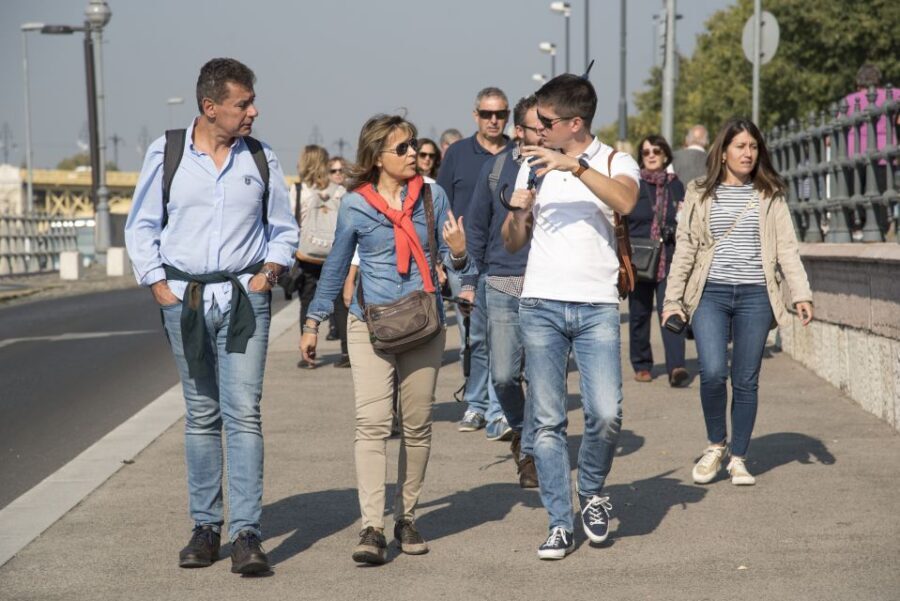
This route is for people who want more than architecture photos. It connects major community sites and remembrance spaces in a way that fits a 3-hour walk, especially when your guide can explain how the institutions relate to each other.
A major anchor: Europe’s largest synagogue
You’ll see Europe’s largest synagogue, which sets the tone right away. Your guide can help you understand why this site matters, not just as a landmark, but as a part of community history.
This is also a place where respectful behavior matters. If you are the type who appreciates cultural context, this route is likely a good fit.
Jewish Museum: history you can see in context
Next is the Jewish Museum. Even if you only have time for exterior context, the museum stop helps you frame the surrounding sites as part of a longer story.
If you want deeper reading, ask your guide what to prioritize before you arrive, because you may not have enough time to cover everything at full depth during a walking tour.
Jewish Cemetery: a solemn pause
The Jewish Cemetery adds a quiet, serious tone. Stops like this are powerful because they slow the day down. Your guide can point you toward the meaning of the site and how to read what you are seeing.
Raoul Wallenberg Holocaust Memorial Park: remembrance that lands
The Raoul Wallenberg Holocaust Memorial Park is one of the most emotionally significant parts of this route. This is not a quick photo corner. It’s a remembrance space, and a guide who can treat it carefully makes a big difference.
If you prefer tours that keep a respectful pacing, this itinerary is likely to feel like it has purpose.
City Shopping Tour: Central Market Hall, Váci Street, Fashion Street, and shopping malls
If your idea of sightseeing includes browsing, this route fits you. It focuses on places where you can actually spend time walking, comparing, and finding small things you might not plan to buy ahead of time.
Central Market Hall for market finds
You start again with Central Market Hall, but with a different goal. Instead of treating it as a monument, you treat it as a shopping stop. The structure of the tour helps, because you get pointed to areas to check before you wander.
Váci Street and Fashion Street: two shopping lanes with different textures
Váci Street is one of the most famous shopping streets in the center, and the tour pairs it with Fashion Street. That pairing is smart because it gives you a change of pace: a big-name promenade feel first, then another lane for different browsing.
This also helps you manage time. Rather than searching blindly, you follow a walking plan your guide can keep efficient.
Shopping malls as a weather-safe option
The tour also includes time at city shopping malls. That is a practical add-on because Budapest weather can turn quickly, and malls let you keep shopping without burning your whole 3 hours in the elements.
If you want to shop with less stress, aim to set one or two priorities before the walk begins, like gifts, local snacks, or a specific category of clothing. Then you can shop with confidence instead of fatigue.
The guide matters: from Vera and Silvia to pacing that keeps you on track
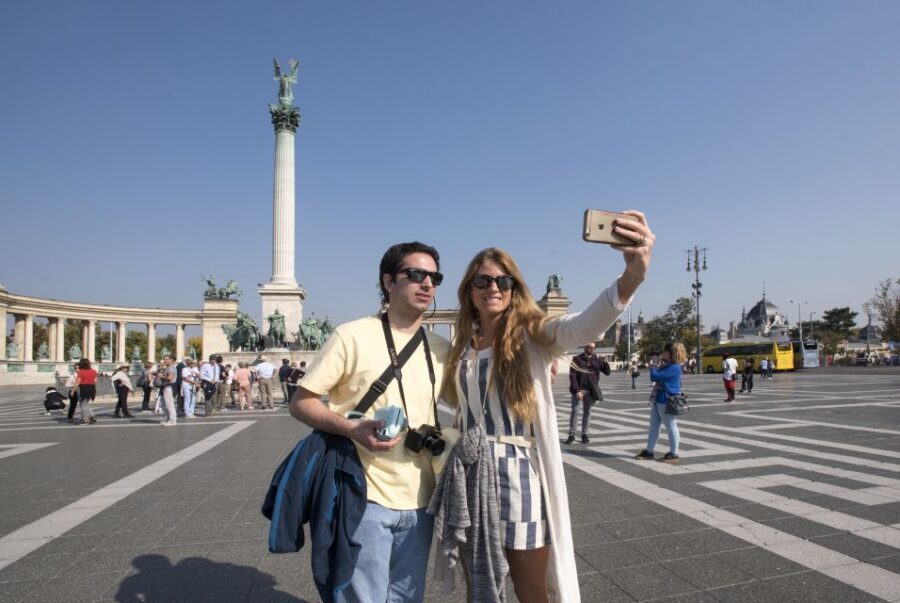
A private tour lives and dies by the guide’s style. The best part is that this tour brings you a professional guide who can work in multiple languages: Spanish, English, French, German, and Italian.
In the standout cases, guides like Vera bring both historical knowledge and humor, and that combo keeps long stretches from feeling heavy. Other excellent guides, such as Silvia, are described as truly exceptional and good at balancing attention and friendliness. There are also guides like Eszter who deliver an interesting look at Budapest’s history, especially in German-speaking service.
Here’s how to make sure you get the good version of the experience every time:
- Say your preferred tempo at the start: slow and detailed, or quick hits with photos.
- Tell your guide what you want most: history, architecture, Jewish Quarter context, or shopping.
- Ask one focused question early, then follow up. If you do not get the depth you want, keep asking until you do.
Because this is private, the guide can tailor. But you still need to set the direction.
Price and value: is $150 per person fair for 3 hours?
At $150 per person for a 3-hour private walking tour, the value depends on what you bring to the day.
You get:
- A guided tour (the core value here)
- Hotel pickup included, which saves time and avoids street-level logistics
- A customized itinerary from four strong route options
- Private group flexibility, meaning the walk can match your interests
What you do not get:
- Entrance fees
- Public transport fees
- Hotel pickup add-ons, since pickup is already included
So when is it worth it? If you want a focused experience without self-planning, and you care about having someone explain what you are seeing, this price makes sense. It is also a good fit if you are traveling with language needs and want a guide who can work in your preferred language.
When it might not be ideal: if you already know exactly which sights you want and you are fine wandering on your own, you may find cheaper options. But if your goal is to save time and get better context per hour, this tour is built for that.
Who should book this Budapest walking tour?
Book it if you:
- Want a 3-hour plan that feels personal, not generic
- Prefer walking clusters of sights over taking multiple buses or taxis
- Like learning history through real places, whether that’s Parliament, Castle District, or memorial spaces
- Want either the sightseeing route (Pest, Castle, Jewish Quarter) or the practical shopping route
Skip it if:
- You dislike walking at all (this is still a walking tour)
- You expect a completely fixed script with no tailoring, because the point here is flexibility
- You want every single entrance included in the price, because entrance fees are not included
Should you book this tour?
Yes, if you choose the route that matches your main interest and you communicate your pace at the start. This is the kind of experience that improves dramatically when the guide knows what you want: big landmarks and markets, Castle District viewpoints, Jewish Quarter remembrance sites, or a structured shopping walk.
If you are picky about structure, do not wait until mid-tour to request it. Ask for the plan right away and tell your guide what success looks like for you in 3 hours. That small step helps you get the full value of a private guide, including the best moments people rave about, like history explained with a friendly tone and a sense of timing.
FAQ
What routes can I choose on this Budapest 3-hour private walking tour?
You can pick one of four options: Pest Downtown, Castle District, Jewish Quarter, or a City Shopping Tour.
What sights are included in the Pest Downtown route?
It includes Parliament, St. Stephen’s Basilica, Liberty Square, and Central Market Hall.
What stops are on the Castle District route?
You’ll visit the former Royal Palace (now the National Library and National Gallery), Alexander Palace (now the office of the President of the Republic), Castle Theater, Fishermen’s Bastion, and Matthias Church.
What will I see on the Jewish Quarter route?
You’ll see Europe’s largest synagogue, the Jewish Museum, Jewish Cemetery, Raoul Wallenberg Holocaust Memorial Park, and more.
What does the City Shopping Tour focus on?
It focuses on shopping at Central Market Hall, along Váci Street and Fashion Street, and at the city’s shopping malls.
Does the tour include hotel pickup?
Yes. Hotel pickup is provided from any accommodation in Budapest, including hotels, apartments, airbnbs, and private addresses.
Are entrance fees included?
No. Entrance fees are not included.
Is public transport included?
Public transport fees are not included, though your guide may recommend public transport in certain instances.
How long is the tour and what languages are available?
The tour lasts 3 hours. The guide can conduct the tour in Spanish, English, French, German, or Italian.