REVIEW · BUDAPEST
4 hours long private minivan tour in Budapest
Book on Viator →Operated by Behind Budapest Tours · Bookable on Viator
Budapest looks best from a car window, with context in your ear. This 4-hour private minivan tour strings together the city’s big-name views on both sides of the Danube, while your guide explains how the stories fit together. I like that it feels unhurried for a short tour and still hits the main photo stops, from the Hungarian Parliament Building to the Opera House area.
Two things I especially enjoyed: the private guide format (you can ask questions and steer the pace a bit), and the way the route balances viewpoints with classic landmarks. You get a lot of variety without the stress of navigating buses and trams on your own.
One catch: several stops involve sights where admission is not included, and your time at each location is about 10–20 minutes. That means this is great for orientation and highlights, but it is not a tour where you should plan to take long inside visits at multiple ticketed sites.
In This Review
- Key highlights you’ll feel right away
- Price and value: is $627.20 per group worth it?
- The ride setup: pickup, minivan, and how you’ll experience the day
- Stop by stop: what each place is really for (and what to watch for)
- Citadella: skyline views without the fuss
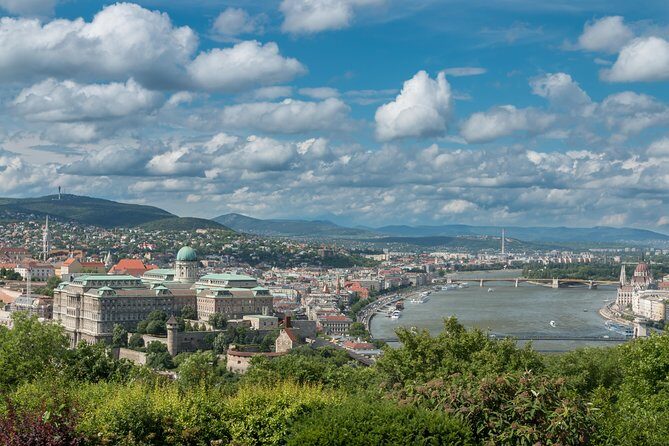
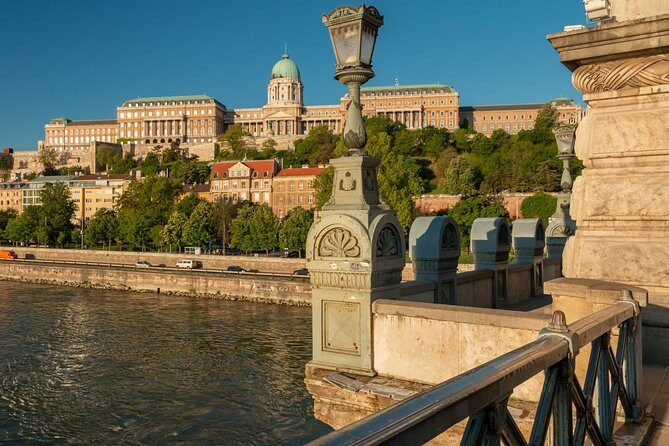
- Gellert Hill: the viewpoint that teaches the city
- Matthias Church: beautiful exterior first, ticket planning second
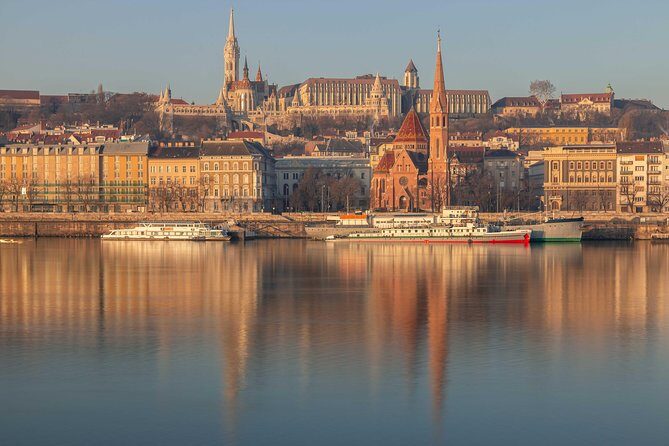
- Fisherman’s Bastion: the classic viewpoint with real atmosphere
- Hungarian Parliament Building: the grand center-piece
- Szabadsag ter: a quick lesson in city politics
- Heroes’ Square: where Budapest shows its big statements
- Vajdahunyad Castle: a ticketed stop you may choose to extend
- Széchenyi Baths and Pool: a brief taste of Budapest leisure
- Hungarian State Opera House: lobby access when work is happening
- What makes the tour feel personal (it’s more than just the stops)
- How to plan around the ticketed stops
- Best day for this tour: when timing matters
- Who should book this private minivan tour?
- Should you book? My take
- FAQ
- FAQ
- What is included in the 4-hour Budapest private tour?
- What is not included?
- How long is the tour?
- How big is the group?
- Do you offer pickup in Budapest?
- Which sites have admission fees not included?
Key highlights you’ll feel right away
- Private, up-to-6 group with a guide and air-conditioned minivan
- Buda + Pest in 4 hours, including skyline lookouts and central monuments
- Guided stops with quick orientation at the Citadella, Parliament, Heroes’ Square, and more
- Mix of free and ticketed sights, so you’ll know what costs extra
- Opera House lobby access during restoration work (lobby open for visitors)
- Pickup options from central Budapest, plus alternatives at Erzsebet Square or Keleti Station
Price and value: is $627.20 per group worth it?
$627.20 is the price per group up to 6 people, so your true cost per person depends on how you book. If it’s just two of you, you’ll feel the premium. If you have a small family or a few friends sharing, it becomes a smart way to buy time and reduce hassle.
Here’s why I think the value can be strong: in four hours, you’re covering a lot of ground across Buda and Pest, with transportation handled and a professional guide doing the heavy lifting of explanations. You’re also not paying separate guide fees per attraction—your guide is bundling the context across multiple stops, from historic hilltop viewpoints to major public squares.
Still, keep your expectations realistic. This is a highlights-and-orientation style tour. If you’re the type who wants long museum time, a slower pace, or heavy inside coverage at several churches and sites with extra tickets, you may prefer a longer private tour or to pair this with a second activity on a different day.
You can also read our reviews of more private tours in Budapest



The ride setup: pickup, minivan, and how you’ll experience the day
This is built around comfort and logistics. You get transport by an air-conditioned minivan, and pickup is offered from centrally located accommodation in Budapest. If that’s not convenient, you can meet at Erzsebet square in front of the Akvarium Club, or at Keleti railway station.
The practical upside is simple: you’re not timing public transit, and you’re not walking between far-flung points with a map in your hand. You also get a mobile ticket, which is handy when you’re juggling a packed itinerary.
Group size is capped at up to 6, which usually means you’ll still get personal attention. And because it’s private, it’s only your group in the vehicle—no waiting around for other parties.
Stop by stop: what each place is really for (and what to watch for)
This route is designed like a greatest-hits album. Each stop is short, usually around 10–20 minutes, so your job is to show up ready to look, listen, and decide later if you want a deeper visit.
Citadella: skyline views without the fuss
Citadella is a quick stop with the payoff of a dramatic view. It’s one of those places where you instantly understand the geography—how hills rise above the Danube and how the city’s layout makes sense. Since the admission ticket is listed as free, you’re mostly paying with time, not money.
What to do with your time: focus on the view and let your guide connect it to the city’s later history and how the Buda side developed. If you’re taking photos, this is where you’ll get the most immediate “Budapest postcard” effect.
Gellert Hill: the viewpoint that teaches the city
Right after Citadella, Gellert Hill continues the same idea: altitude, perspective, and context. It’s also listed as free for the stop window. This is the kind of location where your guide’s explanation matters as much as the view, because it turns a scenic overlook into a mental map.
Consideration: wear shoes you can trust on uneven ground, especially if the weather is damp.






Matthias Church: beautiful exterior first, ticket planning second
Matthias Church is next, and this is one of the stops where admission is listed as not included. That doesn’t mean you can’t enjoy it—it means your guide can only get you so far without extra tickets.
How to think about it: treat Matthias Church as a quick chance to appreciate the building and square layout, then decide on the spot (or later) whether you want to pay for a longer visit. If you’re hoping for a full inside experience during these four hours, plan to adjust your expectations.
Fisherman’s Bastion: the classic viewpoint with real atmosphere
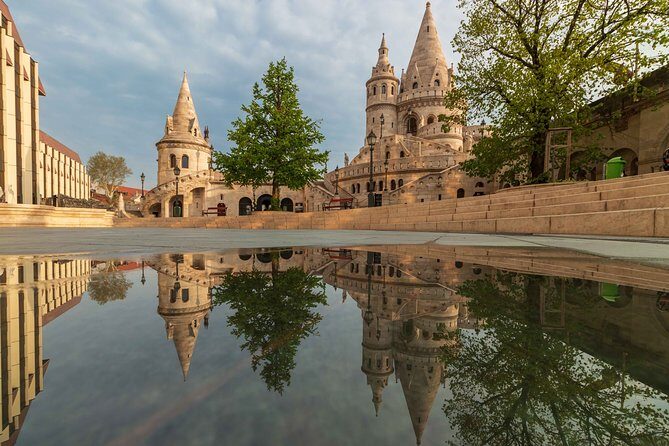
Fisherman’s Bastion is listed with free admission for the stop and a short time window. Even if you’ve seen photos, being here in person helps. The structure frames the river and city hills in a way that makes Budapest feel like it’s been designed for viewpoints.
Tip: use this stop for big photos and quick orientation, because your itinerary moves on fast.
Hungarian Parliament Building: the grand center-piece
This is one of the major landmarks on the route, with admission listed as free for the stop. The building’s scale is hard to appreciate on camera. From the outside, you’ll get the sense of why it became such a symbol for Hungary.
What you’ll likely get from your guide: stories about the building’s role in national identity and how Budapest’s political center shaped the city’s modern image. Even without deep inside time, this stop works well for understanding why the Parliament sits at the heart of major city viewing.
Szabadsag ter: a quick lesson in city politics
Szabadsag ter appears as a brief stop with free admission. This is the kind of stop that can feel like just another square if you don’t have context—but with a guide, it becomes part of the larger picture of what the city chose to emphasize.
I’d use the time to: ask a question that connects the square to what you already saw at the Parliament. Short tours feel long when you’re trying to map everything yourself.
Heroes’ Square: where Budapest shows its big statements
Heroes’ Square gets a longer stop window (about 20 minutes) with free admission listed. This is one of those places you’ll remember even if you only walked through it briefly, because the monuments and layout are so visually deliberate.
How to make this stop count: let your guide explain the symbolism behind the figures and the overall design language. It makes the square less like a photo backdrop and more like a civic message.
Vajdahunyad Castle: a ticketed stop you may choose to extend
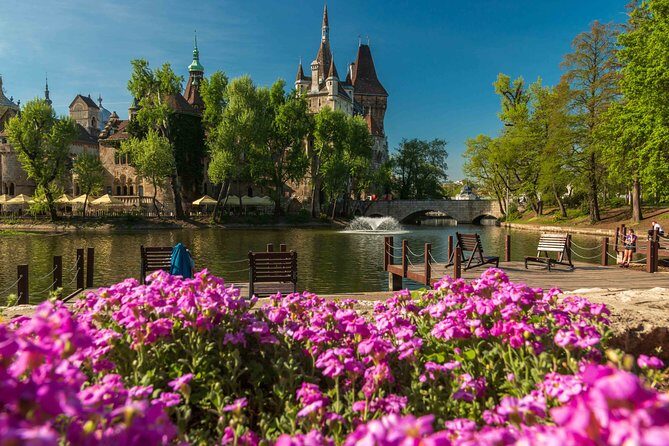
Vajdahunyad Castle is on the itinerary with admission listed as not included. In a short tour, that usually means you’ll see it from the outside and get the quick story. If you want to go in, you’d need tickets separately, and the four-hour structure may not leave enough time for a full inside visit.
My practical advice: enjoy the castle look, but if you’re castle-curious, plan a separate visit later. This tour is more about showing you where the castle fits in the city’s visual identity.
Széchenyi Baths and Pool: a brief taste of Budapest leisure
Széchenyi Baths and Pool is listed as a short stop (about 10 minutes) with free admission. This is not a soak-and-swim stop. Think of it as a chance to see the place in your head and decide if baths are on your schedule later.
What I’d do if you want baths later: treat this as the moment you confirm you want the classic Budapest thermal experience, then plan it for a different time block when you can actually stay longer.
Hungarian State Opera House: lobby access when work is happening
The Hungarian State Opera House stop is listed as free for the lobby, with a note that during restoration the lobby is still open for visitors. This matters because it tells you what you can realistically see within the time window.
How to use this stop: focus on the lobby and the feel of the building. If you’re hoping for a specific interior experience, you’ll want to double-check separately before relying on a short-tour view.
What makes the tour feel personal (it’s more than just the stops)
The big differentiator here is that it’s private. You’re not stuck with a rigid script that fits a group. In practice, that can mean your guide can adjust where you pay attention—how much time you give to viewpoints versus squares, or where you want to linger for photos.
One detail I like from the guides’ track record is how they work at your pace while still keeping the itinerary on track. Names that show up in past experiences include Rajmund and Veronika, who both received praise for being interactive and making the explanations feel tailored, not like a radio track. Another guide, Borcsa (Barbara), is specifically noted for knowing how to help groups with timing at popular sites—useful if you end up wanting to add time at a ticketed place.
Just remember: even with a private tour, the itinerary is still time-limited. So personalization here is best viewed as flexibility in emphasis, not a guarantee that every inside attraction will be deeply covered.
How to plan around the ticketed stops
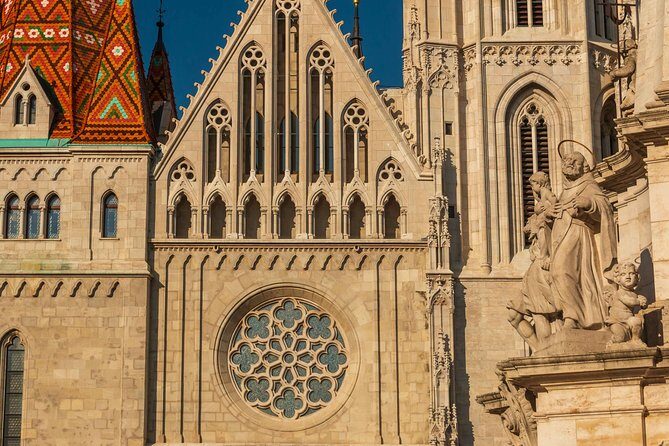
Your itinerary includes multiple sites where admission is not included: Matthias Church and Vajdahunyad Castle are both listed that way. That means you should decide in advance how you want to use your time.
My approach would be:
- Keep your four-hour day as a highlights day.
- If you’re strongly into interiors (churches, castles), plan those on a separate day.
- If you’re only moderately interested in inside access, stick with what fits in the stop time and save money.
Also keep in mind that you’re moving between Buda hill viewpoints and Pest’s central landmarks. The terrain and walking can add up quickly, even if each stop is short.
Best day for this tour: when timing matters
This kind of route works well when you want fast orientation: first-time Budapest, a short layover day, or a first day where you need a mental map of Buda vs. Pest. Because you’re seeing the Parliament area, Heroes’ Square, and the Opera House zone, it also pairs nicely with an evening plan in central Budapest.
If you prefer to take your time inside major buildings, consider scheduling this earlier so you can come back later on a day when you’re less rushed.
Who should book this private minivan tour?
Book it if you want:
- A 4-hour structured introduction to Budapest’s biggest sights
- A private guide who can explain more than just facts—why places matter
- Efficient transportation across the city in a comfortable vehicle
- A route that balances viewpoints and major monuments
Skip it if you:
- Want long museum-style time at multiple ticketed attractions in one day
- Plan to treat every stop as an all-day deep dive
- Are traveling solo on a tight budget and the group price feels steep
Should you book? My take
I’d book this tour if you want Budapest to make sense fast. It’s especially good for first timers who don’t want the stress of planning transit and routing themselves. The private format plus the quick-fire sequence of viewpoints and landmarks gives you a strong overview, and that makes later independent exploring much easier.
If you do book it, come ready to choose. Enjoy the free exterior and lobby moments, then decide which of the ticketed sights you truly want to revisit. That is how you get value from a short day without feeling like you’re constantly rushing.
FAQ
FAQ
What is included in the 4-hour Budapest private tour?
The tour includes transport by an air-conditioned minivan and a professional guide.
What is not included?
Food and drinks are not included, and entrance fees for certain stops are not included.
How long is the tour?
The tour is about 4 hours.
How big is the group?
It’s a private tour/activity for only your group, with pricing up to 6 people per group.
Do you offer pickup in Budapest?
Yes. Complimentary pickup is offered from centrally located accommodation. If needed, you can meet at Erzsebet square in front of Akvarium Club, or at Keleti railway station.
Which sites have admission fees not included?
Matthias Church and Vajdahunyad Castle are listed with admission not included. Other stops on the route are listed as free for the stop time, and the Opera House lobby is open for visitors during restoration work.