REVIEW · BUDAPEST
Tiny Sculptures, Big Stories: Kolodko mini statue tour
Book on GetYourGuide →Operated by ET Alternative · Bookable on GetYourGuide
Tiny bronze statues can teach you more about a city than a big monument. This mini-statue tour uses Mihail Kolodko’s quirky bronze figures to guide you through Budapest’s neighborhoods, legends, and street-art mindset. I especially like the way the guide turns you into an active statue-hunter, and I like how the stories connect each little figure to the place around it. The main drawback is simple: you will walk and stand in streets while you hunt, so comfy shoes matter.
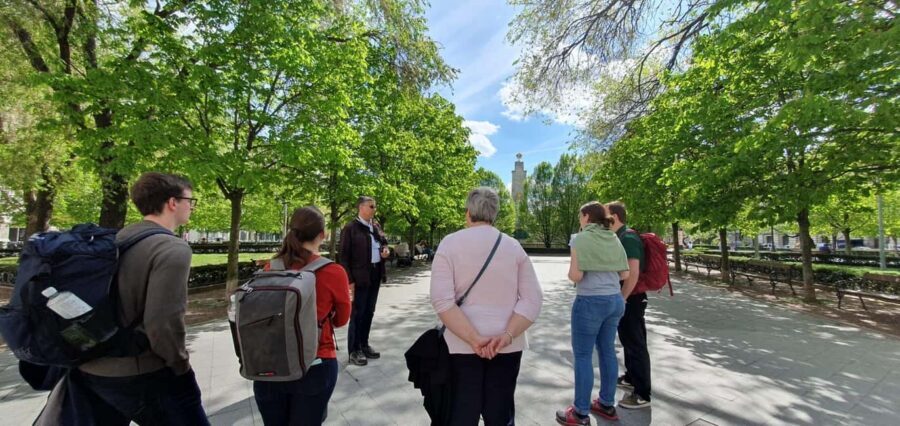
You start at New York Café Budapest on the Pest side and finish at Szent Gellért tér on the Buda side, with public transport used along the way. You get an English live guide (ET Alternative) and a small group capped at 10 people, which keeps the pace friendly and the conversations easy. If your ideal day is slow and strictly indoors, this is probably not your best match, but for curious people who like noticing small details, it’s great value.
What you’re really buying for about $35 is a smart mix of art + city sense + transport help. In around 2.5 hours, you’ll chase as many Kolodko statues as the route allows, while also hitting major landmarks like a synagogue and getting time near the Danube. And yes, the whole thing has that playful, treasure-hunt energy, with stories that make you look down when you’d normally look past.
In This Review
- Quick hits to know before you go
- Tiny bronze sculptures and big meaning around Budapest
- New York Café start and Szent Gellért tér finish: route sense that helps
- How the tour feels: a playful treasure hunt with real conversation
- Danube and a synagogue stop: the big sights that frame the tiny art
- Public transport tickets included: how to make scattered statues work for you
- Price and value: $35 for a mini-art tour that actually teaches
- Who should book this tour (and who should think twice)
- My booking checklist: choose the right day and bring the right mindset
- Should you book Tiny Sculptures, Big Stories: Kolodko mini statue tour?
- FAQ
- Where do we meet for the Kolodko mini statue tour?
- Where does the tour end?
- How long is the tour?
- What’s the group size like?
- Is the tour guided in English?
- What is included in the ticket price?
- What are the tour highlights?
- What should I wear or bring?
- How many statues will we see?
- Can I cancel or change my plans?
Quick hits to know before you go
- Kolodko’s bronze stories: Each tiny sculpture links to a legend or neighborhood detail, so you’re not just sightseeing.
- Small group, max 10: Easy questions, no loud group bottlenecks, and a more personal pace.
- Public transport included: Tram/metro/train tickets are part of the price, so scattered statues don’t feel like a chore.
- Start Pest, finish Buda: You get a natural cross-city arc ending at Szent Gellért tér.
- ET’s style: Funny, energetic, and tuned to your interests, with a practical focus on where to look and what to notice.
Tiny bronze sculptures and big meaning around Budapest
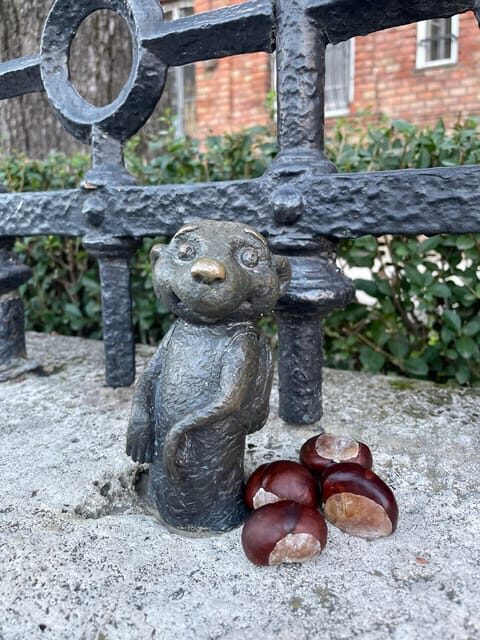
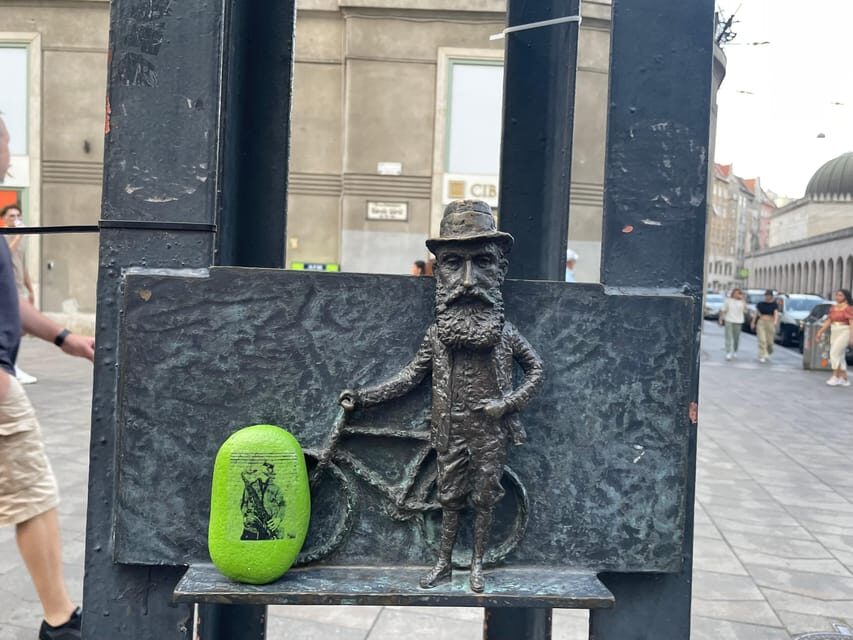
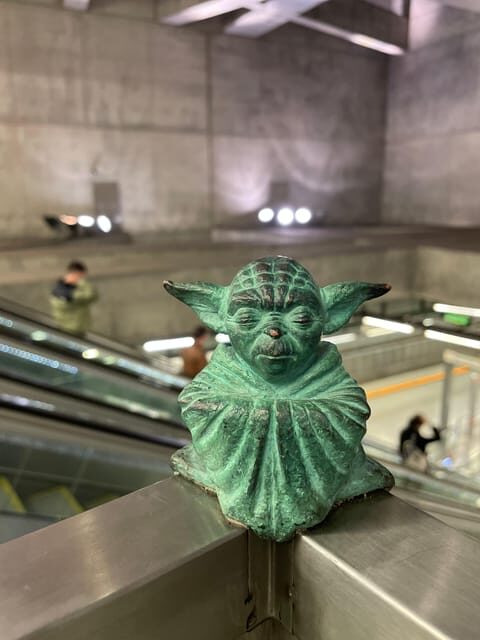
The heart of this experience is Mihail Kolodko, a famous Hungarian guerrilla street artist who makes small bronze statues placed around Budapest. They’re easy to miss on a normal walk, because many are tucked into street corners, parks, and side areas where you wouldn’t normally stop.
The tour’s genius is that it trains your eyes. Instead of treating the statues like a quick photo stop, the guide has you search for them as you go. That shifts the whole vibe: you slow down, you notice small gestures and symbols, and you start connecting what you see to the surrounding neighborhood.
Then come the stories. You’ll hear legend-like explanations and neighborhood reflections tied to each statue. Even when the figure is tiny, the talk makes it feel like a marker for something bigger: a local memory, a cultural wink, or a bit of social history you’d never catch from guidebook captions alone.
And it’s not only “art talk.” The guide also weaves in how Budapest works in everyday life. That matters because the statues aren’t floating in a museum vacuum. They’re part of street culture, and understanding the streets helps you appreciate why these bronze bits exist where they do.
You can also read our reviews of more tours and experiences in Budapest.



New York Café start and Szent Gellért tér finish: route sense that helps
The meeting point is right in the open at the entrance of New York Café Budapest. That’s useful because it gives you a clear, central anchor at the start. It also places you on the Pest side where the tour begins, which is good if you’re using central hotels or want an easy start before moving into side streets.
The tour finishes at Szent Gellért tér. Ending on the Buda side is a nice payoff because it naturally sets you up for continued wandering, sightseeing, or just grabbing transport back toward your base. It also helps avoid the “backtracking problem” that many mini-sight tours create when they return you to the exact starting corner.
Time-wise, the tour runs about 2.5 hours, and in practice it feels like a brisk but not frantic loop. The pace is designed to let you hunt statues without turning the whole thing into a sprint. Still, plan for mixed conditions: street crossings, stops to look up close, and stretches where you’ll be moving between points.
One more practical point: you’re using public transport, and that changes how you experience the city. Instead of forcing everything into long walks, the route keeps you from burning your energy on transit. It also gives you a local rhythm, because you’re riding trams and metro the same way residents do.
How the tour feels: a playful treasure hunt with real conversation
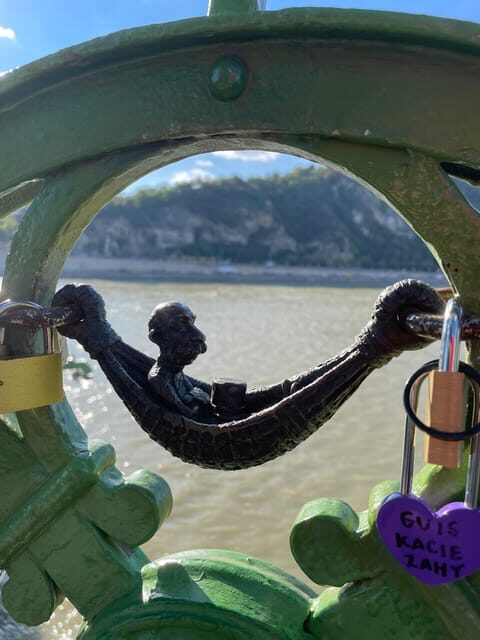
This is not a scripted lecture that you survive and forget. The guiding style is interactive. When you approach a mini-statue, the guide encourages you to look for it first, like you’re in on the secret. Only then do you get the explanation behind the sculpture.
That small sequence matters. It turns the statue from a passive sight into a puzzle you solve. And because the guide keeps stories short and focused, you don’t lose the thread when you’re outside in the cold or moving between stops.
I also love the way ET handles group dynamics. With a small group up to 10 (and sometimes even smaller), the tour feels flexible. People can ask questions about pop culture, local culture, and politics, and the guide can steer the route or the emphasis toward what matters to you.
That “friend who knows the city” feeling shows up in the details:
- The guide explains not only the statues but also the neighborhoods around them.
- You get a mix of humor and context, which keeps the walking tolerable.
- The route can adapt so you see new corners instead of repeating the same street angles.
You can also expect a hands-on attitude about logistics. Since the tour includes transport tickets, the guide focuses on keeping you moving smoothly, rather than making you manage multiple ticket machines or confusing transfers while you’re looking for a tiny bronze figure at the same time.
Danube and a synagogue stop: the big sights that frame the tiny art
The Kolodko statues are the main event, but the tour doesn’t stay stuck at mini level. You’ll also visit key highlights that give Budapest its larger stage.
Two named highlights are a synagogue and the Danube. That big-sight contrast is important. When you’re walking around looking at tiny bronze characters, your brain needs an occasional reset: a place with weight and scale. The synagogue stop gives you a historical and cultural anchor, while the Danube connection gives you that classic Budapest river perspective that makes the city feel instantly recognizable.
You don’t need to be a big architecture person to appreciate the contrast. Even if you’re mostly there for quirky street art, the bigger landmarks help you understand why these neighborhoods feel the way they do. They also help you orient yourself across Budapest, which is a win if you’re planning your remaining days.
Public transport tickets included: how to make scattered statues work for you
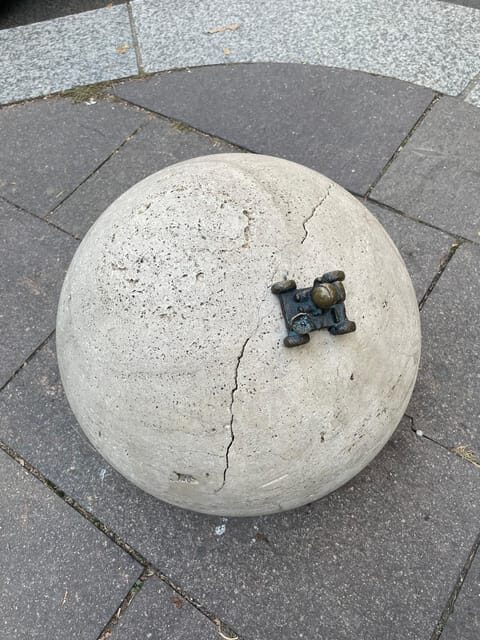
One of the smartest parts of the tour is that public transport tickets are included. Kolodko’s sculptures are spread out around the city, and if you tried to do this solo with only a list of locations, you’d end up wasting time hopping back and forth and second-guessing the best tram or metro route.
Here, the guide handles that part. You just show up and follow. ET has a track record of managing tram/metro/train segments smoothly, including crossing busy roads without making it stressful for the group. That’s a real quality-of-life benefit, especially if you’re not comfortable navigating Budapest transit yet.
What to do on your side:
- Wear shoes you can walk in for an extended stretch.
- Keep your phone charged, but also remember the tour is built for noticing what’s around you, not only photographing it.
- Expect a mix of walking and transit, so dress for weather and temperatures rather than just “tour time.”
On some days the guide may use additional movement modes to make the route work better, like adding bike segments where it fits. Even without that, you’ll still get plenty of city rhythm through the tram/metro system.



Price and value: $35 for a mini-art tour that actually teaches
At $35 per person for about 2.5 hours, this tour is priced like a midrange city experience. The key question is: what do you get for that money?
You get four concrete things:
- A live English guide (ET).
- A small group cap for a more conversational pace.
- Transport tickets included, so you’re not paying extra for each leg.
- Local stories connected directly to the sculptures and the neighborhoods.
That bundle adds up quickly. A standard guided walk might be cheaper, but you’d usually pay for transport yourself, and you might not get a guide who can explain the street-art and neighborhood context at the same time. Meanwhile, a museum tour might feel more “set,” but it won’t teach you how to notice the city outside the museum walls.
You also get strong “spot-perception” value. Many sculptures are so small or tucked away that you’d likely miss them on your own. When the guide points them out and explains the story, you leave with a new skill: the ability to scan streets for meaning, not just landmarks.
In terms of quantity, the number of statues you spot can vary. Some experiences include around 15 sculptures, and other routes can go higher (one solo pairing reportedly saw about 25). Either way, the goal is to see as many as possible within the time window, while still keeping the storytelling paced well.
Who should book this tour (and who should think twice)
This is a great fit if you:
- Like street art, quirky public art, or folklore-style stories.
- Enjoy walking through neighborhoods rather than only sticking to major monuments.
- Want a guided way to learn Budapest’s rhythm early in your trip.
- Appreciate an English guide who can answer questions and adapt the conversation.
It’s also a strong choice for first-timers who want to gain orientation fast. After you’ve been shown how to spot these small artworks, you naturally start noticing more on the rest of your trip. People often end up seeing Kolodko statues even after the tour because the “search mode” sticks.
Think twice if you:
- Have mobility limits that make street-level walking and standing uncomfortable. (The tour is built around outdoor searching and city crossings.)
- Prefer museum-style indoor pacing with fixed viewing times.
- Want a purely hands-off sightseeing day where you don’t need to pay attention.
A small note on the tour’s humor: the description lists negative energies as not included. You can treat that as a wink, not a promise. The real payoff is the positive energy of the guide’s storytelling and the playful hunt.
My booking checklist: choose the right day and bring the right mindset
To get the most out of Tiny Sculptures, Big Stories, I’d plan it like this:
- Pick a day when you’re not already exhausted. This is active sightseeing.
- Start with a sense of curiosity. The smallest details pay off.
- Bring warm layers if you’re visiting in cooler months. You’ll be outside long enough for the weather to matter.
- Expect photos, but don’t treat the statues as a drive-by. Look first. Then read the story.
Also, because it ends at Szent Gellért tér, you can plan your next step easily. If you like staying in motion, that ending point makes it simple to continue exploring Buda. If you prefer a quieter evening, you’ll likely be well-positioned to head back toward your hotel without a long detour.
If you’re booking close to your travel dates, the experience offers free cancellation up to 24 hours in advance and a reserve now, pay later option. That reduces risk if your schedule shifts.
Should you book Tiny Sculptures, Big Stories: Kolodko mini statue tour?
Book it if you want Budapest through its street-level imagination, not only through big-ticket sights. You’ll get a friendly English guide (ET), small-group energy, and transport help built into the price. The tiny bronze statues may sound small on paper, but the stories make them feel like a key that opens neighborhoods.
Skip it if you hate walking in streets, or if you want a strictly museum-style experience with fixed, guaranteed viewing spots. This is an outdoor hunt. When you’re ready for that style, it’s a fun, smart use of a half-day.
If you’re choosing just one “different Budapest” activity, this is one I’d put near the top of your list.
FAQ
Where do we meet for the Kolodko mini statue tour?
You meet in front of the entrance of New York Café Budapest.
Where does the tour end?
The tour finishes at Szent Gellért tér.
How long is the tour?
The duration is listed as 2.5 hours.
What’s the group size like?
It’s a small group limited to 10 participants.
Is the tour guided in English?
Yes, the live tour guide is English.
What is included in the ticket price?
Local stories and public transport tickets are included.
What are the tour highlights?
Key highlights include Kolodko statues, a synagogue, and the Danube.
What should I wear or bring?
Bring comfy shoes, since you’ll do a mix of walking and outside searching.
How many statues will we see?
The tour is designed to see as many statues as possible. In practice, you might see around 15 sculptures, and on some routes it can be more (for example, around 25 on one tour).
Can I cancel or change my plans?
You can cancel up to 24 hours in advance for a full refund, and there’s also a reserve now & pay later option.