REVIEW · BUDAPEST
Palace District Evening Culinary, Wine, and History Walk
Book on Viator →Operated by Taste Hungary · Bookable on Viator
Budapest nights taste better when they come with a plan. This Palace District food, wine, and history walk mixes a slow stroll through Palota Negyed with progressive tastings, so you’re eating while you learn where Hungary’s flavors grew up. I like that it’s built for a full evening without needing dinner reservations, and I also like the small group size that keeps the pace relaxed. One note: if you have dietary restrictions, options can be limited because local food customs can make certain swaps hard.
What makes this tour work in real life is the structure. You start with a sommelier-led wine introduction, then keep grazing through several local venues. The history stays relevant to what’s on your plate and in the neighborhood around you, not a long lecture. Names you might hear from guides doing this route include Angela, Barbara, David, Andrea, George, Lelah, Elza, and Lila, and the common thread is food-first storytelling with plenty of chances to ask questions and take photos.
The Palace District (Palota Negyed, VIII) gives you atmosphere on top of the meal. Think old palaces that reflect Hungary’s story from the 1800s to today, plus a more laid-back neighborhood feel shaped by universities. Your main consideration is simply comfort with food and drink volume: it’s a lot, by design, so go light earlier in the day.
In This Review
- Key Highlights You’ll Actually Feel During This Walk
- Why the Palace District Turns Into a Great Food-Walk Setting
- Price and Value: What $145 Buys You in Budapest
- Meeting at the Tasting Table Cellar: Starting Smart at 5pm
- The Wine Cellar Intro: 3 Wines Plus Cheese and Charcuterie
- Grazing Through Palota Negyed: Five More Stops and a Real Meal
- History That Stays Useful: Palace Quarter, Universities, and Neighborhood Stories
- Dessert at the Old Coffeehouse: Ending With a Sweet Reset
- What You’re Likely to Taste (And Why It Matters)
- Group Size, Pacing, and How to Avoid Getting Overloaded
- Who Should Book This Walk (And Who Might Want Another Plan)
- Practical Tips Before You Go
- Should You Book This Palace District Culinary, Wine, and History Walk?
Key Highlights You’ll Actually Feel During This Walk
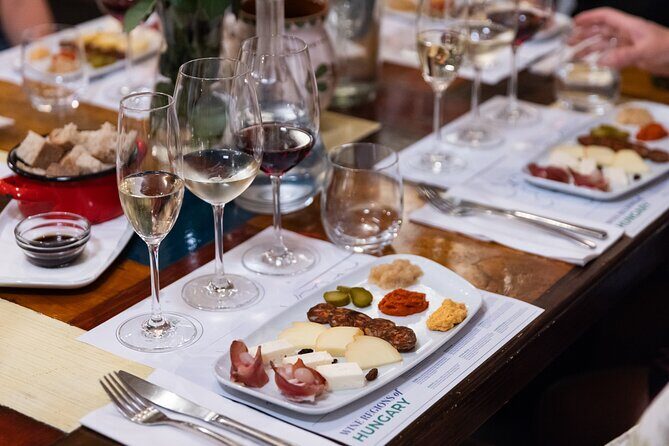
- Wine cellar start with a sommelier and a structured first tasting of three wines
- Enough food for a full meal, spread across multiple venues instead of one long sit-down
- Palota Negyed in the VIII district, with photo stops and neighborhood context as you walk
- Historic taste stops, including a bakery running since 1870
- Hungarian classics in bite-sized form, such as gulyás-style soup/stews and local dessert coffeehouse treats
- Small group pace (up to eight guests), with extra attention for questions
Why the Palace District Turns Into a Great Food-Walk Setting
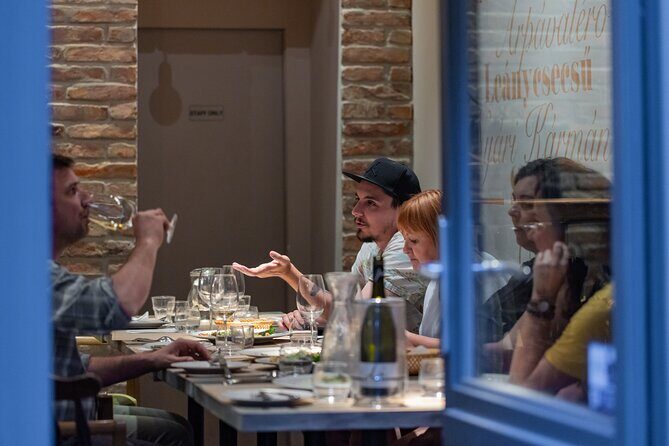
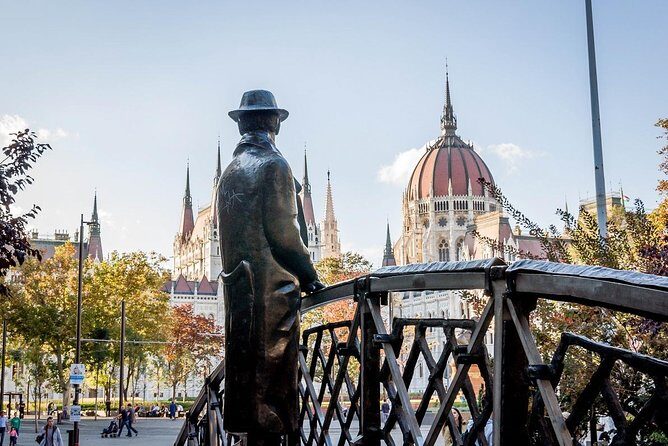
Palota Negyed is one of those Budapest areas where the buildings do half the entertaining. The old palaces here help you understand how the city developed—Hungary’s modern identity didn’t appear from nowhere. It grew in layers, and this neighborhood makes those layers visible. As you walk, you’ll get that sense of time passing without having to do museum-level concentration.
What I like about pairing this setting with food is simple: the flavors match the pace. This is not a sprint between stops. You’ll have time for small conversations, photos, and a guide who ties what you’re eating to the broader culture of Hungarian dining and drinking.
You’ll also connect the dots to the downtown and Jewish Quarter side of the city in the way the tour frames things. Even when you’re focused in the Palace District, you’ll hear how other parts of Budapest shaped nightlife, food traditions, and the idea of sampling your way through a neighborhood.
You can also read our reviews of more walking tours in Budapest



Price and Value: What $145 Buys You in Budapest
At $145 per person for about four hours, you’re paying for two things that are hard to DIY. First, you’re getting a food-and-wine guided circuit with multiple booked venues and set tastings. Second, you’re paying for the sommelier and the guide’s job of translating what you’re tasting into something you can actually remember.
Here’s the value check you should do before booking: this isn’t a “one drink and a snack” walk. It’s designed to replace dinner—progressive tastings, plus dessert. Reviews people leave for this kind of tour often mention goulash, wine pairings, and a final coffeehouse finish. That matters because it means you’re not just tasting a little; you’re eating enough to leave satisfied.
Is it pricey? Compared to grabbing a casual meal on your own, yes. But compared to the cost of paying for several tastings, paying for a wine specialist, and arranging transport/line management between spots, it’s usually a fair deal. You’re essentially buying time, access, and structure.
Meeting at the Tasting Table Cellar: Starting Smart at 5pm
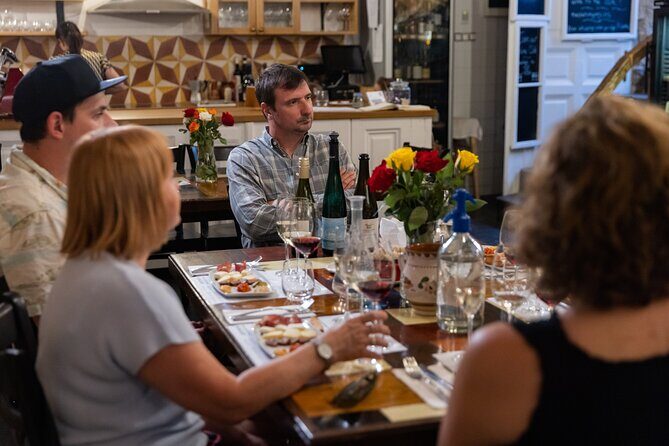
The tour starts at 5:00 pm at the Tasting Table Cellar (by Taste Hungary), Bródy Sándor u. 9, 1088 Hungary. That early evening slot is handy. You’re not trying to eat late-night style, and you’re also not doing a daytime crawl.
It ends near Astoria (1053 Hungary). That’s a practical finish point because Astoria is a central hub. After you’re done, it’s easy to plan the rest of your night—either head toward dinner plans you can skip (since you’ll be fed), or continue exploring nearby streets and cafés.
Timing is about 4 hours (roughly 5–9 pm, unless otherwise requested). The good news: the schedule is long enough to feel like a real evening, but short enough that it doesn’t swallow your whole night.
The Wine Cellar Intro: 3 Wines Plus Cheese and Charcuterie
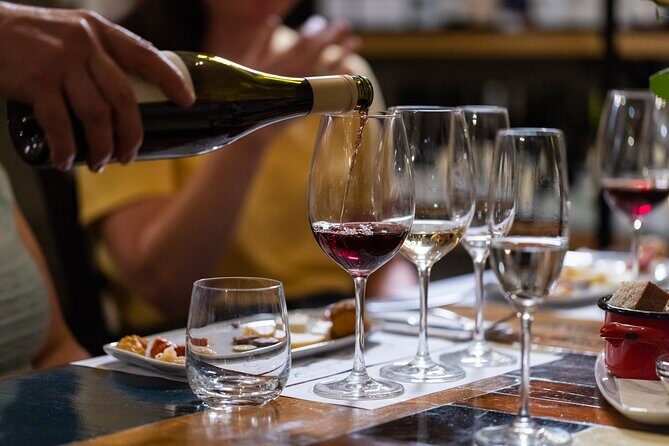
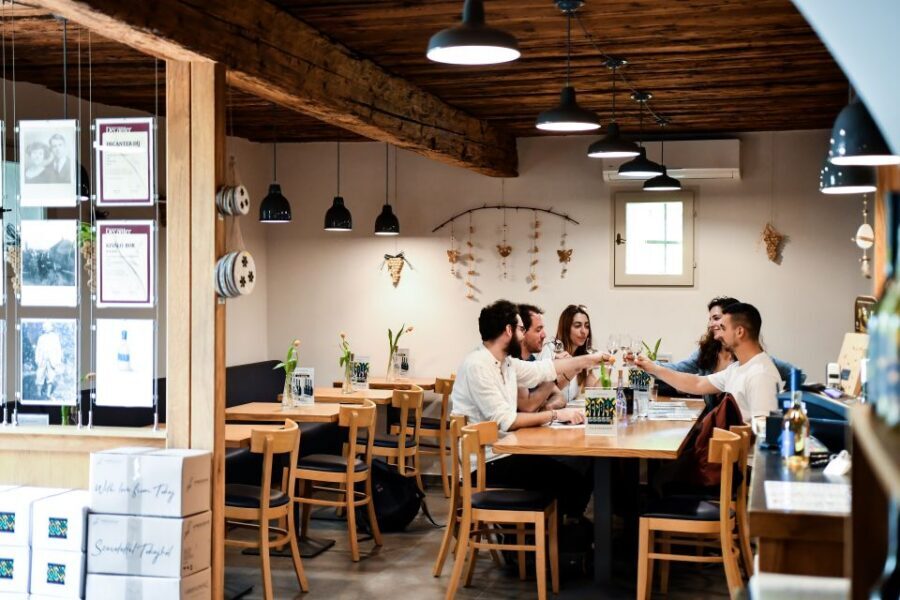
Most Budapest wine tastings are either overly formal or too vague. This one starts with a sommelier-led introduction in the wine cellar. You’ll taste three wines, and the first round also includes a selection of local cheese and charcuterie.
This setup matters because it gives you vocabulary for what you’ll keep encountering during the walk. You start with a guided baseline—then you’re free to enjoy the later stops more. You’re not guessing what grape style or flavor direction you’re tasting. Even if you’re not a wine expert, the structure keeps the experience enjoyable.
If you’re picky about wine, you’ll probably appreciate the guide’s ability to describe choices in normal human terms. Reviews mention strong interest in specific reds and the way charcuterie was paired early on, which is usually a good sign the tastings aren’t random.
Grazing Through Palota Negyed: Five More Stops and a Real Meal
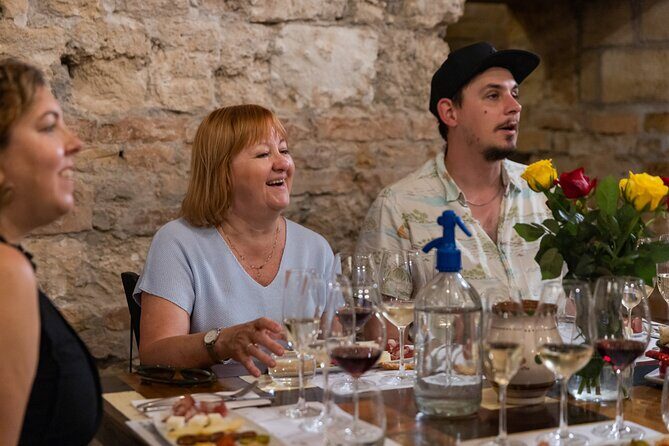
After the initial meeting at the tasting location, you’ll move through several venues in the Palace District. The tour is built like a progressive dinner: you don’t sit in one place for everything. Instead, you graze at multiple stops, so the tastes keep changing without the meal feeling like a chore.
You can expect:
- A bakery stop, run by a family business since 1870
- Pálinka at a courtyard-style bar that fits the fun, social vibe Budapest is known for
- Gulyás-style soup and appetizers at a neighborhood bistro
- Dessert at an old coffeehouse, with that classic Hungarian café moment
Let’s talk about why that stop selection is smart. Hungary’s food culture isn’t just one dish. It’s comfort food, hearty stews, snackable sweets, and drinks that fit the rhythm of the evening. By spreading tastings across venues, the walk mirrors how locals often eat out: small plates, warm dishes, then something sweet to close.
A small practical drawback: because you’re sampling in stages, you shouldn’t arrive starving with zero appetite control. People often say this tour is a lot of food. That’s accurate. Go light earlier, and save room for the later stops.
You can also read our reviews of more historical tours in Budapest






History That Stays Useful: Palace Quarter, Universities, and Neighborhood Stories
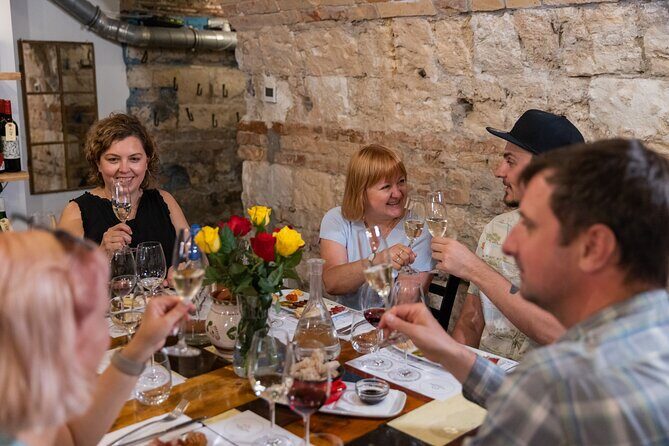
You’re in Palota Negyed, a neighborhood with old palaces and a strong 1800s-to-today feel. The guide’s job is to connect architecture and street life to what you’re eating and drinking. That’s the right way to do history on a food tour: keep it tied to real place and real culture.
The neighborhood now includes universities, so there’s a mix of historic grand buildings and everyday student life. That matters because it explains the relaxed vibe. You’re not touring empty monuments. You’re walking through lived-in streets that shaped dining habits over time.
The Jewish Quarter connection shows up through the tour’s framing of Budapest nightlife and social spaces. You’ll hear about concepts like ruin bars and why they became part of the city’s identity. It’s history you can actually picture, not facts stuck in your head without context.
One review noted that the history felt heavy to one person, but that’s also a matter of preference. If you want a food-forward evening with only short history bites, this tour generally aims for that balance—guides focus on explaining enough to understand the flavors and neighborhood, without overloading you.
Dessert at the Old Coffeehouse: Ending With a Sweet Reset
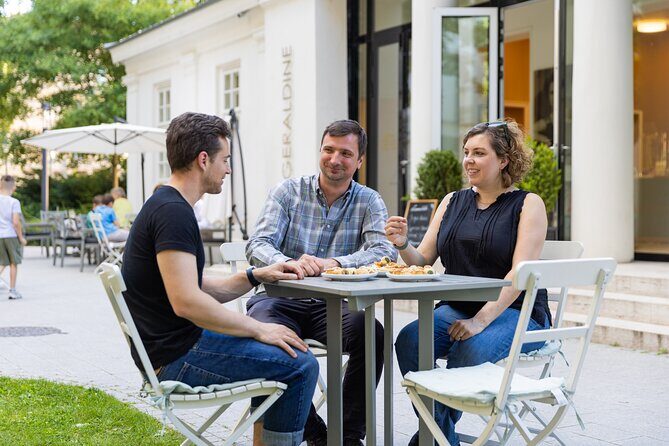
Many great food tours lose their momentum at dessert. This one tends to land well because the final stop is a coffeehouse setting with Hungarian-style pastries or dessert. After wine, savory bites, and warm stews, dessert becomes the palate reset you want.
Also, coffeehouse stops are ideal for the last leg of an evening walk. You can slow down, sit for a moment, and digest what you ate earlier. It’s not just a sugar finish; it’s a calmer wrap-up before you head back out.
If you care about pictures, dessert is often one of the easiest moments to capture. The coffeehouse vibe is photogenic, and you’re not dealing with the chaos of a busy dinner rush.
What You’re Likely to Taste (And Why It Matters)
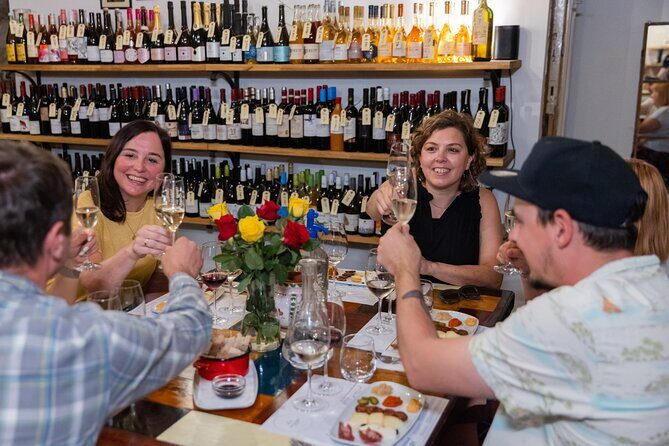
Even with set tastings, you’ll taste the core of Hungarian dining. Based on what this walk is built around, don’t be surprised if you encounter:
- Wine tastings led by a sommelier, starting with three wines
- Charcuterie and local cheese with early pairings
- Gulyás-style stew or soup that feels warm and hearty (ideal in evenings)
- Pálinka, a strong Hungarian spirit often enjoyed as a digestif
- Bakery goods from a family-run shop with roots since 1870
- Dessert and café pastries to close the meal
Why this matters: Hungary’s flavors are often about comfort and warming food, not light and trendy plates. This tour is set up to show you that reality instead of forcing the city’s cuisine into a modern fusion mold.
Group Size, Pacing, and How to Avoid Getting Overloaded
This is a small group tour, with minimum two guests and maximum eight guests. Large groups can shift to private tours. There’s also a maximum of 16 travelers overall for the activity.
In practical terms, that means you’re less likely to feel like you’re being herded. You can ask questions, and the guide can actually manage timing so everyone stays together.
The pacing is built for grazing: short walks, tastings, and photo stops. But you should plan your day around the fact that you’re basically eating dinner as you go. A good rule: don’t have a big meal right before. If you do, you’ll spend the later portions trying not to feel too full.
Footwear matters because you’ll be walking through several venues in the Palace District. This isn’t described as a strenuous hike, but it’s still city walking in the evening.
Who Should Book This Walk (And Who Might Want Another Plan)
Book it if you fit any of these:
- You want a food-and-wine evening that feels local, not touristy
- You like tasting multiple places instead of one restaurant menu
- You want history that explains the neighborhood while you eat
- You’re traveling in a small group or as a couple and want an easier pace than big tours
Think twice if:
- You have strict dietary needs and require specific substitutions. The tour tries hard, but it can’t guarantee options because of local food customs.
- You dislike strong alcohol. Pálinka is part of the experience.
- You want a light appetizer-and-sip outing. This is designed to provide enough food to make up a full meal.
Practical Tips Before You Go
A few things will make your evening smoother:
- Start the day lighter. Save your appetite for the walk, especially since tastings are generous.
- Wear comfortable shoes. You’ll move between multiple stops through Palota Negyed.
- Bring your questions. There are multiple photo moments and time to ask things about Hungarian wine and food culture.
- If you’re sensitive to alcohol, be ready for tasting amounts. The tour is wine-forward and includes pálinka.
- Plan on a central evening route. Starting at the Tasting Table Cellar and finishing near Astoria keeps you connected to public transport.
And one booking reality to keep in mind: this experience is non-refundable and can’t be changed, so double-check your dates before you commit. If a minimum number of guests isn’t met, you’ll be offered an alternative or a full refund.
Should You Book This Palace District Culinary, Wine, and History Walk?
I think it’s a strong choice if your ideal Budapest evening is part meal, part neighborhood walk, and part wine education—without getting stuck in one restaurant for hours.
The best reasons to book are practical. You get three wine tastings with a sommelier, plus enough food to feel like you actually ate a dinner. You also get the Palace District setting, which makes the whole thing more than a list of dishes. And because it’s a small group with a structured pace, it’s easy to enjoy even if you’re not the type to chase every landmark.
If your priorities are strict dietary precision or a very light snack tour, you’ll probably be happier with something else. But if you want an organized, central, food-first night in Budapest—this one is hard to beat.