REVIEW · BUDAPEST
Budapest walking tour: Parliament and Shoes Memorial
Book on Viator →Operated by Luna Walking Tours · Bookable on Viator
Budapest can feel overwhelming. This walk makes it feel personal and doable. I love the small-group setup that lets me ask questions, and I love the legend-first stories that turn famous buildings into something you can actually remember. One watch-out: Hungarian Parliament entry isn’t included, so you may want to plan a ticket if you want inside access.
For about two hours, you’ll cover a smart stretch of central Budapest along the Danube, starting at St. Stephen’s Basilica and ending near Kossuth Lajos tér. The pace is comfortable (the walking is mostly flat), and the guide wraps the big sights into the kind of local context you usually only get from someone who actually lives here. If you’re here for a first-day orientation, this is a practical way to get your bearings and learn what to chase next.
In This Review
- Key things I’d clock before you go
- Why this 2-hour Parliament and Shoes walk works on a first visit
- Start point at St. Stephen’s Basilica: arrive early and look for the guide
- St. Stephen’s Basilica: why the stories make the first stop count
- Hungarian Parliament Building: the golden dome is the easy part
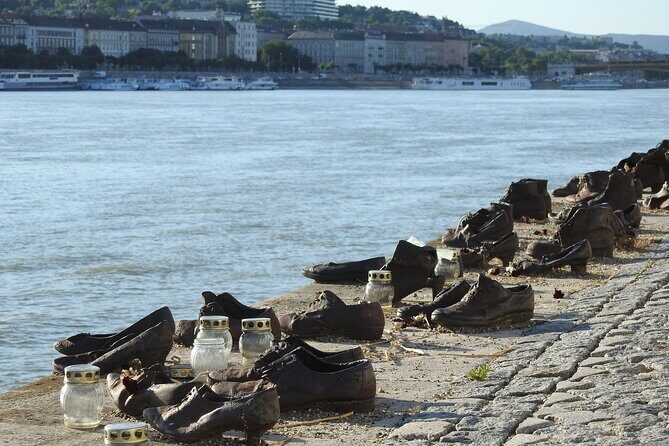
- Shoes on the Danube Bank: a Holocaust memorial you pause for
- Vörösmarty Square and Café Gerbeaud: where old Budapest still smells like sugar
- Chain Bridge legends at Szechenyi Lanchid
- Vigadó concert hall: Romantic architecture along the Danube
- Hungarian Academy of Sciences: science and language in one view
- Elizabeth Square, Danubius Fountain, and the Danube Eye
- Gresham Palace: luxury history with names you recognize
- Price and value: what $3.63 buys you in real terms
- Who this Budapest walking tour is best for
- Should you book Luna Walking Tours for Parliament and Shoes?
- FAQ
- How long is the Budapest Parliament and Shoes walking tour?
- What time does the tour start?
- Where does the tour start and end?
- Is the tour in English?
- How big is the group?
- Is there a mobile ticket?
- Are attraction tickets included?
- Do I need to pay for the other stops like the Shoes memorial or Café Gerbeaud?
- Are tips included?
- What is the cancellation policy?
Key things I’d clock before you go
- Max 10 people means more time to talk and less time stuck in the back
- English narration with mobile ticket convenience
- Shoes on the Danube Bank is a serious memorial stop, handled with respect and context
- A tight 2-hour route that hits Parliament, Chain Bridge, and major Danube landmarks
- Your guide adds trip tips for restaurants, bars, museums, and even spas
- Mostly flat walking makes it easier to keep the pace without burning energy
Why this 2-hour Parliament and Shoes walk works on a first visit
I like tours that do two jobs at once: help you see real places and help you understand how the city thinks. This one does both, fast. You cover major landmarks people put on postcards, but you also get the meaning behind them—especially around Hungary’s political life and the Holocaust memorial on the Danube.
The group size is capped at 10, which matters more than it sounds. In a larger crowd, you lose the chance to ask questions at the exact moment something clicks. Here, the guide can slow down when you’re curious, and that keeps the stories from turning into a lecture you half-hear while walking.
Also: at roughly two hours, it’s a sweet spot. Long enough to feel like you explored, short enough that you still have energy for dinner, a ruin bar, or a museum afterward.
You can also read our reviews of more walking tours in Budapest



Start point at St. Stephen’s Basilica: arrive early and look for the guide
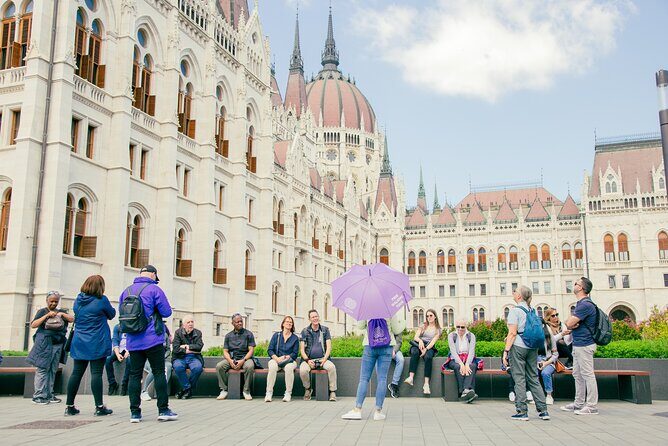
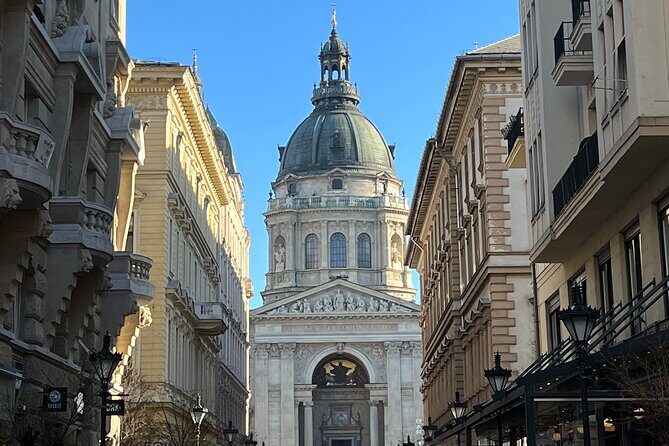
Your tour starts at St. Stephen’s Basilica (Szent István Bazilika) in central Budapest at 11:00 am. The meeting area can get crowded, so I recommend getting there a bit early rather than rushing in at the last second.
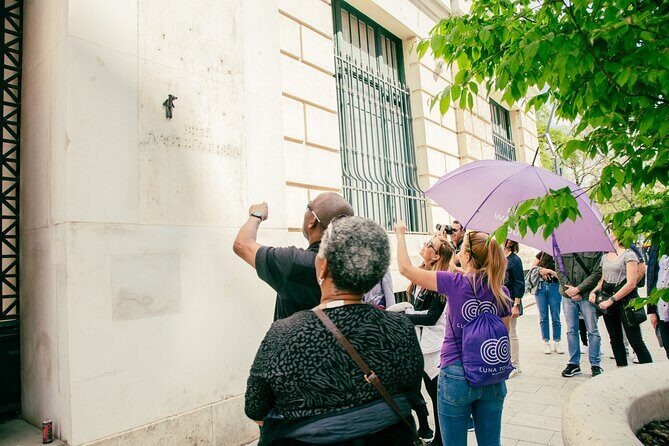
One practical detail that’s worth knowing: the guide may not be right at the front of the church. If you don’t spot your group instantly, ask around or look for guides with colorful umbrellas—other guides are often in the same area and can point you to the right one.
You’ll have a mobile ticket, which is convenient if you prefer keeping everything on your phone. That also helps if you’re switching between transit and walking without digging through papers.
St. Stephen’s Basilica: why the stories make the first stop count
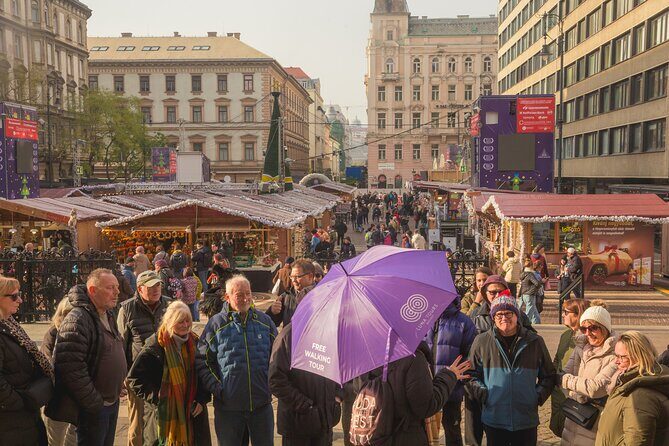
The first segment is about 15 minutes around St. Stephen’s Basilica. This is Budapest’s biggest Roman Catholic church, and you’ll hear its history and legends while you walk the area. It’s a smart way to begin because it sets the tone for the rest of the tour: you’re not just moving from photo spot to photo spot.
Here’s what I’d listen for at this stop. Guides usually connect religion to national identity here, and that’s helpful later when you’re standing near Parliament and seeing how public buildings reflect what a country values. Even if you’ve already read a few facts, the legends add texture—small human details that make the place feel lived-in rather than like a label on a map.
If you like learning without drowning in facts, this start hits the right balance: short, focused, and geared to moving onward.
Hungarian Parliament Building: the golden dome is the easy part
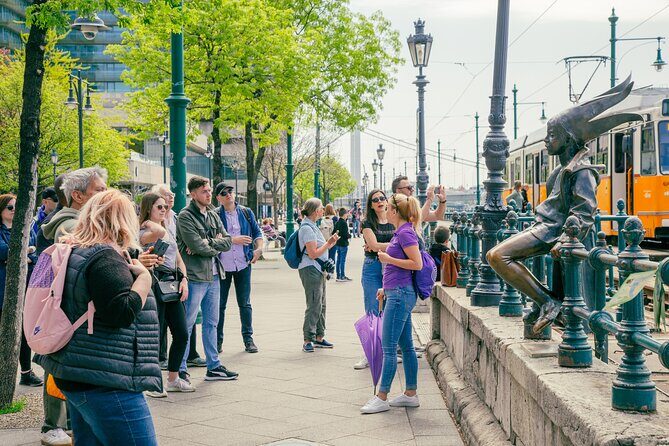
Next up is the Hungarian Parliament Building, a 15-minute stop with an exterior-focused look. The building is famous for its shimmering golden dome and intricate details, but the real value is what you learn while you’re looking.
Important practical note: Parliament admission tickets are not included. That doesn’t stop you from seeing the exterior and hearing the context, but it does mean you should not count on getting inside unless you buy tickets separately.
Why this stop is worth your time anyway? Because the guide’s explanations help you read the building. Instead of thinking of it as a dramatic backdrop, you’ll start understanding it as a statement—Hungary’s heritage and resilience built into stonework and design choices.
Also, if you’re the type who likes to take photos while still absorbing meaning, this is a good moment. You can shoot the dome and facades without losing the thread of the story.
Shoes on the Danube Bank: a Holocaust memorial you pause for
Then you come to the Shoes on the Danube Bank memorial, around 15 minutes, and it’s free to visit. This is one of the most emotionally loaded stops in Budapest, and it tends to hit people more than they expect.
The whole idea is stark: shoes left by the river represent victims of the Holocaust in Budapest. The guide’s job here isn’t to sensationalize. It’s to explain the symbolism so you understand why the memorial is positioned where it is and why it’s meant to make you slow down.
If you’re planning photos, I’d keep it respectful. You’ll get the best experience by treating it like a moment of remembrance, not a quick photo pit stop. The setting by the water has a way of making the facts feel real instead of abstract.
This is also a good stop for questions. If something in the story feels unclear, a small-group format makes it easier to ask right then, before you move on.






Vörösmarty Square and Café Gerbeaud: where old Budapest still smells like sugar
After the memorial’s seriousness, the route turns toward the downtown core with two connected stops: Vörösmarty Square (about 10 minutes) and Café Gerbeaud (about 10 minutes).
Vörösmarty Square is tied to the UNESCO-listed area around it, and you’ll hear how tradition and modern city life coexist here. You’ll spot elegant architecture and the kind of café culture Budapest is known for. It’s not just scenery; it helps you see what “everyday Budapest” feels like after the landmark moments.
Then comes Café Gerbeaud, a legendary name in Vörösmarty Square. You’ll hear about the Gerbeaud family’s confection craft and what makes the café special, including the royal-style interior—chandeliers and marble—and the classic Gerbeaud slice people come for.
Admission is free for this stop, so think of it like a guided orientation to a famous place. If you want dessert, that’s on you, but the visit makes ordering easier because you’ll know what the iconic cake is and why it’s tied to the building’s reputation.
Chain Bridge legends at Szechenyi Lanchid
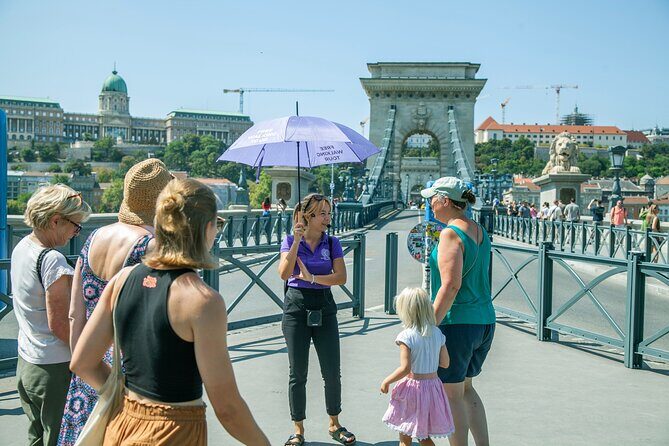
Szechenyi Lanchid is the Chain Bridge area, with about 10 minutes here. The tour frames the bridge as more than a connector between Buda and Pest. You’ll hear legends and history tied to its construction and the symbolism behind it.
You’ll also get a clear look at the detail most people notice first: the stone lions that guard the bridge. Then the guide adds what those lions and the bridge itself represent in Hungary’s story—unity, resilience, and pride.
This stop is valuable even if you’ve already seen Chain Bridge from a boat. Walking near it gives you a different sense of scale and lets you connect what you’re seeing with the explanations you heard earlier.
Vigadó concert hall: Romantic architecture along the Danube
Next is Pesti Vigadó, the grand concert hall on the Danube, about 10 minutes. The building is known for Romantic architecture, and you’ll learn how it once served as a gathering place for emperors and artists.
Even if you don’t go inside, it helps to know what you’re looking at: ornate design choices weren’t just for show, they signaled cultural importance. The guide also points out that it still hosts cultural events, so the building isn’t only a historical costume—it’s part of the city’s ongoing arts calendar.
If you like architecture and want something quieter than Parliament-and-bridge overload, this stop gives you a breather while still keeping you oriented along the Danube.
Hungarian Academy of Sciences: science and language in one view
About 10 minutes later, you’ll reach the Hungarian Academy of Sciences. This stop is built around a neoclassical building by the Danube and a bigger theme: Hungary’s intellectual pride.
The guide connects the Academy’s mission to preserving the Hungarian language and supporting innovation. You’ll also hear fun, grounded references to inventions associated with Hungarian culture, including the Rubik’s Cube and the ballpoint pen.
Why I think this works well on a walking tour: it’s a break from the political and memorial stops without turning it into random trivia. You’re still learning how Budapest’s identity forms—through institutions, language, and ideas.
Elizabeth Square, Danubius Fountain, and the Danube Eye
Elizabeth Square (Erzsébet tér) is next at about 10 minutes, followed by a shorter stop at the Danubius Fountain (about 5 minutes).
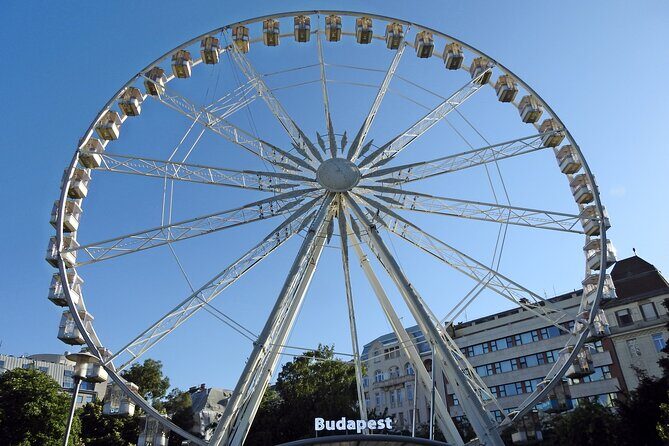
You’ll hear how Erzsébet tér functions as a main downtown meeting point, including references to the Budapest Eye Ferris wheel and the fountain area. Then the Danubius Fountain itself gets attention as a centerpiece tied to the Danube—the city’s lifeline. The sculptures represent the river and its tributaries, so you get a reminder that Budapest’s personality is built around the water as much as around buildings.
These are free stops, which helps you manage your budget while still seeing the city’s modern rhythm.
Gresham Palace: luxury history with names you recognize
The final featured stop is Gresham Palace, about 10 minutes. Today it operates as a Four Seasons hotel, and the tour notes how long it has been an address for high-profile figures.
You’ll hear examples of notable guests associated with the palace, including Winston Churchill, Queen Elizabeth II, Clint Eastwood, Catherine Zeta-Jones, and Jennifer Lawrence. That kind of list can sound like name-dropping, but the practical value is that it helps you place the palace in Budapest’s social and international story.
The stop also gives you a final landmark visual before you wrap near Kossuth Lajos tér.
Price and value: what $3.63 buys you in real terms
At about $3.63 per person, this is priced as a serious value play—especially because it includes a professional local guide and a structured 2-hour route. The money isn’t mainly going toward “transport” or admission costs (most stops are free), it’s going toward the guide’s explanations: history, legends, and the opportunity to ask questions.
What I like about the included format is the way it’s described as no-taboo conversation. That usually means you can ask the things you’re actually wondering about—daily life, culture, and practical advice—without feeling like you’re stuck in museum-muted silence.
You also get personal recommendations for the rest of your trip: where to eat, where to go for a drink, and what to consider for museums and spas. For a first-time visitor, that’s often as valuable as the sights themselves.
One more cost consideration: tips are not included. Based on what I’ve seen in the tour notes, I’d bring tip money and plan on tipping your guide at the end. It’s also a small-group tour, so the guide will have put extra energy into making the pace work for everyone.
Finally, Parliament admission isn’t included, so if you want to go inside, you’ll need to budget for that separately.
Who this Budapest walking tour is best for
This works especially well if you:
- Are doing Budapest for the first time and want a clear orientation route
- Like small-group Q&A instead of tuning out because the group is too big
- Prefer walking that’s mostly flat and manageable in a couple of hours
- Want both lighter legend storytelling and serious historical context
It may not be ideal if you want long time inside major buildings, because the Parliament stop specifically notes admission isn’t included and the overall structure is built around short landmark segments.
Should you book Luna Walking Tours for Parliament and Shoes?
If you want a high-value Budapest introduction that pairs major sights with the stories that make them stick, I’d book this. The small group size is the big advantage: you get real interaction, not just passing narration.
I’d make one adjustment before you go: treat Parliament as an exterior-and-context stop unless you plan to add your own admission. And build your expectations for the Shoes memorial accordingly—this part is meant to slow you down.
If you’re aiming to map your trip, learn the key threads of Hungarian history, and get a set of practical suggestions for the days after, this is a smart early booking.
FAQ
How long is the Budapest Parliament and Shoes walking tour?
It’s about 2 hours long.
What time does the tour start?
The start time is 11:00 am.
Where does the tour start and end?
It starts at St. Stephen’s Basilica (Szent István Bazilika) in Budapest and ends at Kossuth Lajos tér.
Is the tour in English?
Yes, it’s offered in English.
How big is the group?
The maximum group size is 10 travelers.
Is there a mobile ticket?
Yes, the tour offers a mobile ticket.
Are attraction tickets included?
No for the Hungarian Parliament Building. The Parliament stop notes that an admission ticket is not included, while other stops listed are free.
Do I need to pay for the other stops like the Shoes memorial or Café Gerbeaud?
The Shoes on the Danube Bank stop is free, and the other stops listed (such as Vörösmarty Square, Café Gerbeaud, Chain Bridge area, and more) are marked as free.
Are tips included?
Tips are not included.
What is the cancellation policy?
You can cancel for a full refund up to 24 hours in advance of the experience start time. If you cancel within 24 hours, the amount paid is not refunded.