REVIEW · BUDAPEST
Budapest Scavenger Hunt and Highlights Self Guided Audio Tour
Book on Viator →Operated by World City Trail · Bookable on Viator
Budapest gets better with phone riddles. This self-guided Budapest scavenger hunt turns major landmarks into a walkable storyline, with GPS navigation and audio/text explanations you can use whenever your day allows. I like that you can start anytime and shape the route to your energy level, instead of lining up with a big group.
I also appreciate the practical value for the price: you get a full walking route of about 4.7 km (around 60 minutes of walking time) plus local restaurant and shop ideas, without paying entrance fees because the puzzles focus on outdoor areas. One possible drawback: it’s outdoor-only and depends on a charged smartphone plus mobile data (and you’re told to avoid VPN/city Wi‑Fi), so you’ll want a reliable phone setup before you go.
In This Review
- Key Highlights You’ll Feel Right Away
- How the Self-Guided Format Changes Your Budapest Day
- Price and Value: What $8.40 Gets You (and What It Doesn’t)
- Start Point Options: Parliament Building Is the Smart Default
- The App Experience: Download, Login, Then Let It Run
- What “Your Tour, Your Way” Really Means on the Ground
- The Walk: 11 Stops Across Buda and Pest
- Erzsebet ter: Get Your Feet and Your Bearings
- Hungarian Parliament Building: Your Route Starter and Main Orientation Point
- St. Stephen’s Square: Keep Momentum Without Overthinking
- Statue of Queen Elizabeth: Riddle-Time Gets You Looking
- Castle Garden and Buda Castle: The Buda Side Shift
- Zero Kilometre Stone: A Fun Break in the Pattern
- Matthias Church: Where the Stories and History Lean In
- Szabadsag ter: A Breather Before the Final Viewpoints
- Fisherman’s Bastion: Big Views Finish Strong
- Chain Bridge Lion Statue’s: Close the Loop
- Local Restaurant and Shop Tips: How to Use Them Without Overpaying
- Support and Backup Plans (Good to Know Before You Go)
- Who This Budapest Scavenger Hunt Is Best For
- Should You Book It?
Key Highlights You’ll Feel Right Away

- Start 24/7 and go at your pace: no fixed start time, and you can pause and resume.
- GPS audio + riddles: navigation and story prompts move you from stop to stop.
- Built for major viewpoints: the route is set up to cover standout sights on both Buda and Pest sides.
- No extra attraction tickets: puzzles relate to outdoor areas, so you typically won’t need entrance payments.
- Local tips included: you get hand-picked restaurant and shop recommendations inside the app.
- Works across languages: audio/text support in EN, DE, FR, NL, IT, ES.
How the Self-Guided Format Changes Your Budapest Day

This isn’t a guided walking tour where someone checks the group and starts herding you down the street. It’s a self-guided experience using the World City Trail app, so the day feels more like exploring with a game master in your pocket.
The biggest win here is flexibility. You can start anytime within the app’s hours (listed as 12:00 AM to 11:30 PM), and there’s no rush because you can pause for a drink, wait out the weather, or linger at a view. The tour is designed around an average total time of about 3 hours, but that can stretch or shrink based on your pace and how long you want to stop and read or listen.
Another practical win: the route is short enough to do on a day when you also want a few independent plans. The core walk is about 4.7 km, so you’re not committing to an all-day “get your shoes muddy” trek.
You can also read our reviews of more guided tours in Budapest



Price and Value: What $8.40 Gets You (and What It Doesn’t)

At $8.40 per person, this is priced for real budget travelers who still want structure. You’re paying for the app-based navigation, audio/text guide content, and the puzzle flow that ties the landmarks together.
What you don’t pay extra for: the activity is set up so you shouldn’t need entrance fees for the puzzles. The key idea is that the tasks are linked to outdoor areas of the attractions on the route. That matters in Budapest, where it’s easy to spend money without realizing it when you’re bouncing between sights.
What you should keep in mind: there’s no live guide, so you won’t get real-time Q&A. And because it’s outdoor-only, it’s not the choice if you want an indoor-heavy itinerary or you’re expecting heavy rain. If your phone dies, the experience stops—so bring a charger if you’re the type who runs low while taking photos.
Start Point Options: Parliament Building Is the Smart Default
The meeting point and the suggested start are both the Hungarian Parliament Building (Kossuth Lajos tér 1–3). That’s not just convenience; it sets you up on a route that naturally hits major points across the river area and then works you through the Buda side sights.
That said, you’re not locked into a rigid schedule. The plan notes that you can start/finish anywhere, and in the itinerary flow you’ll see options to customize. One detail worth checking once you’re in the app: the activity info also notes that it ends back at the meeting point. In practice, the app’s navigation will guide you to the next stop and you’ll likely see where it thinks you should wrap up.
If you want the smoothest first run, start at the Parliament Building. If you’d rather begin at another landmark you’re already near, that’s your call.
The App Experience: Download, Login, Then Let It Run
You’ll download the World City Trail app and use your 10-digit booking reference to log in. From there, you select “Create” to start. The tour is set up so you don’t need anyone waiting for you. The app expects you to be ready—so do yourself a favor and download everything you can before you leave.
You’ll also need:
- a fully charged smartphone
- an active mobile data connection
- outdoor time with the app running on your screen
Important technical note: they specifically warn to disable any VPN and avoid city Wi‑Fi because it can cause the app to malfunction or disconnect. If you’re the type who automatically turns on a VPN for safety, turn it off before you start.
You can listen through your phone’s speaker, but headphones are optional if you want to block street noise.
What “Your Tour, Your Way” Really Means on the Ground
This is where the self-guided format starts paying off. The app supports customization, so you don’t have to force the whole plan exactly as written.
In your day, that can look like:
- changing the order of places
- skipping a stop if you’re tired or running late
- pausing for a break, then resuming where you left off
Another big advantage: there’s no time limit, and the access lasts for a full year. That’s not a small detail. It means you can try it once to get the vibe, then come back for a second pass if you want more listening time, a different pace, or better weather.
A few more Budapest tours and experiences worth a look





The Walk: 11 Stops Across Buda and Pest
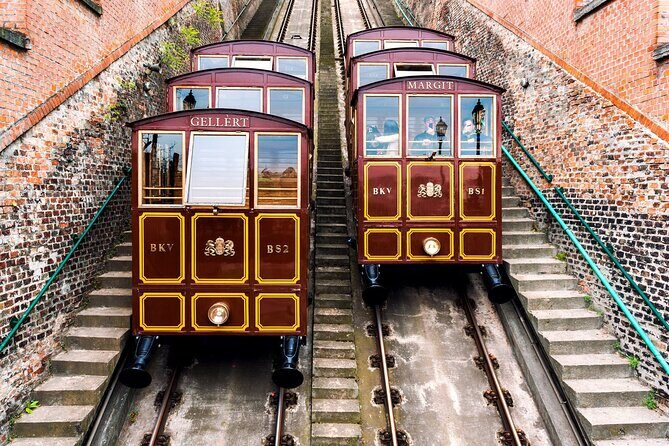
The route is built as a chain of short segments. Think of it as “move, solve, look, continue,” with the app handling the navigation and you handling the curiosity.
Here’s how the stops fit into a good first-day sightseeing flow, plus what to watch for.
Erzsebet ter: Get Your Feet and Your Bearings
You kick off at Erzsebet ter. Early stops are often where you learn how the riddles feel in your hands—whether you need to read carefully, slow down, and look for details.
This is also a practical point in the route where you can judge your pace. If you’re doing a lot of photos, decide early whether you want to keep moving or take more time.
Hungarian Parliament Building: Your Route Starter and Main Orientation Point
Hungarian Parliament Building is both the suggested starting point and the listed address for the meeting point. Starting here helps because you’re beginning at a clear anchor, then the app can guide you across the rest of the plan.
One reason I like this kind of start: it reduces the stress of “Where am I supposed to begin?” You already know what the starting landmark is, and the rest becomes a guided walk.
St. Stephen’s Square: Keep Momentum Without Overthinking
At St. Stephen’s Square, the game-style prompts push you to pay attention instead of just drifting between landmarks. You’re not here to memorize a lecture—you’re here to notice what the next clue asks you to notice.
A practical consideration: squares can be crowded and loud. If you want to focus on the audio, headphones help a lot.
Statue of Queen Elizabeth: Riddle-Time Gets You Looking
The stop at the Statue of Queen Elizabeth is a reminder that the tour isn’t just about big architecture. It asks you to slow down enough to answer questions that relate to what you can see around you.
This is also where your observation skills do some work. If you like puzzles that require imagination and careful watching, you’ll probably enjoy this part more than you expect.
Castle Garden and Buda Castle: The Buda Side Shift
The itinerary moves into the Buda side with Castle Garden and then Buda Castle. In a city like Budapest, this transition can feel like a scenery change: you’re moving from the flatter, city-center feel into the zone that gives you classic viewpoints.
This is also where the “major viewing points of both Buda and Pest sides” idea becomes real. Your best experience here will come from actually stopping when the app tells you to, instead of rushing to the next marker.
One caution: Buda side walking can feel steeper and more tiring than the first portion, depending on where you pause for breaks. If you’re planning other activities later, keep an eye on your energy.
Zero Kilometre Stone: A Fun Break in the Pattern
At the Zero Kilometre Stone, you get a built-in pause in the narrative. These kinds of stops are good for two reasons: they reset your brain after a stretch of walking, and they give you a moment to reflect on where you’ve been and what’s next.
Since the focus is outdoor puzzles, this type of stop often works well even if you’re not in the mood for long readings.
Matthias Church: Where the Stories and History Lean In
Matthias Church is the highlight stop for story content. This is where the tour notes you’ll find legends and history via text or audio guide.
If you like learning in short bursts—listening while standing still for a minute or two—this part is likely to feel satisfying. If you prefer only photo stops and no reading, you can keep it light here and move on, but don’t ignore it entirely. This is where the tour seems designed to give you context, not just navigation.
Szabadsag ter: A Breather Before the Final Viewpoints
At Szabadsag ter, you’re getting another checkpoint. Think of it as the bridge between “castle area time” and the closing viewpoints.
If you’re tired, this is a good place to take a real break and drink water. Since the experience depends on outdoor walking, your best strategy is to rest before you run out of steam.
Fisherman’s Bastion: Big Views Finish Strong
The last major viewpoint stop is Fisherman’s Bastion. This is the kind of place where you’ll want a little extra time, because the tour format naturally pairs the clue-solving with looking out and taking in the surroundings.
The payoff of this stop is that it helps you end the day with a clear memory. Even if you skipped some riddles earlier, the final stretch is often where everything clicks visually.
Chain Bridge Lion Statue’s: Close the Loop
Finally, the route includes the Chain Bridge Lion Statue’s stop. This is a satisfying “wrap up” moment because it connects the day back to the iconic river-crossing area feeling.
If you’re doing this as a first-day orientation, treat this last part like your confirmation that you can move around the city confidently.
Local Restaurant and Shop Tips: How to Use Them Without Overpaying

Inside the app, you’ll find hand-picked local restaurant and shop tips. The key is to use them like suggestions, not rules.
I recommend doing this the day you take the tour, not days later. That way, you can match the recommendations to where you actually feel like walking. You’ll also have a clearer sense of whether the style is right for you—quick bite versus sit-down meal.
Because the tour focuses on outdoor areas and walking segments, the food and shop tips can be timed naturally after the hardest walking parts.
Support and Backup Plans (Good to Know Before You Go)

There’s 24/7 live support via chat, and the tour explicitly says there’s no phone support. If something goes wrong—wrong booking reference, app not loading, or a puzzle not making sense—you can message for help.
Also take note of the weather/health approach. If bad weather or illness prevents you, you can do the tour on another day. The data also says you can contact them to change the tour to a different city.
For a self-guided activity, that kind of safety net matters. You still control your schedule, but you’re not totally stuck if life interrupts.
Who This Budapest Scavenger Hunt Is Best For
This is a strong match if you want:
- a low-cost way to see a lot of the city in a short day
- built-in motivation to slow down and look instead of just sightseeing
- flexibility to pause, skip, and restart your day on your terms
It’s also a good fit if you dislike group tours. The pacing works well for couples, friends, and solo travelers who want the city to feel personal rather than scheduled.
If you need a live guide, expect a deep lecture, or you know you’ll be offline or low on phone battery, you might feel constrained.
Should You Book It?
I’d book this if you’re the type who enjoys a walk with light challenges and you want to cover classic Budapest landmarks without committing to a guided group. The best value is for people who like independence: you get GPS navigation, audio/text at key points like Matthias Church, and practical local tips, all for a budget-friendly price.
Skip it if you’re traveling with spotty mobile data, you hate app-based navigation, or you want mostly indoor time. One more honest check: if you don’t like puzzles or you find them stressful, the “riddle” format may feel like work instead of fun—so plan to keep your expectations light.
If you want a first-day route that helps you see both Buda and Pest with a sense of play, this is a smart way to start.