Food in Budapest hits different when you’re on local timing. This 3-hour small-group tour strings together classic Hungarian flavors with real drink pairings and a guide who adds the why behind each bite. Small-group pacing and a live guide (English, Spanish) make the whole thing feel less like a checklist and more like a plan that bends to you.
I especially like the lineup: goulash with a traditional Hungarian drink, then lángos, sausage with regional wine, and a proper Hungarian dessert stop. Guides like Maria are known for connecting food with language and history, and that context makes the flavors stick. The main drawback to keep in mind is that some stops are time-boxed, so you may need to eat a bit quickly—great for momentum, not ideal if you want slow lingering at every table.
In This Review
- Key Things You’ll Notice on This Tour
- Where the Tour Starts: Belvárosi Lugas and a Simple Game Plan
- Goulash and a Traditional Drink: The Warm Welcome Stop
- Lángos Street Food Stop: Crispy, Topped, and Beer-Paired
- Sausage and Regional Wine: Rustic Flavor With a Grown-Up Pairing
- Dessert at the Local Bakery: Rétes or What’s Seasonal
- Ruin Bar District Toast: Unicum or Pálinka as the Grand Finale
- Price and Logistics: Why $100 Can Make Sense for 3 Hours
- Who This Tour Fits Best (and Who Should Rethink It)
- What You’ll Learn About Budapest Through the Food
- Should You Book This Budapest Food Tour?
- FAQ
- What is the duration of this Budapest food tour?
- How many stops are included?
- Where do we meet?
- Where does the tour end?
- What’s included in the tastings and drinks?
- What languages is the live guide available in?
- Is this tour a small group?
- Is transportation included to the meeting point?
Key Things You’ll Notice on This Tour
- Five food stops in about three hours, with short tastings that keep things moving
- Hungarian drink pairings at multiple stops, including Unicum or pálinka at the end
- Lángos done the local way with sour cream and cheese, plus Hungarian beer
- A dessert stop featuring rétes or a seasonal sweet picked for the moment
- Ruin bar district finale, walking you straight into Budapest’s nightlife zone
- English/Spanish guides with added context (Maria is one example) that turns snacks into stories
Where the Tour Starts: Belvárosi Lugas and a Simple Game Plan
You’ll meet outside Belvárosi Lugas Restaurant, at Bajcsy-Zsilinszky út 15c. The meeting point matters more than you’d think, because this is a tight 3-hour rhythm. Once you’re grouped up, you’ll head into a run of local spots that focus on flavor first and “tourist options” last.
This tour is limited to 10 participants, and it’s guided in English and Spanish. That size is the sweet spot. Big enough to feel lively, small enough that you can actually hear answers to questions and keep pace without getting swallowed by a crowd. It’s also designed as a personalized experience—meaning the guide can adjust based on preferences and pace, rather than marching everyone through the same script like factory assembly.
Practical tip: come ready to eat. If you show up full, you’ll end up sipping drinks and saving bites for later. The tour is built so you taste your way through a meal’s worth of Hungarian comfort food.
You can also read our reviews of more food & drink experiences in Budapest

Goulash and a Traditional Drink: The Warm Welcome Stop
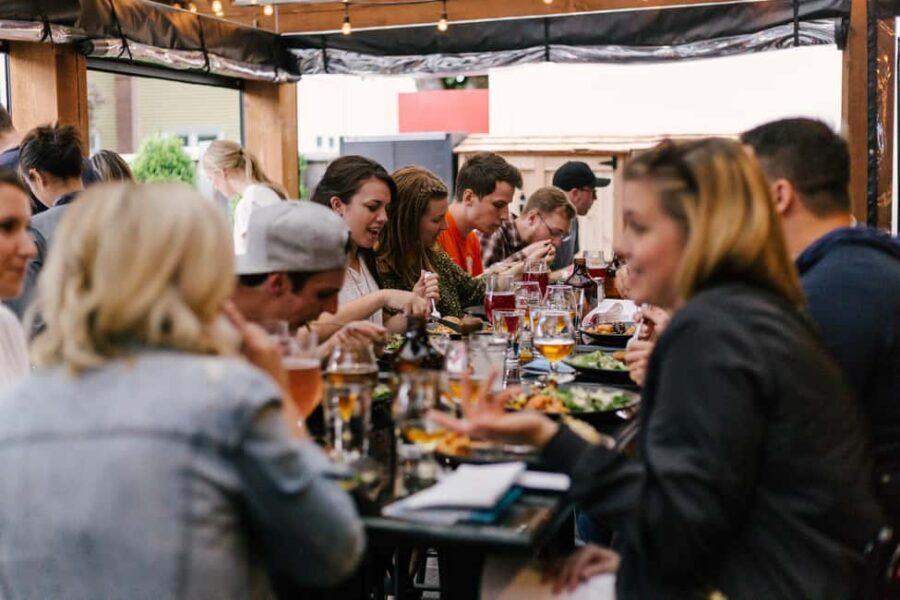
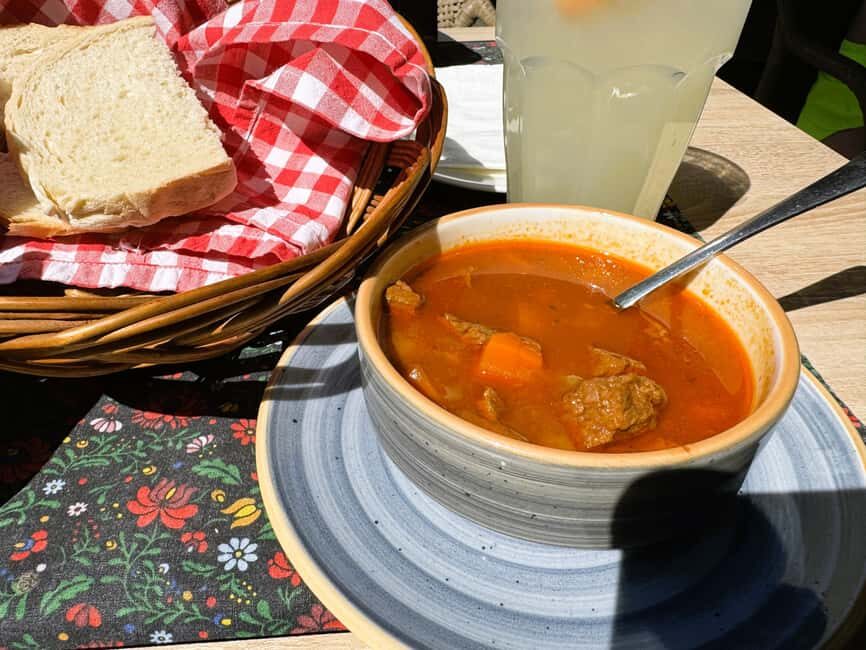
You start with a classic Hungarian opening move: a hearty bowl of goulash. Think deep, savory comfort—meat-forward and thick enough that it feels like it belongs in your hands, not just on a plate. It’s the kind of dish that sets expectations fast: Hungarian cuisine leans bold and filling, and it’s meant to be shared and enjoyed slowly… but your tour version keeps it moving.
Along with the goulash, you get a traditional Hungarian drink. The tour doesn’t spell out the exact pour at this first stop in the details, but the pairing is intentional. Goulash is rich, so you want something that cuts through that weight. You’ll feel that shift when the flavors reset before the next bite.
This first stop is also where the guide’s role shows. The best guides don’t just name dishes—they connect them to everyday Hungarian food culture. Based on what’s consistently praised, that context is a core part of the experience, not an afterthought.
Time reality check: the tastings are slotted (the tour breaks each stop into about a half-hour block). That means you’ll get a solid taste, but not a long, table-service hangout. If you’re the type who likes to study menus for 20 minutes, this tour may feel a bit brisk. If you like momentum, it works well.
Lángos Street Food Stop: Crispy, Topped, and Beer-Paired
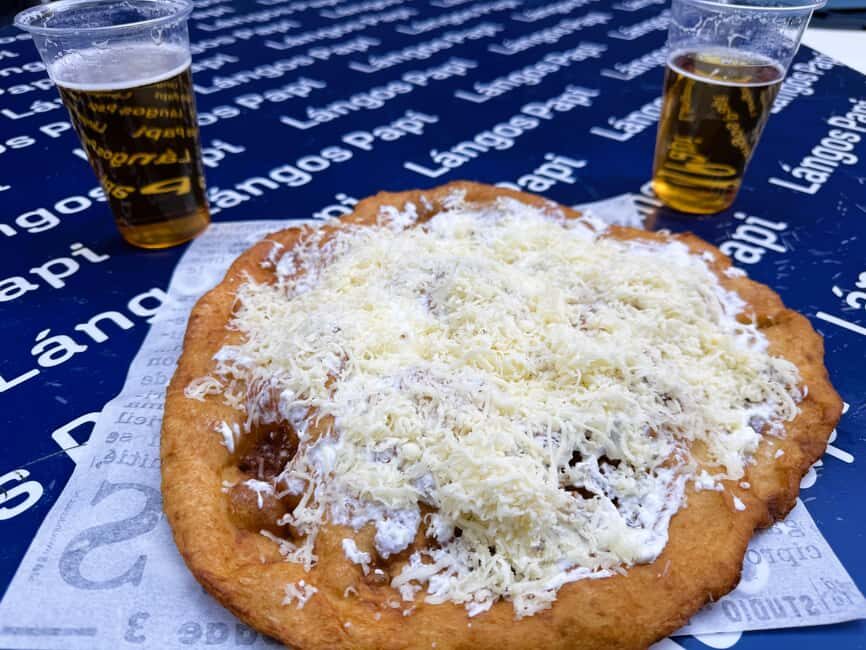
Next comes one of Budapest’s best-loved street foods: lángos. You’ll get it crispy and topped with sour cream and cheese—a combination that’s both simple and addictive. Lángos is one of those foods that’s hard to misinterpret: hot, fried, and indulgent, with that tang from the sour cream and a salty pull from the cheese.
Pairing it with a Hungarian beer is a smart move. Fried food needs something refreshing. The beer brings carbonation and bitterness that keeps the bite from feeling heavy. It also fits the vibe of the stop: this is comfort food meant for everyday hunger, not plated fine-dining.
Why this stop is valuable: it’s a break from “sit, wait, order.” You’re eating something that locals recognize instantly, and the guide helps you understand what you’re tasting and why it’s so common. That’s how you get real value from food tours—less guessing, more tasting with context.
The only thing to watch: there’s a pace to each tasting window. One of the less positive comments highlighted that eating can feel a bit pressured. If you have a slow eating style, do what I do on tours like this: take a first bite quickly, then settle into the experience for the second and third bites.
Sausage and Regional Wine: Rustic Flavor With a Grown-Up Pairing
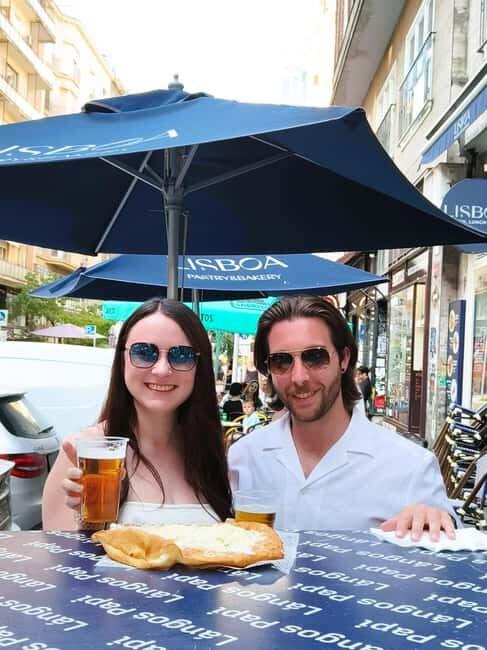
Third stop: traditional Hungarian sausage, paired with a glass of regional wine. This is where the tour shifts from fried comfort to more savory, hearty meat flavors. Hungarian sausage tends to be bold—spiced enough to stand on its own, but not so loud it overwhelms everything else.
Then comes the wine pairing. That’s a key part of why this tour is more than “five snacks.” A regional wine isn’t just a drink add-on—it’s meant to complement fat and spice. You’ll notice the difference between eating sausage plain and eating it alongside something with structure and acidity.
Also, this stop is described as having rustic charm and “local flavor” rather than tourist menus. That’s what you should look for in a Budapest food experience: places where the staff knows what they’re serving and where you’re not watching the kitchen cater to English-language bubble preferences.
If you’re thinking about dietary needs: the details provided don’t list vegetarian or allergy accommodations. You can always ask the operator or guide in advance, but from the tour format described, it’s very meat-forward at key points. Plan accordingly.
Dessert at the Local Bakery: Rétes or What’s Seasonal
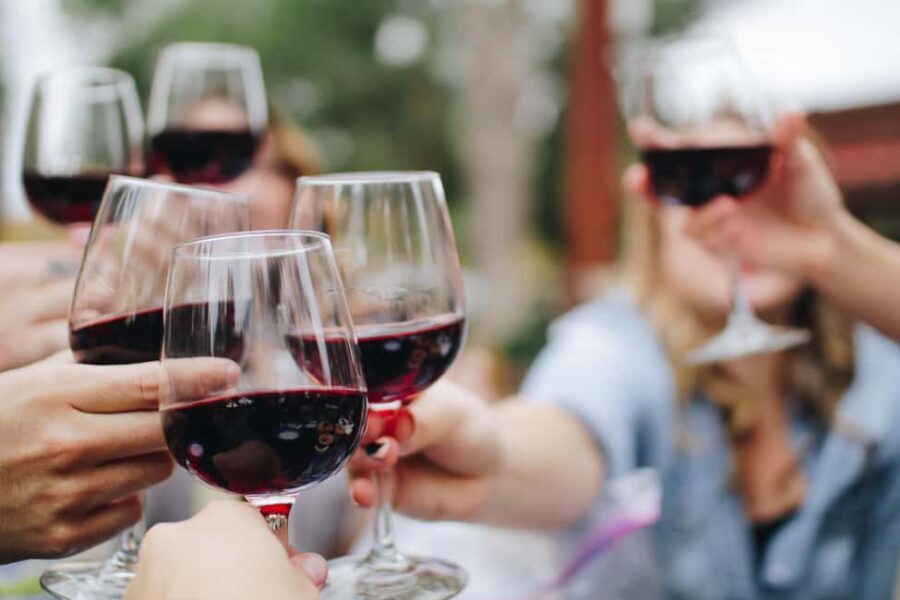
You’ll end up at a local bakery for dessert—time boxed like the other stops, but still clearly treated as a real course, not an afterthought.
The dessert options include rétes (strudel-style Hungarian pastry) or another seasonal treat. This matters because rétes is one of the most recognizable Hungarian sweets, and a seasonal replacement helps you get something that fits the time of year. Either way, you’re leaving with a sense of what Hungarians consider a normal, welcome finish.
Here’s the practical advantage: you’re not just tasting sugar. You’re tasting texture and technique—thin pastry layers or a local seasonal bake, usually with fillings that can be fruit-heavy, nutty, or spiced. If you’ve only had strudel in touristy contexts, this stop is the one that helps you understand what makes Hungarian versions feel distinct.
Tip: don’t overdo it on the goulash plus langos plus beer before dessert. The dessert will still be there, but the best taste happens when your palate is ready.
A few more Budapest tours and experiences worth a look





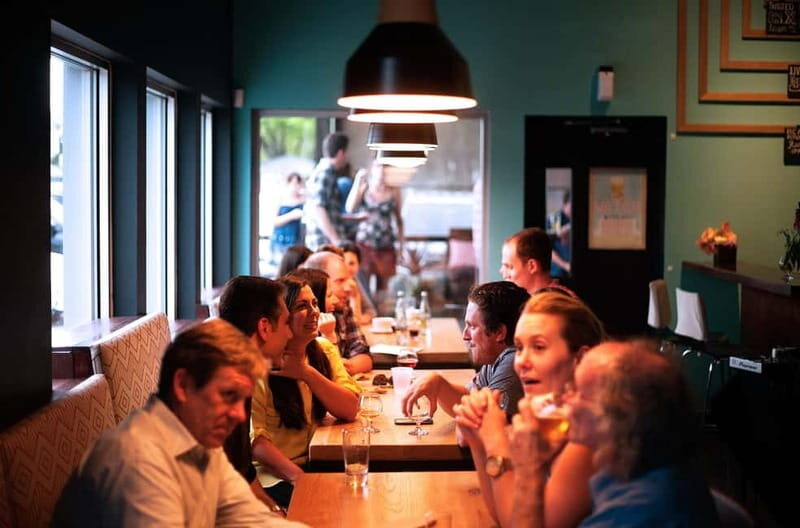
Ruin Bar District Toast: Unicum or Pálinka as the Grand Finale
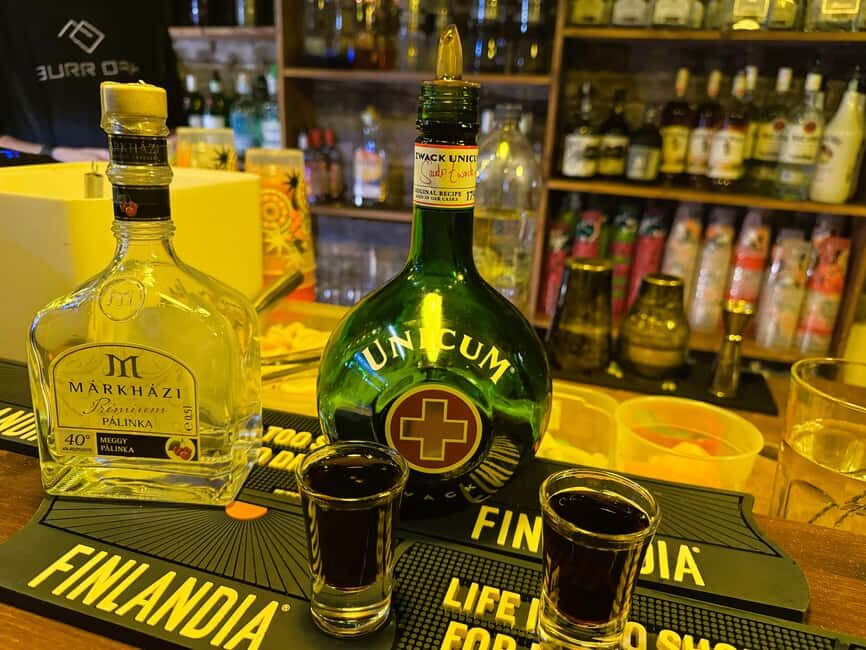
Finally, you head to Budapest’s ruin bar district and toast with a glass of Unicum or Pálinka. This is the final stop at Kazinczy u. 8, 1075 Hungary.
Ruin bars are part attraction, part cultural snapshot. The area is known for its creative, atmospheric nightlife, and this tour uses it in a clever way: you don’t just walk in for one drink and hope for the best. You finish with something Hungarian and strong enough to mark the end of your food trail.
- Unicum is a Hungarian herbal liqueur with a distinctive, bitter-sweet profile.
- Pálinka is fruit brandy, usually served strong and warming.
Either option is a meaningful capstone because they’re iconic Hungarian spirits, and pairing them with the food journey helps the whole day feel connected rather than stitched together.
One small piece of advice: ruin bars can be louder and more crowded than the earlier restaurant stops. If you want a calm moment, pay attention to your pacing—have a quick sip, take in the vibe, and then enjoy the social part.
Price and Logistics: Why $100 Can Make Sense for 3 Hours
At $100 per person for about 3 hours, this is not the cheapest way to eat in Budapest. But it’s also not just paying for walking and conversation.
You’re paying for:
- Five local food spots
- Multiple drink pairings (including beer, regional wine, and Unicum or pálinka)
- A live guide who adds context in English or Spanish
- Small group size (up to 10), which makes it easier to ask questions
- Skip-the-line entry via a separate entrance, which can save time at busy spots
In other words, you’re not only buying tastings—you’re buying the convenience of someone else handling the choices and the flow. If you try to recreate this on your own, it usually turns into a scavenger hunt: finding authentic places, timing them, and remembering where you’ll end up for drinks.
The biggest “cost” isn’t money—it’s eating speed. That time-boxed structure means this tour favors people who enjoy moving from bite to bite. If you’re the type who wants leisurely table service and time for slow conversation at every stop, you might find the pace a bit intense.
Who This Tour Fits Best (and Who Should Rethink It)
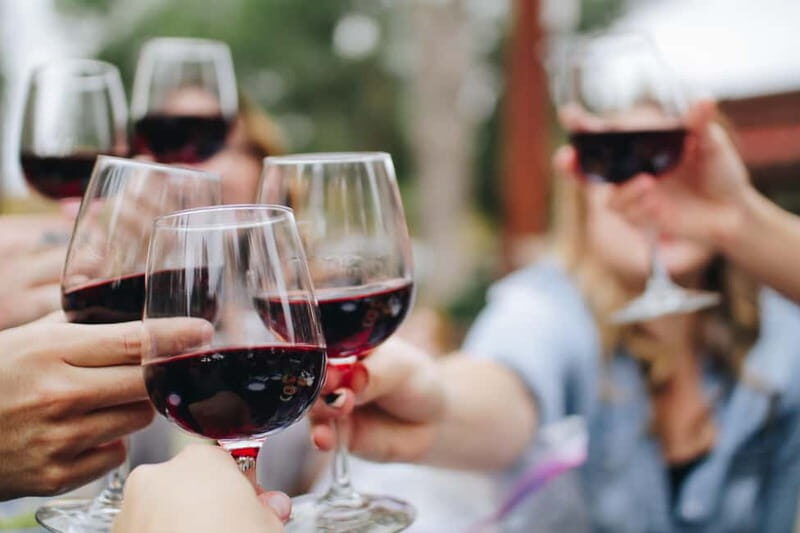
This tour is a great match if:
- you want a focused 3-hour food experience without planning five separate meals
- you like classic Hungarian flavors and want them in a sensible order
- you enjoy a guide who explains food in terms of language and context
- you’re looking for a small group social vibe rather than a mass tour
It’s not the best fit if:
- you need a super slow pace to enjoy food (some stops are time-limited)
- you’re avoiding meat-heavy dishes and don’t want to improvise options
- you want a lot of spare time to wander off after each stop (this tour keeps you moving)
What You’ll Learn About Budapest Through the Food
The real value here isn’t only what you eat—it’s how you understand what you’re eating.
You start with goulash, so you learn the “base language” of Hungarian comfort food: hearty, savory, and built for staying power. Then lángos gives you the street-food side—crispy and direct, the kind of food that belongs to everyday life. Sausage plus regional wine brings you into the more rustic, spiced, adult flavor zone. Dessert (rétes or seasonal) anchors the trip with a Hungarian sweet finish. And the Unicum or pálinka toast ties everything together with a drink that signals Hungary, not generic tourism.
That last part is why I like tours like this: you don’t just leave full. You leave with a clearer sense of taste identity.
Should You Book This Budapest Food Tour?
I’d book it if you’re excited by classic Hungarian comfort food and you want an organized route that includes drinks and a ruin bar finale. The small-group size, the variety of tastings, and the way the guide adds context (including the kind of thoughtful historical and language connection associated with Maria) are strong reasons to choose this over piecing together your own day.
Skip it or choose another format if you hate time pressure while eating. The only real caution from the feedback is that the tastings can feel a bit rushed. If you’re a slow eater, you’ll want to adjust your expectations—grab the bite fast, then enjoy whatever time remains.
FAQ
What is the duration of this Budapest food tour?
The tour lasts 3 hours.
How many stops are included?
You’ll visit five local food spots and then finish with a spirits stop in the ruin bar district.
Where do we meet?
You meet outside Belvárosi Lugas Restaurant, at Bajcsy-Zsilinszky út 15c.
Where does the tour end?
The tour ends in the ruin bar district at Kazinczy u. 8, 1075 Hungary.
What’s included in the tastings and drinks?
You’ll taste local goulash with a traditional Hungarian drink, lángos with sour cream and cheese plus Hungarian beer, traditional Hungarian sausage with regional wine, a Hungarian dessert like rétes or a seasonal treat, and a glass of Unicum or Pálinka.
What languages is the live guide available in?
The guide is available in English and Spanish.
Is this tour a small group?
Yes. It’s limited to 10 participants.
Is transportation included to the meeting point?
No. Transportation to the starting point is not included.