REVIEW · BUDAPEST
Budapest: Cooking School – Hungarian Menu & Local Market
Book on GetYourGuide →Operated by Chefparade cooking school · Bookable on GetYourGuide
Budapest gets real when paprika hits the pan. This 4-hour cooking class pairs a guided trip through Central Market Hall with hands-on cooking at the Chefparade studio, finishing with the meal you make. You’ll also get a welcome taste of palinka and some Unicum before lunch, so the day starts like a proper Hungarian food story.
I like two things most. First, the market visit is more than shopping: you get a short history, then chef-led tastings of staples like kolbász and körözött, which makes the later cooking make sense fast. Second, the class is truly participatory: you cook side-by-side, ask questions in English, and learn practical basics like how Hungarian cooks use spices such as paprika.
One consideration: the meeting point can be confusing if you rely on generic transit directions. Stick to the exact spot: in front of the Central Market Hall at the Burger King, then let the group move from there.
In This Review
- Key highlights worth planning for
- Central Market Hall to Chefparade: the market-to-kitchen plan that actually teaches
- Market tastings that turn Hungarian ingredients from theory into instinct
- Inside Chefparade: hands-on Hungarian cooking with real Q&A
- The 3-course lunch: what you’ll cook, eat, and remember
- The drink welcome: palinka, Unicum, and a Hungarian rhythm
- Small-group format: why you learn faster and eat better
- Transfers and included extras: what makes the price feel fair
- Who this Budapest class is best for
- Should you book this Hungarian menu cooking class?
- FAQ
- Where is the meeting point?
- How long is the cooking class?
- Is the class taught in English?
- How many people are in the group?
- What’s included with the market part?
- What do I cook and eat?
- What if I have dietary restrictions?
Key highlights worth planning for
- Central Market Hall market walk with chef context on what you’re seeing and why it matters
- Guided tastings including kolbász and körözött during the market visit
- Palinka and Unicum welcome timed before your main meal
- Small group size (max 10) so you can actually ask questions while you cook
- A real 3-course lunch cooked by you, plus a glass of wine
- Recipes to take home so you can recreate the menu later
Central Market Hall to Chefparade: the market-to-kitchen plan that actually teaches
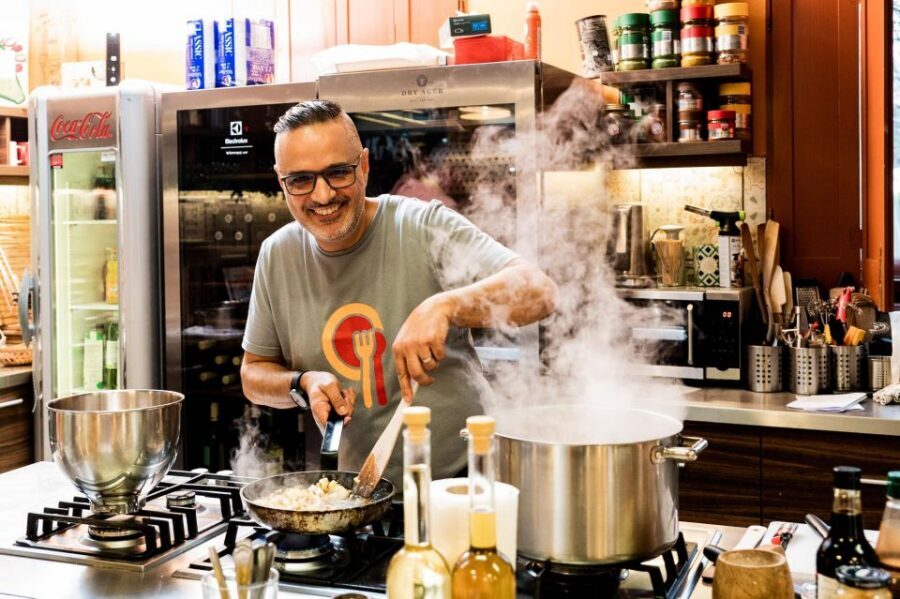
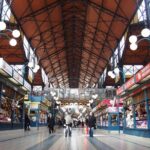
This is one of those Budapest experiences that feels short until you realize you’re doing two smart things in a row: you learn ingredients in the market, then you use them in the kitchen. You start at Central Market Hall, and the guide brings you through a local, food-focused route while sharing background on Hungarian eating habits and common products you’ll cook with later. After that, the group transfers to Chefparade, a modern, well-equipped cooking studio for the hands-on part.
The timing is built for you to finish satisfied. The class runs in the morning and ends with your three-course Hungarian lunch, so you get a complete food experience without needing to plan dinner afterward. If you like your travel days to have a clean storyline—see it, taste it, cook it, eat it—this format fits.
Quick practical note: the meeting point is listed as in front of the Central Market Hall at the Burger King. That matters, because one past group run into confusion about the station name in the description. Your best move is simple: ignore guesswork from your map app and look for the Central Market Hall entrance area by Burger King, then join the small group.
You can also read our reviews of more shopping tours in Budapest
Market tastings that turn Hungarian ingredients from theory into instinct
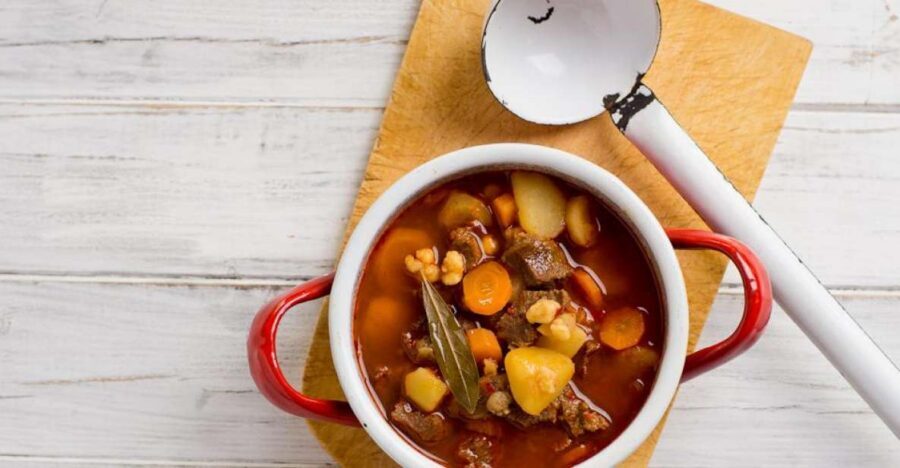
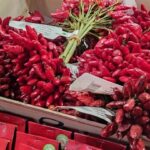
The market portion isn’t just a walk for photos. You get a guided look at a very local Market Hall, and your chef explains basic Hungarian ingredients and traditions as you go. That chef commentary is the glue that connects the market to what you’ll cook next. When you later handle paprika powder or one of the common dairy-based spreads, it stops feeling like random “ingredient roulette.”
You’ll also taste a little platter during the market visit—things like kolbász (Hungarian sausage) and körözött (a creamy spread that’s often made with dairy and flavorings). Even if you’re not a huge sausage person, these tastings help you understand the flavor direction of Hungarian cooking: meat-forward dishes, paprika as a signature spice, and plenty of comfort-food textures.
What I like about the market approach is how it prepares your senses. You’re not trying to memorize a list of products. You’re tasting small samples and learning the names and roles of the ingredients. By the time you reach the cooking studio, you can connect flavor to process, which makes the cooking time feel efficient and rewarding.
Inside Chefparade: hands-on Hungarian cooking with real Q&A
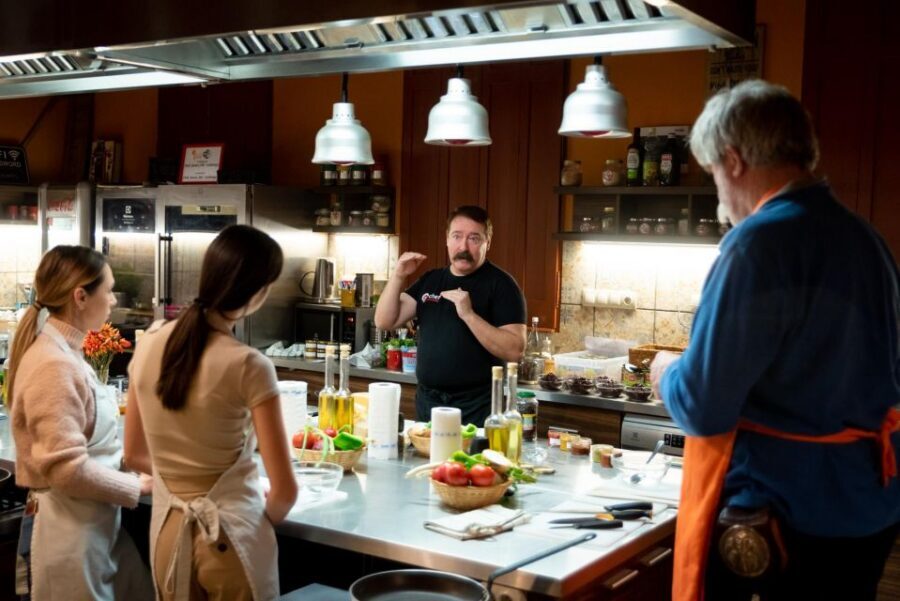
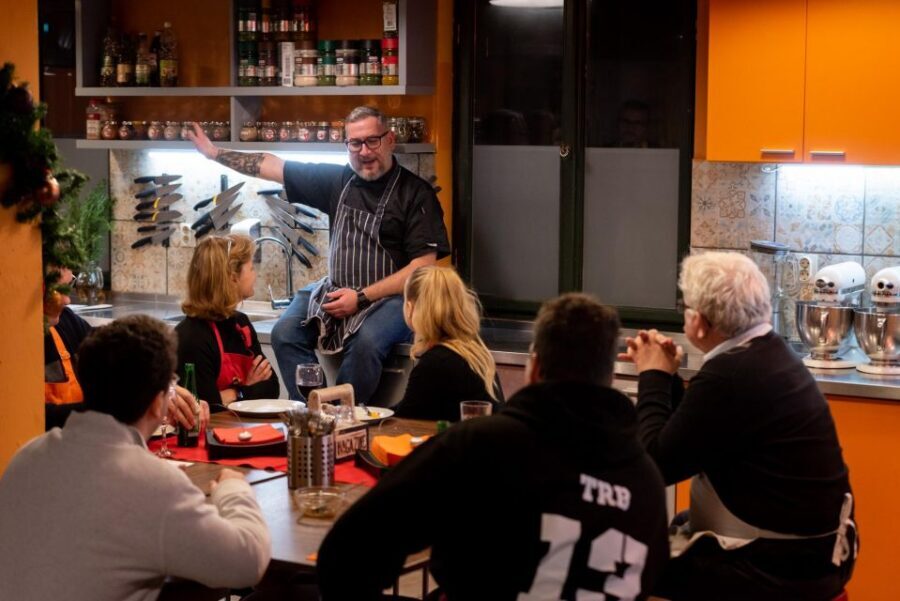
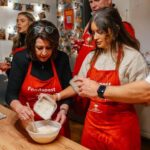
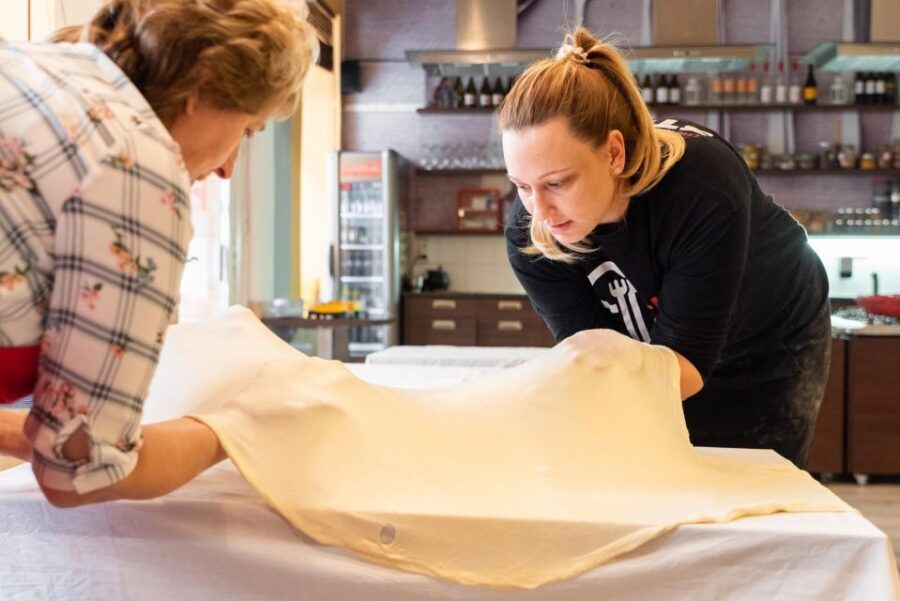
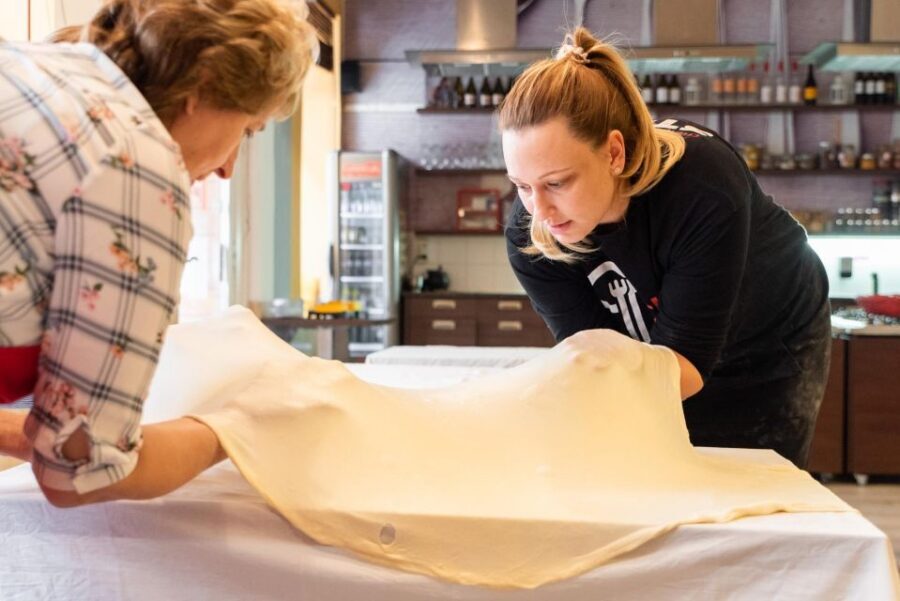
Chefparade describes itself as a contemporary, cosmopolitan studio, and you can feel the “learn by doing” vibe the moment you step in. This isn’t a show where you watch from the sidelines. You wear aprons, work at the stations, and cook alongside the chefs while asking questions in English.
The class is limited to a small group of 10 participants, which is a big deal for this kind of activity. In a larger class, people get rushed or ignored. Here, the format supports close help while you chop, stir, and assemble. That’s how you actually learn technique instead of just copying steps.
You’ll cover Hungarian basics, including how to use ingredients and spices the typical way. A standout example from the class focus is paprika powder, which is one of those “sounds simple” ingredients that changes everything depending on how it’s handled in cooking. You’ll learn practical cooking practices rather than vague advice.
One more plus: the kitchen setup is clean and well stocked, and the overall flow isn’t chaotic. The goal is that you finish with food you recognize as Hungarian classics, not a scramble to “make something edible before time runs out.” The pacing is designed so you cook, then sit down together for the lunch you helped create.
The 3-course lunch: what you’ll cook, eat, and remember
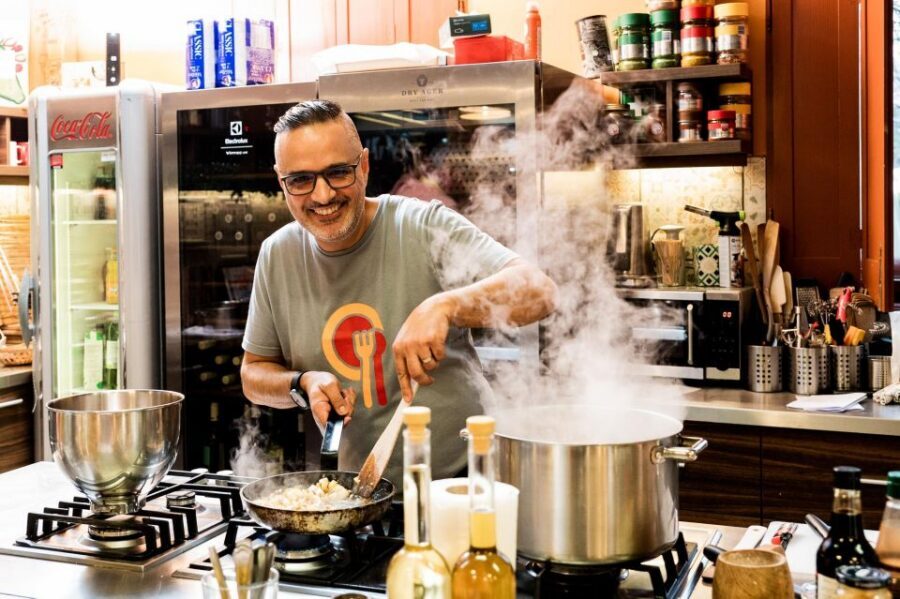
Your lunch is built around a classic Hungarian menu—a three-course meal—and you cook it yourself. The exact dishes can vary, but the examples people commonly make in this class help you understand the range.
From past sessions, groups have cooked:
- Tejfölös krumplileves (creamy potato soup), the kind of bowl that feels like comfort food from day one
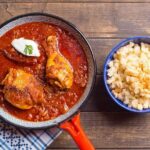
- Csirkepaprikas (chicken paprikash), one of the most iconic Hungarian meals built around paprika and tender chicken
- Meggyes pite (sour cherry pie), a dessert that brings the fruit side of Hungarian flavors into the spotlight
If you’ve heard of paprikash before, this is the class where it becomes personal. You don’t just taste it—you learn the logic behind the flavor structure: paprika flavor, creamy balance, and the slow way dishes come together. And if you’re the kind of eater who likes to understand why something tastes right, the chef-led approach helps.
You’ll also get a few built-in “eat like a local” perks. Your lunch includes a glass of wine, and you’ll have unlimited soft drinks, coffee, and tea during the session. That’s useful in real life because cooking can make you thirsty fast, and it’s nice not to keep asking for refills.
And yes, you’ll get recipes to take home. That matters more than most people think. A cooking class is fun in the moment, but it only becomes travel value if you can recreate the dishes later. Having the recipes means you don’t lose the menu after your holiday photos fade.
The drink welcome: palinka, Unicum, and a Hungarian rhythm
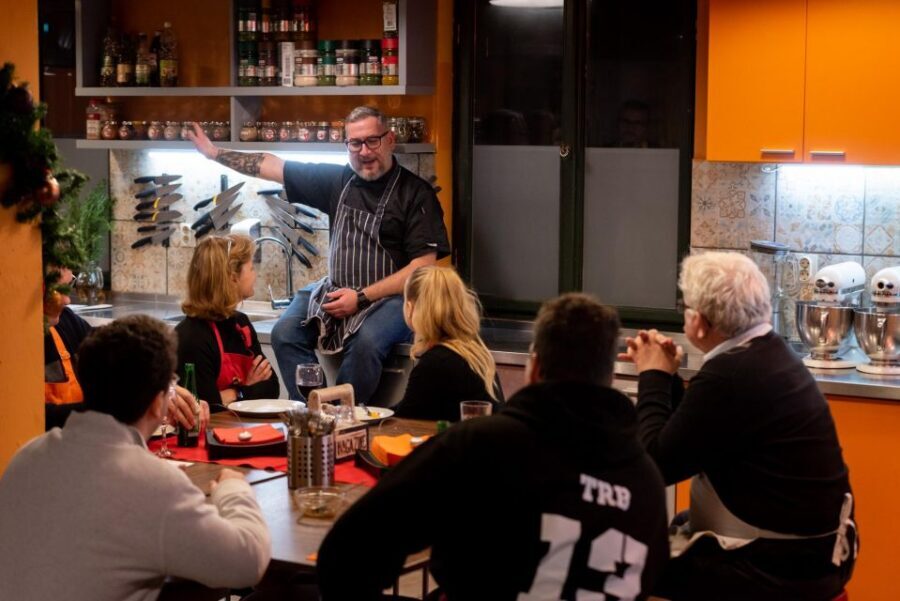
This class starts with taste, not just instruction. You’ll have a fruity palinka while you arrive, and then Unicum before your lunch. It’s part celebration, part introduction to Hungarian drinking culture, and it helps set the tone for the food day.
A practical consideration: not everyone loves alcohol, even in small tastings. The class does include these drinks as part of the experience, so if you don’t want them, plan to communicate that ahead of time. The operator specifically notes that dietary needs or restrictions should be shared, so it’s smart to do the same for anything related to what you can or can’t take.
If you do enjoy tasting local favorites, this is a nice way to experience Hungarian flavors beyond paprika and pastry. The drink ritual also frames the meal as an event, not a lesson you rush through.
A few more Budapest tours and experiences worth a look

Small-group format: why you learn faster and eat better
There’s a reason small groups often feel better: the instructor can actually see what you’re doing. With a maximum of 10 participants, you’re close enough to your chef that questions don’t get lost. You’re also close enough to other cooks that the day feels social in a relaxed way.
The experience is also organized so it doesn’t feel rushed. People have praised the execution and pace, and that shows in a class like this: when the group isn’t sprinting, you can focus on technique—timing, seasoning, and assembling the meal.
One delightful extra: celebrations can happen naturally in this format. A past group even marked a birthday together as part of the shared lunch time. That’s the kind of detail you only get when the atmosphere stays friendly and seated-long enough for real conversation.
If you’re the type who hates being stuck with a phone at the table, this is the antidote. You cook, you taste, and then you sit down together.
Transfers and included extras: what makes the price feel fair
At $170 per person for about 4 hours, this isn’t a “cheap and cheerful” activity. But it also isn’t just a cooking demo. Your price is doing several jobs at once:
- A guided walk in Central Market Hall with tastings (not just a sightseeing stroll)
- A transfer from the market to the cooking school
- Use of aprons and time in a fully equipped kitchen
- A complete 3-course lunch, including a glass of wine
- Unlimited soft drinks, coffee, and tea
- Recipes to take home
When you look at it like that, the cost starts to look more like paying for an organized food day with instruction and ingredients already built in. You’re not separately paying for market browsing, cooking instruction, and meals. You’re paying for one integrated experience that teaches you and feeds you.
Also, the small group size helps the value. You’re not paying the same amount for a crowded room where you only get a glance at the chef.
Who this Budapest class is best for
This is a strong fit if you want more than a restaurant meal. You’re learning how Hungarian dishes are constructed, not just eating a plate that might taste great but leaves you with no method.
You’ll especially enjoy it if:
- You’re a first-timer to Hungarian cuisine and want the basics in a practical, friendly format
- You like markets and want ingredient context before you cook
- You want a memorable Budapest activity that ends with you sitting down to a full lunch
- You prefer English instruction and small-group interaction
If your goal is something ultra-early in the day and then free afternoon time, the morning schedule helps. If your goal is a relaxed dinner plan, note that you’ll be done by late morning/early afternoon with your lunch finished.
Should you book this Hungarian menu cooking class?
I’d book it if you want a Budapest food experience that feels both local and useful. The market start at Central Market Hall, the hands-on cooking at Chefparade, and the fact that you eat a 3-course lunch you made is a strong “learn + taste + repeat later” combination.
Skip it (or ask questions first) if you strongly dislike alcohol tastings, or if you get anxious about meeting points and prefer lots of signposting. The meeting place is clear, but you’ll want to follow it carefully.
If you go, do one simple thing: show up with curiosity about ingredients. The chef-led tastings in the market—like kolbász and körözött—are what make the kitchen portion click. Then you’ll leave with dinner skills that actually transfer back home.
FAQ
Where is the meeting point?
Meet in front of the Central Market Hall at the Burger King.
How long is the cooking class?
The experience lasts 4 hours.
Is the class taught in English?
Yes, the instructor is English-speaking.
How many people are in the group?
It’s a small group limited to 10 participants.
What’s included with the market part?
You’ll get a guided tour in a local market hall plus tastings of Hungarian appetizers during the visit.
What do I cook and eat?
You’ll prepare a traditional 3-course Hungarian menu and finish with a lunch that you cooked yourself. A glass of wine is included with lunch.
What if I have dietary restrictions?
Contact the tour operator with your dietary needs or restrictions. They say they will come up with a menu that suits your diet.
If you tell me your food preferences (and any restrictions), I can help you decide whether the likely menu style fits what you want from Budapest.