History walks with you here. This Jewish Quarter tour strings together war-era memorials and major synagogue architecture into one efficient 3-hour route, with an English guide and a mobile ticket you can keep on your phone. It’s a strong way to see the area without feeling lost in streets full of cafés and bars.
I especially like the way the tour turns big, heavy topics into something you can stand in front of and understand—like the Raoul Wallenberg memorial and the ghetto wall exhibits. I also like the synagogue focus: you get real architectural variety, from Moorish styling to Orthodox interior details, not just one building.
One thing to watch: the tour name can sound like you automatically get Great Synagogue entry, but the ticket inclusion depends on the exact version you book. If you pick the more affordable option, you may be walking by synagogues without going inside.
In This Review
- Key highlights (what makes this walk worth your time)
- From Erzsébet tér to Dohány Street: how this route works
- Raoul Wallenberg Suitcase Memorial: why this start matters
- Madách Imre Square: the gateway feel of the Quarter
- Synagogue exteriors that actually teach: Rumbach Street and Kazinczy Street
- Rumbach Street Synagogue (about 15 minutes)
- Kazinczy Street Orthodox Synagogue (about 10 minutes)
- The ghetto wall fragment and the exhibition: the emotional core
- Gozsdu Udvar and Király Street: where the neighborhood still moves
- The Ghetto Memorial Wall near Dohány Street
- Dohány Street Synagogue and the Great Synagogue ticket reality check
- Guides, group size, and that human pace you want
- Walking logistics: what 3 hours feels like on the ground
- Price and value: why $18.06 can be a good deal
- Who this tour suits (and who might want a different option)
- Should you book this Jewish Quarter tour?
- FAQ
- Does this tour include entry to the Great Synagogue?
- What’s the duration and walking time?
- Is the tour in English, and do I get a mobile ticket?
- How many people are in the group?
- What admissions are included during the tour?
- Can I cancel, and when do I need to decide?
Key highlights (what makes this walk worth your time)
- Raoul Wallenberg Suitcase Memorial: courage in bronze, with a story that sets the tone fast
- Ghetto wall fragment + exhibition: the one stop where ticketed admission is included
- Moorish and Art Nouveau synagogue architecture: Otto Wagner and stained glass details, seen up close
- Small group (max 10) and pace control: easier conversations, fewer “hold up” moments
- Király Street and Gozsdu Udvar: history plus modern Jewish Quarter nightlife energy
- English guide: practical, story-led explanations as you walk
From Erzsébet tér to Dohány Street: how this route works
You start at the Ferris Wheel of Budapest on Erzsébet tér (Erzsébet tér, 1051). That’s a handy launch point because it puts you near the river side of the city center, and you can orient quickly before the Jewish Quarter streets begin to thread together.
Expect about 3 hours of walking. This is not a sit-and-read tour. You’ll move at a steady, human pace and hit a sequence of memorials, squares, and synagogue exteriors (with some interiors depending on the ticket version you booked). The good news: because the group is limited to 10 people, you’re less likely to feel like you’re being rushed or stuck behind a crowd.
The ending is at Dohány Street Synagogue area (Dohány u. 2, 1074). If your main goal is inside-the-building time at the biggest synagogue, read the ticket details carefully (more on that below).
A few more Budapest tours and experiences worth a look



Raoul Wallenberg Suitcase Memorial: why this start matters
The walk opens at the Raoul Wallenberg Suitcase Memorial. It honors the Swedish diplomat who helped save thousands of Hungarian Jews during World War II. The centerpiece is a bronze suitcase, meant to symbolize both the mystery of Wallenberg’s disappearance and the lasting impact of his courage.
This stop is only around 10 minutes, but it does an important job: it frames what you’re about to see. Instead of starting with architecture or storefronts, you begin with a person you can connect to. For many first-time visitors, that makes everything that follows feel more grounded and less like “checklist sightseeing.”
Practical tip: take your time with the symbolism here. It’s short, and it’s worth slowing down for 30–60 seconds even if you usually don’t.
Madách Imre Square: the gateway feel of the Quarter
Next up is Madách Imre Square (Madách Imre Ter). It’s a smaller, local square with cafés and bars around it, but it’s also a gateway: you’re in the zone where the old Jewish Quarter street pattern shows through, and it quickly helps you understand the area’s “history + everyday life” mix.
This is another 10-minute stop. It’s not about one single artifact. It’s about orientation—how the streets connect, how the neighborhood feels now, and how the walking route links memorial sites without getting boring.
Synagogue exteriors that actually teach: Rumbach Street and Kazinczy Street
Two synagogue stops shape a lot of what you’ll remember about this tour.
Rumbach Street Synagogue (about 15 minutes)
The Rumbach Street Synagogue is a standout visually. It’s Moorish-style, designed by Austrian architect Otto Wagner, and built in 1872. The building has been restored, and it functions as a cultural space and memorial, so you’re not just looking at a pretty façade. You’re seeing a living space tied to memory.
Admission here is marked as not included, so expect a guided look rather than a full inside visit.
A few more Budapest tours and experiences worth a look

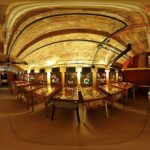


Kazinczy Street Orthodox Synagogue (about 10 minutes)
Then you’ll get Kazinczy Street Orthodox Synagogue, described as a center for Budapest’s Orthodox Jewish community. The architecture is Art Nouveau, built in the 1910s, and you can focus on details like stained glass and intricate interior woodwork (again, admission is not included).
Even if you can’t go inside, the guide’s context makes these exteriors worth stopping for. It helps you notice things you’d otherwise miss—materials, style influences, and what kind of community created the space.
Practical note: if your main goal is maximum time inside multiple synagogues, this might feel a bit exterior-heavy unless you booked the entry version for the big one.
The ghetto wall fragment and the exhibition: the emotional core
The most important stop on this route is the Jewish Ghetto Wall Fragment in Budapest, plus the nearby Ghetto Wall Exhibition.
This is about 30 minutes, and this is the one place where admission is included. The wall fragment is one of the last remaining pieces of the wall that enclosed the ghetto during World War II. Nearby, the exhibition gives you historical context with photos, documents, and personal stories.
This stop is heavy, and it’s supposed to be. The value here isn’t just seeing a wall section. It’s understanding how the ghetto system functioned and how ordinary lives were squeezed into a controlled space. With the guide’s running commentary, it becomes less abstract than museum panels alone.
Practical tip: wear comfortable shoes here. You’ll likely do a bit more looking and standing than at the outdoor stops.
Gozsdu Udvar and Király Street: where the neighborhood still moves
At Gozsdu Udvar and the nearby Király Street area, the tone shifts. This part of the walk is about the Jewish Quarter as it exists now: historic buildings, cafés, and ruin bars. It used to be the commercial heart of the Quarter, and today you can feel that everyday momentum around you.
This stop is about 15 minutes and marked as free admission. It’s a nice breather after the wall and exhibition, and it’s also a useful reality check: this neighborhood wasn’t frozen in 1944. People returned, rebuilt, and kept living.
If you want a quick plan for later, this is a good place to remember names like Gozsdu so you know where you are when you decide whether to grab dinner or a drink after the tour.
The Ghetto Memorial Wall near Dohány Street
You’ll then visit the Ghetto Memorial Wall, a solemn tribute to victims of the Jewish ghetto during World War II. It preserves a section of the original ghetto wall, and it sits near the Dohány Street Synagogue area.
This is a short stop (about 10 minutes) with free admission. It helps connect the exhibition material to the streets around you. You’ll feel the route tightening into a clear pattern: remembrance sites are physically close, not scattered across the city like random monuments.
Dohány Street Synagogue and the Great Synagogue ticket reality check
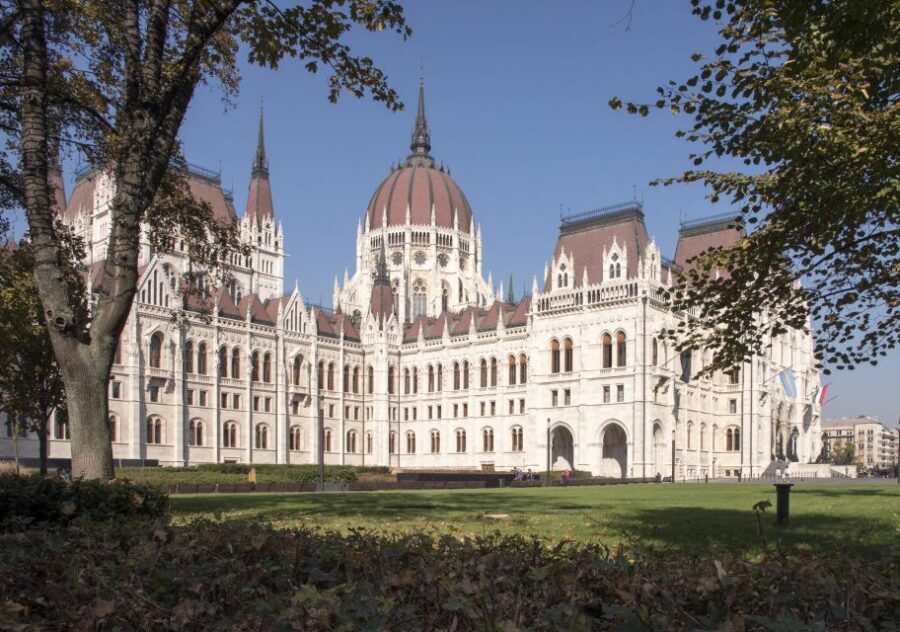
You end near Dohány Street Synagogue, the best-known synagogue in Budapest and the largest synagogue in Europe. The building is Moorish Revival, built in 1859, and it serves multiple roles: religious center, Holocaust memorial, cemetery, and museum.
Here’s the key issue: the tour description may imply you’ve bought a skip-the-line Great Synagogue ticket, but the experience you get can differ depending on your selected version. One version includes synagogue entry; another, more affordable option may not include it. That mismatch is exactly what caused confusion for at least one past booking, even though the guide still provided a lot of helpful context.
So, before you go, check what you specifically booked:
- If your version includes entry, you’ll spend more time inside the main synagogue complex.
- If it does not, you’ll still get the story and architectural focus, but you may mostly see the area around the synagogue rather than fully entering.
This matters because you’re paying for time and access. The route is thoughtful either way, but the “Great Synagogue” part is where the biggest difference shows up.
Guides, group size, and that human pace you want
One of the best parts of this walk is how the guide handles the group. The tour runs with a maximum of 10 travelers, which makes it easier to keep conversations flowing and keep your pace from getting chopped up.
In the guide feedback I’ve seen, people singled out Brigi Malik and Claudia for moving at the pace of the group and for explaining history through stories rather than just facts. That’s what you want here: synagogues and memorials can feel overwhelming if they’re presented like a textbook.
Language is English, and the format works well if you like Q-and-A or just want clear explanations at each stop rather than a lecture.
Walking logistics: what 3 hours feels like on the ground
Plan for steady walking. Even if you’re fit, the best advice is simple: wear comfortable shoes and don’t treat it like a quick photo sprint.
Past feedback also suggests that this route doesn’t include the Shoes on the Danube memorial. The geography doesn’t fit into this exact walking sequence, so if that’s high on your list, schedule it separately for a different time window.
A smart strategy: do this walk earlier in your Budapest trip so you understand the Quarter’s layout. Then you can add extra stops like Shoes on the Danube afterward with better confidence.
Price and value: why $18.06 can be a good deal
At $18.06 per person, this tour can be good value if you’re getting what matters to you:
- You’re paying for a guided walk that stitches together major sights and themes.
- One ticketed component is included: the ghetto wall fragment and the nearby exhibition.
- Several stops are free (like the Raoul Wallenberg memorial and the ghetto memorial wall).
The main value question is the synagogue entry piece. If you booked the version that includes the Great Synagogue access, you’ll feel like you’re getting the full experience. If you booked a version without that entry, you’ll still learn a lot, but you may wish you had planned more time for interior museum-style visits elsewhere.
Who this tour suits (and who might want a different option)
I think this is a great match if you:
- Like guided explanations at memorial sites and don’t want to guess your way through history
- Care about synagogue architecture and want context as you look at buildings
- Prefer a small-group walk where a guide can adjust to your pace
I’d steer you toward a different option if you:
- Want a long, inside-focused synagogue program with lots of separate tickets
- Get frustrated by uncertainty around what’s included when a tour title sounds like guaranteed entry
Should you book this Jewish Quarter tour?
If you want an organized, story-driven walk through Budapest’s most meaningful Jewish sites—with one strong ticketed stop at the ghetto wall exhibition—this is a solid booking. The small group size helps a lot, and the guide-led storytelling is a clear highlight, especially with guides like Brigi Malik and Claudia.
My one caution is to double-check the Great Synagogue ticket status before you confirm. If you’re expecting entry but booked the version without it, you’ll feel shortchanged. If you book the entry version (or you’re happy with exterior-focused synagogue viewing), you’ll likely come away with a much clearer, more human understanding of the Quarter.
FAQ
Does this tour include entry to the Great Synagogue?
It depends on the version you choose. One version includes entry to the Great Synagogue, and another more affordable version does not include the synagogue ticket.
What’s the duration and walking time?
The tour is about 3 hours and involves walking between multiple stops, so plan for a paced but active sightseeing walk.
Is the tour in English, and do I get a mobile ticket?
Yes. The tour is offered in English, and you receive a mobile ticket.
How many people are in the group?
The tour has a maximum of 10 travelers, which helps keep the experience manageable.
What admissions are included during the tour?
Admission is included for the Jewish Ghetto Wall Fragment stop and its nearby Ghetto Wall Exhibition. Several other synagogue stops are listed with admission not included.
Can I cancel, and when do I need to decide?
You can cancel for a full refund up to 24 hours before the experience’s start time. Confirmation is received at booking, and free cancellation is available within that window.
If you tell me which version you’re considering (with or without the synagogue ticket), I can help you decide what else to schedule that day so your “must-sees” all fit smoothly.