REVIEW · BUDAPEST
Budapest City Segway / Sightseeing Tours Buda+Pest
Book on Viator →Operated by ABC Segway Tours Budapest · Bookable on Viator
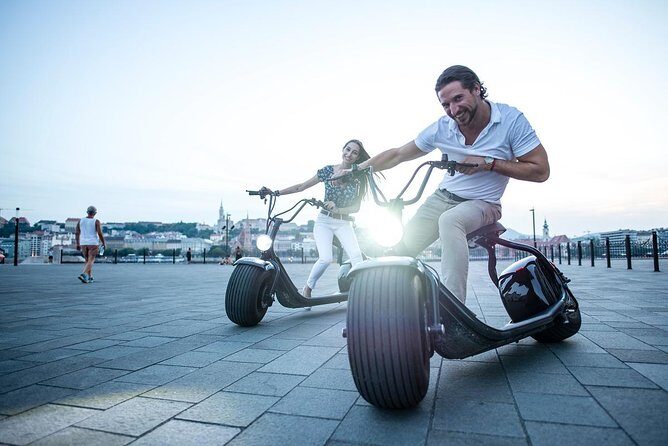
Budapest on a Segway feels like you’re cheating time. You glide between major sights with a guide and quick history stops, so you’re not stuck walking, waiting, or threading through crowds. I especially like the mix of big-picture orientation and practical pacing, plus the way guides help you nail the basics fast, like Raed and Erik are known for doing.
Two things I’d call out right away are the 15–20 minute training (so you actually feel steady) and the included photo and video at the best spots. One potential drawback: you’re still on a Segway, so if you’re not comfortable balancing or you’d rather do long, slow museum time, a short “hit the highlights” format may not scratch that itch.
In This Review
- Key Points That Matter Before You Roll On
- How a Segway Tour Gets You Oriented in Budapest Fast
- The Training: Where First-Timers Gain Real Control
- Your Route in Plain English: Major Landmarks, Short Stops, Big Views
- Museum of Military History
- Fisherman’s Bastion and the Buda Castle Complex
- Hungarian Parliament Building
- Chain Bridge Area and Danube Landmark Views
- St. Stephen’s Basilica
- Andrássy Avenue
- Elisabeth Bridge, Margaret Island, and More River Crossing Energy
- Hungarian State Opera and Heroes’ Square
- Margaret Bridge and the Bath Stop Angle
- Budapest Eye and Central Market Hall
- Matthias Church and Gellért Hill
- Vajdahunyad Castle and St. Elizabeth Statue
- Citadella and Shoes on the Danube Bank
- Gellért Thermal Bath and House of Terror Museum
- Hungarian National Museum and Opera / Central Icons Continuation
- The Real Value: Time, Route Design, and Photo Help
- What to Wear, How Long It Actually Feels, and Weather Reality
- Who This Tour Suits Best (and Who Might Prefer Something Else)
- Price and Value: Why $47.18 Can Make Sense
- Should You Book the Budapest City Segway Buda+Pest Tour?
- FAQ
- What language is the tour offered in?
- How long is the Segway tour?
- Is there training before riding?
- Are helmets included?
- What’s the minimum age and weight for children?
- Where does the tour start and end?
- Is cancellation free if I change my plans?
Key Points That Matter Before You Roll On
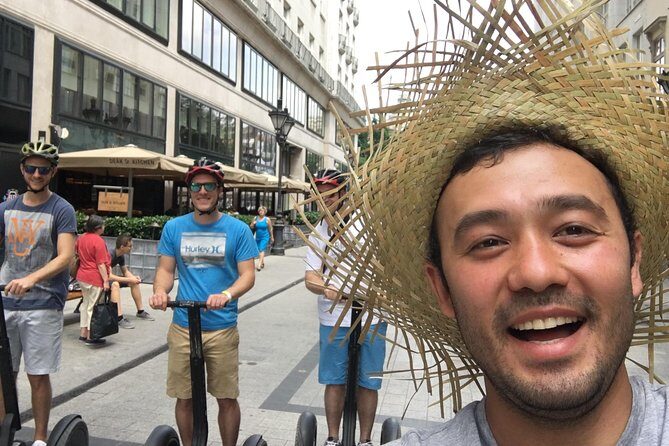
- Short training, fast confidence: helmets on, then 15–20 minutes of instruction before you start sightseeing.
- A guide who manages safety first: names like Raed and Erik show up in feedback for clear control and calm coaching.
- Cycle-path friendly routing: the ride is often set up to feel safer than you’d expect in a big city.
- Photo and video included: you’re not just stopping for snaps; your guide helps you get the shots.
- Many icons in one run: Chain Bridge, Buda Castle area, Parliament, Basilica, Heroes’ Square, and more.
- Group size stays small: maximum 14 travelers helps keep things moving.
How a Segway Tour Gets You Oriented in Budapest Fast
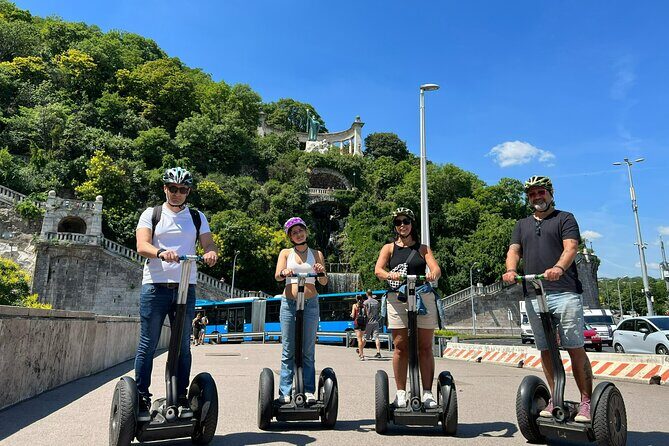
Budapest is a city where the views are half the story. With this Segway tour, you get the “wow” moments without spending your whole day moving one foot at a time. You’ll cover both sides of the river—Buda and Pest—so it’s a strong way to understand where landmarks sit relative to each other.
I also like that the experience is built for beginners. The training is not an afterthought, and the route style (often linked to cycle paths) helps you feel less stressed than you might on foot. You’re paying for time saved, plus guidance that turns simple sightseeing into a quick, usable mental map.
The other thing you get is a guide-led storyline. The stops are stacked with landmark-level context: rulers, revolutions, bridges, opera, baths, and the museums that explain why the city looks the way it does.
You can also read our reviews of more city tours in Budapest



The Training: Where First-Timers Gain Real Control
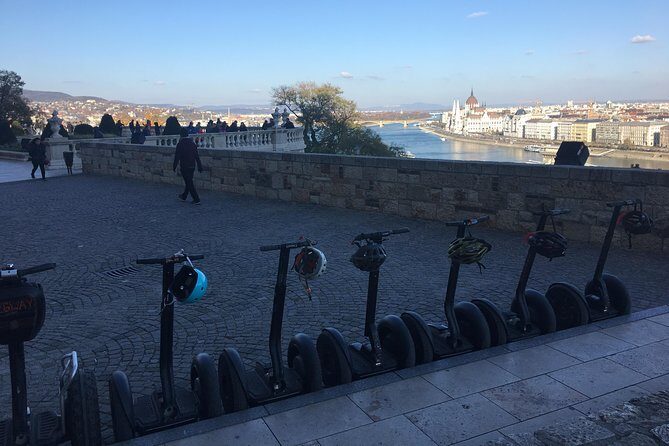
Before you see anything, you start with Segway instruction and a training window of about 15–20 minutes. Helmets are compulsory and included, so you don’t have to scramble for gear. If weather turns, gloves and a raincoat can be provided if necessary.
What matters here is confidence. The tour format gives you time to learn control before you’re mixing with more sights and more “pretty but busy” areas. The feedback highlights guides who are patient and safety-focused, which is exactly what you want if you’re new.
If you’re thinking, I’m scared I’ll tip over, that’s normal. The smartest move is to listen closely during training, practice slowly when told, and don’t rush turns just because you want to get moving again.
Your Route in Plain English: Major Landmarks, Short Stops, Big Views
The tour runs roughly 1 to 5 hours, and the itinerary is designed around quick, efficient stops (often around 5 minutes each). That means you’ll see a lot, but you won’t treat each location like a full museum visit.
Also, the order matters. The ride flows from one iconic area to the next, so you get broad coverage in a single outing, without wasting half your day on logistics.
Here’s what you can expect as the route moves through the city:
Museum of Military History
You’ll start with a stop near the Museum of Military History, which sets a “why Budapest became Budapest” tone early. It’s a good warm-up stop if you like understanding the city’s past beyond just pretty buildings.
Quick heads-up: a 5-minute photo pause isn’t a museum deep dive. If you want to read every plaque, you’ll need to plan a separate visit.
Fisherman’s Bastion and the Buda Castle Complex
Next up is Fisherman’s Bastion, one of the most recognizable viewpoints in Budapest. From here, the Danube and the skyline are the star, and the Segway approach saves you from long uphill walks right away.
After that, you roll into the Buda Castle area. This is the royal complex zone—architecture, courtyards, and hilltop views that explain why people still treat this part of the city like the main stage.
Because stops are brief, your goal is to get your photos, take in the angles, and let your guide frame what you’re looking at. You can always return later with more time.





Hungarian Parliament Building
Then you reach the Hungarian Parliament Building. This is one of those places where the exterior itself tells a story—mass, symmetry, and the sense of national identity packed into stone.
A 5-minute stop is short, but it’s enough to understand why this is a must-see landmark and to get your “right perspective” shots.
Chain Bridge Area and Danube Landmark Views
From there, you get a stop at the Chain Bridge lion statues area. The Chain Bridge is iconic for a reason: it’s a visual hinge between districts, and the views from the bridge area are the kind you’ll remember long after your trip.
This is also a “get your bearings” stop. If you’re trying to orient yourself on the map of Budapest, the bridge helps everything click.
St. Stephen’s Basilica
Next is St. Stephen’s Basilica. Even if you don’t go inside, it’s a key landmark for understanding Budapest’s religious and architectural identity. The building’s scale makes it hard to ignore, and the guide commentary helps you spot what you might otherwise miss.
If you’re hoping for a full interior visit, consider using the Segway tour as your prelude, then return later.
Andrássy Avenue
You’ll then pass through Andrássy Avenue, known for its elegant, boulevard feel and notable buildings (including the State Opera House in the mix). Think of it as your “this city has style” corridor.
This stop is great for photos and quick atmosphere. It’s not the place to shop for hours unless you’re skipping the rest of the itinerary.
Elisabeth Bridge, Margaret Island, and More River Crossing Energy
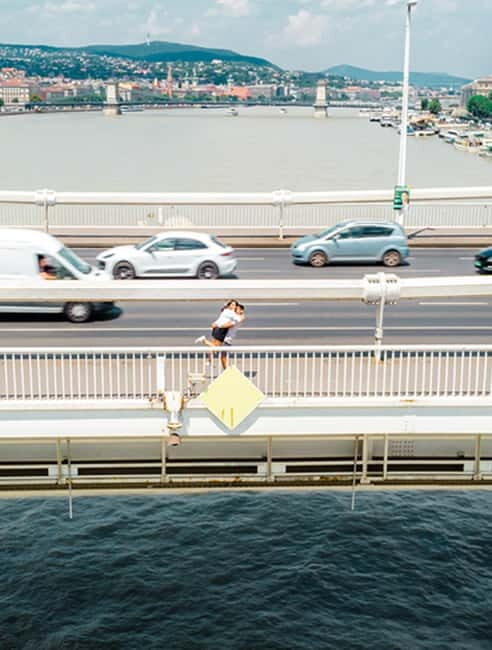
After Andrássy Avenue, you’ll hit Elisabeth Bridge and then move toward Margaret Island. These stops give you a sense of how the Danube structures daily life in Budapest, not just sightseeing.
The island area is especially nice if you like parks and open space. You get a calmer contrast to the major buildings.
Hungarian State Opera and Heroes’ Square
Then you roll by the Hungarian State Opera House, followed by Heroes’ Square. This duo covers two different kinds of grandeur: performing arts architecture and monument-scale national symbolism.
Because the stops are short, focus on getting one strong look from a good angle. If you want deeper exploration, you’ll have plenty of reasons to come back.
Margaret Bridge and the Bath Stop Angle
You’ll also see Margaret Bridge (a French-designed link) and then a major “Budapest classic” stop: Széchenyi Baths and pool area.
If you’re visiting in a warm season, the baths can feel like part of the city’s outdoors culture. If you’re visiting in cooler months, you’ll probably find yourself wanting to come back and plan a bath session with actual soak time.
Budapest Eye and Central Market Hall
Later in the route: Budapest Eye (the Ferris wheel) and Central Market Hall. These are both practical “food and view” anchors, even if your time here is brief.
Market Hall lovers will want more time than a quick stop provides. Still, it’s an excellent chance to decide what you want to come back for: snacks, souvenirs, or a specific Hungarian food you can’t find elsewhere.
Matthias Church and Gellért Hill
Next you’ll reach Matthias Church, another hilltop icon. It’s a great pairing with what you see around it: details, towers, and a skyline-friendly position.
Then the route heads to Gellért Hill and the Gellért Hill Cave area. These add a different texture than the riverfront landmarks—more geology, viewpoints, and the sense of a city built on layered terrain.
Again, 5 minutes is mostly for photos and context. If you’re into hiking or want to explore caves or viewpoints properly, treat this as a taste.
Vajdahunyad Castle and St. Elizabeth Statue
You’ll also pass Vajdahunyad Castle, a spot that often feels like a mix of architectural eras and a fun photo stop. Then there’s St. Elizabeth Statue, which helps round out the city’s “public art meets major landmark” vibe.
This part of the route is ideal for grabbing shots and then moving on—because Budapest can overwhelm you if you try to slow down too much.
Citadella and Shoes on the Danube Bank
From there, the tour reaches two stops that hit harder: Citadella on Gellért Hill and Shoes on the Danube Bank memorial.
Citadella is mostly about views. The memorial is about memory and place. You’ll get a guided explanation so you’re not just standing in front of a landmark, but understanding what it represents.
This is one reason I think this tour works even beyond sightseeing. It gives you a way to acknowledge history without turning the whole day into a textbook.
Gellért Thermal Bath and House of Terror Museum
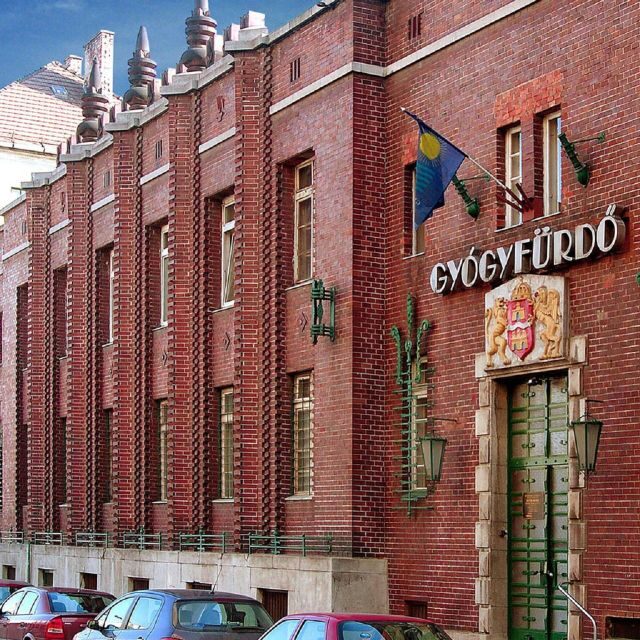
You’ll also stop by Gellért Thermal Bath and then House of Terror Museum. That pairing is interesting: one is the city’s famous spa culture; the other is a sobering reminder of 20th-century repression.
Expect the tour to handle these stops with short, guided context rather than extended reading. If either museum calls to you, you can use the Segway tour to decide what you want to schedule next.
Hungarian National Museum and Opera / Central Icons Continuation
The itinerary also includes the Hungarian National Museum stop, and it circles through major civic and cultural nodes like the Opera House area and Heroes’ Square again.
The “why” is orientation. After you’ve seen these, you’ll understand where you’d want to spend more time later.
The Real Value: Time, Route Design, and Photo Help
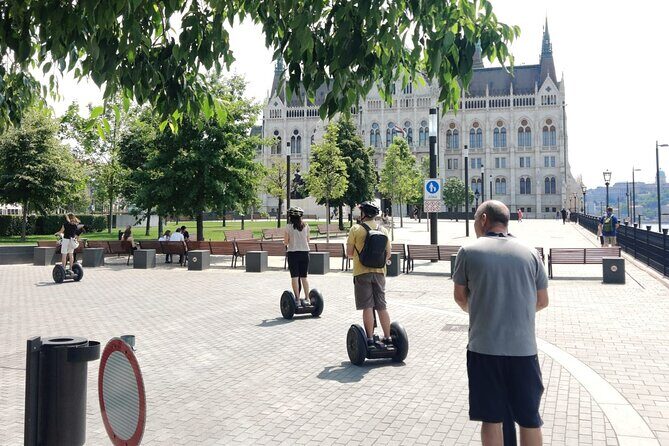
The biggest value here is that you compress a huge amount of sightseeing into one guided session. You’re paying for the Segway ride experience, the guide, and the training that makes it usable.
A lot of Budapest walking routes feel like punishment after a day or two. On a Segway, your effort goes toward steering and enjoying the ride. That’s why the tour is often recommended as a first-day or early-trip activity.
The included photo and video at best spots also changes the experience. You don’t have to ask strangers or fumble with your phone at the exact moment a perfect angle appears. Your guide helps you position for photos, and that saves time and frustration.
Also, the itinerary’s “many stops, short time” structure is built for rhythm. You’ll get a series of quick hits that build momentum, then you can choose what to return to later.
What to Wear, How Long It Actually Feels, and Weather Reality
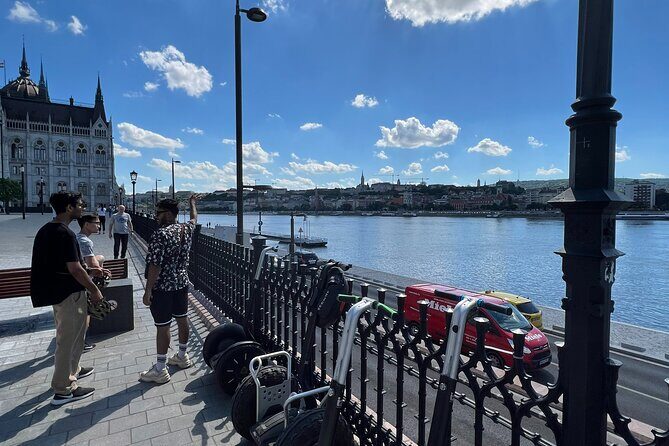
This is an outdoor tour. Even if you’re covering a lot, you’ll still be outside while you roll from stop to stop, often around 5-minute windows.
So dress for Budapest conditions and wear comfortable shoes. If it’s cold, you might find that guides help you think ahead about warmth. If it rains, gloves and a raincoat can be provided if needed.
Your attention matters too. A Segway is easy once you’re trained, but you still want to follow instructions carefully. I’d treat it like riding a bike in traffic: be ready, pay attention, and don’t multitask with your feet.
Who This Tour Suits Best (and Who Might Prefer Something Else)
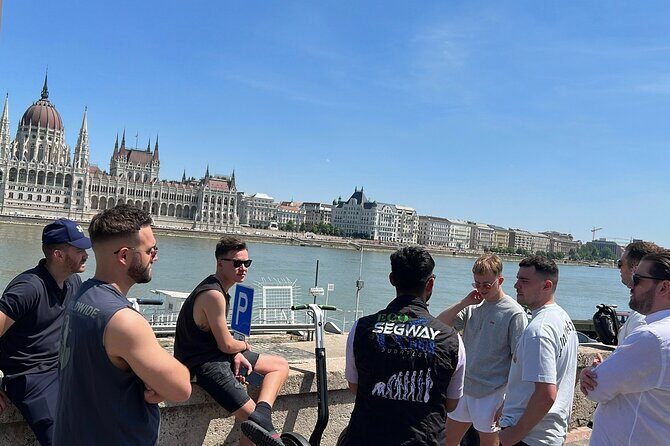
This tour fits you if you want:
- A fast orientation to Budapest’s two sides (Buda and Pest)
- An efficient way to see major icons without exhausting walking
- A beginner-friendly intro with training and helmets included
- A guide-led route with short stops and photo moments
It may not fit as well if you:
- Want long, unhurried time inside museums or churches
- Prefer a purely on-foot experience with lots of exploring at your own pace
- Are uncomfortable balancing for a moving ride, even after training
That said, many first-timers do fine because the tour is designed around getting you ready before you start.
Price and Value: Why $47.18 Can Make Sense
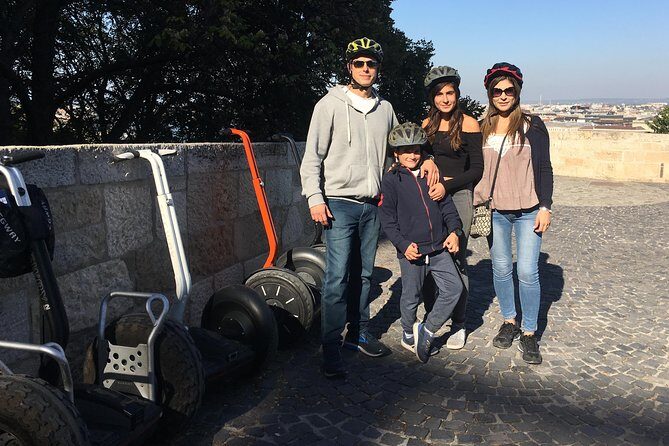
At about $47.18 per person, you’re not just buying transportation. You’re buying:
- A trained instructor session and ongoing guide support
- A guided route built around top attractions
- Helmet use included
- Photo and video support at key moments
- A plan that covers both Buda and Pest icons in one outing
Admission for the listed stops is shown as free in the itinerary format, which helps keep the day predictable. And because you’re not paying for each sight separately (at least for what’s covered in the tour stops), the value comes from the experience itself: time saved and guidance provided.
The “mental math” is simple: if you’d otherwise spend hours traveling between areas and lining up at viewpoints, the Segway ride compresses that effort into a guided run.
Should You Book the Budapest City Segway Buda+Pest Tour?
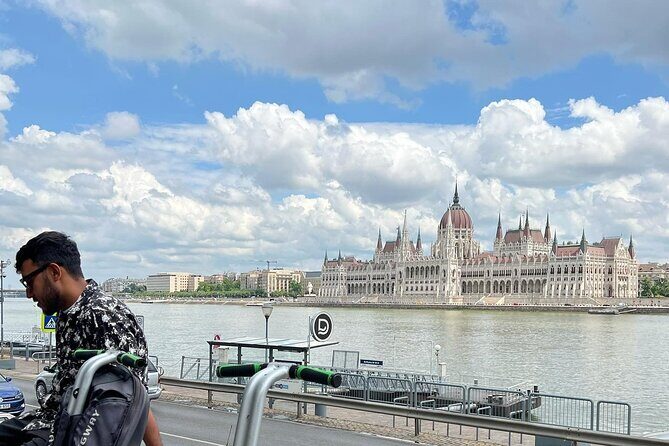
I’d book this if you want a beginner-safe way to get a lot of Budapest highlights in a single day, without turning your trip into a leg workout. The training first setup is the make-or-break detail, and the route’s focus on major landmarks plus photo stops makes it a strong early-trip activity.
I would not book it if your priority is deep museum time or you strongly dislike moving on a guided ride. In that case, you’ll likely do better with a slower walking tour or museum-focused day.
If you’re on the fence, choose the duration that matches your energy. Shorter options are best when you want the hits and a fast orientation. Longer options make sense when you want more stops and more photos without rushing.
FAQ
What language is the tour offered in?
The tour is offered in English.
How long is the Segway tour?
The duration is listed as 1 to 5 hours (approximately), depending on the option you book.
Is there training before riding?
Yes. The training normally lasts 15–20 minutes, and it happens before you start sightseeing.
Are helmets included?
Yes. Helmets are provided and are compulsory.
What’s the minimum age and weight for children?
Children must be at least 8 years old and weigh at least 35 kg.
Where does the tour start and end?
The meeting point is Budapest, Zoltán u. 11, 1054 Hungary, and the tour ends back at the same meeting point.
Is cancellation free if I change my plans?
Yes. Free cancellation is available up to 24 hours in advance for a full refund.