REVIEW · BUDAPEST
Budapest: All in One Walking Tour with Strudel House Stop
Book on GetYourGuide →Operated by Absolute Tours · Bookable on GetYourGuide
Budapest in a single brisk sweep. I like how this route ties together Pest landmarks and Buda panoramas in one tight loop, and I also love the Strudel House break with coffee as a real mid-tour reset. When the guide is in full storyteller mode, like Greg or Andi, the history lands without turning into a lecture.
One thing to plan around: this is a packed tour and it keeps interiors mostly off the menu. You’ll get great views and context, but you shouldn’t expect to wander inside churches or buildings on your own schedule.
In This Review
- Key things to know before you go
- Getting oriented fast: Opera House start and the metro hop
- Heroes’ Square and Városliget: statues, Expo-era architecture, and park scale
- Practical note
- Szechenyi Bath House: why Budapest’s bathing culture is more than a gimmick
- St. Stephen’s Basilica and the Elizabeth Square approach
- Strudel House reality check
- Szabadság Square to Parliament: river-to-classic-Budapest viewpoints
- Chain Bridge to Buda: Danube views and a shuttle up to the Castle area
- Matthias Church and Fisherman’s Bastion: the panorama payoff
- Pace, comfort, and what this tour includes (and doesn’t)
- Who this tour fits best (and who should choose differently)
- Should you book this Budapest All-in-One tour?
- FAQ
- Where is the meeting point?
- How long is the tour?
- What does the tour include for food and drink?
- Is public transportation included?
- Does the tour include entrance tickets to churches or buildings?
- How much walking is involved?
- What happens if it rains?
- Is there an audio system or headphones?
- What group size should I expect?
- Is it only for adults?
Key things to know before you go
- Two-city mix in 3.5 hours: Pest sights, then Buda viewpoints, all in one outing
- Strudel House stop is built in: strudel plus a drink breaks up the walking
- Metro and public transit included: you cover more ground without burning time
- Churches are for looking, not entering: you’ll see key exteriors and surroundings
- Small group (10 max): easier Q&A and less crowd pressure on photo stops
Getting oriented fast: Opera House start and the metro hop
You meet at the Hungarian State Opera House steps on Andrássy Avenue. It’s a great starting point because you’re already on one of Budapest’s grandest boulevards, where the architecture does a lot of the explaining before the guide even speaks.
From there, the tour uses public transport early. You’ll take a short ride on the Millennium metro to reach the big postcard areas around Heroes’ Square and the city park. That matters for value: Budapest has a lot of sight density, but walking time can quietly eat your whole day. Here, transit keeps the pace brisk while still feeling like a sightseeing tour, not a hurried bus ride.
You also get a good rhythm right away: brief photo stops, short walking segments, and guided context that’s tied to what you’re seeing in the street.
You can also read our reviews of more walking tours in Budapest


Heroes’ Square and Városliget: statues, Expo-era architecture, and park scale
Heroes’ Square is the obvious headline, but the tour doesn’t just treat it like a photo wall. You’ll get guided history and culture through the monument’s line of statues, which is exactly the kind of shortcut that helps you understand why the square looks the way it does.
Then you move into Városliget, Budapest’s major city park. The best part here is the switch from stone symbolism to breathing-room scale. The tour keeps it moving, but the park gives you that mental reset you need before the next wave of monuments.
A highlight is Vajdahunyad Castle, a complex built for the World Expo in 1896. The castle is a bit of a time machine: you get the feeling of Hungarian architectural styles without the time cost of longer museum visits. Even if you don’t go inside (and you won’t on this outing), it’s still a strong stop because the exterior composition is part of the experience.
Practical note
Bring comfortable shoes and plan for a solid walk. This isn’t a slow “stroll and browse” format; it’s more like a curated route where you’re always going to the next best view.
Szechenyi Bath House: why Budapest’s bathing culture is more than a gimmick
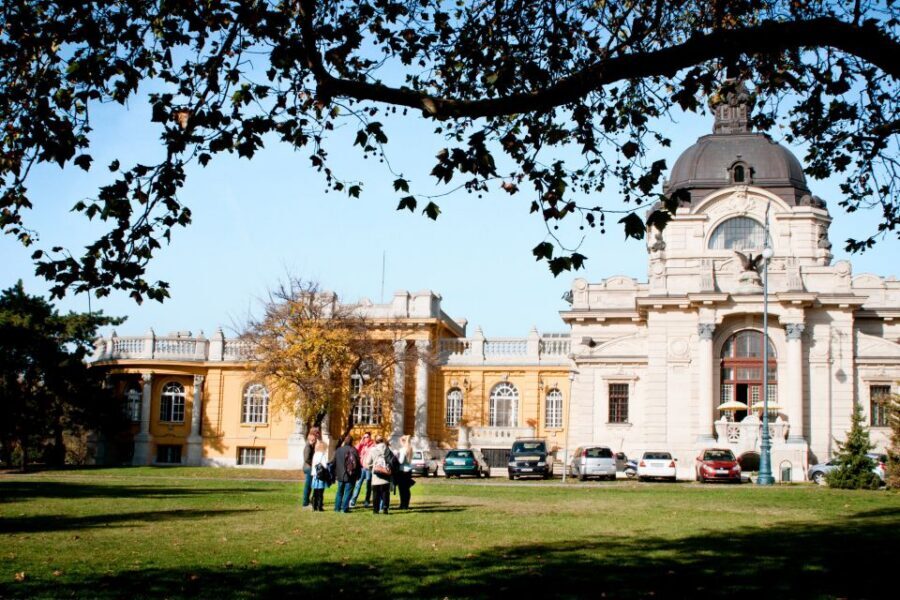
One of the most useful things you’ll learn is how bathing fits into Hungarian life—not just as a tourist activity, but as a tradition tied to daily rhythms and the city’s identity.
The tour includes a stop at the Szechenyi Bath House area for a photo stop and short explanation. It’s brief, and that’s the tradeoff of a 3.5-hour overview. But the benefit is you’ll know what you’re looking at before you decide whether to schedule your own longer bath session later.
If you’re trying to build an efficient first trip, this is smart. You get the cultural context on the spot, so you can pick the right bath plan for your remaining days instead of guessing.
St. Stephen’s Basilica and the Elizabeth Square approach
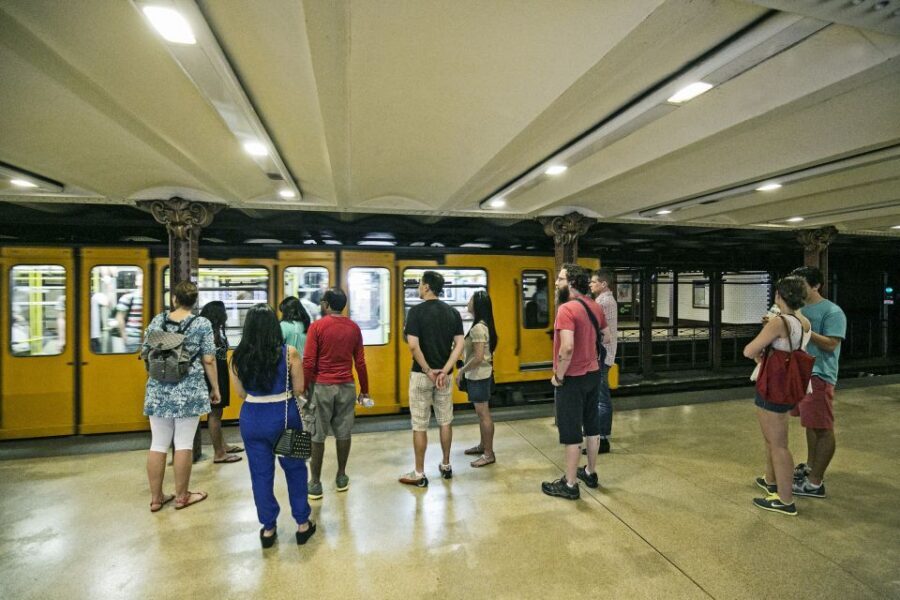
After the park and castle area, the route shifts toward central landmarks. You’ll ride transit again and continue toward Elizabeth Square, then reach St. Stephen’s Basilica.
This is one of those places where you’ll understand why the basilica gets so much attention: from outside, the setting and massing are impressive, and the surrounding streets help you see how the church anchors the city’s pedestrian flow. The tour keeps it to a short sightseeing stop, so your time is focused on getting oriented and capturing key angles rather than turning it into a long detour.
Then comes a built-in break: a café stop at the Strudel House for Hungarian pastry and coffee. This isn’t just a snack stop you could recreate on your own; it’s positioned as a reset at the moment the walking starts to feel “real.” When the tour hits this timing well, it makes the rest of the sightseeing much easier.





Strudel House reality check
You’re getting strudel and a drink included, and it’s typically generous enough that people often find it hard to finish it all in one sitting. If you’re the type who wants a full meal, pace yourself—this is still a pastry break, not dinner.
Szabadság Square to Parliament: river-to-classic-Budapest viewpoints

Next up is the stretch where Budapest starts feeling like a postcard factory. You’ll pass through Szabadság Square, then head to the Hungarian Parliament Building.
At Parliament, the tour is designed for impact: photo opportunities plus guided sightseeing while you take in how the building sits along the urban axis. The best part is that this stop doesn’t feel isolated. The guide connects what you see to how Budapest’s story changed over time, so you’re not just memorizing facts while standing on a sidewalk.
You’ll also get a sense of why this area is central for views of the river and the Buda side. The guide sets you up for that next leg, where the route aims straight for the riverbank.
Chain Bridge to Buda: Danube views and a shuttle up to the Castle area
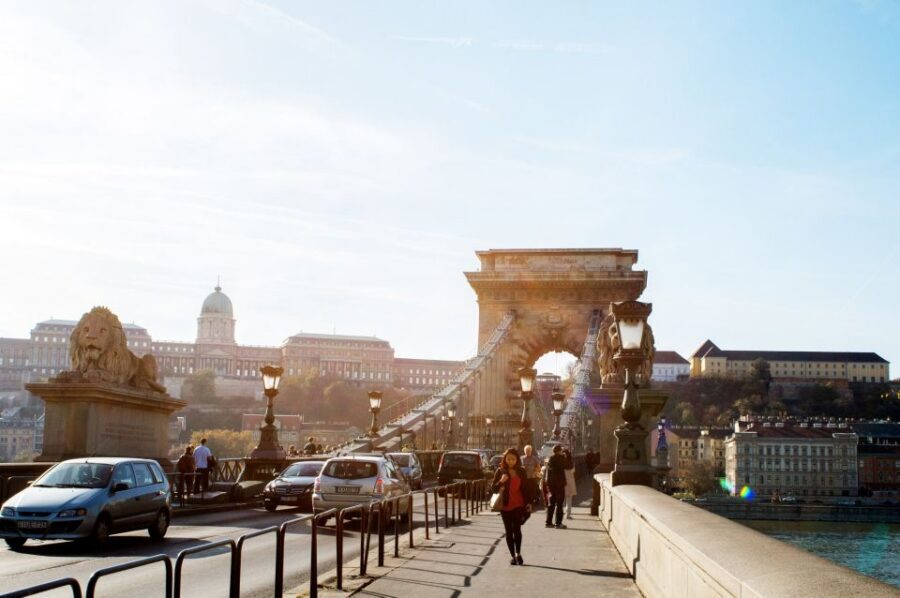
From Parliament, you walk along the riverbank toward Chain Bridge. It’s a short segment, but it’s the kind of walk you’ll remember because you’re moving while the city opens up around you—water in the middle distance, big buildings on both banks, and the sense that Budapest is built on dramatic geography.
Then you cross the bridge to the Buda side and take a shuttle to the Castle area. That shuttle step is a value-maker. Without it, the uphill segments could steal time and energy from the best viewpoints.
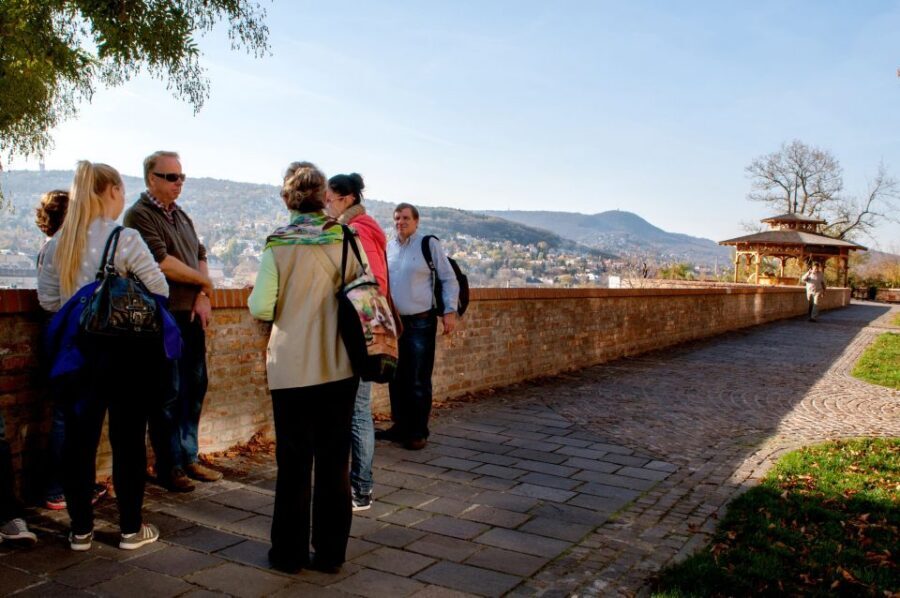
Once you’re in the Castle area, the terrain changes: cobblestone streets and steeper walking slow your pace naturally. The tour still keeps you moving, but it feels like you’re arriving somewhere historic rather than just passing through.
Matthias Church and Fisherman’s Bastion: the panorama payoff
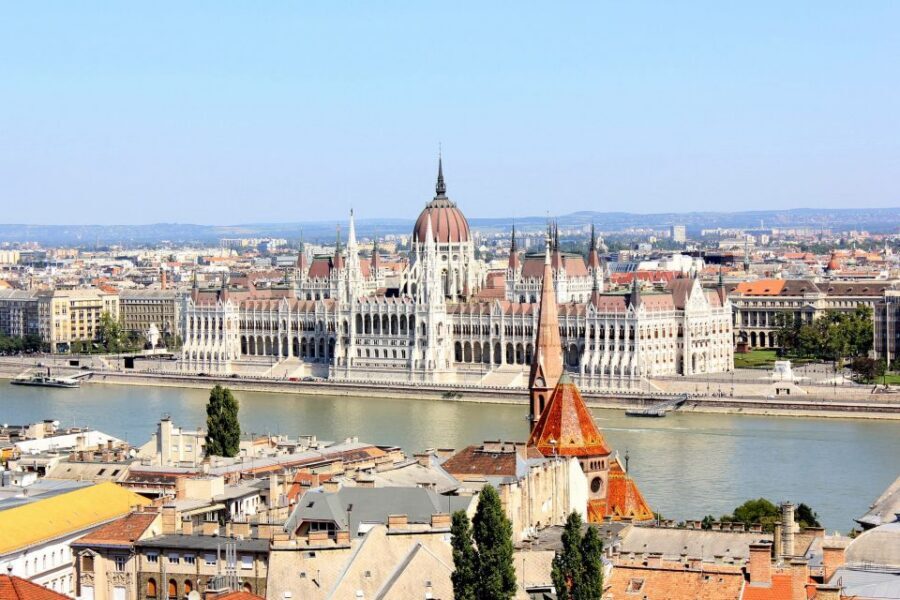
This is the part many people came for: Matthias Church and Fisherman’s Bastion.
Matthias Church is approached with photo stops and guided sightseeing, focusing on exterior features and the context around the castle district. You’ll get viewpoints that show why the neighborhood is so photogenic—even if you never enter buildings.
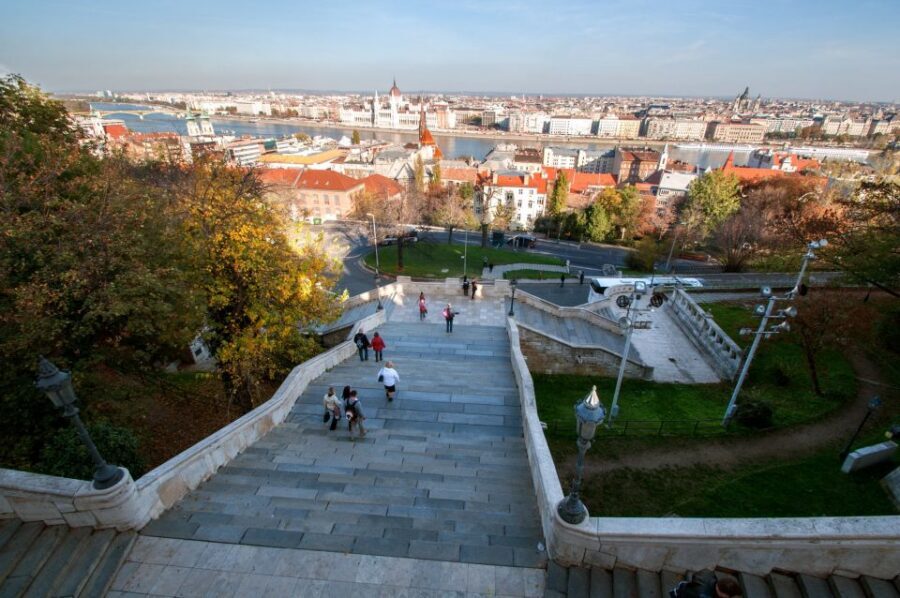
Then the tour ends at Fisherman’s Bastion with scenic views on the way and a final panorama stop. This is where the whole tour route makes sense. After Pest’s monuments and the river crossing, the Bastion gives you a big, clean look across the Danube and back toward central Budapest.
If your schedule is short, this is a smart ending point because you can walk around the area afterward on your own at the exact moment you’re most likely to want extra photos.
Pace, comfort, and what this tour includes (and doesn’t)
This is a fast but not chaotic route. The walking component is about 3 hours total, roughly 6 km / 4 miles, with short stops built in. You should dress for the weather because the tour runs rain or shine.
A few practical details that help you enjoy it more:
- No audio gear or headphones are used, so you’ll want to position yourself where you can hear clearly.
- No large luggage or bags—this keeps the group moving smoothly.
- Churches and buildings are not entered as part of the tour, so don’t plan to treat this like an “inside” sightseeing day.
What’s included is the real value:
- A licensed English guide
- Strudel and a drink at the Strudel House
- Public transport ticket(s) during the tour, plus an extra single ticket to return to Pest downtown
- Small group size: 10 participants max, which makes questions and pacing feel more human
Who this tour fits best (and who should choose differently)
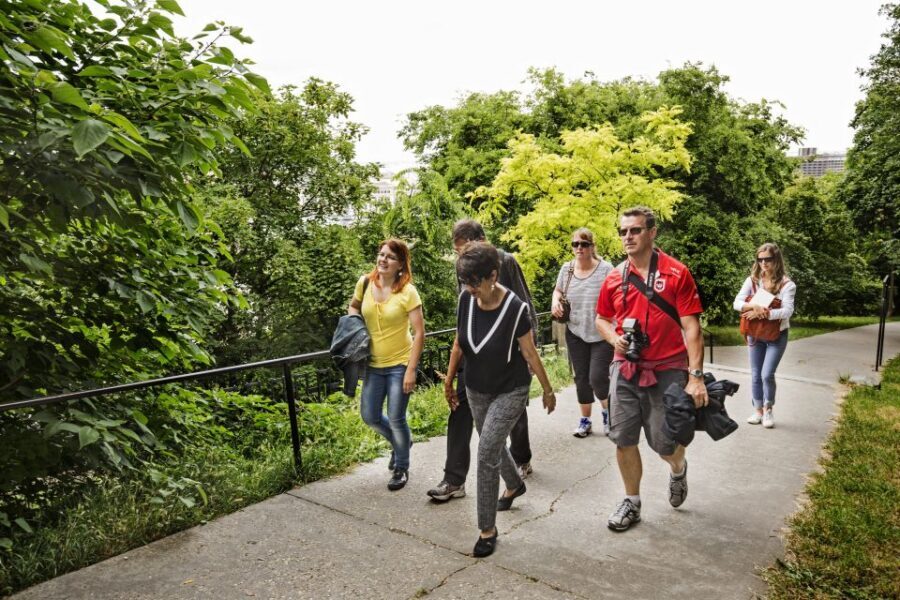
This walking tour is ideal if you want a first-trip overview and like the feel of moving through neighborhoods with a guide. You’ll especially enjoy it if you like:
- A tight route that hits the big sights without needing to plan transit and timing yourself
- Outdoor sightseeing with strong photo stops
- A cultural thread that connects monuments, architecture, and Budapest’s identity
It may not be for you if:
- You need accessibility support for mobility limitations (this isn’t positioned for that)
- You have medical conditions that make walking and uneven terrain hard
- You want long interior visits (this tour keeps to exteriors)
Should you book this Budapest All-in-One tour?
I’d book it if you’re doing Budapest for a short stay and you want to get your bearings fast—Heroes’ Square, Parliament, St. Stephen’s Basilica, then up to the Castle District for the big views. The included transit and the included Strudel House stop make it feel like a complete outing, not just a walk with optional food.
I wouldn’t book it if your top priority is interior access. This tour is designed to show you the city’s key shapes and streets, not to replace a museum day or a church interior visit. Also, go in expecting a packed pace—if you want long pauses, plan to add unstructured time afterward.
FAQ
Where is the meeting point?
Meet your guide in front of the Hungarian State Opera House on the steps.
How long is the tour?
It lasts about 3.5 hours.
What does the tour include for food and drink?
You get strudel and a drink at the Strudel House.
Is public transportation included?
Yes. You receive a public transport ticket during the tour, plus one extra single ticket to return to Pest downtown.
Does the tour include entrance tickets to churches or buildings?
No. The tour does not include interior visits to churches or buildings.
How much walking is involved?
Expect about 3 hours of walking, roughly 6 km / 4 miles, with short stops along the way.
What happens if it rains?
The tour goes in rain and shine.
Is there an audio system or headphones?
No. This tour does not use audio equipment or headphones.
What group size should I expect?
It’s a small group limited to 10 participants.
Is it only for adults?
Children under 2 years old are not suitable for this tour. People with mobility impairments or pre-existing medical conditions are also not suitable based on the tour information.