REVIEW · BUDAPEST
6 hour Budapest walking tour
Book on GetYourGuide →Operated by George Molnar Tour Guide · Bookable on GetYourGuide
Budapest gets much easier when someone gives you the plot. This private 6-hour walk through Buda and Pest is built for your pace, with history and culture explained on the street, plus photo stops at the city’s big names. I like that it mixes major landmarks with smaller context, so you understand what you’re looking at, not just where it is. I also like the fact that it’s private and customized, which means you can spend longer on the parts that hook you.
One thing to keep in mind: entrance fees, food/drinks, and public transportation are not included, so your total day cost will depend on how many places you choose to enter.
In This Review
- Key things to love about this tour
- Meeting George Molnar and getting your route right
- Andrássy Avenue: where grand streets meet real Budapest stories
- City Park and Heroes’ Square: monuments with meaning (not just size)
- Castle Hill on the Buda side: Matthias Church and Fisherman’s Bastion
- The Hungarian Parliament Building: scale, symbolism, and smart timing
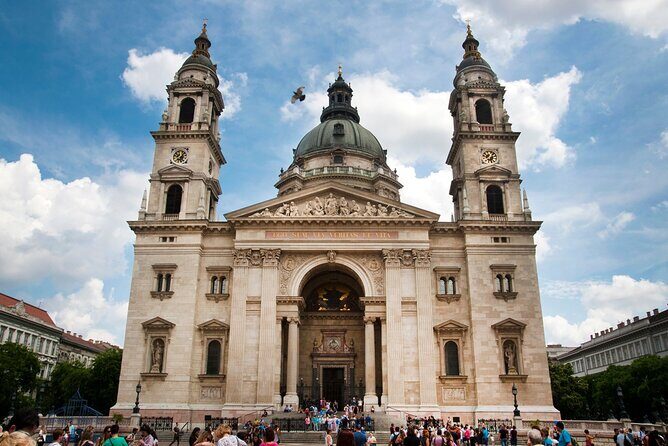
- St. Stephen’s Basilica and the Opera zone: faith and style in the same walk
- Heroes’ Square to Liberty Square: monuments, embassies, and the city’s politics
- Central Market Hall, Chain Bridge, and the Great Synagogue area
- Gresham Palace and other standout architecture stops
- Using public transportation to stretch your 6 hours
- Price and value: is $223 a good deal for this private format?
- Who this tour suits best
- Should you book this private Budapest walking tour?
- FAQ
- How long is the Budapest walking tour?
- Is this a private tour?
- Where do I get picked up?
- Which languages are offered?
- Are admission fees included?
- Is food and drinks included?
- Is public transportation included?
- Does the tour skip the ticket line?
- What is the cancellation policy?
Key things to love about this tour
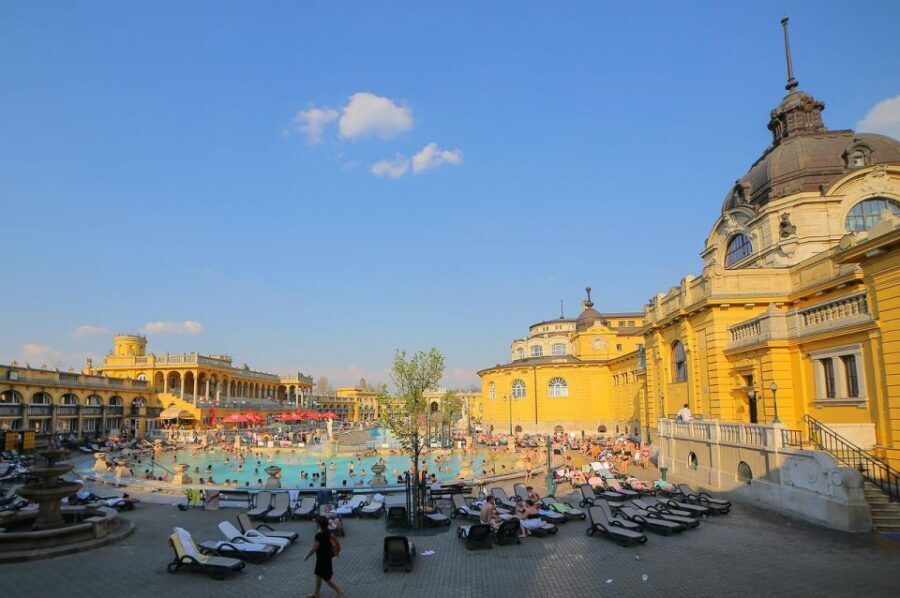
- Private and adjustable pace so you’re not rushed through the view-points you actually care about
- Photo stops at top attractions on both sides of the river, with time to frame the shots
- Buda Castle District time for major sights like Matthias Church and Fisherman’s Bastion
- Pest-side icons including St. Stephen’s Basilica, Heroes’ Square, and the Hungarian Parliament Building
- Insider history from George Molnar that explains how Budapest’s layers fit together
- Optional public transportation if your guide thinks it saves time or energy
Meeting George Molnar and getting your route right
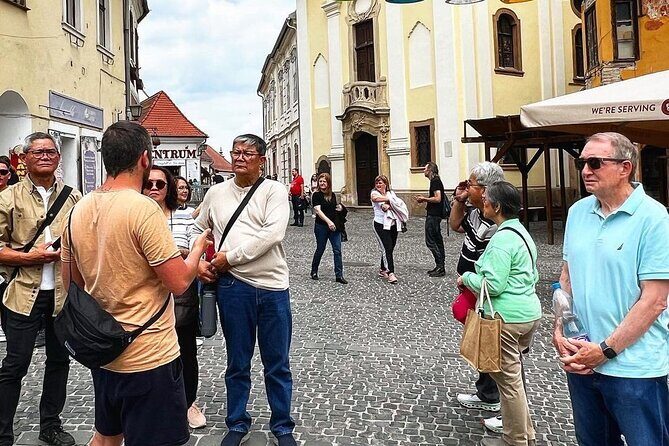
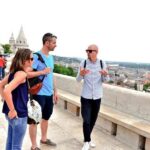
You meet your guide at your hotel or private accommodation, or at the Budapest Marriott Hotel if you prefer that starting point. You’re in a private group, so the tour doesn’t feel like a cattle chute. Your guide, George Molnar (George Molnar Tour Guide), speaks English, plus German and Italian as options.
What makes this setup work is the “at your own pace” design. If you want more walking for views, you can do that. If you’d rather take breaks and let the story sink in, you can. For a city split into Buda and Pest, having flexibility matters more than you’d think—because one wrong turn or too-fast pace can leave you exhausted instead of informed.
The other helpful touch: this tour is explicitly customized to your interest. That doesn’t mean it’s vague. It means the guide can steer you toward the parts you care about—architecture, the Jewish heritage sites, major monuments, or the castle-district atmosphere—without you feeling like you missed the “required” stop.
You can also read our reviews of more walking tours in Budapest


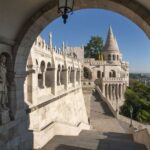
Andrássy Avenue: where grand streets meet real Budapest stories
Your tour starts with Andrássy Avenue, one of the city’s signature showpieces. This is a good first move because it gives you a reference point. You see the scale, the layout, and the style that helps the rest of the walk make sense.
Expect the guide to connect what you’re seeing to Hungarian culture and history, not just point out buildings. On a street like Andrássy, even the “looks obvious” details matter once someone explains why the city developed like it did. You’ll also get photo stops here, which is handy because the boulevard views are one of those things you want on your camera.
If you’re thinking about taking public transport later in the tour, Andrássy is also a practical anchor. It’s a natural hub for understanding where you are in Pest.
City Park and Heroes’ Square: monuments with meaning (not just size)
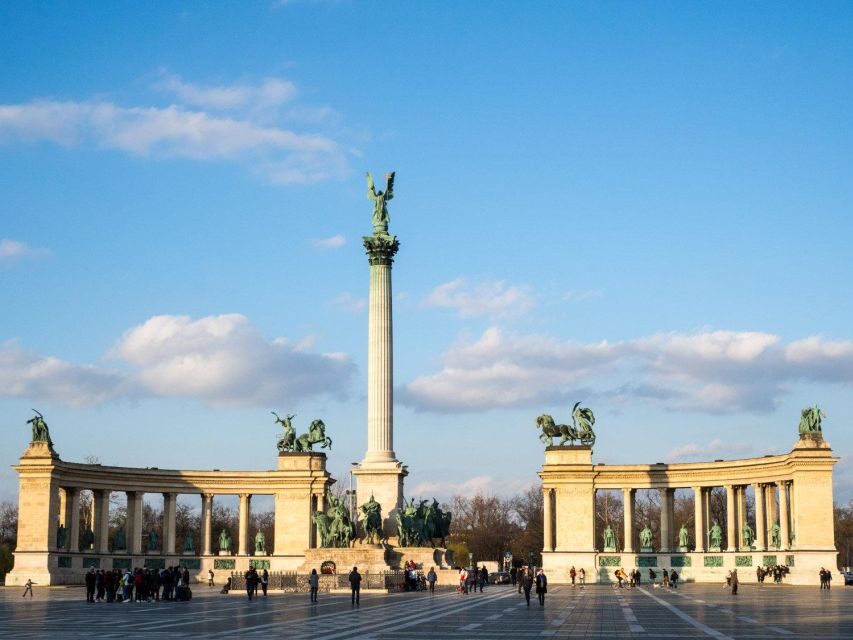
Next comes City Park and Heroes’ Square, two parts of Budapest that can feel overwhelming if you only see them as postcard stuff. The value here is that your guide helps you connect the monument vibe to the human story behind it.
Heroes’ Square is one of those places where you can stand there for ten minutes and still miss the point. With a guide, you learn how the figures and the setting reflect what Budapest wanted to say at the time. It’s also a great area to catch a breather—your 6 hours give you the room to slow down rather than sprint.
City Park adds context in a different way. It breaks up the city-center intensity and gives you a sense of scale, how much green space sits right inside the urban fabric. If you like walks that move from “architecture” to “urban life,” this section usually delivers.
Castle Hill on the Buda side: Matthias Church and Fisherman’s Bastion
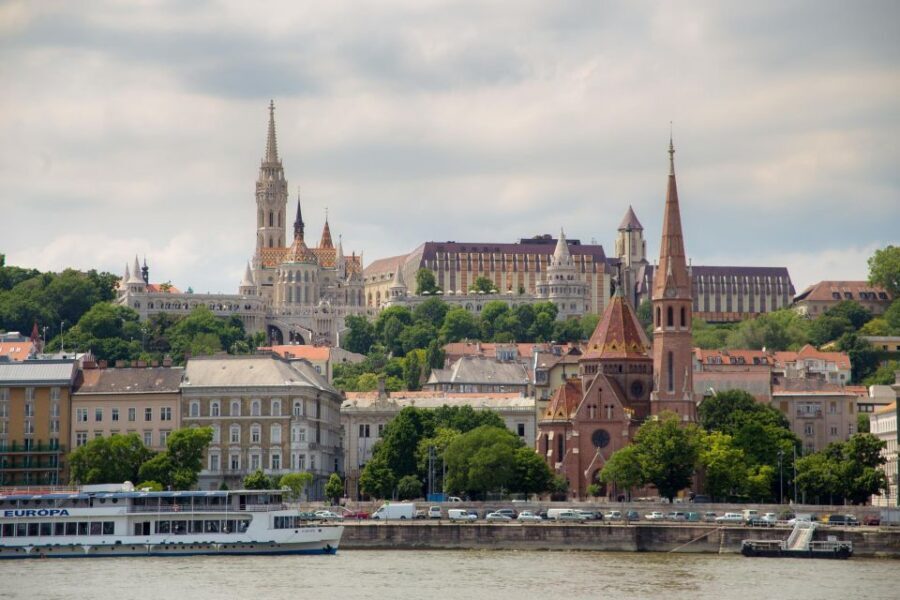
When the tour shifts to Castle Hill (Buda side), Budapest changes mood fast. The views become more dramatic, and the streets feel older. This is where you get key Buda Castle District stops such as the Royal Palace area, the Presidential Palace, Matthias Church, and the Former Dominican Monastery.
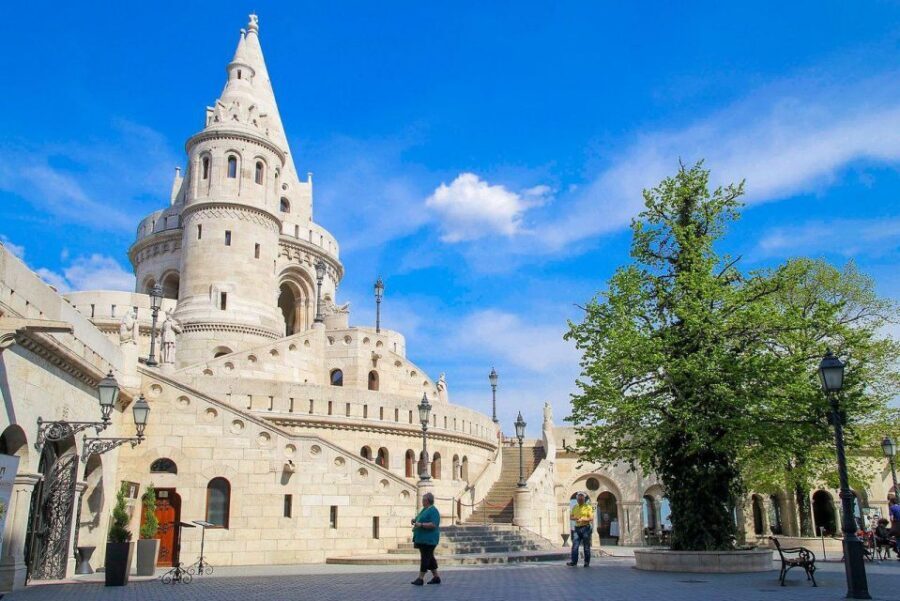
Two sights here are often the main event: Matthias Church and Fisherman’s Bastion. Matthias Church gives you a real sense of the city’s religious and cultural layers, and it’s the kind of building where explanations help you notice details you’d otherwise walk past. Fisherman’s Bastion is the big panoramic moment—arrive with time to look outward, not just up.
Your tour also includes time around the Buda Castle area and the broader castle views. The practical win of doing this with a guide is that you learn how the viewpoints relate to history and geography. It’s not only about photos; it’s about understanding why this hill became the power center.
One consideration: because this is the castle district, you may face steps and uneven surfaces. The tour is at your pace, but wearing shoes with grip is smart.
The Hungarian Parliament Building: scale, symbolism, and smart timing
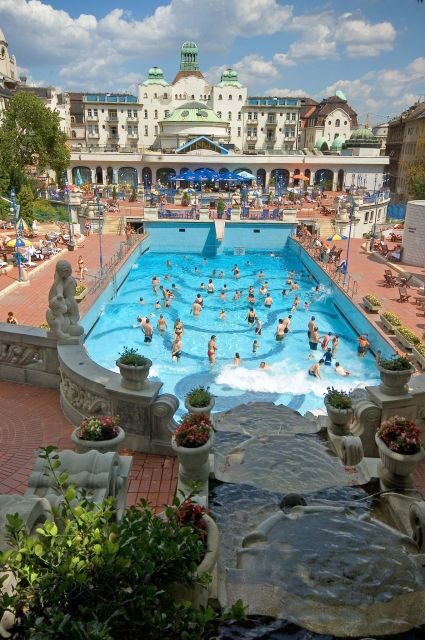
Back on the Pest side, you’ll reach the Hungarian Parliament Building, one of Budapest’s most recognizable landmarks. This stop is a big reason the tour lasts 6 hours—there’s enough time not just to see it from the outside, but to get the context that turns it from a “pretty building” into a political and historical marker.
A nice detail: the tour includes skip the ticket line. That doesn’t mean you should expect no waiting at all, but it does mean you’re set up to reduce the worst of the hassle when entry is part of your day.
The guide’s job here is to help you read the building. That includes architecture and the kind of storytelling countries use when they build their most visible symbols. If you enjoy history, this is where the tour’s “under the skin” promise becomes real.
Photo-wise, this is another stop where you’ll want a little patience. The best angles can depend on where you stand and how the light hits. Let the guide position you—then take your shots.






St. Stephen’s Basilica and the Opera zone: faith and style in the same walk
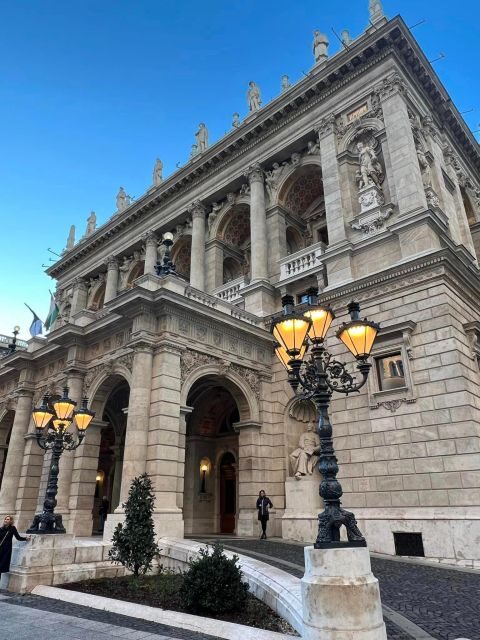
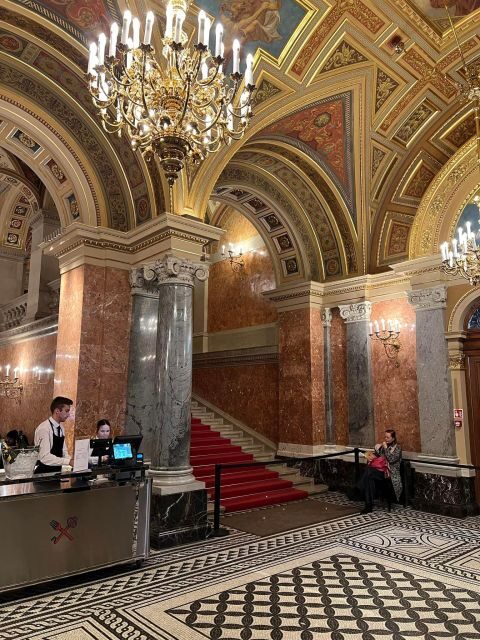
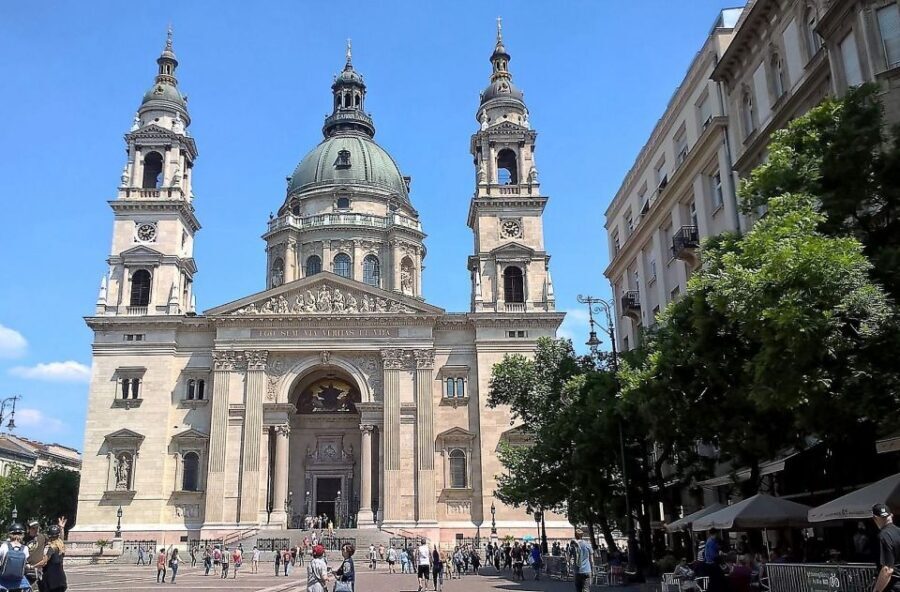
Your Pest-side route is packed with major names, including St. Stephen’s Basilica and the Hungarian State Opera House. These aren’t random add-ons. Basilica and opera are both big expressions of identity—one through faith and ceremony, the other through culture and performance.
St. Stephen’s Basilica is a classic “you can’t miss it” sight, but it’s also one where a short explanation helps you notice what’s going on beyond the exterior. If you choose to go inside, the tour’s length gives you time to do that rather than treating it like a quick stop.
Near the opera area, you’ll also touch on Andrássy Avenue again as part of the big-picture route feel, and you can expect guidance on how the city’s visual style reflects its history. If you like architecture that tells a story, you’ll probably enjoy this part.
If you’re traveling with mixed interests—someone who wants churches and someone who cares about buildings—this is a strong “everyone wins” section.
Heroes’ Square to Liberty Square: monuments, embassies, and the city’s politics
This tour doesn’t stick only to the most famous tourist hits. It also names places like Liberty Square and the American Embassy, which adds a more modern political layer to your walk.
Liberty Square helps you connect the idea of national identity to space—how governments and public places shape what a city feels like. Embassy-area stops don’t always get the same attention from casual tours, but they can make the city’s story feel more current. It’s the difference between looking at history behind glass and seeing it mixed into daily life.
You’ll also encounter other points like the Soviet Army Memorial. That kind of stop can be heavy, but it’s also important if you want the full picture of 20th-century Hungary in your head, not just the postcard Budapest.
This is where the “insider information” claim becomes practical. A guide helps you understand what you’re seeing and why it matters—without turning the day into a lecture.
Central Market Hall, Chain Bridge, and the Great Synagogue area
Your Pest-side list includes several stops that help round out the day: Chain Bridge, Great Synagogue, Central Market Hall, and also sights like Gresham Palace, Post Savings Bank, and the Soviet Army Memorial.
Chain Bridge is a must for the river-crossing sense of Budapest. It also gives you a built-in photo opportunity and a natural moment to look back and forward. With a guide, you’ll learn how this crossing fits into the broader city story, not just how it looks on the postcards.
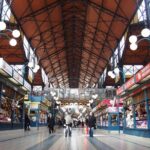
Central Market Hall can be a great way to understand the daily-life side of Budapest—how food, commerce, and culture overlap. The tour doesn’t include food or drinks, so if you want to snack, you’ll pay your own way. Still, having the market in your route makes the day feel more lived-in.
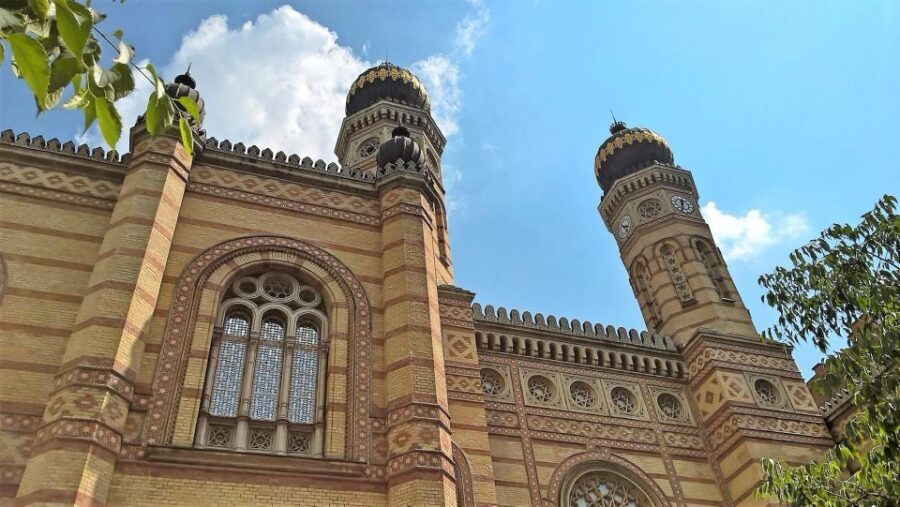
The Great Synagogue area brings in another layer—Hungary’s Jewish heritage is part of Budapest’s core story. Again, the guide’s value is interpretation. A building like that can feel like a stop on a checklist unless someone explains what makes it historically significant.
Gresham Palace and Post Savings Bank add architecture flavor to the walk. These are the kinds of buildings that casual tours often skip, but once you see them with context, they help you understand the city’s design language.
Gresham Palace and other standout architecture stops
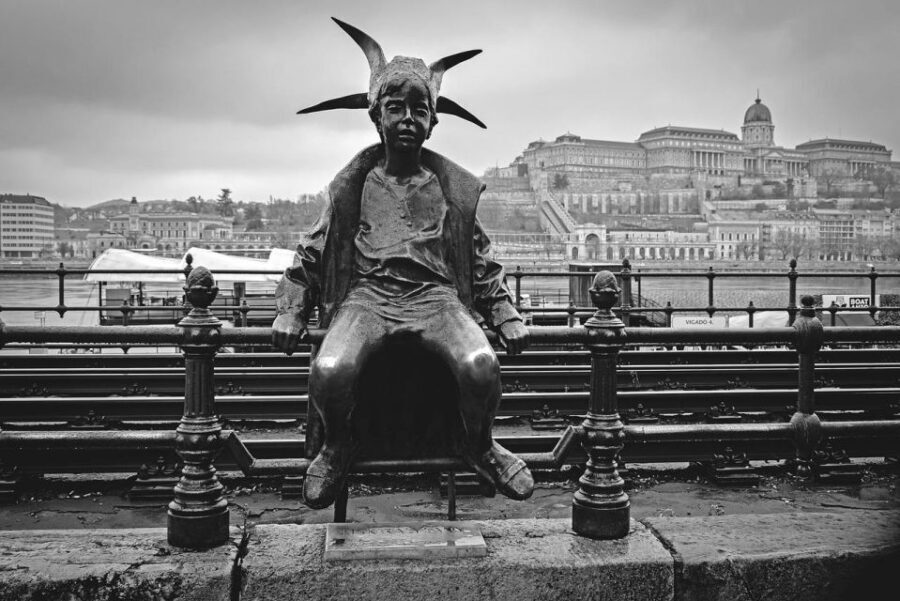
Along the Pest route, you’ll also cover Gresham Palace. It’s the sort of place where photos look good, but the explanation is what makes it memorable. Architecture is communication, and these buildings can tell you a lot about the era they came from.
The same is true for places like Post Savings Bank. Even if you don’t go in, you’ll get why the building matters and what it signals about Budapest’s development. If you love historic cities, this section gives you more “why” per minute than many sightseeing plans.
And if you’re the type who likes to keep moving but still wants meaning, this is a good rhythm: major landmark, interpretive context, quick photo, then onward.
Using public transportation to stretch your 6 hours
The tour can include public transportation to see more sights. That’s not a guarantee you’ll use it, but it’s an option your guide can bring up if it saves time or reduces backtracking.
Since public transport costs are not included, you’ll want to budget for it if your route plan adds hops. The practical benefit is that you can cover more ground without draining your energy—especially with a long day that includes both castle hill and the Pest core.
If you’d rather keep it strictly walking, you can aim for that too. The tour is designed around your pace and interests, not a fixed script that ignores comfort.
Price and value: is $223 a good deal for this private format?
At $223 per person for 6 hours, the price lands in the “private guide” category where you’re paying for time, customization, and interpretation. You’re not just buying footsteps—you’re buying a local guide’s ability to connect the dots across major UNESCO-level sights and the city’s layers.
What you get for that money:
- A private group with English/German/Italian guidance
- A route covering the big Pest hits (like St. Stephen’s Basilica and the Parliament) and the major Buda district (like Matthias Church and Fisherman’s Bastion)
- Photo stops and lots of history-focused explanation
- A setup that includes skip the ticket line, which can save real time at key entrances
- Flexible pacing so you’re not forced to rush
What costs extra: entrance fees, food/drinks, and any public transport you choose to use. So your total value depends on how many buildings you want to enter.
If you’re traveling with 2–3 people and you’d rather pay a bit more to avoid time-wasting lineups and generic explanations, this can feel like good value fast. If you’re a “photos only” visitor who won’t enter buildings and doesn’t care about context, then the price might feel steep.
Who this tour suits best
This private walk is best for you if you want a structured day but not a rigid one. You’ll likely enjoy it if you care about history and architecture, and you like having a guide turn landmarks into a clear story.
It’s also a good match for couples, small groups, and travelers who want to cover both sides of the river without planning 10 micro-decisions on your own. The tour’s design—Buda and Pest, photo stops, and time to step into some places if you want—helps you get a real sense of Budapest rather than just a list of sights.
If you prefer a fast checklist approach, you might find it too story-heavy. But if you want to understand what you’re looking at, you’ll probably be happy with how the pieces connect.
Should you book this private Budapest walking tour?
I’d book it if you want a guide-led day that covers the big names on both sides of the river, with enough time to slow down and actually understand Budapest. The combination of the castle district highlights (Matthias Church and Fisherman’s Bastion), major Pest landmarks (St. Stephen’s Basilica and the Hungarian Parliament Building), and the option to tailor the route makes it feel efficient without feeling rushed.
Skip booking only if you already know exactly what you want, you hate paying for a private guide, or you’re planning to avoid entrances entirely and keep it mostly exterior-only. In that case, a cheaper sightseeing plan could work.
FAQ
How long is the Budapest walking tour?
The tour lasts 6 hours.
Is this a private tour?
Yes. It is a private group tour.
Where do I get picked up?
You can be picked up either at Budapest Marriott Hotel or from your hotel/private accommodation.
Which languages are offered?
The live tour guide is available in English, German, and Italian.
Are admission fees included?
No. Admission fees are not included.
Is food and drinks included?
No. Food and drinks are not included.
Is public transportation included?
Public transportation costs are not included, but the tour may use it to see more sights.
Does the tour skip the ticket line?
Yes, it includes skip the ticket line.
What is the cancellation policy?
There is free cancellation up to 24 hours in advance for a full refund.