REVIEW · BUDAPEST
4 days Transylvania Tour From Budapest to Bucharest
Book on Viator →Operated by Trip2Ro · Bookable on Viator
Castles, clocks, and crossroads in Transylvania. This Budapest-to-Bucharest tour strings together Timisoara, Sibiu, Sighișoara, Bran, and Pelișor (Peleș Castle) in a tight 4-day run that focuses on how this part of Europe was shaped by different peoples and empires. It’s built for travelers who want structure, comfort, and someone else handling the transport and timing.
I like two things most about this trip: first, you get a mix of headline sights (Bran and Peleș) and “ordinary-but-awesome” cities where you can actually read the culture in the buildings—like Timisoara’s Ottoman/Turkish, Serbian, Austrian, and German influences. Second, the value is in the fact that it bundles accommodation, transportation by air-conditioned vehicle, sightseeing tours, and daily breakfast, so you’re not constantly budgeting and ticket-planning every step.
One thing to consider: you’ll still pay some entrance fees on top, and the schedule includes several longer sightseeing blocks. Also, the tour is listed as about 4 days, but described as a 5-day experience—so double-check the exact dates before you book.
In This Review
- Key Things to Know Before You Go
- How the Budapest-to-Bucharest Route Keeps You Moving
- Timisoara Historical Center: Architecture You Can Read in 3 Hours
- Corvin Castle, Alba Iulia, and Sibiu in One Day
- Sighișoara Clock Tower and Brașov’s Fortified Old Center
- Bran Castle Versus Peleș Castle: Dracula’s Border and Royal Romania
- Price and Value: What $897.97 Covers (and What It Doesn’t)
- The Guide Factor: Why Alex-Style Touring Helps
- Who This Tour Suits Best (and Who Might Feel Crowded)
- Should You Book This Transylvania Tour?
- FAQ
- What is the tour duration?
- Where does the tour start?
- How much does the tour cost?
- How big is the group?
- Is pickup offered?
- What’s included in the price?
- Are entrance fees included?
- Is there a charge for a single room?
- Does the tour include a mobile ticket?
- What if the weather is bad?
- Is the booking refundable?
Key Things to Know Before You Go
- Small-group size (max 7): You’ll spend more time asking questions and less time searching for your group.
- Air-conditioned vehicle plus pickup offered: This matters in Romania when you’re moving between towns for hours.
- Some major sites have fees: Bran, Corvin Castle, Sighișoara, Brașov, and Peleș aren’t included, so plan cash/card.
- Daily breakfast is part of the deal: It keeps mornings simple and helps you enjoy sightseeing without scrambling.
- A guide can make or break this route: One highly praised guide named Alex was noted for clear details and real care during the trip.
How the Budapest-to-Bucharest Route Keeps You Moving
This tour starts at 9:00 am, with pickup offered and a driver/guide traveling with you in an air-conditioned vehicle. The small-group limit (up to 7 travelers) is a quiet advantage: it usually means fewer delays and more flexibility if the group needs extra time to see something up close.
Your days are structured around specific stops, typically around 2 to 3 hours each. That’s enough time to do a proper walking visit, take photos, and still regroup without feeling like you’re staring at a bus window. What you should plan for is the travel time between towns: you’ll be on the move, so pack snacks/water for the ride and wear comfortable shoes.
If you’re the type who likes control—choosing your own pace and hopping in and out of museums—this may feel a bit scheduled. If you want to see the highlights of Transylvania without the stress of organizing transport, lodging, and guided visits, this format makes a lot of sense.
A few more Budapest tours and experiences worth a look

Timisoara Historical Center: Architecture You Can Read in 3 Hours
Day 1 lands you in Timisoara Historical Center, with a 3-hour visit. Timisoara is interesting because it doesn’t fit into one neat story. You see layers of Turkish/Ottoman, Serbian, Austrian, and German influence in the city’s architecture, which makes the walking route feel like a real cultural collage rather than a single-style “theme town.”
This stop also connects to a bigger European narrative: Timisoara was named the European Capital of Culture (2021). That matters because it helps explain why the center feels cared for and why the architecture draws so many eyes.
Practical note: the tour lists admission as free for this stop. That’s a nice start to the trip because you can spend your money later on the paid castles and museums. Expect more street-and-building viewing than a “museum marathon,” and use the time to get your bearings for the rest of the region.
Corvin Castle, Alba Iulia, and Sibiu in One Day
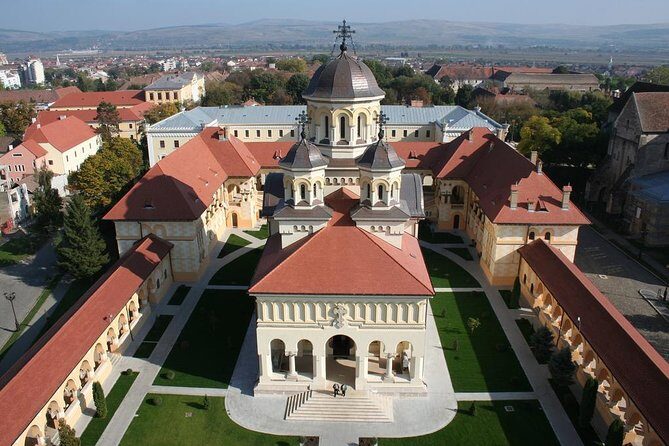
Day 2 is the kind of day castle-and-city lovers usually dream about: gothic drama in one town, a major modern historical moment in another, then a medieval Saxon-Romanian meeting ground in a third.
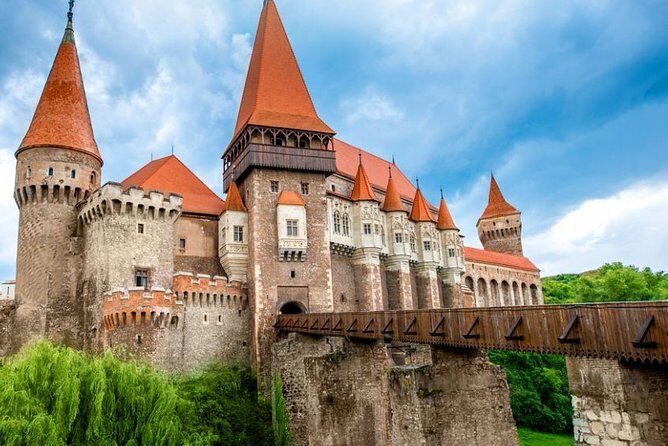
First up is Castelul Corvinilor (Corvin Castle) for 2 hours. It’s described as a gothic castle and one of the most impressive in Eastern Europe. The key drawback here is simple: admission is not included, so budget for entrance. Even if you’re not a “castle person,” Corvin Castle has visual punch—big silhouettes, bold stonework, and that dramatic feel that makes photographers happy.
Next, you visit Cetatea Alba Iulia (Alba Iulia) for 2 hours. This stop hits harder historically. Alba Iulia is tied to the making of the Great United Romania on December 1, 1918, right after World War I. This is a good contrast to the castle-heavy timing: you’re reminded that Transylvania’s story is not only medieval. It’s also 20th-century politics and identity.
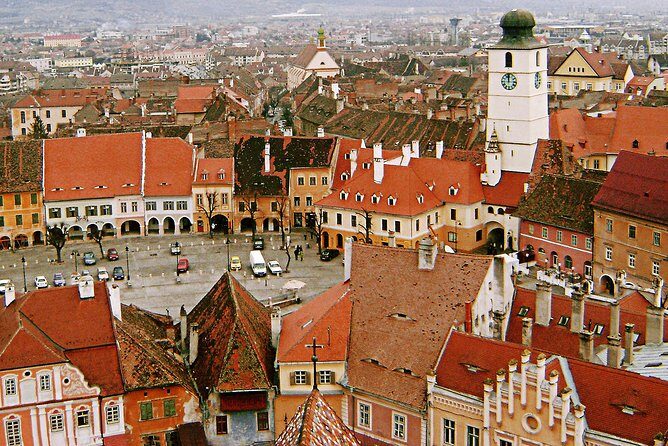
Finally, you head to Sibiu for 2 hours. The appeal is cultural balance: Romanians and Saxons living together for centuries, and religious monuments showing Catholic, Orthodox, and Protestant traditions. Sibiu is the kind of place where the city layout and architecture help you understand coexistence without you needing a lecture in every doorway. Admission is listed as free here, which again helps keep your day financially manageable.
The only “watch out” on a day like this is energy. Three stops in one day means you’ll want to pace yourself—hydrate on the vehicle transfers, and don’t try to sprint through every photo angle.
Sighișoara Clock Tower and Brașov’s Fortified Old Center
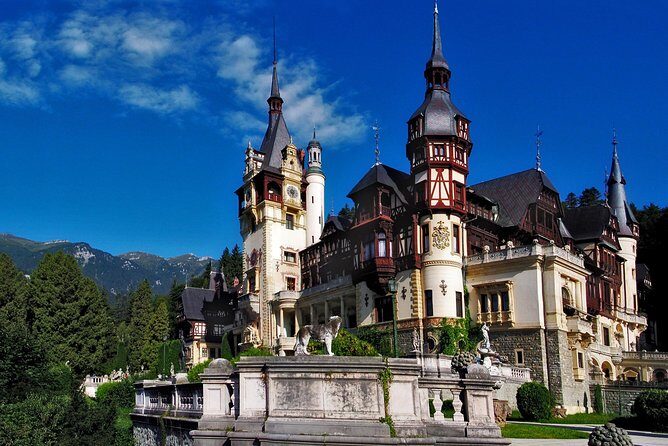
Day 3 concentrates on two towns that feel like different sides of Transylvania.
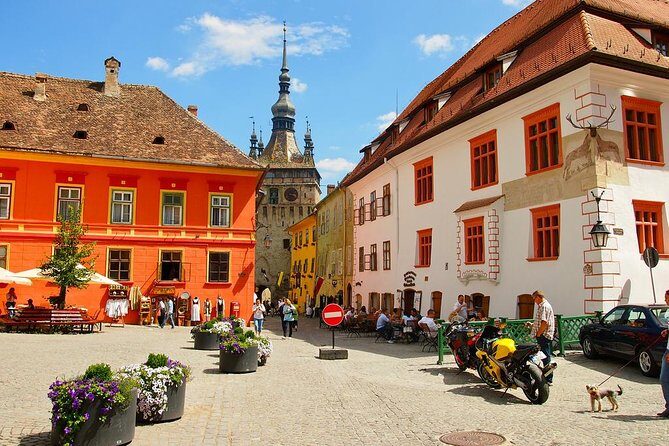
Sighișoara gets 2 hours at the Centrul Istoric Sighișoara, centered on its imposing Clock Tower. The tour notes that this citadel is the best preserved in Europe and, unusually, still inhabited. It also points out that since 1999, the historic center of Sighișoara has been a UNESCO heritage site. That combination is what makes the visit work: you’re not just looking at a restored postcard. You’re seeing a living old center, where the streets still matter to daily life.
Admission for this stop is not included, so treat it like a paid priority. If you love medieval towns, this is one of those visits that can feel more personal than a single landmark—because the town itself is the attraction.
Then you move to Brașov Historical Center for 3 hours. Brașov is described as once entirely fortified and an important cultural, tourist, and commercial center. You’ll see typically German architecture, and the tour mentions that you’ll spot Gothic and Baroque elements in the city’s look.
The drawback: admissions are not included here either. Still, you get longer time at Brașov (3 hours), which helps. Plus, this is the kind of walking visit where cobblestones and old-stone streets can slow you down. Shoes with grip will keep the day fun instead of tiring.
Bran Castle Versus Peleș Castle: Dracula’s Border and Royal Romania
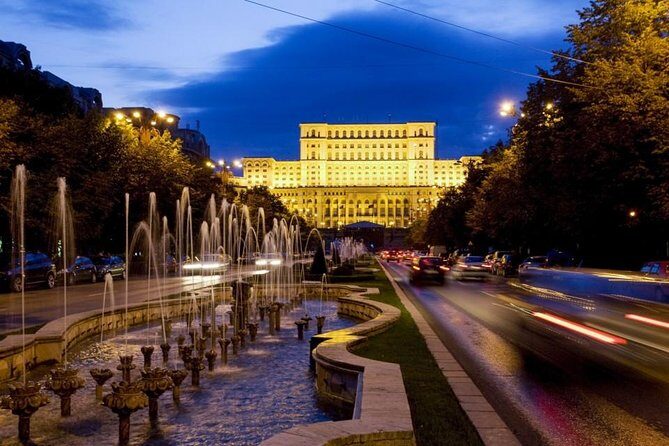
Day 4 is the split-screen day: the famous Dracula connection at Bran Castle, then the reality-check beauty of Peleș Castle.
First is Bran Castle (Dracula’s Castle) for 2 hours. The tour explains why Bran matters geographically: in the Middle Ages, it was on the border between Wallachia and Transylvania, making it essential for the inhabitants. That border detail is worth keeping in mind because it makes your visit feel less like a Halloween costume and more like a strategic landmark that people depended on.
Admission is not included, so you’ll pay for this one separately. Even so, Bran is a must-do for most visitors because it’s one of the few stops that instantly anchors the “Transylvania” brand in a real place you can walk around.
Next you visit Peleș Castle for 2 hours. This is where the tone changes. The tour describes Peleș as the summer residence of the first king of Romania, King Charles I of Hohenzollern, who was of German origins. It also credits a Czech architect with the castle’s design. In other words: instead of a medieval border fortress vibe, you get royal European elegance.
Admission is not included here either. So yes, Day 4 can be the most expensive for entrance fees—but it’s also the day where you get the greatest contrast in Romania’s story: border defense and courtly power, side by side.
Finally, remember this tour notes it needs good weather. That doesn’t mean it stops if it’s cloudy, but you should expect outdoor walking and castle approaches to be part of the experience. Bring a light layer and keep a rain plan in your mind.






Price and Value: What $897.97 Covers (and What It Doesn’t)
The price listed is $897.97 per person, and it’s booked quite far in advance (on average 270 days). That suggests steady demand for the route and the “all-in-one” format.
What you get for that money is the big value piece: accommodation, transportation, sightseeing tours, a driver/guide, and daily breakfast. You’re also traveling in a small group (max 7) with an air-conditioned vehicle, which can turn a long-distance itinerary from stressful into manageable.
Where you should budget extra:
- Entrance fees are not included.
- Tips for the driver/guide are not included.
- If you need a single room, there’s a 100 euro supplement, paid locally (cash or credit card).
So the real question isn’t just whether $897.97 sounds good. It’s whether you’d rather pay to have the logistics handled. If you’re doing Transylvania as a first-time trip, the included lodging and transport alone can feel like buying your time back.
If you’re comfortable planning your own route and chasing tickets on your own, you might spend less. But you’d also spend more time coordinating—and this tour’s entire design is about avoiding that.
The Guide Factor: Why Alex-Style Touring Helps
One of the most highly praised elements in the feedback is the guide’s professionalism and care. A guide named Alex is singled out for giving excellent detail about the places visited and for taking real care of the group during the trip.
That matters because this route has two kinds of learning built into it:
1) facts about places (like Alba Iulia’s December 1, 1918 moment or Sighișoara’s UNESCO status since 1999), and
2) understanding why the towns look the way they do (Timisoara’s mixed cultural architecture; Sibiu’s Catholic/Orthodox/Protestant monuments).
A strong guide helps you notice the right things in the time you have. It also helps with pacing—because a small-group tour can still feel rushed if the guide doesn’t manage expectations.
My practical advice: go in with curiosity, and don’t be shy about asking questions during the stops. You’ll get more value from the day if you’re not only taking photos but also trying to connect the details you hear to the buildings you see.
Who This Tour Suits Best (and Who Might Feel Crowded)
This tour is a great match if you want:
- a structured route from Budapest toward Bucharest
- guided time in major Transylvanian towns like Sighișoara and Brașov
- a mix of architecture and place-based stories, not just a checklist of castles
It also fits travelers who like small groups and want a guide to handle transport and daily planning. “Most travelers can participate,” so you shouldn’t feel like this is only for a narrow niche, but it’s still a walking-and-visual itinerary.
Who might not love it? If you need lots of free time to wander alone for hours, or if you hate paying entrance fees at multiple stops, you’ll probably feel the pressure of a “stop-and-go” schedule. The tradeoff for convenience is less independent time.
Should You Book This Transylvania Tour?
If your dream trip is castles plus real towns—and you want the trip organized end to end—this one is easy to recommend. The small group size, included accommodation, and daily breakfast make the price feel more like a packaged holiday than a bare-bones excursion. And when the guide is on form, the route lands better than you’d expect from a short itinerary.
I’d book it if you:
- want classic Transylvania landmarks like Bran and Peleș
- also care about context in places like Alba Iulia and the living old center of Sighișoara
- are happy to pay separate entrance fees for the big sights
Skip or rethink if you:
- want everything included with zero extra spending once you arrive
- need lots of unscheduled time each day
- can’t handle a more fast-paced, multi-town schedule
FAQ
What is the tour duration?
The tour is listed as approximately 4 days.
Where does the tour start?
It starts in Budapest, with a start time of 9:00 am.
How much does the tour cost?
The price is $897.97 per person.
How big is the group?
This is a small group tour with a maximum of 7 travelers.
Is pickup offered?
Yes, pickup is offered.
What’s included in the price?
Accommodation as per itinerary, driver/guide, air-conditioned vehicle, small group tour, and daily breakfast.
Are entrance fees included?
No. Entrance fees are not included.
Is there a charge for a single room?
Yes. A single room supplement of 100 euro is paid locally in cash or by credit card.
Does the tour include a mobile ticket?
Yes, mobile ticket is included.
What if the weather is bad?
This experience requires good weather. If it’s canceled due to poor weather, you’ll be offered a different date or a full refund.
Is the booking refundable?
No. This experience is non-refundable and cannot be changed for any reason.