REVIEW · BUDAPEST
2 Hours Buda Castle Walking Tour – Walk with a Historian
Book on GetYourGuide →Operated by Kálmán Dániel - Walk with a Historian · Bookable on GetYourGuide
One route through the Buda Castle district can feel like a time machine. I love the historian guide approach because you get clear stories tied to real places, and I also love that the stop list includes major sites like Matthias Church. The only real drawback is the format is fast: in just 2 hours, you won’t have time to linger on your own at every stop.
You’ll start at the Castle Gate area and walk from the civilian quarter up toward the old royal center. Along the way, you’ll hit religious landmarks, a synagogue-museum stop with smaller-scale context, and the castle itself, all while learning how medieval, Ottoman-era, and modern layers show up in the streets.
In This Review
- Key things I’d circle before you go
- Buda Castle in 2 hours: why this walk works
- Meeting at the Castle Gate: where to start without stress
- Bécsi kapu Square and the civilian quarter setup
- A small synagogue-museum stop with big context
- Mary Magdalene Church remains: the “quiet evidence” moment
- Matthias Church entry: seeing the famous front side and the story inside
- Inside the castle complex: where kings once held center stage
- The streets matter: how the tour teaches you to read the district
- What’s included, what’s not, and why the price makes sense
- Who this tour fits best (and who might prefer something else)
- A quick word on the guide style
- Should you book the 2-hour Buda Castle walking tour?
- FAQ
- Where is the meeting point for the Buda Castle walking tour?
- How long is the tour?
- Is the tour guide available in English?
- What is included in the ticket price?
- What major stops will the tour include?
- Is food and drink included?
- What is the cancellation policy?
- Can I reserve without paying right away?
Key things I’d circle before you go
- Historian-led route: you’re not just looking at buildings, you’re getting the story tied to each one
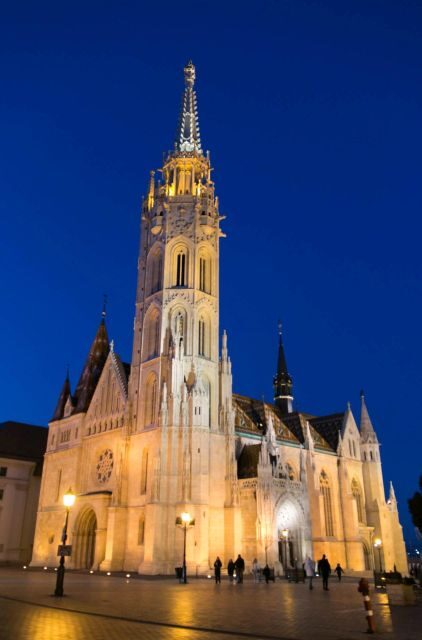
- Matthias Church entry included: you can go inside as part of the plan, not as a separate ticket hunt
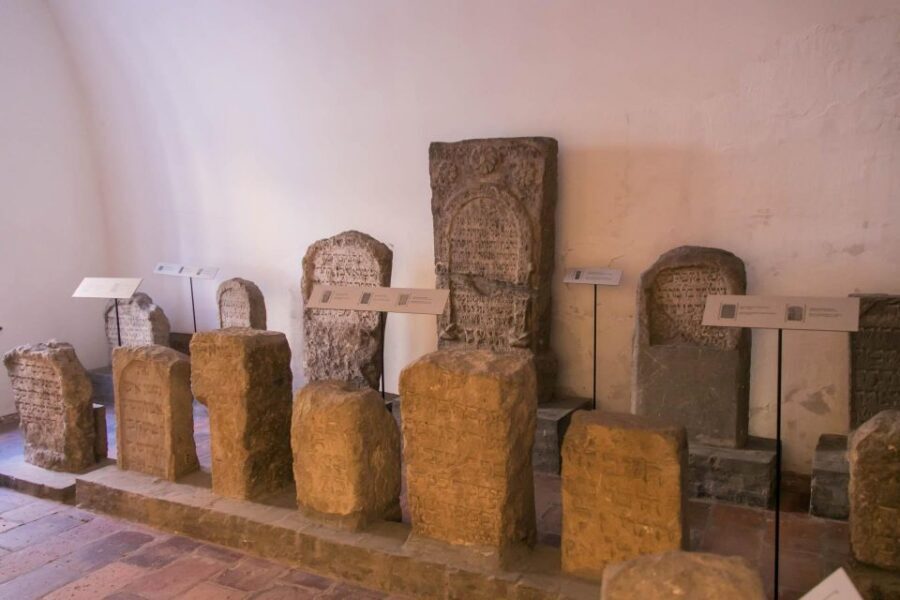
- Jewish Synagogue-Museum visit: a smaller museum stop that helps you understand what stood here before
- Mary Magdalene Church remains: a quieter, more “read-the-stones” moment between bigger highlights
- Buda Castle walking finale: you end at the royal complex that shaped Hungary for centuries
Buda Castle in 2 hours: why this walk works
Buda Castle is one of those places where you can easily spend a whole day and still feel like you only scratched the surface. The trick here is time. This is a tight, guided walk designed to connect the dots between what you see and what it meant.
What I like about this format is that it doesn’t treat Buda Castle like a single monument. Instead, you move through a district where every century leaves marks, so you start noticing how the city’s religious and political life changed over time. And because the guide is a field expert historian (Kálmán Dániel, leading the tour in English), the explanations are meant to be practical: you leave with a mental map, not just a photo folder.
The other value is simple: you get key entries included—so you’re not juggling a second plan mid-day.
You can also read our reviews of more walking tours in Budapest



Meeting at the Castle Gate: where to start without stress
Meet in front of the Lutheran Church of Buda Castle, the white church in front of the Castle Gate. That meeting point is handy because it’s right where the district begins to funnel you toward the main castle area.
Tip for your morning: arrive a few minutes early and take one look around before you join the group. The tour starts by orienting you to the civilian quarter area (the tour begins from Bécsi kapu Square), so a quick head start helps the stories click faster once you’re walking.
Bécsi kapu Square and the civilian quarter setup
The walk begins in the so-called civilian quarter, starting from Bécsi kapu Square. This matters more than it sounds. If you only start at the big royal sights, Buda Castle can feel like it’s all power and stone.
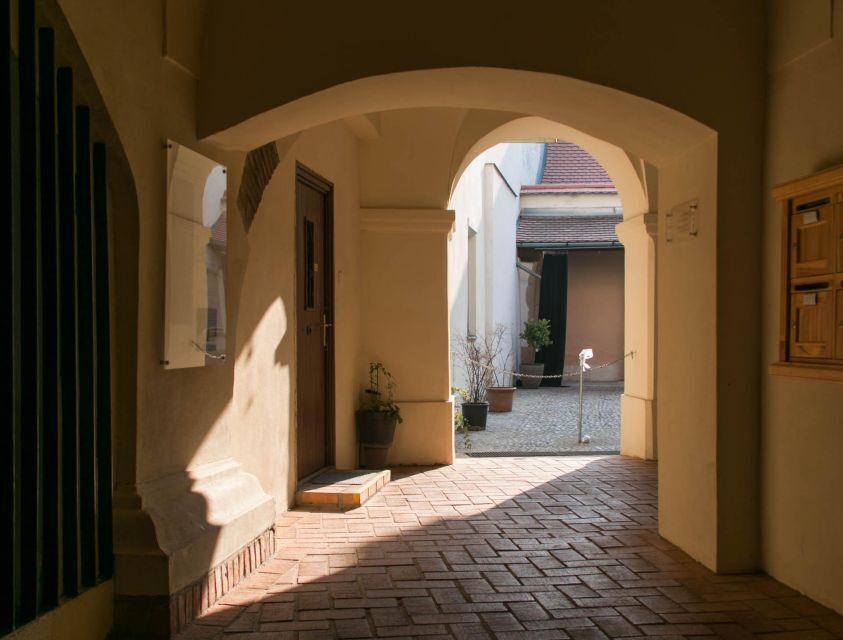
Starting in the civilian quarter puts you closer to the everyday side of life—how people lived around the castle, not just how rulers occupied it. From there, your guide helps you understand how the district grew into something that could host medieval institutions, Ottoman-era changes, and later modern layers.
This “begin with context” style is one reason the tour tends to feel efficient. You’ll spend less time asking yourself: Why is this place here? You’ll get that answer as you go.
A small synagogue-museum stop with big context
One of the most interesting parts of the route is the visit to a unique small Jewish Synagogue-Museum near the start. The idea isn’t just to see a museum room and move on. You also get the story of a bigger synagogue that once stood nearby, and how what you see today connects to that earlier presence.
This works especially well because synagogue history is easy to misunderstand if you only see it as a single snapshot. Here, the museum stop helps you think in layers—what changed, what remained, and what the district’s Jewish story looks like when you slow down and pay attention.
As you walk afterward, you’ll likely start noticing that streets and buildings carry meaning. That’s the point: the guide keeps pulling your attention back to how history sits in the urban fabric.
Mary Magdalene Church remains: the “quiet evidence” moment
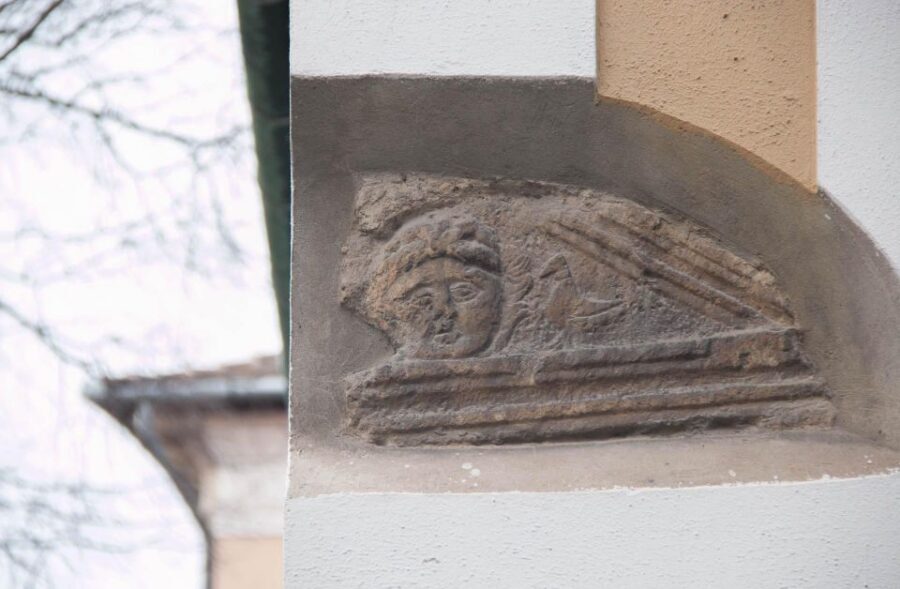
After the synagogue-museum stop, you’ll visit the remains of the Mary Magdalene Church. This isn’t a loud “main attraction” stop, but that’s exactly why it’s valuable.
Ruins and remnants are a different kind of classroom than intact monuments. They force you to think about time, conflict, rebuilding, and loss—without the comfort of a fully preserved building explaining everything for you. The guide’s role here is important because you’re not just looking at leftover walls; you’re learning how to interpret what remains.
If you enjoy architecture-by-clues—those small details that tell you what happened—you’ll probably find this segment a standout. If you only want grand interiors, you might treat this as a breather between bigger sights, which is still useful.
A few more Budapest tours and experiences worth a look





Matthias Church entry: seeing the famous front side and the story inside
Next up is the highlight many people come for: Matthias Church. You visit it in its full glory, and importantly, entry is included, so you aren’t scrambling for tickets.
Why this works on a guided walk: by the time you reach Matthias Church, you’ve already been hearing how Buda Castle evolved through different eras. That means the church stops being just a pretty destination. You can place it more clearly in the larger timeline of the district and the country.
Also, Matthias Church is the kind of site where details reward a careful look. With a historian guiding the story, you’re more likely to understand why certain features matter rather than just admiring them. You’ll also have a more coherent sense of how the castle area connected religious life to political power.
One practical note: church visits often involve rules about movement and sound. Since the tour includes the entry, it’s best to follow the guide’s pacing and instructions rather than trying to rush ahead.
Inside the castle complex: where kings once held center stage
The tour then moves into exploring Buda Castle itself, the seat of Hungarian kings and a central point in the district’s long story. You’re not going to cover the whole complex in 2 hours, and you shouldn’t expect that. Instead, the goal is to give you a strong sense of what the castle is and why it mattered.
Think of this as a “big picture” close to the route. You’ll connect the earlier stops—civilian life, religious landmarks, remnants—with the royal center. That combination is the reason the ending feels satisfying. You finish with a mental map of how the district’s roles shifted over time.
If you’re the kind of person who likes to look back at a site and say, I finally get what I’m seeing—that’s the vibe here.
The streets matter: how the tour teaches you to read the district

A walking tour is only as good as the way it uses the streets. Here, the streets are part of the lesson. You’ll learn stories that surround the roads of the Buda Castle District, and you’ll get directed toward less-known sights as you go.
This is where a historian really earns their keep. The stones and street lines might look similar to anyone at first glance. But guided context changes what you notice: patterns, locations, and the way the district’s layout mirrors historical shifts.
You’ll also learn about Hungary as a whole, not just the castle bubble. The guide’s explanations tie the monuments to larger national changes, so the walk feels useful even if you’re not a professional history fan.
What’s included, what’s not, and why the price makes sense
This tour costs $49 per person for a 2-hour live, English-language walk. Entry tickets are included for Matthias Church and the Jewish Synagogue-Museum. You also get a field expert historian guide, plus the walking tour itself.
So what are you really paying for? Not just the sights, but the sequencing. Two hours is short, and the route is built so you visit major stops (Matthias Church and the castle) and also smaller, meaningful pieces (the synagogue-museum and Mary Magdalene Church remains). That mix usually costs more if you do it alone, especially when you add the value of having context while you’re physically there.
What’s not included is food & drink at a local café (it’s optional). Since nothing about meals is built into the tour, you’ll likely want to plan for a snack or drink after, not during. That’s a practical way to keep the walking flow smooth.
Who this tour fits best (and who might prefer something else)
This is a smart choice if you:
- want a structured overview without planning ticket timing
- like history tied directly to visible places, not just facts read off a screen
- enjoy short, focused walks more than all-day museum marathons
- want English explanations from a historian guide (Kálmán Dániel)
It might not be the best fit if you need long self-paced time inside every site. This is still a walking tour, and the schedule is designed to cover several highlights and supporting stops within 2 hours, which means you’ll follow the guide’s pacing.
A quick word on the guide style
Kálmán Dániel leads the tour in English. A key strength is how much ground gets covered without turning into chaos. The tone is informative and organized, and the stories connect multiple topics in one route, which keeps the walk from feeling like separate stops glued together.
That’s exactly what you want in a short tour: clarity, good ordering, and explanations that help you remember what you saw.
Should you book the 2-hour Buda Castle walking tour?
Yes, if you want a fast, meaningful introduction to Buda Castle that doesn’t skip the context. This is especially worth it if you like learning how districts work—where the civilian quarter fits in, why the synagogue-museum stop matters, and how remnants like Mary Magdalene Church change how you read the place.
Book it if you’re the type who prefers a guided path for your first visit, then uses the next day to wander on your own with better instincts. Skip it only if you know you want long independent time in each interior and you dislike guided pacing.
FAQ
Where is the meeting point for the Buda Castle walking tour?
Meet in front of the Lutheran Church of Buda Castle, the white church in front of the Castle Gate.
How long is the tour?
The tour lasts 2 hours.
Is the tour guide available in English?
Yes, the live tour guide speaks English.
What is included in the ticket price?
The price includes a field expert historian guide, entry to the Matthias Church, entry to the Jewish Synagogue-Museum, and the walking tour.
What major stops will the tour include?
You’ll visit Matthias Church, the Jewish Synagogue-Museum, and Buda Castle itself, with additional stops such as the remains of the Mary Magdalene Church.
Is food and drink included?
No, food and drink at a local café is not included (it’s optional).
What is the cancellation policy?
You can cancel up to 24 hours in advance for a full refund.
Can I reserve without paying right away?
Yes. The booking offers reserve now & pay later, so you can reserve your spot and pay nothing today.