REVIEW · BUDAPEST
Communist Budapest Walking Tour
Book on GetYourGuide →Operated by insightcities.com · Bookable on GetYourGuide
Budapest’s communist decades are written in stone. This 3-hour tour strings together the sites that shaped public life under totalitarian rule, then shows how the city kept moving anyway. You’ll start around Bambi Eszpresszó and end at the House of Terror, with metro and trolley-bus rides in between.
What I like most is the way the route mixes big political moments with day-to-day realities you can actually see. I also love how the tour uses the city itself as the timeline, from 1956 uprising locations to 1970s apartment blocks, and then back to the Cold War face-off points in central Budapest.
One possible drawback: if you already know Hungary’s post-WWII communist period well, this can feel more like a clear guided overview than a deep, dig-your-own-notes level seminar. And yes, it’s a lot of walking in a compact area, so comfortable shoes really matter.
In This Review
- Key things to know before you go
- Bem Józöf Square and the 1960s coffeehouse start
- Kossuth Square and the 1956 revolution’s visible fingerprints
- Freedom Square: Cold War symbols, including an atomic shelter entrance
- 1970s housing estates: why “grey” mattered so much
- Puskás Stadium and Socialist Realism in public space
- Stalin-era trolley bus rides and the House of Terror
- The historian guide makes the difference (and the pace matters)
- Price and value: is $123 worth it for 3 hours?
- Who should book this communist Budapest walking tour?
- Should you book it?
- FAQ
- How long is the Communist Budapest Walking Tour?
- Where does the tour start?
- Is the tour in English?
- What’s included in the price?
- Do I need tickets for public transit?
- Are private or small groups available?
- Is there free cancellation?
Key things to know before you go
- Historian-led: Your guide is a professor, doctoral student, journalist, art critic, or published author, usually bringing an academic lens to street-level sights.
- A timeline you can walk: Bem József Square to Kossuth Square, then Freedom Square, housing estates, and on to the House of Terror.
- Cold War details in plain sight: You’ll see the U.S. embassy, Soviet army monument, Ronald Reagan statue, and an atomic shelter entrance at Freedom Square.
- 1970s “progress” with trade-offs: Housing blocks may look grey today, but they represented modern comforts for families then.
- Old photos + contrasts: The guide uses an iPad with historical images to help you compare past vs present.
- Transport included, tickets not: The tour uses metro and a trolley bus, but tram/metro tickets aren’t included.
Bem Józöf Square and the 1960s coffeehouse start
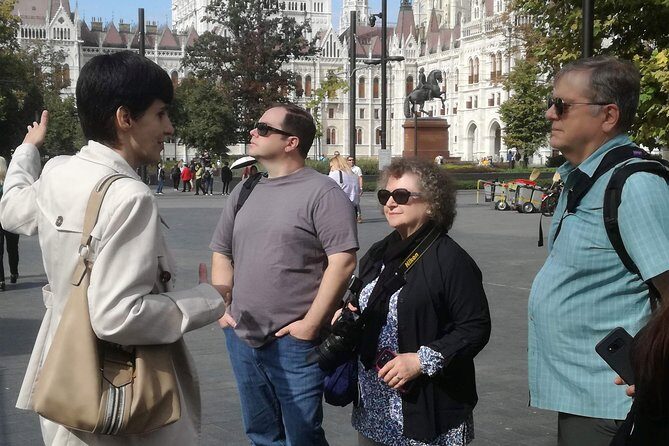
The tour kicks off at Bambi Eszpresszó on Frankel Leó út 2/4 (1027). It’s a great first move because coffeehouse culture feels like a small, human counterpoint to big ideology. From here, you’ll get a look at a coffee stop that has kept its original interior vibe from the 1960s, which helps you understand how normal routines kept going alongside political pressure.
Bem József Square sets the tone fast. This is where one of the first large demonstrations of the 1956 uprising gathered, so you’re not just learning dates—you’re standing in the kind of public space where crowds could form and voices could turn loud. The tour then uses that foundation to explain how the system worked: Hungarians could have limited liberties, as long as obedience stayed in place on major issues.
Practical tip: if you’re sensitive to crowds or loud street corners, expect a lively urban feel at the start. It’s central Budapest, not a quiet museum lobby.
You can also read our reviews of more walking tours in Budapest


Kossuth Square and the 1956 revolution’s visible fingerprints
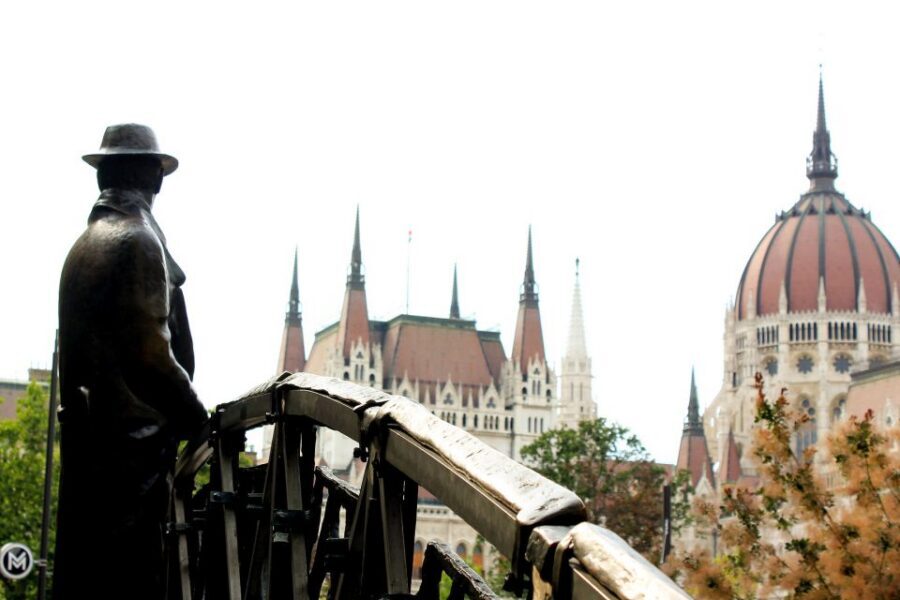
Next comes a metro hop to Kossuth Square, the stage for key events during the 1956 revolution. This area makes history feel blunt and physical because the sights connect directly to political and armed conflicts tied to the uprising.
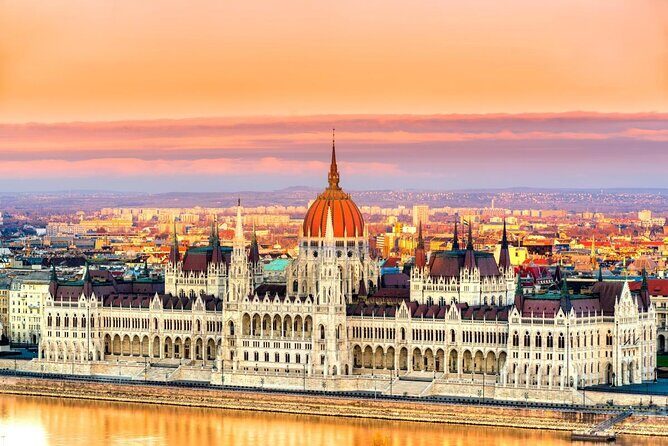
In front of the Hungarian Parliament, you’ll be looking at monuments that function like outward-facing memory. The tour points out how these structures weren’t designed just to decorate the square—they’re reminders of who claimed legitimacy, who resisted, and what the conflict left behind. That matters because communist power often relied on controlling the public story, not just the public lives.
A small consideration: if you want only emotional storytelling, you might find the focus here a bit more structured. But if you enjoy cause-and-effect context—who decided what, and why—this part is strong.
Freedom Square: Cold War symbols, including an atomic shelter entrance
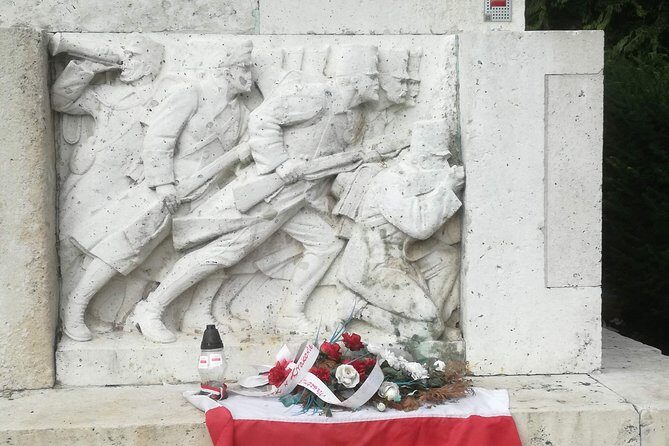
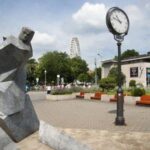
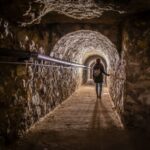
After Kossuth Square, the tour moves toward Freedom Square, a place built to look symbolic and dramatic. Here, the Cold War is represented by four stone structures you can see up close: the U.S. embassy, a monument to the Soviet army, a statue of U.S. President Ronald Reagan, and the entrance to a secret atomic shelter.
This stop is valuable because it shows how power can be packaged as architecture and sculpture. You’re watching a visual messaging system: Western and Soviet presence compressed into a single public stage, with the atomic shelter adding a chilling layer of contingency planning you can almost feel. It’s a reminder that communism in Budapest wasn’t only about internal rules; it was also shaped by global fear and competition.
If you like photography, this is one of the best segments. The square’s arrangement makes it easy to frame multiple elements in one image without jumping around.
1970s housing estates: why “grey” mattered so much
The next shift is from monuments to apartments. You’ll take the metro out to housing estates from the 1970s at the edge of the city center. Today, those blocks can read as drab and grey, but the tour helps you see why they were a big deal then.
In the 1970s, these apartments were often awarded to young Hungarian families who were genuinely thrilled by the conveniences their older buildings couldn’t offer—especially elevators and modern amenities. That’s the trade-off the tour keeps returning to: even when the system felt harsh, it still promised improvements that made daily life easier. Understanding that helps you avoid a one-note view of oppression.
Where this becomes truly helpful for you: when you walk these streets, you’ll notice how “quality of life” gets negotiated under any government, including one that controls speech, movement, and political choices. The tour doesn’t just show the buildings—it shows the social bargain behind them.
Puskás Stadium and Socialist Realism in public space
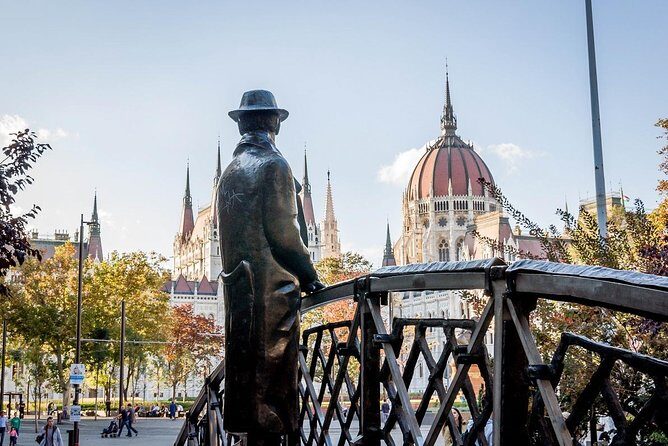
After the housing estates, you’ll head to the former People’s Stadium, now Puskás Soccer Stadium. This is one of the best places to connect politics with aesthetics. The stadium is among the few spots in Budapest where you can still see typical Socialist Realist statues—figures styled as heroic workers, soldiers, and intellectuals—pointing toward a bright future.
This stop is a lesson in propaganda that doesn’t require a lecture. Socialist Realism was designed to tell people what kind of citizen to be, what kind of work mattered, and what kind of future was promised. Watching those forms in a real public context helps you understand why the regime invested energy into art: it was shaping aspirations, not just decoration.
Note on logistics: this is a visual stop, but expect a fair amount of walking between points. If you have mobility limits, you’ll want to ask your guide how the route will feel on your feet.




Stalin-era trolley bus rides and the House of Terror
One of the more atmospheric parts of the itinerary is the short ride on a Stalin’s trolley bus to Dozsa György Street. This boulevard was used for May Day parades, which means you’re stepping into a space meant for mass celebration and political display.
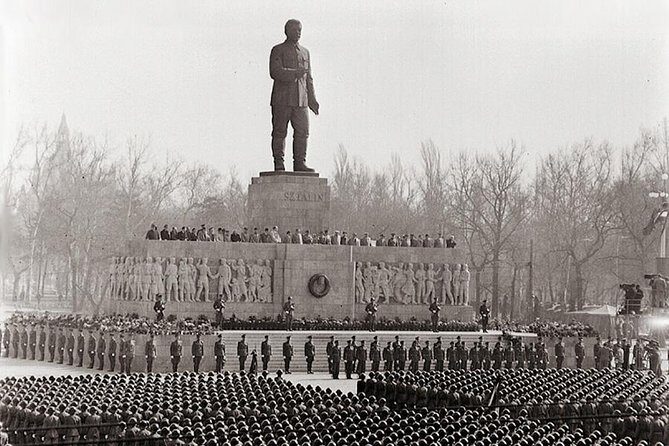
As you travel, the guide uses an iPad with old photos to show contrasts between the city’s present look and how it appeared during Stalin’s era. That technique works because it gives your brain something to hold onto: same streets, different decades. You can see how ideology translated into planning—where parades went, what the public spaces were built to do, and how the city looked when it served the regime’s schedule.
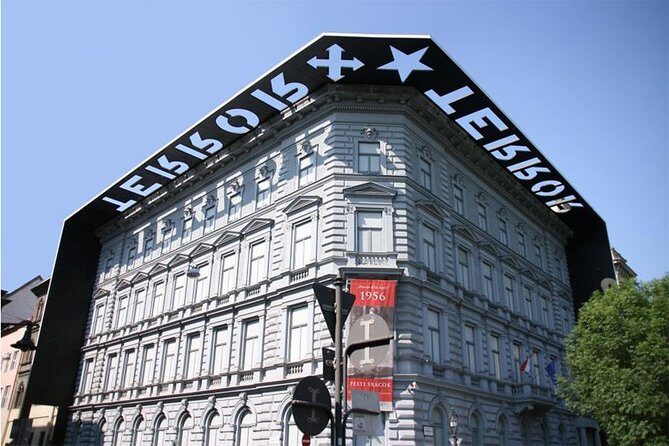
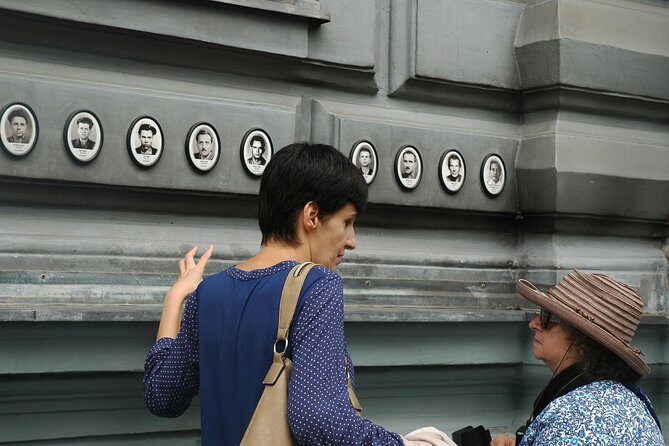
Then you turn a corner and arrive at the House of Terror, a museum in the former headquarters of the secret services. It commemorates the crimes of communism, with extra emphasis on Stalinist years. In front of the building, you’ll also see a slab of the Berlin Wall, which adds another layer to the story by tying Budapest to the broader physical division of Europe.
This ending part can hit emotionally. It’s not meant to be comfortable. It’s meant to close the loop—showing where control and fear led, not just where the slogans were painted.
The historian guide makes the difference (and the pace matters)
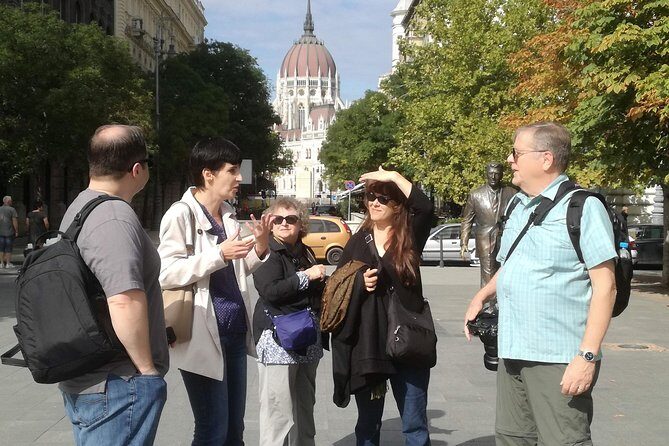
The tour is led by English-speaking guides from an unusually strong range of backgrounds: professors, doctoral students, historians, journalists, art critics, and published authors. In practice, that usually means you get more than facts—you get explanations built to make relationships clear.
A highlight is the guide’s ability to adjust based on what you already know. On guided versions of this tour, you may hear the route tailored with related stops so the story connects to questions you actually have. One guide name that comes up is Andras, and he’s described as conversational, with a relaxing pace that still moves the story forward.
That pace is also important because the tour is information-heavy. You’ll cover 1956, Cold War symbolism, housing policy, propaganda art, and the secret police legacy in about three hours. If you rush through history yourself, you can miss the meaning. The structure helps you keep the big picture in your head.
If you’re the type who likes your history to include lots of daily-life detail, you’ll likely enjoy the way the route returns to how people lived—apartments, city spaces, routines. If you already have a strong timeline background, you might want even more depth on daily life and the end of the system. That’s the trade-off of a compact walking tour.
Price and value: is $123 worth it for 3 hours?
At $123 per person for a 3-hour tour, you’re paying for more than walking directions. You’re paying for an academic-style guide who can connect monuments and architecture to how communist rule functioned, plus the convenience of handling the route, the transport segments (metro and trolley bus), and the in-the-moment context.
What you should consider: tram and metro tickets are not included, so you’ll want to add that to your total budget. On the other hand, the tour uses public transit as part of the narrative, not just as a shortcut, which is often where guided tours justify the cost.
For value, I think this tour works best if:
- You want a clear, organized framework fast.
- You like seeing propaganda art and political symbolism in context.
- You plan to do other Budapest neighborhoods too and want this one to be a tight themed deep focus.
If you’re traveling on a strict budget, you can always self-guide. But you’ll likely miss the connecting tissue: why these places mattered, how people negotiated small liberties, and how the visuals reinforced the system.
Who should book this communist Budapest walking tour?
This is ideal for you if you:
- Want a guided story that connects 1956, Cold War messaging, and everyday life under communism.
- Prefer walking tours that stop often and explain what you’re actually looking at.
- Appreciate a guide who can use historical comparison tools (like iPad photos) to make eras feel less abstract.
It may be less ideal if you:
- Already know this period very well and want more advanced analysis or a longer, slower course.
- Don’t enjoy museums or emotionally heavy stops, since the House of Terror is a serious closing point.
Should you book it?
Yes, book it if you want a structured, visual route through communist-era Budapest that’s both readable and human. The combination of 1956 sites, Cold War symbolism, 1970s housing policy, and a final visit to the House of Terror gives you a story arc that’s hard to replicate well on your own in just three hours.
If you’re coming in with solid prior knowledge, go in with the right expectations: this is a strong guided overview and a good primer, not a long-form academic seminar. Bring curiosity, wear comfortable shoes, and plan to absorb rather than speed-run the stops.
FAQ
How long is the Communist Budapest Walking Tour?
The tour lasts 3 hours.
Where does the tour start?
The meeting point is Bambi Eszpresszó, Frankel Leó út 2/4, 1027 Budapest, Hungary.
Is the tour in English?
Yes. The tour is offered in English.
What’s included in the price?
The tour includes a 3-hour walking tour and a historian guide.
Do I need tickets for public transit?
Tram and metro tickets are not included. The tour uses metro and a trolley bus during the route.
Are private or small groups available?
Yes. Private or small groups are available.
Is there free cancellation?
Yes. You can cancel up to 24 hours in advance for a full refund.