REVIEW · BUDAPEST
Budapest: Walking Tour with Chimney Cake & Polaroid Photos
Book on GetYourGuide →Operated by Walk With Me Budapest · Bookable on GetYourGuide
You start with dessert and end with a story-filled walk. This Budapest tour strings together landmarks, street art, and local food in about 150 minutes, paced for a small group. You’ll see icon-level sights plus the kind of side scenes that make a city feel real.
I love that it begins in Szimpla Kert, the ruin bar that sets the tone right away, including time inside to understand its concept. I also like the mix of famous stops and less-obvious walls and corners, especially the street art segment along the way.
One thing to consider: you’ll mostly view major buildings from the outside, and there’s a fair bit of walking. If you’re expecting lots of interior time or want to snack constantly, plan for bring-your-own water since drinks aren’t included.
In This Review
- Key highlights at a glance
- From Szimpla Kert to chimney cake: a Budapest walk that starts on character
- Inside Szimpla Kert: ruin-bar history without the lecture tone
- Dohány Street Synagogue from outside: powerful even without going in
- Street art murals on Budapest’s firewalls: where the city speaks in color
- Deák Ferenc Square: the best quick orientation stop
- Elizabeth Square: icons with real stories
- Vörösmarty Square, the Danube Promenade, and Vigadó: learning the river’s map
- Chain Bridge, Gresham Palace, and the Academy: the city’s postcard logic explained
- St. Stephen’s Basilica and the Parliament from outside: why exterior time still counts
- The Bronze Shoes Memorial: a short pause with real weight
- Chimney cake, Polaroids, and why this tour is more than sightseeing
- Price and value: what $42 buys you in the real world
- Who this Budapest tour fits best
- Should you book this Budapest chimney cake and Polaroid walking tour?
- FAQ
- Where does the tour meet?
- How long is the walking tour?
- Is the tour guided in English?
- What food and photos are included?
- Do you go inside the synagogue, basilica, and Parliament?
- Do I need to bring water?
- How big is the group?
Key highlights at a glance

- Szimpla Kert ruin bar start with a quick, guided look into how this place works
- Chimney cake tasting included, so you’re not hunting for snacks mid-walk
- Polaroid photos you take home, with help from a guide who’s clearly great at it
- Outside views of major landmarks that still feel informative and fast-paced
- Street art murals on Budapest’s firewalls—visual stops you’ll remember
- Small group (max 6) for more personal questions and a calmer pace
From Szimpla Kert to chimney cake: a Budapest walk that starts on character
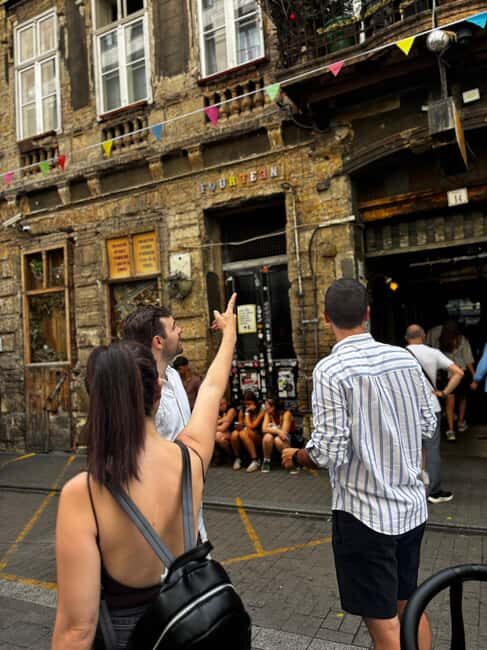
Budapest can feel big on first arrival. This tour solves that problem fast by meeting you right where the city shows off its personality: in front of Szimpla Kert, a famous ruin bar on Kazinczy u. 14. Instead of starting at a photo spot and walking in circles, you get orientation from the first minutes—history, vibe, and city rhythm all at once.
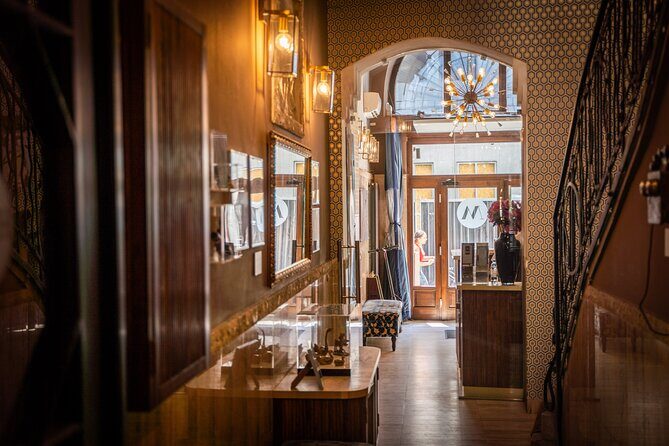
You’ll step inside Szimpla Kert before you head out. That matters because it’s not just a bar you pass by. You learn the ruin bar idea and the history behind the concept, which gives you a better read on why this city loves reusing old spaces in creative ways.
And yes, you get chimney cake as part of the experience. That means you’re fueled during the walking stretch, not stuck trying to find a bakery later when you’re already tired. It’s an easy win for value and comfort.
You can also read our reviews of more walking tours in Budapest



Inside Szimpla Kert: ruin-bar history without the lecture tone
Ruins can go one of two ways in real life: either they feel like a themed backdrop, or they feel like a lived-in part of the city. Here, the stop is guided, so you understand what you’re looking at.
During the Szimpla Kert portion, you’ll take some time for sightseeing and local snacks. It’s a natural warm-up. You’re on your feet, but you’re also in a place designed for conversation and atmosphere—ideal for getting to grips with Budapest before you hit heavier landmarks.
This is also where I’d recommend paying attention to little practical details. The city’s layout and neighborhood logic become clearer once you connect what you’re seeing (ruin bars, street murals, busy squares) with why locals built and adapted spaces the way they did.
Dohány Street Synagogue from outside: powerful even without going in
Next up is Dohány Street Synagogue, the one that towers over the area and is known as Europe’s largest synagogue. The tour is outside-only here, so you don’t need to rush for an interior visit or worry about timing inside a major religious site.
But outside doesn’t mean superficial. You’ll see the garden and the front of the synagogue, and your guide explains the sad history connected to it. That blend—visual impact plus context—works well for a walking tour format because you get meaning without spending half your day waiting in lines.
If you’re the type who likes to take a moment in quiet places, give yourself a few seconds to just look at the building’s scale before moving on. It’s easier to process what you’re seeing when you’re not constantly on the next instruction.
Street art murals on Budapest’s firewalls: where the city speaks in color
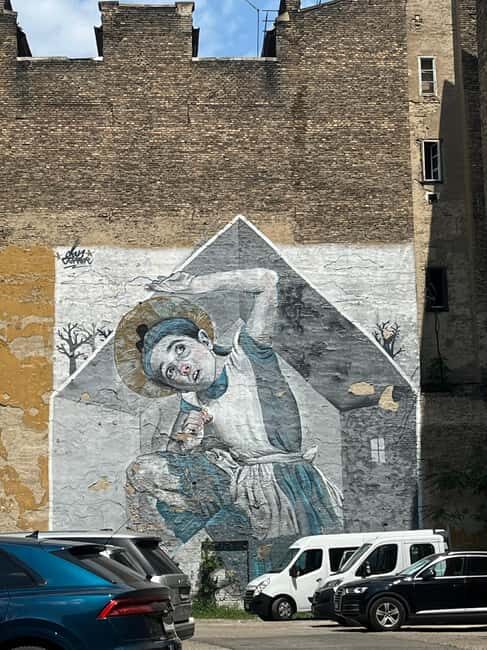
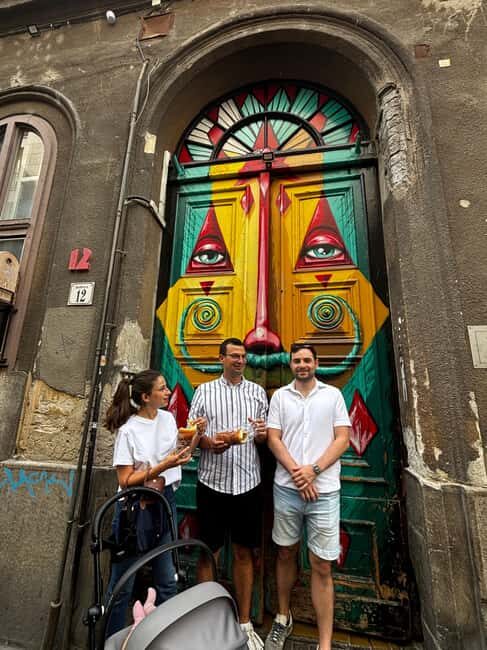
Then comes one of my favorite parts of this kind of tour: the segment focused on street art and murals. You’ll look at artwork created on the firewalls of Budapest—long building walls that make perfect canvases.
This stop is more than photos. When a guide points out what the art is doing—what messages it carries, how it fits into the neighborhood—you start noticing patterns around you. Suddenly Budapest isn’t only monuments and postcards. It’s also everyday creativity on walls where you’d normally just walk past.
A practical tip: dress for walking, but also be ready to stop. Murals are designed for lingering. Even a short pause turns into better photos and a more satisfying memory than rushing straight through.
Deák Ferenc Square: the best quick orientation stop
When you reach Deák Ferenc tér, you’re getting something surprisingly useful: a crash course in how to move around Budapest. This square is a major transport hub, so it’s a perfect place to learn the basics of getting places without feeling confused.
Your guide also covers the square’s architecture. That might sound like a “bonus” detail, but it helps you understand why the area feels the way it does—open, functional, and busy. Learning that early can save you from that first-day mistake of walking too far when public transit would be faster.
If you’re planning to use trams and metro lines, this is the kind of stop that turns navigation from guessing into confidence.
You can also read our reviews of more photography tours in Budapest






Elizabeth Square: icons with real stories
From there you head to Elizabeth Square, a place with strong visual anchors and plenty of quirky named landmarks. You’ll see and hear stories connected to Danubius Fountain, the Budapest Eye, the Michael Jackson Tree, and a Kodolko mini statue.
The guide brings these sights to life with fun context about Queen Elizabeth. That’s what makes this stop work: you’re not just memorizing names, you’re learning why the city put them here and why people still talk about them.
This is also a good moment to pace yourself. You’re still walking, but the stops feel like short breaks. If you want good photos, this is where you’ll likely linger without feeling like you’re falling behind.
Vörösmarty Square, the Danube Promenade, and Vigadó: learning the river’s map
Next comes Vörösmarty Square, where you’ll hear about historical cafés. It’s a quick cultural stop that helps you see how Budapest shaped daily life—not only through grand government buildings, but through everyday meeting spots.
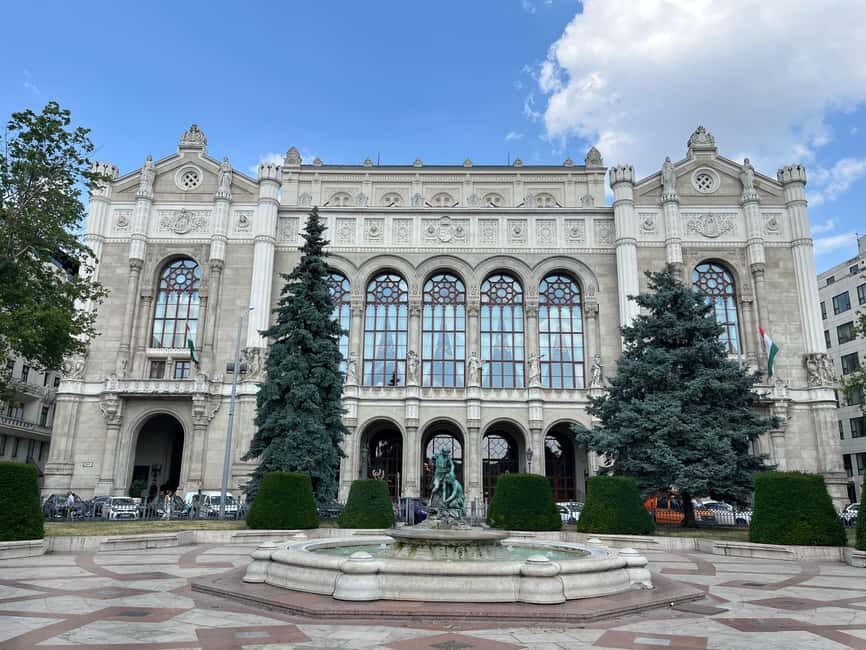
Then you move along the Danube Promenade, with a view of Vigadó Concert Hall. You’ll also look across the Danube to understand Buda’s side of the city. This is smart in a walking tour: you get a built-in “map lesson” while still enjoying big views.
Why it’s valuable: once you understand what you’re looking at across the river, later self-guided walks get easier. You’ll recognize landmarks faster and know which hills and districts the panorama is hinting at.
Chain Bridge, Gresham Palace, and the Academy: the city’s postcard logic explained
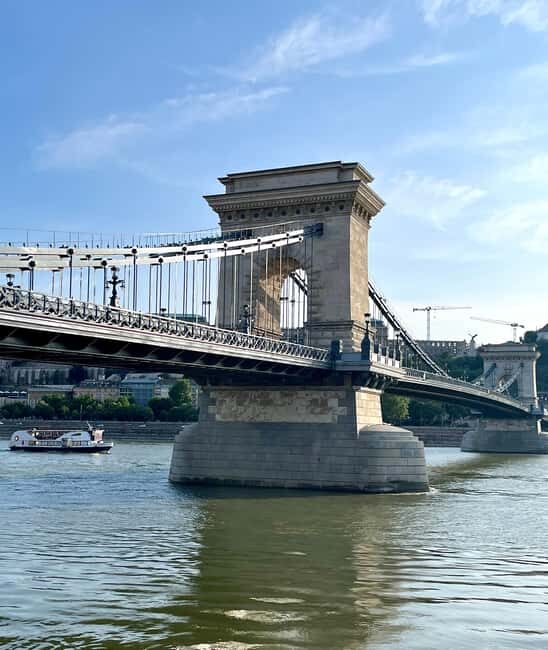
You’ll walk to the Chain Bridge, and your guide explains its story as you go. It’s one of those locations where the view is so famous that it’s easy to treat it like a photo step. The tour format makes it more useful by adding background as you’re standing right there.
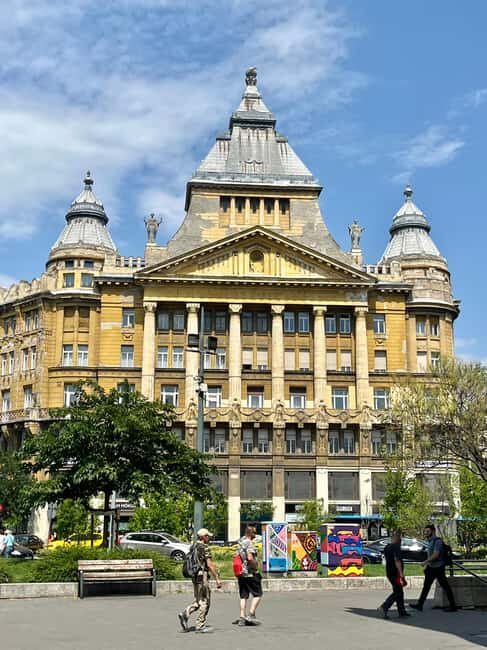
You’ll also learn about sights nearby, including Gresham Palace and the Hungarian Academy of Science. That pairing matters because these aren’t random buildings. They help you understand how Budapest looks when you view it as a single design plan rather than scattered attractions.
One practical drawback of iconic bridges: it can be crowded. You won’t control the crowd level, but you will have timing and guidance that helps you make the stop efficiently.
St. Stephen’s Basilica and the Parliament from outside: why exterior time still counts
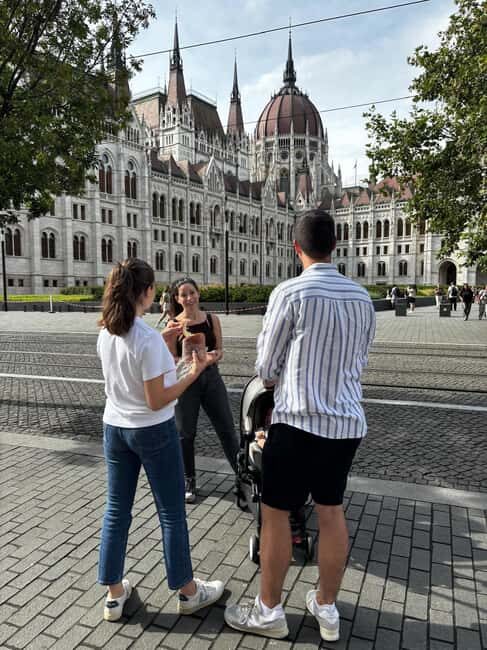
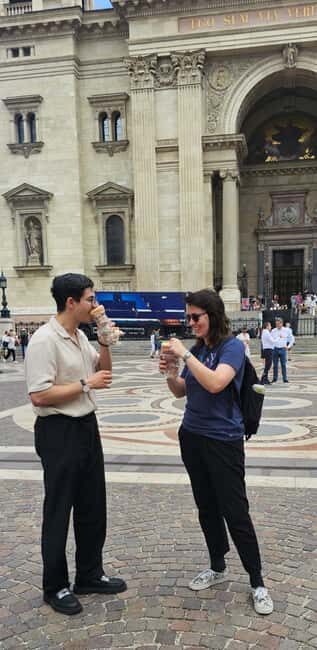
Then you reach St. Stephen’s Basilica. You’ll see it from the outside and learn the story behind it. Same approach with the Hungarian Parliament Building—also from outside, with explanations built into your walk.
Exterior viewing can feel limiting if you’re hoping for interiors. But it’s a good match for this tour length. You get the big shapes, the placement, and the narrative connection without losing half the day to access limits.
If you’ve never been to Budapest before, this is a strong introduction. The basilica and parliament are visual anchors, and once you understand their meaning, your later photos and day trips click into place faster.
The Bronze Shoes Memorial: a short pause with real weight
Near the end you’ll visit the Memorial of the Bronze Shoes along the Danube bank. You’ll hear about its tragic meaning, and you’ll then have time for a self-guided visit for about ten minutes.
This is where I think pacing matters most. Ten minutes doesn’t sound like much, but for this memorial it’s enough to read and absorb without rushing. If you tend to get emotionally affected by memorials, plan to stand still for at least a couple minutes. Don’t treat it like a quick stop.
Also, because it’s self-guided after the talk, you’ll get what you personally need from the experience. Some people read everything; others just sit with the scene. Both are fine.
Chimney cake, Polaroids, and why this tour is more than sightseeing
The dessert and photos aren’t add-ons here—they’re part of the “memory system.” Chimney cake gives you a sensory anchor, and Polaroid photos give you a tangible souvenir you can take home.
One of the strongest themes from the experience is how the guide handles these details. I’d especially note that the Polaroid portion is guided, not random. A guide who knows how to get good shots can make the difference between a blurry brag photo and something you’ll actually want to keep.
And yes, you’ll hear stories while you walk and snap pictures along the way. This is key: it turns a sightseeing route into a narrative you can remember later. You’re not just collecting images of buildings—you’re collecting the reasons you cared about them.
Price and value: what $42 buys you in the real world
At $42 per person for about 150 minutes, the price can feel fair—or surprisingly good—depending on what you usually pay for food and photo extras in Europe.
Here’s what you’re getting that usually costs extra elsewhere:
- A local dessert (chimney cake), handled for you as part of the flow
- Polaroid photos included, with help during the walk
- A guided route connecting major landmarks, transport basics, and city storytelling
- Small group size (max 6), which often means more attention per person
Drinks are not included, and you’ll want comfortable shoes. Also plan to bring water because hydration helps you enjoy the route instead of just surviving it.
If you’re doing your first Budapest day, this is a solid “set the tone” purchase. If you already know Budapest well and you want only interior visits, you might prefer a different format. But for first-timers—or anyone who wants a calm, guided overview—this is a good match.
Who this Budapest tour fits best
This tour is best for you if:
- You want a small-group experience with a guide speaking English
- You’d like to get oriented fast with practical stops like Deák Ferenc Square
- You enjoy food and photos, not just monuments
- You prefer short exterior viewing with stories rather than long museum-style pacing
It’s less ideal if:
- You need a lot of time inside major sites
- You hate walking and want minimal time on your feet
- You’re relying on included drinks (water isn’t provided)
Should you book this Budapest chimney cake and Polaroid walking tour?
I think you should book it if you want a smart first pass through Budapest—food, photos, and landmark context in a small group. The biggest strengths are the human scale (max 6), the Szimpla Kert start, and the way the guide ties each stop to a story you can remember.
If you’re choosing between random sightseeing and a guided route, this is the one that helps you understand what you’re looking at without slowing you down. Just bring water, wear shoes you trust, and give yourself permission to pause for the street art and the memorial. Those moments are where the walking tour turns into a real Budapest experience.
FAQ
Where does the tour meet?
The meeting point is in front of Szimpla Kert (ruin pub).
How long is the walking tour?
The tour duration is about 150 minutes (roughly 2.5–3 hours).
Is the tour guided in English?
Yes, the tour guide speaks English.
What food and photos are included?
You’ll get chimney cake (local dessert) and Polaroid photos that you can take home.
Do you go inside the synagogue, basilica, and Parliament?
The synagogue is listed as from the outside, and St. Stephen’s Basilica and the Hungarian Parliament Building are also from the outside.
Do I need to bring water?
Yes. Water and drinks are not included, so bring water with you.
How big is the group?
The tour is a small group with a maximum of 6 participants.