REVIEW · BUDAPEST
Budapest Tuk Tuk Tour with House of the Unicum Distillery Visit
Book on Viator →Operated by Budapest TukTuk · Bookable on Viator
Budapest, minus the walking grind. I like the way this private tuk-tuk tour gets you around the main sights fast, with a driver handling traffic and turns, so you don’t waste your day on navigation. I also love that hotel pickup is included, which helps a lot when Budapest’s streets and hills add up.
Another big plus is the Unicum stop, where you get a guided experience plus a drink tasting, and even a film and gift shop. On top of that, the guides I’ve seen tied to this tour—like Gabriella and Ben—are the kind who adjust the route based on what you actually want to see.
The main thing to consider is that not every sight includes entry. Some stops are free or included, but others (like the synagogue and certain churches) are not, and the time at each landmark is intentionally brief.
In This Review
- Key moments that make this tour worth your time
- Why a tuk-tuk loop works for first-time Budapest planning
- Hotel pickup, private vehicle, and how the 4-hour flow really feels
- Andrássy Avenue and the Hungarian State Opera House: big-boulevard first impressions
- Heroes’ Square in 15 minutes: the easiest win for national iconography
- Széchenyi-area highlights and the Jewish Quarter boundary feel
- Great Synagogue and Károlyi Garden: photo stops with real atmosphere
- Central Market Hall: shopping time you can actually use
- House of Unicum: tasting, film, and why this stop isn’t just a quick photo
- Danube views without the uphill grind: Liberty Bridge and the Chain Bridge area
- Gellért Hill: Citadella and Liberty Statue stop for quick, meaningful views
- Castle District Townhall and Matthias Church: short stops in the UNESCO zone
- Castle Garden, Margaret Bridge, and the Parliament exterior: the closing sweep
- What you pay $190.25 for, and what might cost extra
- Who should book this tuk-tuk plus Unicum day
- Should you book it?
Key moments that make this tour worth your time
- Hotel pickup and free drop-off in the wider downtown area, so you start and end without fuss
- Private tuk-tuk comfort for 2–3 people, with the option to split an odd-number group into another tuk-tuk
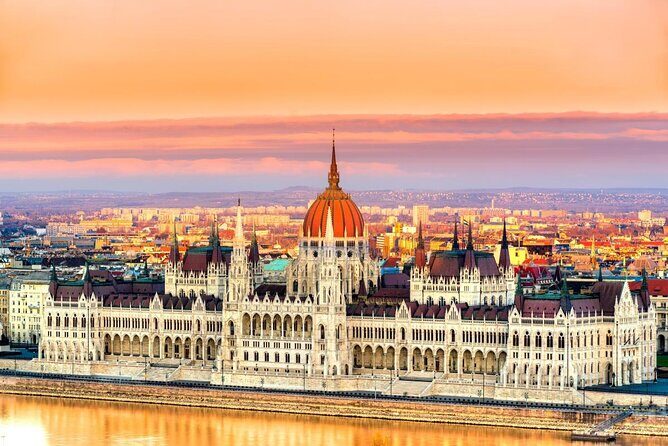
- Fast orientation around big hitters like Heroes’ Square, the Opera area on Andrássy Avenue, and Parliament from the outside
- House of Unicum visit with tasting (about 1 hour) plus guidance, a film, and a shop with lots of miniature bottles
- Plenty of photo stops at viewpoint-heavy spots like Citadella and Liberty Statue without a long hike
- Some entrances cost extra, so you’ll want to decide in advance what matters most
Why a tuk-tuk loop works for first-time Budapest planning
If Budapest is your first stop on the trip, this kind of day plan is hard to beat. The city rewards slow wandering, but the reality is you only have so many hours. A tuk-tuk driver keeps you moving between districts while you sit back and get your bearings fast.
I like that this tour isn’t just about seeing famous spots from far away. The route is built around quick, high-impact stops: big square views, grand boulevards, Danube bridges, and hilltop viewpoints. You’re still outdoors and you still get the feel of the city, just with far less effort than a walking-only plan.
You also don’t have to solve the puzzle of where to go next. With a driver transporting you around, you’re free to focus on what you’re seeing—then you can spend your energy on the parts you truly care about, like the Unicum distillery.
You can also read our reviews of more tours and experiences in Budapest.



Hotel pickup, private vehicle, and how the 4-hour flow really feels
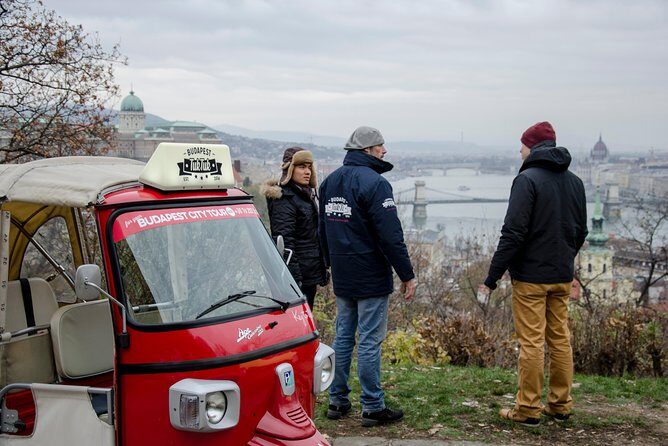
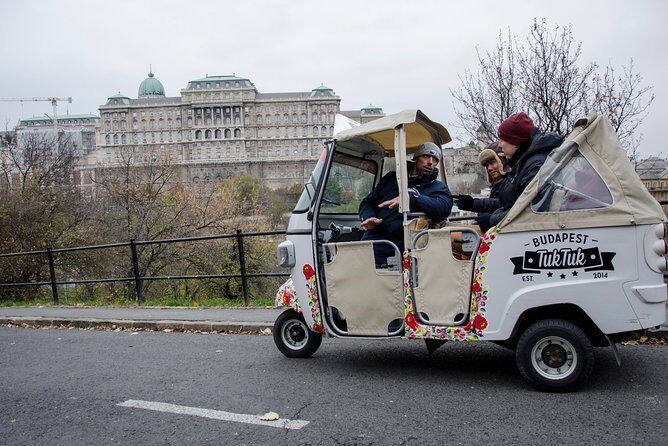
This runs about 4 hours and operates as a private tour, meaning only your group is involved. That matters for comfort and pace. You can ask the driver to slow down for photos or shift where you stand when you hit crowded areas.
Pickup is included from hotels in Budapest, or from a central meeting point you agree on. In practice, that reduces the usual “Where is the meeting spot?” stress. It also helps if you’re staying in the city center but don’t want to add extra transit time before you even start sightseeing.
A practical detail: one tuk-tuk is comfortable for 2–3 people. If your group has an odd number, you can specify that one person should ride in another tuk-tuk. This prevents the common downside of small-vehicle tours, where everyone ends up cramped.
Finally, plan for minor timing shifts. The advertised time can change by up to 1 hour, and the tour is subject to favorable weather conditions. If weather ruins the day, you’re offered an alternative date.
Andrássy Avenue and the Hungarian State Opera House: big-boulevard first impressions

Right away, you get placed where Budapest looks the most “grand.” Andrássy Avenue dates back to 1872, and it’s lined with impressive Neo-Renaissance facades. It’s also recognized as a World Heritage Site (since 2002), so you’re not just driving through a nice street—you’re on one of the city’s signature corridors.
Your route includes the Hungarian State Opera House, a neo-Renaissance building on Andrássy út. It was originally known as the Hungarian Royal Opera House and was designed by Miklós Ybl, a major figure in 19th-century Hungarian architecture. Even if you don’t go inside, the exterior alone gives you a strong sense of the city’s ambition and style.
Why this stop works: it helps you understand the city’s “shape.” Andrássy Avenue is a backbone for orientation, linking Erzsébet Square with Városliget. Once you’ve seen it from the road, the rest of your day makes more sense.
Heroes’ Square in 15 minutes: the easiest win for national iconography
Next comes Heroes’ Square, one of Budapest’s most recognizable monuments. You’ll spend about 15 minutes here, and entry is free.
The visual center is the statue complex, including the Seven chieftains of the Magyars plus other national leaders. There’s also the Memorial Stone of Heroes, and people sometimes confuse it with the Tomb of the Unknown Soldier—but either way, this square is designed to hit you with symbolism.
Here’s the practical benefit: you don’t have to hunt for understanding. In a short time window, you get a fast explanation of what you’re looking at and why it matters, without turning this into a museum day.
Széchenyi-area highlights and the Jewish Quarter boundary feel
From there, your route passes by places you’ll likely want to revisit later. One stop in the plan references the Széchenyi Medicinal Bath, described as the largest medicinal bath in Europe, with two thermal springs around 74°C and 77°C. Even if you don’t go in on this tour, it’s a helpful moment because it connects you to Budapest’s thermal-bath reputation.
You also roll through the area described as part of the party quarter—busy with restaurants, bars, and nightlife—but with low vehicle traffic and lots of pedestrians. Another helpful note is that it forms a northwestern boundary of the historic Jewish Quarter. In other words, you get a sense of where one of Budapest’s most important historical districts meets the modern city’s energy.
If you’re visiting in the evening or want a later dinner plan, pay attention here. This is the kind of area where you’ll have options for where to go next, without walking too far to find them.



Great Synagogue and Károlyi Garden: photo stops with real atmosphere
The tour includes a quick look at the Great / Central Synagogue (Nagy Zsinagoga) in Erzsébetváros. The plan lists it as the largest synagogue in Europe, seating about 3,000 people, and a center of Neolog Judaism. Your time is about 5 minutes, and admission is not included.
Even with a short stop, this is still worth it if your goal is a balanced “greatest hits plus a couple of deeper touches” day. The building’s scale is the point, and you’ll likely want to come back when you have more time if you care about the inside.
Then you head to Károlyi Garden, a public park in the 5th district. It’s described as the oldest remaining garden in its function downtown and among the best-documented palace gardens in Hungary. This is one of those pauses that gives your eyes a break after architecture and monuments. You don’t need a long stay for it to do its job.
Central Market Hall: shopping time you can actually use
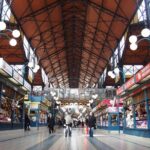
Your route includes the Great Market Hall (Nagyvásárcsarnok), Budapest’s largest and oldest indoor market. It’s not listed with a fixed time window in the details you provided, but the intent is clear: this is your chance for Hungarian food browsing and quick shopping.
A tip based on how this tour operates: your driver can usually help with where to stop and how you use your time. If you want souvenirs, paprika, jams, or spice blends, this is the kind of place where being dropped nearby makes the difference between browsing and skipping.
If you’re planning to buy edible gifts, consider bringing a shopping tote, and keep an eye on how much space you’ll have later in the day.
House of Unicum: tasting, film, and why this stop isn’t just a quick photo
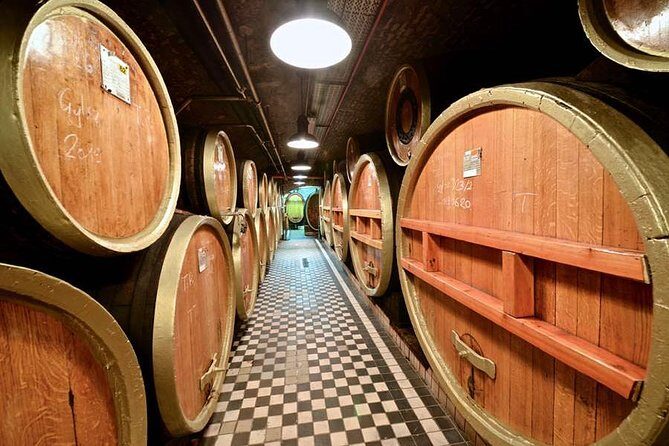
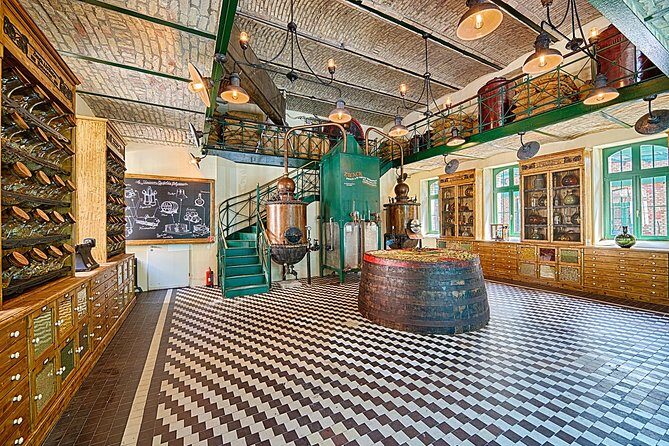
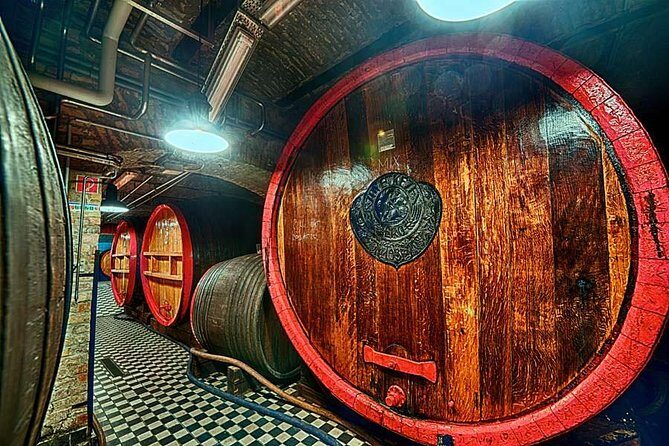
The highlight for many people on this route is House of Unicum. Your visit is about 1 hour, and the ticket is included.
Here’s what you can expect from the experience itself:
- guidance during your visit
- a film that covers the family history
- a drink tasting of Unicum herbal liquor (alcoholic beverages are included)
- a gift shop
- a largest miniature bottle collection in Europe
So yes, it’s fun. But it also helps you place Unicum in context. You’re not just tasting a drink and leaving. You learn what it is, where it came from, and why it has stayed part of Hungarian drinking culture.
One extra thing to note: in one account, the tasting felt limited because a coffee-flavored version wasn’t included. That’s not something you can control from the outside, but if you’re a coffee person, it’s smart to ask your guide or tasting staff what flavors you’ll get on your specific session.
Danube views without the uphill grind: Liberty Bridge and the Chain Bridge area
After Unicum, the day leans back into city views. You’ll pass Liberty Bridge (connecting Buda and Pest across the Danube). It’s described as the third southernmost public road bridge in Budapest and originally named Franz Joseph Bridge. Even if you don’t go far from the roadway, it’s a classic “Budapest from the river corridor” moment.
Next, the route mentions the Gellért Thermal Baths and Swimming Pool at the famous Hotel Gellért in Buda. This is a big part of Budapest’s thermal identity, and seeing it from the outside gives you a feel for why people build entire trips around bath time.
You’ll also see Széchenyi Chain Bridge spanning the Danube between Buda and Pest, described as the first permanent bridge across the Danube in Hungary and opened in 1849. It’s an anchor point for photos, and having a driver to position you reduces the usual chaos of trying to walk and frame shots on a busy bridge approach.
Gellért Hill: Citadella and Liberty Statue stop for quick, meaningful views
Next up is Citadella (Citadella / Gellért Hill citadel). The time listed is 15 minutes, and admission is free. This is where you get high-up views without committing to a long hike.
Then there’s the Liberty Statue (Szabadság-szobor), a monument commemorating those who sacrificed their lives for Hungary’s independence, freedom, and prosperity. Your time listed here is 5 minutes, and admission is free.
Why this pair works: the monument gives meaning, and the height gives perspective. From this kind of spot, Budapest’s geography clicks into place—river, hills, and urban layers.
If you’re traveling in colder months, dress for wind. Hilltop areas can feel colder even when the city center seems mild.
Castle District Townhall and Matthias Church: short stops in the UNESCO zone
Your route then heads into the Castle Hill area. The plan notes Castle Hill as a limestone plateau 170 meters above the Danube, with medieval monuments and museums and UNESCO World Heritage status. There’s also mention of a 28 km-long network of caves formed by thermal springs. Even if you don’t go underground, the idea is part of what makes the area distinctive.
You’ll stop at the Castle District Townhall with admission included for about 10 minutes. After that, there’s a quick stop at Matthias Church (Mátyás-templom) in front of Fisherman’s Bastion area. The time listed is 5 minutes, and admission is not included.
Two practical points here:
- Because time is short, you’re likely to focus on exterior architecture and viewpoints rather than a slow interior visit.
- If Matthias Church interior matters to you, plan to buy tickets separately or plan a follow-up visit on another day.
Castle Garden, Margaret Bridge, and the Parliament exterior: the closing sweep
Before the final viewpoint, you pass Castle Garden, described as Budapest’s unique blend of art and nature with events and leisure space. This is less about a single landmark and more about atmosphere, a breather between major monuments.
Then comes Margaret Bridge (Margit híd), connecting Buda and Pest and linking Margaret Island to the banks. It’s described as the second-northernmost and second-oldest public bridge in Budapest. Again, you’re getting Danube structure views, not a long walking detour.
The last listed major stop is the Hungarian Parliament Building. The plan says you’ll have about 15 minutes, but it does not include an internal visit and admission isn’t included. That’s a common setup for a tuk-tuk day: you get the exterior impact without turning the schedule into a full-ticket timed-entry project.
If Parliament interior is a must, treat this as your orientation stop and save the inside for a separate, more time-flexible slot.
What you pay $190.25 for, and what might cost extra
At $190.25 per person for about 4 hours, you’re paying for three things: private guiding, a tuk-tuk vehicle, and the included distillery component.
Value check:
- Included: hotel pickup from the wider downtown area, Unicum distillery and museum visit, drink tasting, guidance, English guide, complete flexibility, alcoholic beverages, and free drop-off in the wider downtown area.
- Likely extra: entrances where the plan lists tickets as not included, such as the Great Synagogue, Matthias Church, and Parliament interior (not included anyway).
So the real question is whether the Unicum visit is a priority for you. If yes, this price starts to make sense quickly. If you only want basic city driving and you don’t care about the distillery and tasting, you might feel the cost more.
Either way, you’re buying convenience. A tuk-tuk day like this saves time and energy, and it helps you see far more without the usual map-and-transit headaches.
Who should book this tuk-tuk plus Unicum day
This tour fits best if you want:
- a first-pass orientation to Budapest’s major sights
- a day that’s active but not exhausting
- a mix of landmarks, viewpoints, and one planned cultural experience (Unicum)
- a private setup where you can adjust what you focus on
It’s also a good match if you’ve already visited Budapest once and you want more structure than wandering alone. It’s a solid choice for couples, small friend groups, and anyone who prefers a driver to do the route math.
If you’re the type who loves long museum time and deep ticketed interiors, you may find the short stops frustrating. This is a “see a lot, then return” style tour.
Should you book it?
I’d book this if Unicum and fast orientation matter to you. The included distillery visit with tasting, film, and the miniature-bottle collection is a real anchor in the day, and the tuk-tuk format keeps you comfortable while you rack up recognizable Budapest landmarks.
Skip it or plan differently if you mainly care about interior visits at the Parliament, Matthias Church, and synagogue. The schedule is built for quick looks and exterior impact, with some entrance fees left for you.
If you do book, go in with one small mindset shift: use this day to learn the city’s layout and priorities, then come back for the longer stops that truly grab you.