REVIEW · BUDAPEST
Budapest: The WWII Siege of Buda Castle & Bomb Shelter Tour
Book on GetYourGuide →Operated by Buda Castle Walks · Bookable on GetYourGuide
A siege story in real underground corridors grabs you fast. This 90-minute, English-language walk above and below Castle Hill connects the WWII siege of Budapest with the lived reality of the people who hid in the Buda Castle cave system. Guides such as Rita, Jonas, and Kopp are known for using diaries and memoirs to turn names and dates into a route you can follow through cellars and bomb shelters.
I particularly like two things: you get both the above-ground Castle district context and the inside-the-caves survival spaces, so the history sticks instead of floating in theory. And the pacing is tight—short enough to stay sharp, long enough to feel you actually moved through the story, not just heard about it.
One consideration: this tour has real physical challenges. Expect cobbled streets, steep stairs, narrow corridors, and a cold indoor stop (about 12°C / 54°F), and it’s not a fit if you have mobility limits or claustrophobia.
In This Review
- Key points worth your time
- A 90-Minute Time Machine Under Castle Hill
- Starting at Dísz Square: Finding De la Motte–B.-Palace Without Stress
- Úri Street and Lovas Way: Getting the Siege Geography Right
- Budai Vár-barlang Cave Walk: The 35 Minutes That Changes the Whole Mood
- The Bomb Shelter and Cellar Stop: Where Survival Was Practical, Not Heroic
- The Siege of Budapest Explained Through Diaries and Memoirs
- How Long Is It Really, and Is It a Good Use of Your Time?
- What to Wear: Cold Caves, Wet Stone, and the Shoes That Actually Help
- Who This Tour Is For (and Who Should Skip It)
- Price and Value: Why $24 Can Be Worth It
- Guides Make the Difference: Expect Real Storytelling, Not Just Dates
- Should You Book This WWII Siege of Buda Castle Tour?
- FAQ
- Is the tour 1.5 hours or 90 minutes?
- Where do I meet the tour guide?
- Where does the tour finish?
- Is the tour guided in English?
- Does the tour run in bad weather?
- Is this tour mostly outdoors or indoors?
- What should I bring?
- How cold is it underground?
- Is it suitable for children?
- Can I take this tour if I use a wheelchair?
- Is it okay if I have claustrophobia?
- What if I need to change my plans?
Key points worth your time
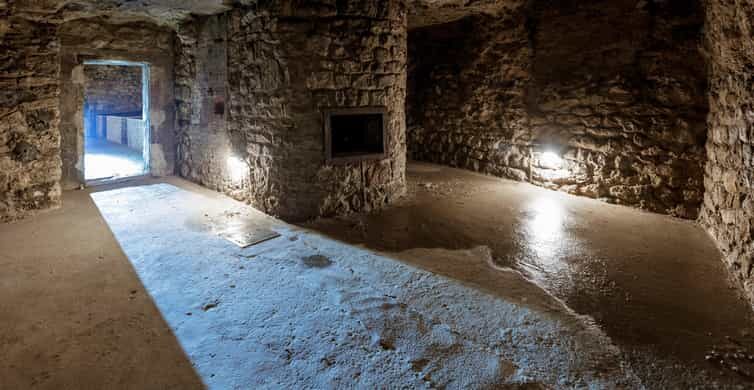
- Above-ground street traces plus underground shelter space for a full sense of the siege
- Original bomb shelter and cellar settings tied to the Castle district’s WWII refuge system
- Short, 90-minute format that packs a lot of context without dragging
- English guiding with strong clarity (including setups designed so you don’t miss key details)
- Cold, damp-feeling reality at about 12°C year-round in the caves and cellar areas
- Not for everyone: steep, narrow, and sometimes wet surfaces; not suitable for wheelchair users
A 90-Minute Time Machine Under Castle Hill
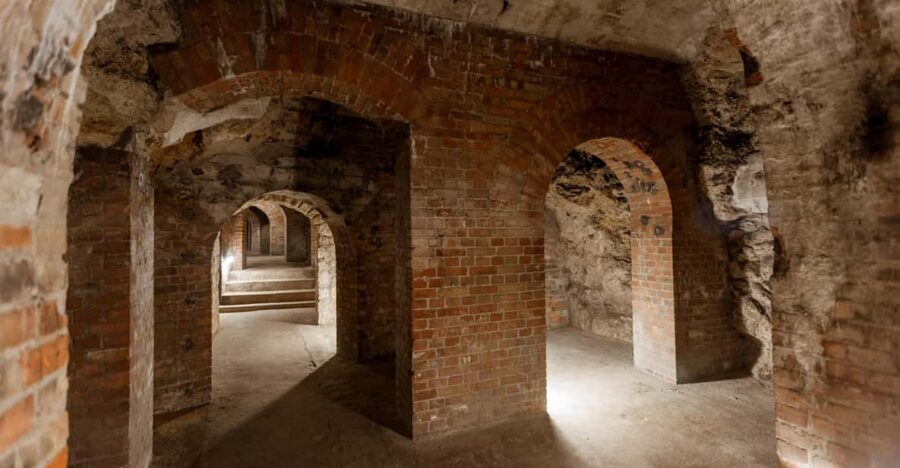
This tour is built around one simple idea: if you want to understand the Siege of Budapest, don’t just read about it—walk through the places where people tried to stay alive. You’ll start in the Palace District and then move into the Buda Castle Cave system, where the stone turns the whole story from history class into something much more immediate.
What makes it special is the balance. You spend time above ground learning what the district was like and what signs of the siege remain, then you go under ground into the cave labyrinth and an authentic WWII bomb shelter. That two-level approach matters. Above ground gives you geography. Underground gives you emotion—darkness, overcrowding, and the basics of survival.
And yes, the subject is heavy. The tour deals with terror, cold, hunger, disease, and the constant fear of death. But it’s also clear-eyed and practical: the guide connects the hardship to how the Castle district’s underground spaces were used, and why the siege has often been compared to Stalingrad.
You can also read our reviews of more tours and experiences in Budapest.



Starting at Dísz Square: Finding De la Motte–B.-Palace Without Stress
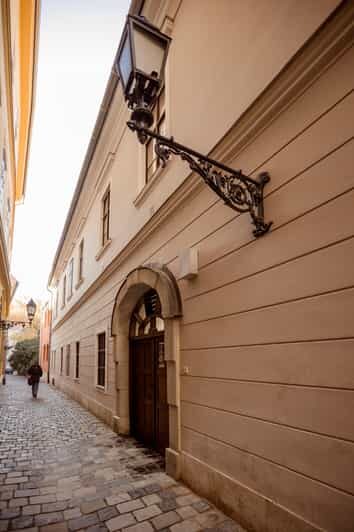
Your day begins at De la Motte–B.-Palace, Dísz Square 15 (Dísz tér 15), right next to the Posta building, at the big green gate. Look for a guide holding a turquoise umbrella with the Buda Castle Walks logo.
This matters more than you might think. Castle Hill can be busy, and there can be construction or traffic-area changes. The operator also provides a real-time on-site visit planner for traffic conditions and closures in the Palace District. If you’re going to be in a hurry, check it first so you don’t waste time circling around the same streets.
The tour starts promptly. If you’re late, you won’t get waited for, so give yourself a little buffer on arrival—especially if you’re juggling a train, tram, or a short walk from another part of the city.
Úri Street and Lovas Way: Getting the Siege Geography Right
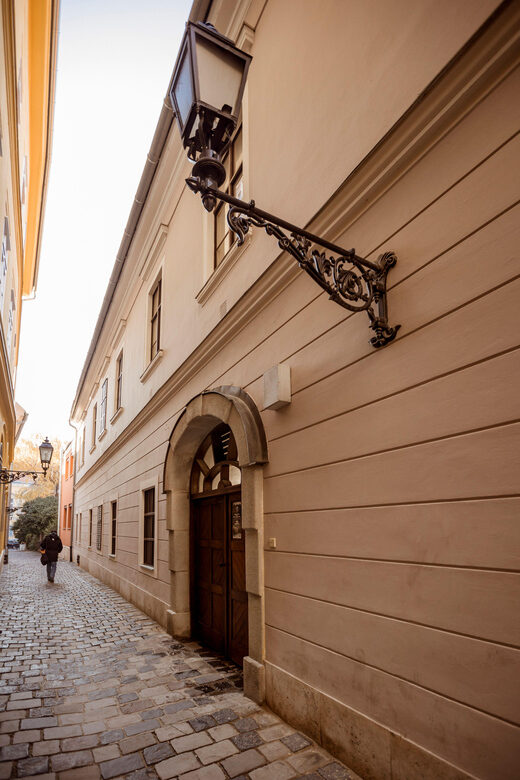
Before you step into the caves, you walk through the Castle district’s streets—starting with Úri Street and continuing via Lovas Way. This part is what gives the underground stops their meaning.
On the surface, you’re not just sightseeing. You’re building a mental map of how the Castle area functioned during the siege and why people would funnel toward these underground refuge spaces. One reason this works so well is that the guide points out traces that connect the story to the actual built environment—things you’d miss if you walked past fast.
For example, you might see references to surviving marks such as bullet holes, secret doorways in buildings, and ventilation shafts that run upward from public shelters. Those details aren’t there for decoration. They’re the physical evidence that the district wasn’t abstract during WWII—it was a contested place with infrastructure pressed into survival mode.
Budai Vár-barlang Cave Walk: The 35 Minutes That Changes the Whole Mood
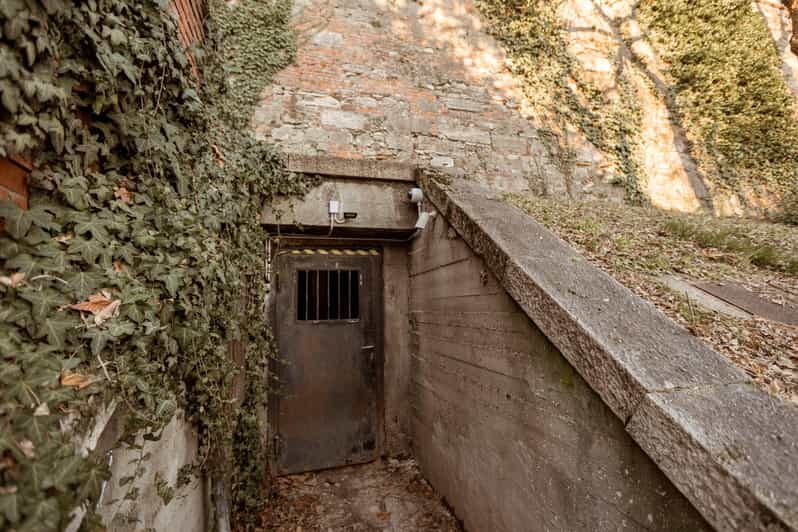
The centerpiece is the time you spend at Vár-barlangi séták (Budai Vár-barlang), where the cave walk runs about 35 minutes as part of the full 90-minute experience.
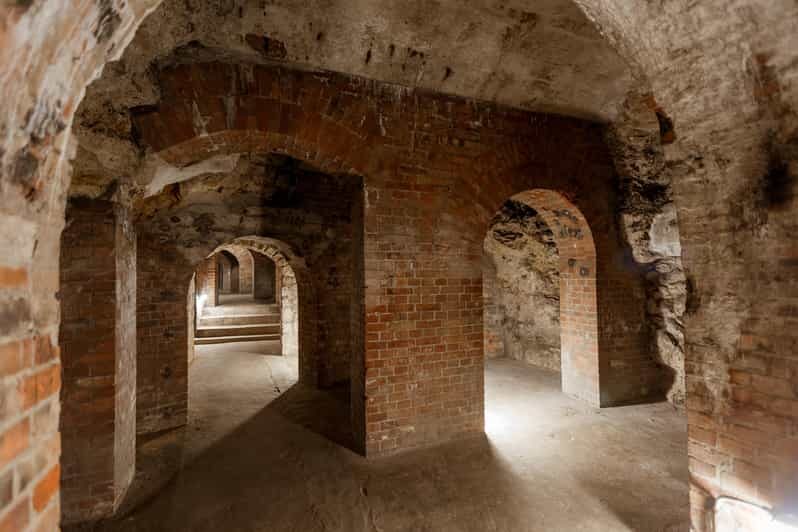
Here’s what you should expect: the environment shifts from daylight and city noise to dim, stone-lined corridors. The route includes underground sections with steep stairs and narrow passageways. Lighting is provided, but it still feels like you’re in a real subterranean system, not a theme-park replica.
The temperature is a key practical detail. The cave and cellar areas are about 12°C / 54°F all year. That means even in summer, you’ll feel the chill. Dress in layers, not just one light top.
And one more reality check: if you’re sensitive to tight spaces, take the tour’s warning seriously. Even when the passageways are manageable for many people, they can feel claustrophobic. In the same way that a real shelter would have felt cramped, you may find the tunnel vibe emotionally intense.
The Bomb Shelter and Cellar Stop: Where Survival Was Practical, Not Heroic
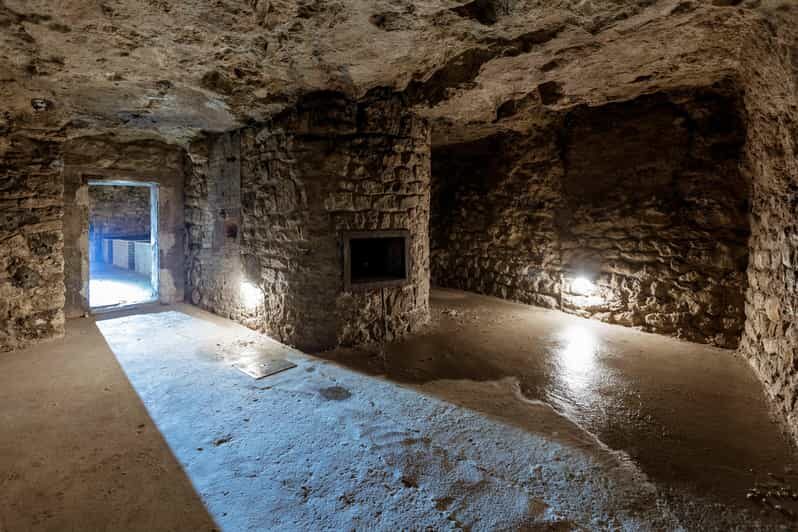
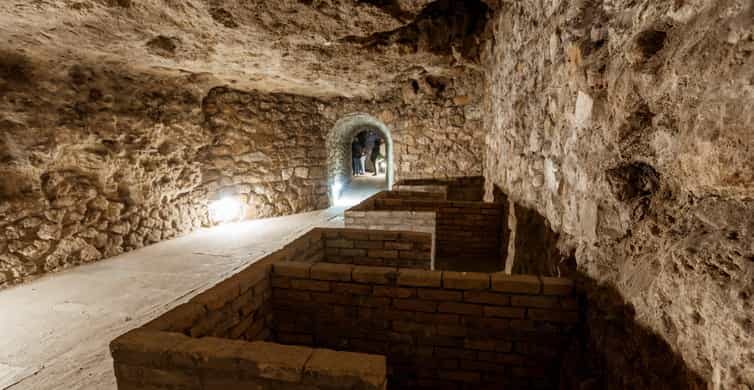
The tour doesn’t just point at caves. You visit a cellar of an old dwelling house and an authentic WWII bomb shelter inside the cave system that stretches beneath this historic district.
That sounds like a “sight” at first. In practice, it’s the part that makes the siege understandable. The guide ties the space to what people needed: shelter from bombardment, protection from weather, and some chance to ride out weeks when ordinary life was gone.
The story the guide tells focuses on what made this shelter use so brutal and exhausting: cold, lack of water and food, darkness, overcrowding, and disease. People weren’t just hiding for a day. The siege lasted 52 days, beginning after the Soviet Red Army encircled German-occupied Budapest on Christmas Eve, 1944.
And while the tour centers on the shelter experience, it doesn’t ignore human variety. You’ll hear about German and Hungarian soldiers, the wounded, and civilians who sought refuge in the Royal Palace area and the cave and cellar network around it.



The Siege of Budapest Explained Through Diaries and Memoirs
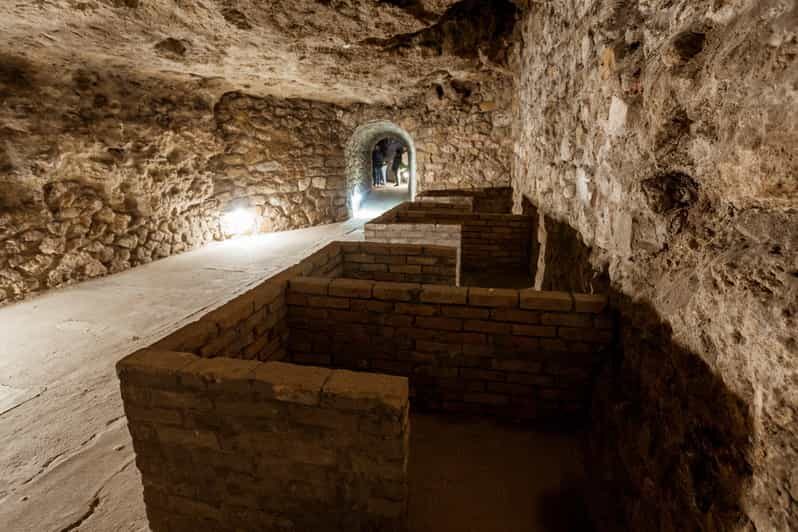
One of the strongest parts of this tour is how the guide frames the siege as both a timeline and a human experience. The guide’s method—using diaries and memoirs—makes the history specific instead of generic.
You’ll come away understanding why the Siege of Budapest gets compared to Stalingrad: both involved encirclement, prolonged suffering, and a crushing mix of military pressure and civilian catastrophe. The comparison isn’t just dramatic storytelling. It reflects the scale and brutality of encirclement warfare in WWII.
What I like for your decision-making is that the tour doesn’t only ask you to feel. It also explains. By the end, you should be able to connect the broader events—the Red Army encirclement, the siege timeline—to the physical geography that shaped day-to-day survival in the Castle district’s underground spaces.
If you’re a history lover, this is the kind of tour that can reset what you think you know. Even if you’ve heard of the siege before, the focus on Buda Castle specifically helps you see the city as a system under stress.
How Long Is It Really, and Is It a Good Use of Your Time?
The duration is 90 minutes, with the important detail that the program is a mix of outdoor and indoor walking. That mix is part of the value: you get context above ground, then you get the “why” below ground.
The timing also helps. Ninety minutes is long enough to feel the route, but short enough that you’re not stuck in one static indoor exhibit. When your brain is tracking a serious subject like this, momentum matters.
A small-group feel also seems to be common from the overall feedback. People have described getting personal attention and hearing details clearly, which is exactly what you want for a story told through specific places.
What to Wear: Cold Caves, Wet Stone, and the Shoes That Actually Help
If you remember only one practical thing from this review, make it this: bring comfortable walking shoes and dress for cold stone.
Even without rain, the cave and cellar areas are cool. Dress in layers so you can add or remove depending on whether you’re on sunlit streets or underground.
Also consider surfaces. The tour includes cobbled streets and underground areas with steep stairs, narrow corridors, and surfaces that may be solid but can become wet. This isn’t the kind of walk where you can rely on slick sneakers and hope for the best.
If you’re coming from another part of Budapest, pack a small water bottle and a snack. The tour data explicitly recommends snacks and water—useful because you might not want to detour for food right afterward.
Who This Tour Is For (and Who Should Skip It)
This experience is recommended for ages 14 and up.
It’s not suitable for:
- children under 14
- people with mobility impairments
- wheelchair users
- people with claustrophobia
That’s not “bureaucratic fine print.” It’s a direct reflection of what you’ll do: climb steep stairs, move through narrow, dim corridors, and spend time underground where space feels tighter than you might expect.
If you enjoy WWII history but want it tied to real places, this tour fits. If you want a lighter, scenic Castle walk, this is probably not it—because the story is grim and the spaces are designed for endurance, not comfort.
Price and Value: Why $24 Can Be Worth It
At $24 per person, the price is reasonable for a specialized tour that blends two things you don’t often get together: guided WWII interpretation plus access to underground spaces (including an authentic bomb shelter and cellar).
You also get an English live guide for a full 90 minutes, not a short stop-and-point type experience. And because most of the tour is spent walking through the story’s setting—above ground for context, underground for the “survival” reality—you’re not just paying for a lecture.
Is it worth it if you hate emotional history? Probably not. But if you can handle heavy topics and you like learning through place, it’s strong value.
Guides Make the Difference: Expect Real Storytelling, Not Just Dates
The most consistent praise in the tour feedback focuses on the guides: clear explanation, strong engagement, and a passion for the Castle district’s WWII story. Names that come up include Rita, Jonas, Kopp, Balacsz, and Cop—each highlighted for turning complex siege events into something you can follow.
One practical benefit from the feedback: sound setup matters. People have noted things like personal headphones helping them catch details without straining. That’s worth taking seriously. In underground spaces, you don’t want to miss key parts because of acoustics.
So if you’re the type who likes to ask questions or wants context beyond the basic facts, this tour tends to reward that curiosity.
Should You Book This WWII Siege of Buda Castle Tour?
Book it if you want WWII history that’s tied to the actual spaces people used to survive. You’ll get a structured story of the siege—encirclement beginning on Christmas Eve 1944, the 52-day ordeal, and the underground shelter experience in the Castle district—plus the physical route that helps it all make sense.
Skip it if you’re not comfortable with tight, dim tunnels, steep stairs, or potentially wet surfaces. And if you’re looking for a relaxing Castle highlight, choose a different walk.
If you’re deciding right now, my advice is simple: bring warm layers and good shoes, respect the underground conditions, and go in ready for a serious story. When it lands, it lands hard—in the best way.
FAQ
Is the tour 1.5 hours or 90 minutes?
The tour runs for about 90 minutes (1.5 hours).
Where do I meet the tour guide?
Meet at De la Motte–B.-Palace, 1014 Budapest, Dísz tér 15 (Dísz Square 15), next to the Posta building at the big green gate. Look for the colleague with the turquoise umbrella.
Where does the tour finish?
The tour finishes at Szentháromság tér (Szentháromság Square).
Is the tour guided in English?
Yes, it’s a live guided tour in English.
Does the tour run in bad weather?
Yes. It takes place in all weather conditions, including rain.
Is this tour mostly outdoors or indoors?
It’s both. It includes outdoor walking and indoor time in the cave and shelter areas.
What should I bring?
Bring comfortable shoes, warm clothing, snacks, and water.
How cold is it underground?
The temperature in the cellar and in the Buda Castle Cave is about 12°C (54°F) year-round.
Is it suitable for children?
It’s recommended for ages 14 and up, and it’s not suitable for children under 14.
Can I take this tour if I use a wheelchair?
No. The tour isn’t suitable for wheelchair users and isn’t recommended for people with mobility impairments.
Is it okay if I have claustrophobia?
No. It isn’t suitable for people with claustrophobia due to narrow corridors and underground spaces.
What if I need to change my plans?
You can cancel up to 24 hours in advance for a full refund, and you can reserve now and pay later.