REVIEW · BUDAPEST
Budapest Pest side tour: Days of Glory
Book on Viator →Operated by Budapest Wonderguides · Bookable on Viator
Budapest’s Pest side is a storybook, if you know where to look. This private tour strings together the district’s biggest landmarks and the behind-the-scenes human drama, from Count Andrássy’s UNESCO avenue to the Parliament’s 20th-century twists. You’ll get a guide’s full attention and a route that’s built for first-timers who want the highlights fast.
What I especially like is how the tour balances famous buildings with meaning—Opera House stops connect to Hungarian musical giants, and St Stephen’s Basilica becomes a springboard for talking about faith in Hungarian culture. I also like that it’s timed and paced for real viewing (about 4 hours, with moderate walking). The one thing to consider: there’s no food included, so you’ll want to plan a meal either before or after, especially if you start at 9:00 a.m.
In This Review
- Key things to know before you go
- Entering Budapest via the Pest side, not just postcards
- Count Andrássy Avenue: the UNESCO start that sets the tone
- Heroes Square and City Park: the “big symbols” stop
- Vajdahunyad Castle and the biggest bath: history meets leisure
- Opera House area: the Liszt, Bartók, Kodály connection
- St Stephen’s Basilica: faith, earlier beliefs, and meaning on the inside
- Liberty Square and Parliament: 20th-century reality check
- Private guide value: why 4 hours feels longer (in a good way)
- Price and logistics: how to judge value beyond the number
- Who this tour suits best (and who might want a different approach)
- Practical tips to make the most of the 4-hour route
- Should you book Budapest Pest side: Days of Glory?
- FAQ
- How long is the Budapest Pest side tour Days of Glory?
- Is this a private tour?
- What group size is it for?
- What language is the tour offered in?
- Is hotel pickup included?
- What does the tour include?
- Are meals or drinks included?
- What time does the tour start?
- What if I need to cancel?
Key things to know before you go
- Private group (up to 6) means your questions don’t get lost in a crowd
- Hotel pickup is offered for select hotels, saving time and hassle
- A tight Pest route covers Andrássy Avenue, Heroes Square, City Park, the Opera area, and major churches and monuments
- Music-and-history storytelling links Liszt, Béla Bartók, and Zoltán Kodály to what you see on the street
- St Stephen’s Basilica + 20th-century stops make the tour more than just photos
- Mobile ticket keeps check-in simple
Entering Budapest via the Pest side, not just postcards
If you’re trying to understand Budapest in a few hours, Pest is the smart place to start. The grand boulevards and monuments are there for a reason: they show how Hungary wanted to present itself—then show how the 20th century forced that image to change.
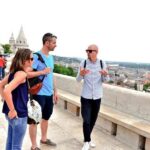
This tour hits the main arcs in a way that feels practical. You’ll walk a lot, but the route is planned so each stop explains the next one. And because it’s private, you’re not watching a guide talk at a wall of strangers—you’re getting a real conversation, the kind you can only get with guides like Zsuzsa and István, who were praised for mixing facts with a sense of humor and for giving up-to-date, on-the-ground advice.
You can also read our reviews of more tours and experiences in Budapest.



Count Andrássy Avenue: the UNESCO start that sets the tone
You begin on Count Andrássy’s prestigious Avenue, the UNESCO site that frames Pest’s “main character” energy right away. Even if you’re not a deep-architecture person, you’ll notice the difference: this avenue is built like an introduction, not a background.
As you walk, you’re set up to see why these sights cluster where they do. It’s the kind of start that helps you stop thinking of Budapest as separate attractions and start seeing it as one city with connected stories. If you’ve only got one morning for Pest, this opening section is a strong bet.
A small consideration: this part is a morning start (9:00 a.m.). If you’re traveling with tight sleep schedules, bring water and keep your pace steady—your guide can usually manage timing, but you’ll still want comfortable shoes.
Heroes Square and City Park: the “big symbols” stop
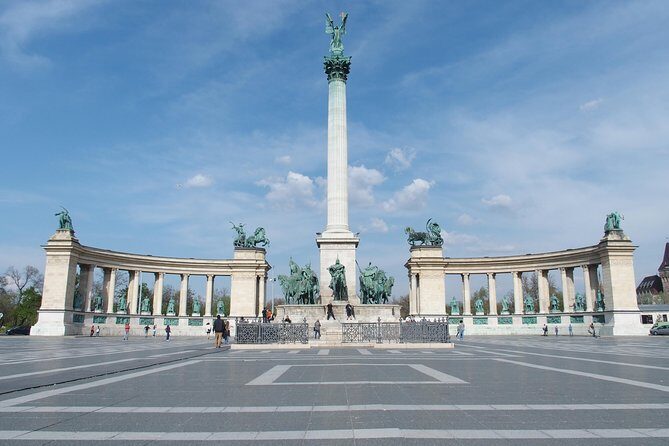
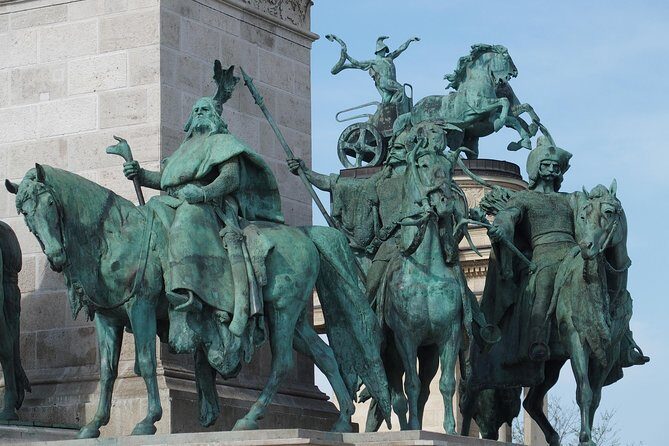
From Andrássy Avenue, the tour heads toward Heroes Square and the embrace of City Park. These are the places where Budapest goes big: statues, ceremonial space, and the visual language of national pride.
This is also where the tour begins doing more than listing places. You’ll get the guide’s framing so you understand what you’re looking at: how the square and the park fit into Hungary’s self-image and how that self-image gets reshaped by later events you’ll hear about further on.
If you like photos, this is your stretch. But it’s also ideal for orientation. After Heroes Square, the rest of your day in Budapest makes more sense, because your eyes start to connect street layouts to historical intent.
Vajdahunyad Castle and the biggest bath: history meets leisure
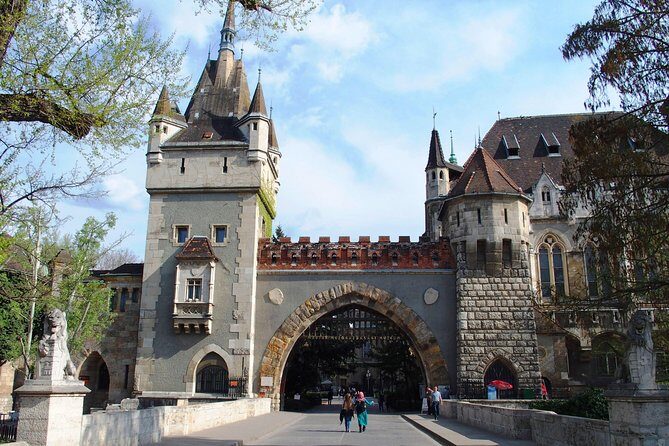
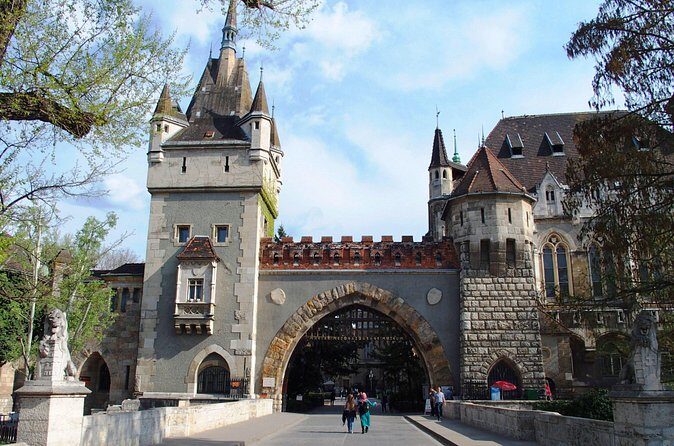
Next comes the fairytale castle at Vajdahunyad Castle, plus a stop connected to the biggest bath in Budapest. This combination works well because it shows a different side of Hungarian life: not just monuments and politics, but culture and leisure.
Vajdahunyad Castle is visually memorable, and that matters on an intro tour. When a building looks like a storybook, your brain remembers it—and that makes the surrounding explanations easier to keep. The bath component adds context about why Budapest’s spa culture is a central part of how locals and visitors experience the city.
One practical note: bath-related areas can involve extra walking and can be crowded at certain times. This tour is designed for a smooth 4-hour run, so you’ll likely spend your time efficiently rather than getting stuck in peak-hour lines.
Opera House area: the Liszt, Bartók, Kodály connection
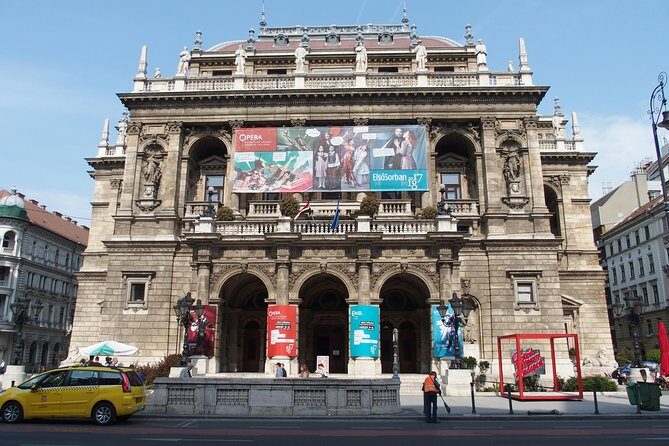
Later, you’ll circle around the Opera House and hear the stories of Hungarian musical giants: Franz Liszt, Béla Bartók, and Zoltán Kodály. This stop is valuable because it turns a pretty façade into a context lesson.
Music history can feel abstract when it’s only dates and names. Here, the guide ties those figures to what you can see in the neighborhood—so you understand why the Opera House matters beyond being a famous building. If you care about culture, this is often the section people remember long after they’ve moved on to the next city.
Also, the guides’ storytelling style seems to be a highlight. People praised guides like Katalin for building a walking experience that felt like seeing Budapest with a friend—warm, clear, and actually interesting. If that’s your style, you’ll likely appreciate the Opera area for exactly that reason.


St Stephen’s Basilica: faith, earlier beliefs, and meaning on the inside
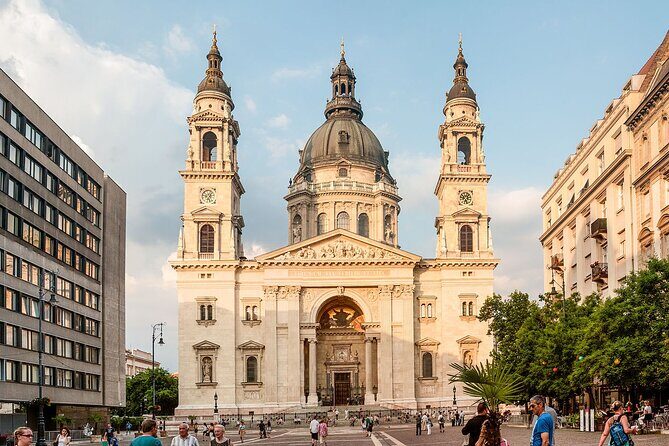
You’ll reach one of Budapest’s most visited sites: St. Stephen’s Basilica. This stop is more than sightseeing. Your guide uses the basilica as a chance to talk about Christianity and about earlier beliefs connected to Hungarian culture.
That kind of explanation makes a big difference. Many visitors treat major churches like museum stops. Here, you’re encouraged to think about the layers—religion, identity, and how belief systems shift over time. It’s also a great “reset” point in the tour because the conversation turns reflective, not just chronological.
If you’re visiting in cold or rainy weather, this is also a practical win. Churches are built for shelter, and spending time inside can break up the walking rhythm without losing momentum.
Liberty Square and Parliament: 20th-century reality check
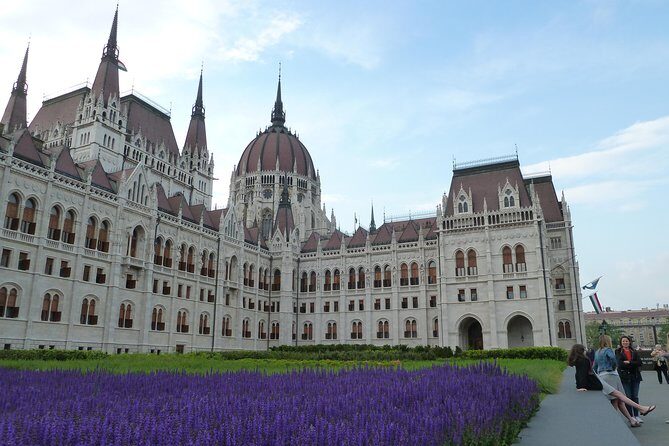
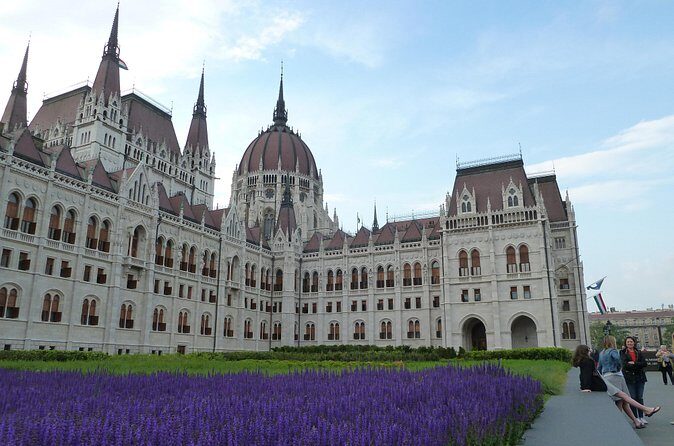
The tour moves into the thick of Hungarian 20th-century storytelling, including Liberty Square and the Parliament Building. The phrasing used in the route description says the devil is in the details here—and that’s exactly what you’ll get. Parliament isn’t shown just as an impressive photo background; it’s presented as a symbol that has been shaped by real turbulence.
You’ll walk through the guide’s take on “from revolutions to peace, and from peace to terror,” and how that era changed Hungary’s story. Even if you only know Hungary from headlines or a few historic dates, this portion gives you a clearer mental timeline.
And because the Parliament is the most famous architectural statement on the Pest side, ending with it (or at least using it as a major anchor) gives you a satisfying sense of arrival. You’ve seen the grand city presentation first, then the forces that tested it.
Private guide value: why 4 hours feels longer (in a good way)
For $230 per group (up to 6), you’re buying more than someone to hold a map. You’re buying speed plus attention. In a private setup, the guide can adjust pace, answer your questions, and keep your route aligned with what you actually care about.
The reviews highlight that guides were flexible. One account emphasized that an older guest could keep a slower pace and still enjoy the tour, including help with practical suggestions like restaurants, baths, festivals, and even notes about current building renovations. That kind of tailoring matters if your travel group has different interests or different stamina.
If you’re the type who hates standing in silence, waiting for a tour to catch up, this is the format that fixes that.
Price and logistics: how to judge value beyond the number
The price is $230 per group, not per person (for up to 6). That structure can make a big difference depending on how you travel. If you’re a duo or small family, you’ll feel it less than you might expect because you’re not paying for a full “busload” of strangers. If you’re a group of four or six, it becomes a very efficient way to get a guided Pest highlights tour without splitting into different sessions.
Also, the tour offers pickup from select hotels, which is one of those details that quietly improves the whole day. Less time wrangling transit at the start means you get more actual city for your money. You’ll also receive a mobile ticket, which keeps the start simple once you’re ready.
One drawback to flag again: food and drinks aren’t included. If you’re prone to getting hangry (totally human), plan where you’ll eat after the tour. The upside is that this keeps the schedule cleaner and focused on walking and storytelling rather than meal timing.
Who this tour suits best (and who might want a different approach)
This is a great match if you:
- want an efficient first-time orientation to Pest
- like guided storytelling more than self-guided photo stops
- travel with a group of up to 6 who want one shared plan
- enjoy cultural history connections, especially music and major civic monuments
It may be less ideal if you:
- dislike walking for about 4 hours with a moderate fitness level
- need a tour with guaranteed meal stops
- want a very slow, no-stops pace (private tours can adjust, but there’s still an intentional route)
And if you’re traveling with kids: children must be accompanied by an adult. With the private format, the guide can often keep things moving in a way that works for your family, but you’ll still want to pack patience and water.
Practical tips to make the most of the 4-hour route
Start with the obvious: wear comfortable shoes. This is a walking tour, and the Pest highlights are spread out enough that you’ll feel it by hour two.
Bring water and keep your camera handy, but don’t overdo it. The best moments here are often the explanations—like how the Opera area connects to Liszt, Bartók, and Kodály, or how the Parliament gets framed in the context of major 20th-century changes.
One smart move: if you care about baths, ask your guide during the tour. The same guides who deliver the route often share useful suggestions about which bath experience fits your style, whether you want something classic or more relaxed. It’s the kind of local advice that adds value beyond the visible sights.
Should you book Budapest Pest side: Days of Glory?
I’d book it if you want a guided, private introduction to Pest that covers the big landmarks and ties them to the human stories behind them. The route is built for first-timers: UNESCO Andrássy Avenue, Heroes Square and City Park, music-linked Opera area, St Stephen’s Basilica, and the Parliament framed in 20th-century context.
Skip it if you’re planning to wander Pest independently and you don’t want the historical narration that connects the stops. Or if you need food built into the schedule, you’ll have to plan meals around the tour.
Overall, this is a strong value option when you think in terms of time saved and attention received—especially if you can take advantage of private hotel pickup and split the group price across your travel party.
FAQ
How long is the Budapest Pest side tour Days of Glory?
It runs about 4 hours.
Is this a private tour?
Yes. It’s a private tour/activity, and only your group participates.
What group size is it for?
The price is per group, up to 6 people.
What language is the tour offered in?
The tour is offered in English.
Is hotel pickup included?
Pickup is offered from select hotels, and you can arrange it as part of the tour experience.
What does the tour include?
The tour includes a local guide and a professional guide.
Are meals or drinks included?
No. Food and drinks are not included.
What time does the tour start?
The start time is 9:00 a.m., and the tour ends back at the meeting point.
What if I need to cancel?
You can cancel for free up to 24 hours in advance for a full refund. If you cancel less than 24 hours before the start time, the amount paid is not refunded.