REVIEW · BUDAPEST
Budapest: Museum of Ethnography Official Entry ticket
Book on GetYourGuide →Operated by Museum of Etnography · Bookable on GetYourGuide
Folk culture gets a new spotlight. The Museum of Ethnography in Budapest sits in a 2022-era building and turns everyday traditions into a serious museum experience, with major space devoted to the ZOOM exhibition and its big 2024 collection display.
I like two things right away. First, you get the scale: more than 225,000 artifacts covering Hungarian and global folk culture, from the 17th century to today. Second, the museum does not treat old objects as dead history; it connects them to ongoing research and contemporary social questions.
One caution: timing matters. If you arrive too close to closing, you may be denied entry, so plan to be there with a cushion rather than gambling on the last minute.
In This Review
- Key things to know before you go
- Museum of Ethnography Budapest: what the building and collections are really about
- The ZOOM and the 2024 Collection Exhibition: why the museum treats “order” as the story
- 225,000 artifacts plus archives: what you’ll actually spend time looking at
- Folk traditions meet contemporary research: how the museum makes it feel current
- A practical 1-day plan inside the museum (no tour needed)
- Price and value: why a $0 ticket can still be a real choice
- Before you go: rules that affect how you move through the exhibits
- Who this museum is best for (and who might feel it’s not for them)
- Should you book this Museum of Ethnography Budapest entry ticket?
- FAQ
- How much does the Museum of Ethnography Budapest entry ticket cost?
- How long is the ticket valid?
- Are guided tours included with this entry ticket?
- Is this museum wheelchair accessible?
- What items are not allowed in the museum?
- What’s the cancellation policy?
Key things to know before you go
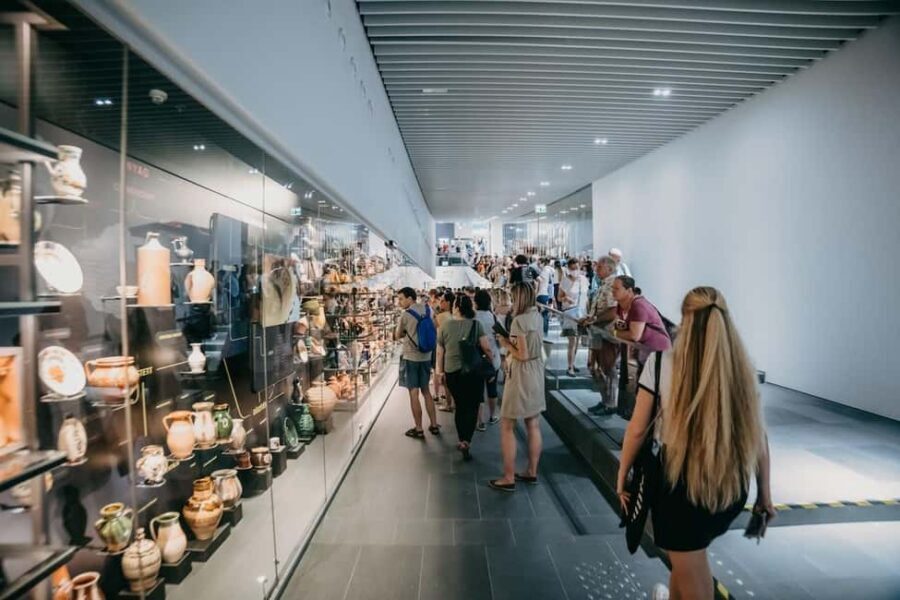
- A modern museum building (opened in 2022): the architecture matches the museum’s forward-looking approach to cultural studies.
- 225,000+ ethnographic objects: you’re looking at one of Europe’s largest ethnographic collections.
- Massive visual and audio archives: think photographs, manuscripts, folk music recordings, and films.
- The ZOOM + Collection Exhibition (opened in 2024): a themed look at how a museum organizes information out of “chaos.”
- Research projects on today’s society: folk culture meets modern questions, not just old costumes and crafts.
Museum of Ethnography Budapest: what the building and collections are really about
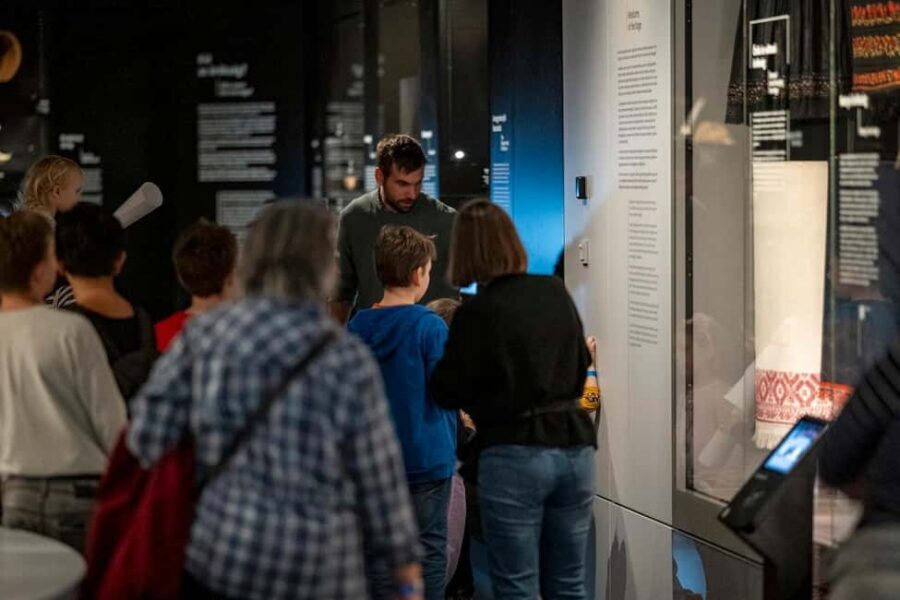
If you like museums that explain how knowledge gets made, you’ll probably enjoy the Museum of Ethnography more than you expect. This isn’t only a room of pretty traditional objects. It’s a working cultural archive—made visible through modern design, deep research, and a collection that stretches across centuries.
The museum’s big pitch is simple: traditions are not frozen. They’re documented, interpreted, and reinterpreted as scholars and communities change over time. When a museum takes that seriously, it shows in how they present the material—moving from artifacts to context, from display to ideas.
And yes, it’s also a place where you can satisfy classic “I’m here for culture” energy. You’ll see folk art and everyday-life material from across Hungary, and you’ll also encounter global folk culture. The collection is built for browsing, but it’s also built for thinking.
A few more Budapest tours and experiences worth a look



The ZOOM and the 2024 Collection Exhibition: why the museum treats “order” as the story
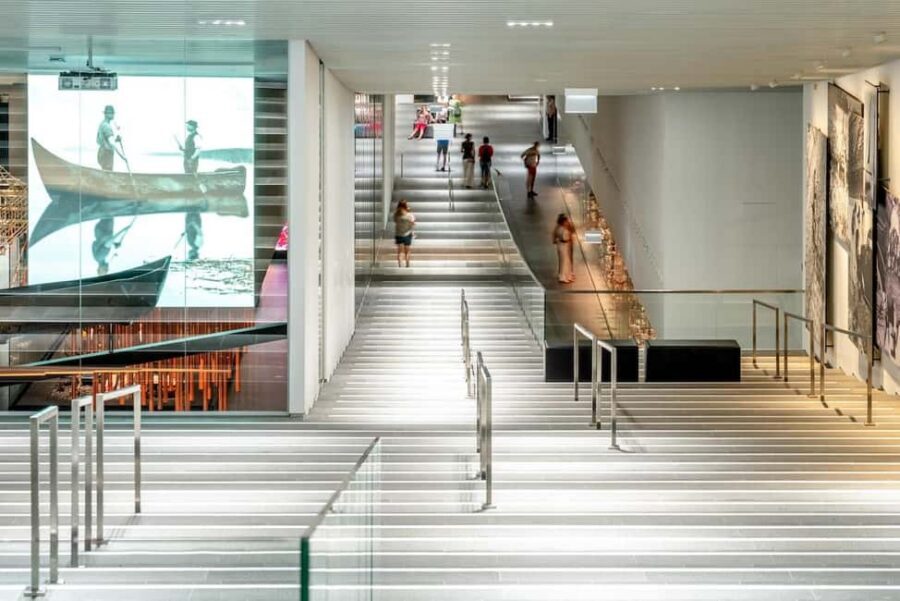
A standout here is the museum’s ZOOM exhibition space and its Collection Exhibition that opened in 2024. Rather than presenting the collection as a clean, linear timeline, this display leans into the idea that museums start from scattered material—then become organized through classification and interpretation.
In practical terms, that changes how you read the exhibits. You’re not just asking what an object looks like. You’re also asking why it’s here, how it got categorized, and what lens the museum is using today. The exhibition explicitly aims to show how systematization turns messy material into something you can navigate.
If you’re the kind of person who likes museum labels, reading panels, and the intellectual side of culture (not just the visual side), this part is likely to be your best hour. Even if you only half-read, the concept comes through: the museum is showing you the machine behind the display.
225,000 artifacts plus archives: what you’ll actually spend time looking at

The collection is huge—over 225,000 ethnographic objects—and it’s not limited to physical items like textiles or tools. The museum also pairs the objects with archives: photographs, drawings, manuscripts, audio recordings, and films.
What I like about this for your planning is that you can tailor the visit. If you’re fascinated by craft and material culture, you can focus on the artifact side. If you prefer stories and voices, you can drift toward the archive elements—especially the audio recording material connected to folk music and the documentary feel of images and film.
The museum also covers a wide time span, including material from as early as the 17th century to the present day. That matters because it helps you avoid the common trap of thinking ethnography is only about costumes in a display case. Here, you’re watching tradition as something documented across time, not just something staged at one moment.
One more detail that can change how you enjoy the visit: there are multiple layers of content, and not all of it is “tap and go.” The collection isn’t built only for quick glances. If you want the museum to make sense, plan to slow down in the archive-rich sections instead of sprinting.
Folk traditions meet contemporary research: how the museum makes it feel current

A lot of ethnography museums can feel like a time capsule. This one tries to avoid that by including research projects and contemporary social phenomena connected to how people live, organize communities, and express culture.
That approach is valuable because it answers a question you might not ask at first: why do we still study folk material? The museum’s answer is that community life and tradition are not simply “the past.” They’re part of how societies work now—through research, interpretation, and cultural observation.
This part can be especially interesting if you’re the type who likes seeing how academic work lands in public spaces. Even without guided tours (and you won’t have one included), the museum gives you enough structure—via exhibition themes and research-focused presentation—that you can follow the idea on your own.
If you’re only in Budapest for a day and want culture that feels more than decorative, this museum fits. It gives you folk heritage, but it also gives you the intellectual map of how heritage is studied.
A practical 1-day plan inside the museum (no tour needed)
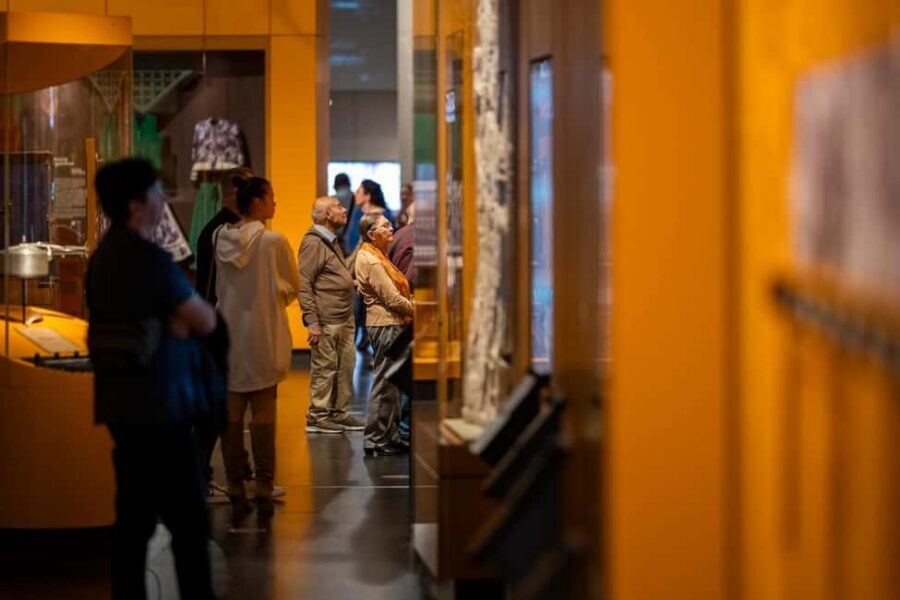
This is an entry ticket, not a structured guided tour. That’s actually good news. It means you can build a route based on your interests—just don’t expect staff to lead you step-by-step once you’re inside.
Here’s a simple way to spend your day well:
Start with the 2024 ZOOM / Collection Exhibition theme. Give yourself enough time to read and understand the “order from chaos” concept. That’s the museum’s big idea, and it colors how the rest of the collection hits.
Then shift toward archives. Look for sections featuring photographs, manuscripts, audio recordings, and films. If you love folk music, prioritize the audio elements first. If you like visual history, spend extra time on photographs and drawings. You’re not doing everything at once—you’re choosing a lane.
Finish with the contemporary research angle. Once you’ve seen how traditions are archived and framed, the research projects and contemporary social phenomena will make more sense. It’s a nice way to end: you leave with the idea that cultural study is ongoing.
For the best flow, don’t over-pack. You can’t touch the exhibits, and you’re not allowed backpacks, so keep your load light. Wear something comfortable for walking and standing time in galleries. And take breaks when you need them; the collection is massive, and your brain will thank you.
You can also read our reviews of more museum experiences in Budapest





Price and value: why a $0 ticket can still be a real choice
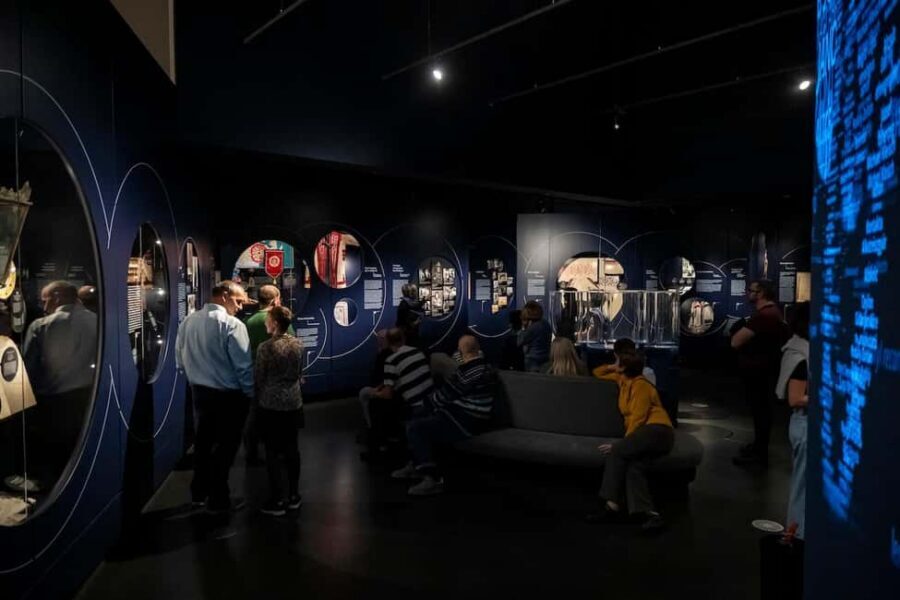
This ticket lists at $0.00 per person. That makes the value obvious. Even with no guided tour or audio guide included, you’re still getting access to every exhibition the museum offers.
The real question isn’t cost. It’s time and expectations. If you’re the type who enjoys reading museum panels and building context from exhibits, this museum can easily justify the time—even as a solo visit. If you want a hand-held experience with explanations delivered to you, you may feel like something’s missing because guided tours and audio guides are not included.
Still, for a free-entry day, the museum is a strong deal. You get access to a major European ethnographic collection, plus a modern exhibition approach and lots of documentary-style material. That combination is rare for free.
Before you go: rules that affect how you move through the exhibits
The museum has clear visitor rules. They include no weapons or sharp objects, no pets (assistance dogs allowed), and no intoxication. You also can’t touch the exhibits, and backpacks are not allowed.
What this means for you: plan for a hands-free visit. Bring only what you need—think small bag, phone, and maybe a water bottle if that’s permitted by the museum’s internal policies (not specified in the data you provided, so I won’t assume). If you show up with a big pack, you may face delays getting it sorted.
Also, the no-touch rule can make the museum feel more like “look and read” than “hands-on.” That’s not bad—it’s standard for many museums—but it’s worth knowing if you’re hoping for interactive handling.
Who this museum is best for (and who might feel it’s not for them)
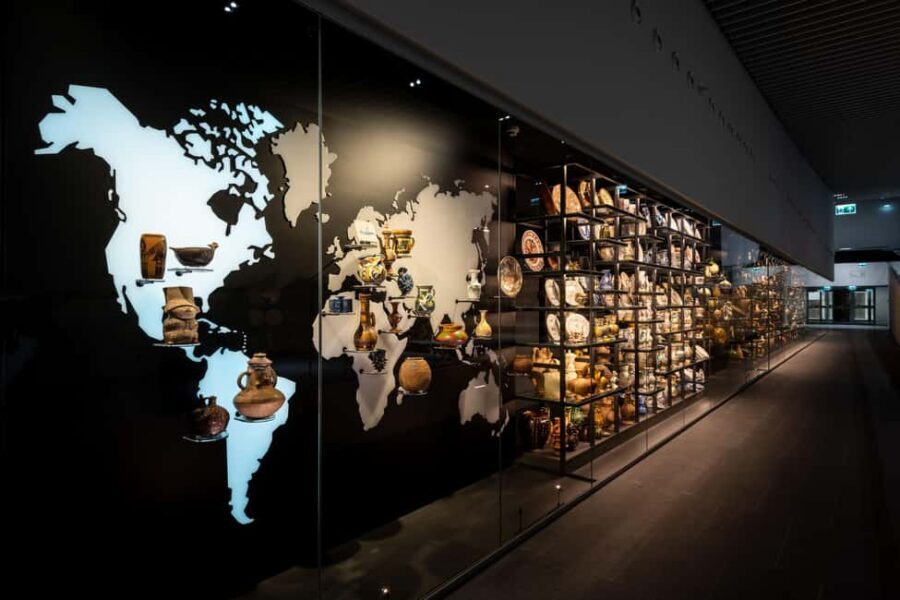
You’ll likely love the Museum of Ethnography Budapest if:
- You enjoy museums that explain how collections are interpreted.
- You like archives: photos, manuscripts, recordings, films.
- You want folk culture plus a serious look at modern society and research.
- You’re okay building your own route through exhibitions since there’s no guided tour included.
You might be less thrilled if:
- You want a guided, narrative walkthrough. That’s not included with this entry.
- You prefer strictly chronological displays and fast, object-only viewing.
- You tend to get frustrated if you can’t touch or interact with exhibits.
Should you book this Museum of Ethnography Budapest entry ticket?

If your goal is meaningful culture on a tight schedule, I’d book it—especially because the ticket is free and gives access to the museum’s exhibitions. The museum’s strengths—its scale, its archive-heavy approach, and its research-focused contemporary angle—fit well with a thoughtful one-day visit.
The main reason to be cautious is simple: arrive early enough. Plan your timing so you don’t get turned away near closing. If you do that, you’ll walk out with more than folk costumes in your head—you’ll understand how tradition gets studied, organized, and presented.
FAQ
How much does the Museum of Ethnography Budapest entry ticket cost?
The price is listed as $0.00 per person.
How long is the ticket valid?
It’s valid for 1 day. The duration of the experience is listed as 1 day.
Are guided tours included with this entry ticket?
No. Guided tours are not included. It also lists that audio guides are not included.
Is this museum wheelchair accessible?
Yes, the museum is wheelchair accessible.
What items are not allowed in the museum?
Weapons or sharp objects are not allowed, pets are not allowed (assistance dogs allowed), intoxication is not allowed, and touching the exhibits and backpacks are not allowed. Nudity is also listed as not allowed.
What’s the cancellation policy?
Free cancellation is available up to 24 hours in advance for a full refund.