REVIEW · BUDAPEST
Budapest: Langos Making Class – Nr. 1 Hungarian Street Food
Book on GetYourGuide →Operated by Cooking Hungary - Culinary Experiences · Bookable on GetYourGuide
Langos is street food, but this class treats it like a craft. I love the setup here because you make two doughs from scratch and then fry them, not just watch. You’ll also get a real window into how Hungarians build langos toppings and what they consider normal at summer street stands. The one possible drawback: it’s only a 2-hour session, so you’ll learn fast, but you won’t become a lifelong bread-maker in one sitting.
What I especially like is how the experience is structured from dough to frying to eating, with English recipes and constant guidance. The other big plus is the value: you leave with two large langos and drinks, using a well-equipped studio kitchen in central Budapest (not a basement room). If you’re traveling with kids, note that it’s not suitable for children under 10, so it may be a no-go for families.
In This Review
- Key things to know before you book
- Why Langos feels like Hungary in one bite
- Entering the kitchen studio near Oktogon Square
- Classic vs Potato dough: the hands-on core
- Toppings, garlic cream, and how Hungarians build flavor
- Frying time: getting crisp without stress
- Hungarian wine and the best part of eating together
- How the 2-hour schedule keeps you focused
- Price and value: what $81 buys you (and why it’s fair)
- Who this Budapest langos class suits best
- Practical tips for the day of your class
- Should you book this langos making class?
- FAQ
- FAQ
- What will I cook in this langos class?
- How long is the experience?
- Is the class hands-on?
- What drinks are included?
- Where do I meet?
- What language is the instruction in?
- Is it suitable for children?
Key things to know before you book
- Classic and potato langos dough: you’ll prepare both from scratch, hands-on.
- Toppings and techniques: you’ll practice how to serve langos the way restaurants do.
- You eat what you make: big portions, warm and fresh.
- Hungarian wine included: red or white wine plus soft drinks and mineral water.
- Central meeting point: near Oktogon Square, with clear doorbell instructions.
- English recipes: all instructions are in English, designed for visitors.
Why Langos feels like Hungary in one bite
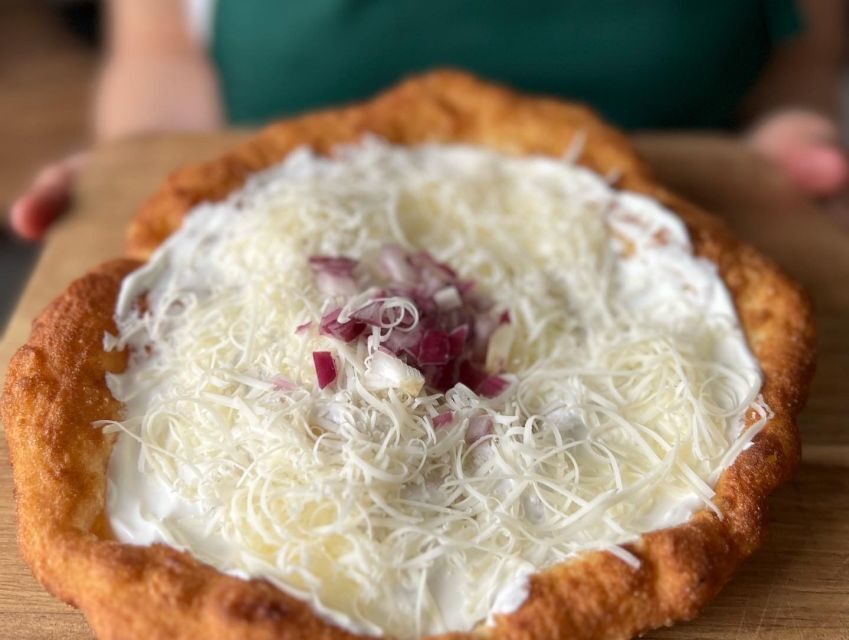
Langos is one of those foods that tells you a lot about a place in a hurry. It’s a deep-fried flat bread, eaten fresh and warm—crispy on the outside, soft inside, and best right after it comes out of the pan.
The classic experience is usually topped and served fast. In Hungary, you’ll see sour cream and grated cheese show up often, and you might also get bacon, paprika, and red onion depending on the stand or the cook. Then there’s the other very common approach: skip the pile-on toppings and keep it simple, often with a garlic cream brush. Either way, the point is the same—langos is street food meant to be eaten while it’s still hot.
This class is built around that reality. You’re not just learning a recipe; you’re learning why langos has so many variations and why the toppings matter less than the dough texture and the frying result.
You can also read our reviews of more food & drink experiences in Budapest


Entering the kitchen studio near Oktogon Square
Your meeting point is in central Budapest, near Oktogon Square, at the corner of Király and Csengery Street. You’ll meet in the instructor’s kitchen studio, and you’ll use the doorbell when you arrive.
I like this location for two reasons. First, it’s easy to connect with other parts of your day in the city center. Second, the kitchen studio is described as well-equipped and in a proper studio space rather than something like a cramped basement setup. That matters for a cooking class because you want room to work, good equipment, and a space where the instructor can actually guide you without rushing.
Before you start cooking, expect a simple welcome flow: you arrive, get an introduction, and have a welcome drink. That small start is more than politeness—it helps you get comfortable with what’s coming next, especially if you’ve never worked with dough before.
Classic vs Potato dough: the hands-on core
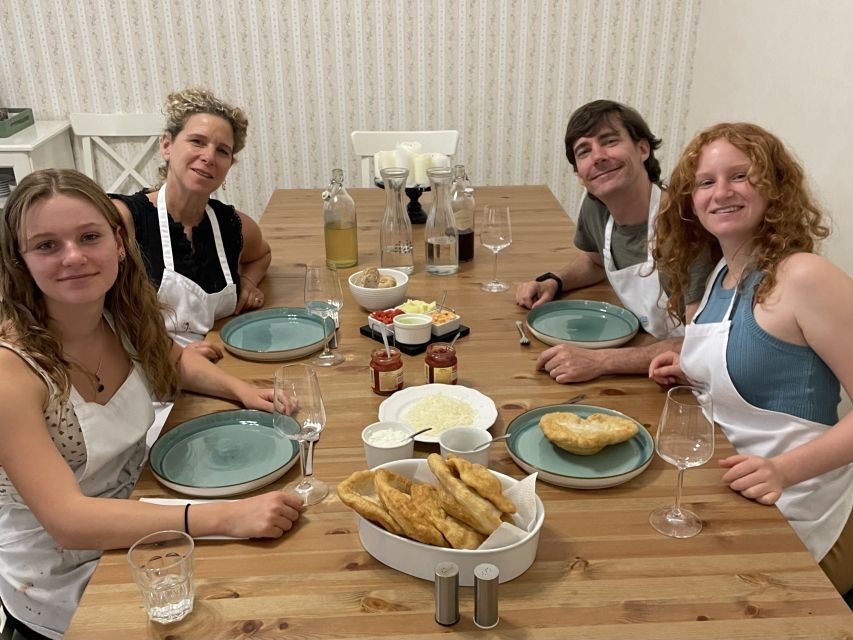
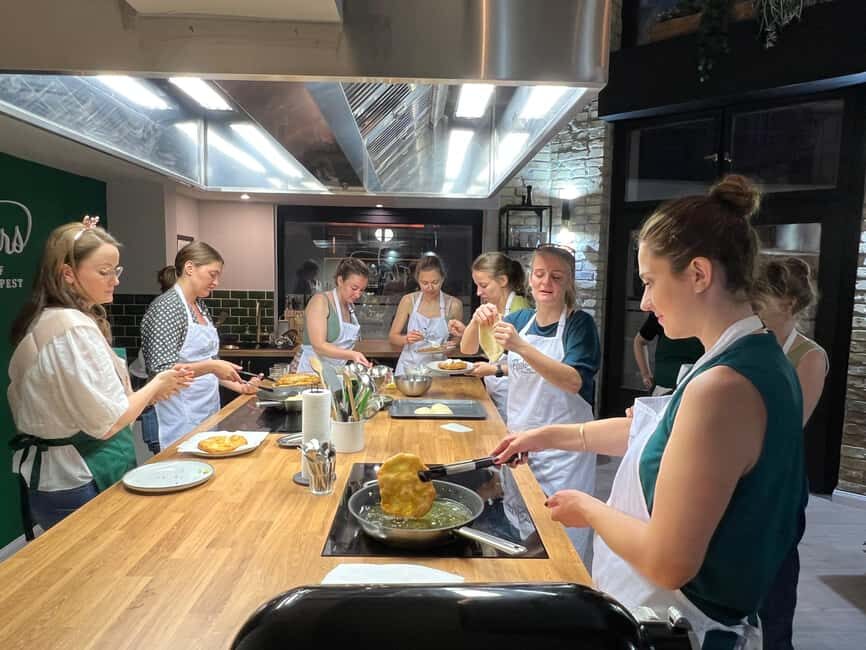
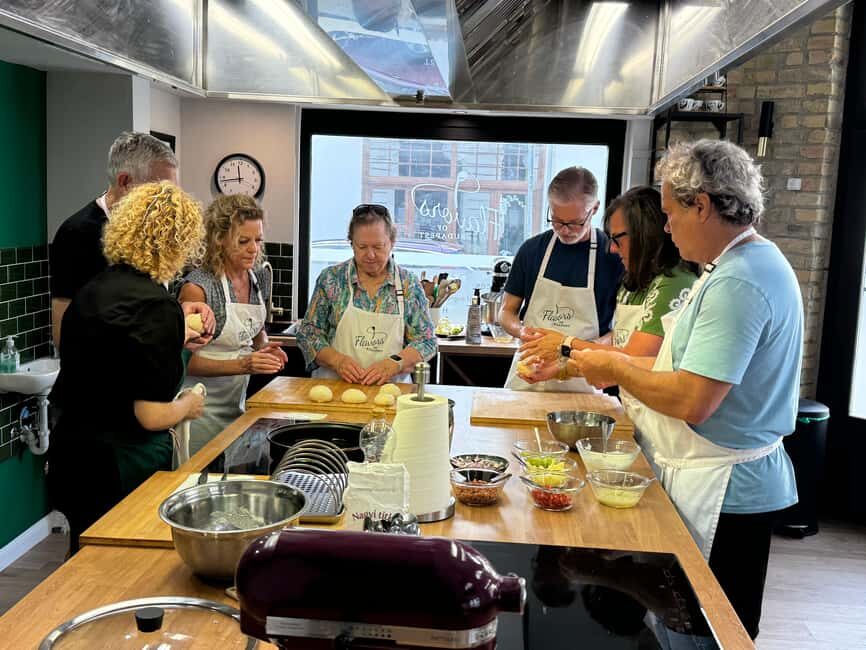
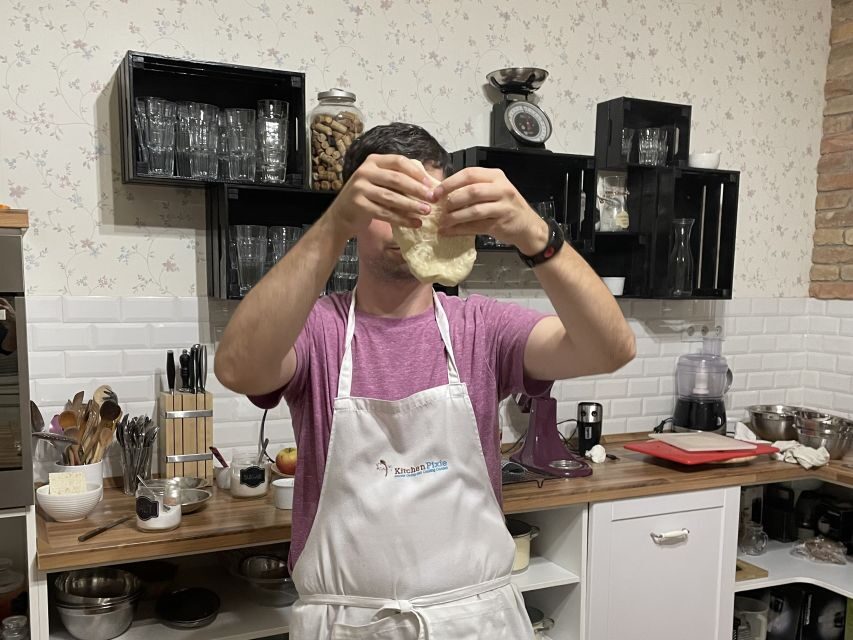
This is a 100% hands-on cooking course, and the biggest reason it’s worth your time is the “from scratch” part. You prepare two kinds of dough: Classic and Potato. Then you fry langos made from each dough type.
If you’ve only had langos from the street, you’ve probably tasted it but never considered what’s under the surface. Here, you’ll learn that dough choice affects everything you care about: thickness, chew, crispiness, and how the langos holds up when topped. Even in a short class, doing both versions lets you compare textures instead of memorizing one method.
You’re not left on your own, either. The class includes kitchen pots and equipment, aprons, and ongoing help and guidance. Add English recipes to the mix, and you’re set up to repeat the method later at home if you want. (And if you don’t, you’ll at least understand what you’re eating the next time you see langos on a street corner.)
Toppings, garlic cream, and how Hungarians build flavor
Langos is known for toppings, but what’s interesting here is that you learn the logic behind them. You’ll go through ingredients and different versions, plus customs and small stories related to this food—exactly the kind of context that turns a dish from edible to memorable.
During the class, you make big langos and then try different topping styles. The course includes two big langos with different toppings, so you get variety without having to guess. Typical topping ingredients you’ll hear about include sour cream, grated cheese, bacon, paprika, and red onion. But you’ll also learn that many people keep it simpler, often brushing it with garlic cream and letting the fried bread do the heavy lifting.
A practical takeaway for you: if you care about taste balance, pay attention to how the instructor treats the topping choices. Too many toppings can hide what makes langos special. Too few can feel plain. The Hungarian approach tends to land in the sweet spot—creamy plus savory, with paprika heat if you want it.
Frying time: getting crisp without stress
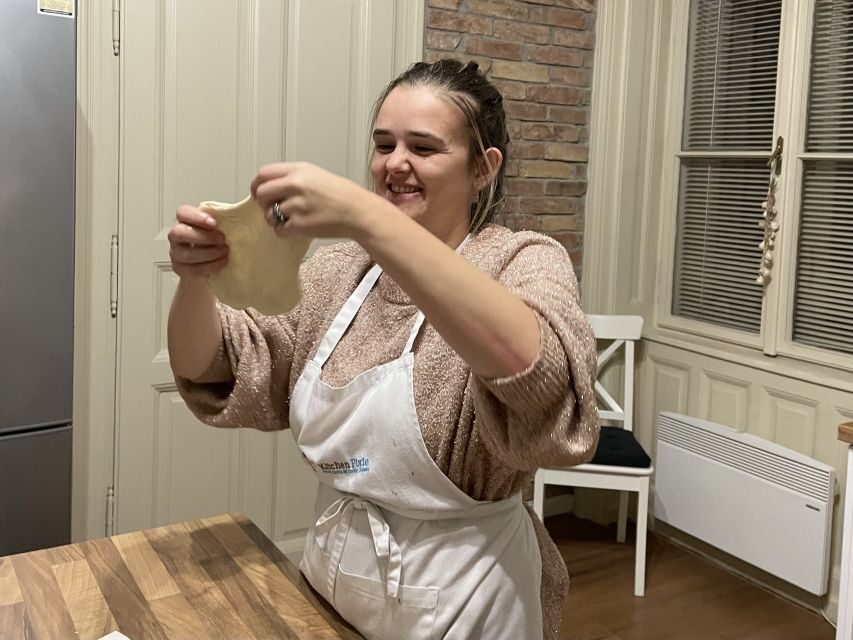
Frying is where most people get nervous, and that’s precisely why this class is structured the way it is. After you make and prepare your dough and topping components, you learn how to fry your langos—Classic and Potato.
You’ll get kitchen tips and tricks, which is a fancy way of saying you won’t have to guess at the details. With deep-fried bread, small changes can matter: how hot the oil is, how you handle the dough so it stays round and even, and how quickly you move from frying to serving while it’s still warm.
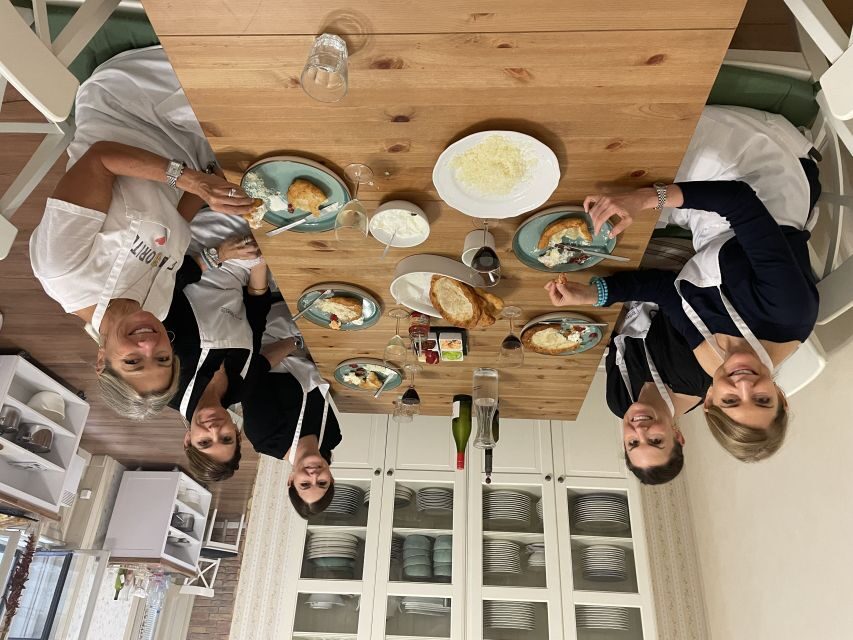
Once they’re fried, you don’t wait around to eat. The class ends with eating together, and that’s part of the point. Langos is best when it’s fresh and crunchy, not when it’s been sitting politely on a plate. Here, you get to experience it in the right window.
And yes, you’re eating what you make. That turns the whole lesson into something more satisfying than a food stop. It’s hands-on pride.
A few more Budapest tours and experiences worth a look





Hungarian wine and the best part of eating together
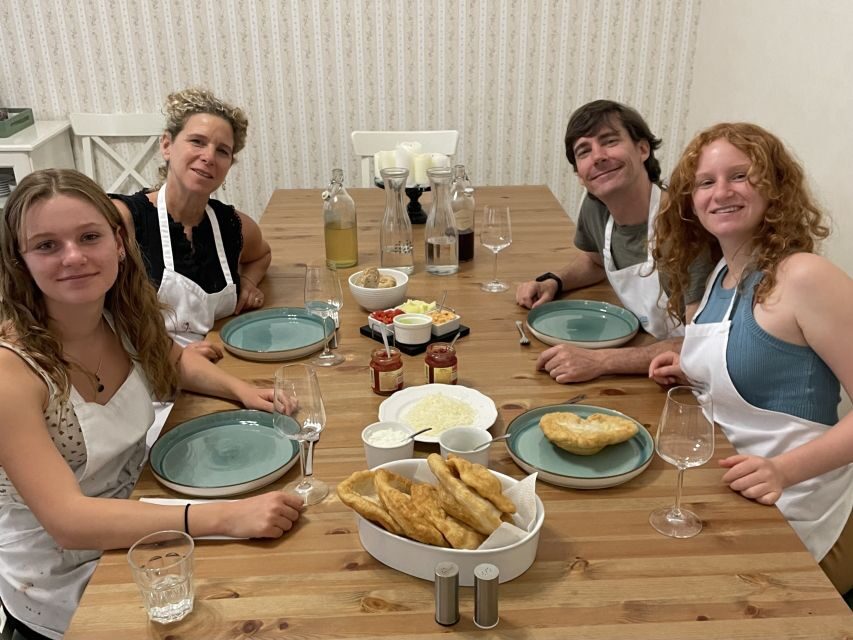
This is not just a cooking demo with a snack at the end. When you finish frying, you enjoy your langos with a glass of Hungarian wine.
The drinks included are: 1.5 dl Hungarian wine (red or white), plus soft drinks and mineral water. You also eat together as part of the course.
That pairing is useful even if you don’t usually think about drink pairings. Wine gives you a break from the fried richness, and the soft drinks and water help you reset between bites. It’s also a social touch that makes a small group class feel like a real evening plan rather than a chore.
The way the class handles it matters: you’re not trying to eat while you’re still learning. You cook, you fry, then you sit down and actually taste. That’s a big reason the whole thing feels like value, not just another activity that fills two hours.
How the 2-hour schedule keeps you focused
The full experience runs about 2 hours, and it moves in a clear line:
- Arrival, introduction, and welcome drink
- Make the dough and toppings
- Learn about ingredients, versions, customs, and stories
- Fry the langos
- Eat together
I like schedules like this because you don’t lose time wondering what happens next. The lesson isn’t only physical work, either. You get ingredient and custom context, so you understand what you’re making instead of turning the class into mindless frying.
The short duration also helps you fit it into a Budapest visit. You can pair it with a morning sightseeing session or slot it after lunch, then still have energy for evening plans.
Price and value: what $81 buys you (and why it’s fair)
At $81 per person for a 2-hour class, you might wonder if this is pricey. Here’s what makes it feel more fair than it first appears: the cost covers the big stuff, not just instruction.
You get:
- Hands-on making of two doughs from scratch (Classic and Potato)
- Two large langos with different toppings
- Drinks: Hungarian wine, soft drinks, and mineral water
- All ingredients, cooking equipment, and apron
- English recipes
- Guidance plus kitchen tips and tricks
- A studio kitchen setup in central Budapest
A food tour sometimes gives you small bites and a guide walking you around. This class flips it: you do real work, you eat a proper portion of what you made, and you’re served with included drinks. For many visitors, that’s the difference between feeling like you paid for information versus paid for an experience you can taste.
Also, because there’s no hotel pickup included, you’re responsible for your own arrival. That can be a plus if you’re already using the tram/metro around the center, and it can be a drawback if you prefer door-to-door convenience. But the location near Oktogon Square keeps it manageable.
Who this Budapest langos class suits best
This activity is a great fit if you:
- Want a hands-on way to learn Hungarian food beyond ordering it
- Are short on time and want a focused 2-hour plan
- Like practical instruction more than wandering to eat
- Want a meal plus learning in one go, with wine included
It’s less ideal if:
- You’re traveling with children under 10 (it’s not suitable)
- You’re expecting a long, slow, sit-down meal where you talk while cooking never gets hands-on
If you’re the kind of traveler who enjoys markets, street food, and casual local culture, this class lines up with that style. And if you just want to leave Budapest with a story you can’t forget—hot, fried, garlic-and-cheese style—this nails it.
Practical tips for the day of your class
A few things will make the experience smoother:
- Arrive a few minutes early so you can use the doorbell and get settled without rushing.
- Come with a plan to actually eat after frying. Langos is best warm and fresh, and you’ll get that moment.
- If you’re sensitive to rich foods, go easy on the extras at first bite and pace yourself—wine and water are there, and you’ll naturally want breaks.
- Bring your appetite and a willingness to follow instructions. Dough and frying reward attention, not bravado.
This is also a kitchen studio in the city center, so you can keep your day simple: just connect to the central area, then let the class take care of the rest.
Should you book this langos making class?
If you’re choosing between street-snacking and doing something interactive, I’d lean toward booking this class. It gives you a real skill—two dough types, frying guidance, and restaurant-style serving ideas—plus you eat what you make with included wine.
Book it if you want value you can measure in food volume and drinks, and if you like the idea of learning Hungarian street food from the inside. Skip it if you need kids-friendly programming (the minimum age is 10) or if you hate hands-on cooking work.
For many visitors, this turns Budapest’s best street-food moment into something you understand, not just something you ate.
FAQ
FAQ
What will I cook in this langos class?
You’ll prepare two kinds of langos dough from scratch: Classic and Potato, then fry and eat two large langos with different toppings.
How long is the experience?
The class lasts about 2 hours.
Is the class hands-on?
Yes. It’s described as 100% hands-on, and you’ll make the dough and toppings yourself.
What drinks are included?
You get 1.5 dl Hungarian wine (red or white), plus soft drinks and mineral water.
Where do I meet?
You meet in the instructor’s kitchen studio in central Budapest near Oktogon Square, at the corner of Király and Csengery Street. Use the doorbell on arrival.
What language is the instruction in?
The instructor provides the class in English, and all recipes are in English too.
Is it suitable for children?
It’s not suitable for children under 10.