REVIEW · BUDAPEST
Budapest Grand Walk
Book on Viator →Operated by Taste Hungary · Bookable on Viator
Budapest clicks into place fast. This 4-hour walking tour strings together the big “postcard” landmarks with the street-level stories that explain how the city got its scars, pride, and momentum.
I love that the experience blends famous stops (St. Stephen’s Basilica, Parliament, Heroes Square) with places most people speed past. You also get a real start-from-the-same-place flow, beginning with an aperitif at Tasting Table Budapest and moving across Pest by foot.
One thing to consider: you’ll cover a moderate amount of walking, plus a few transit hops. If you’re planning something right after, tell your guide up front so the tour doesn’t run long.
In This Review
- Key points to know before you go
- Aperitif in the Palace District: setting the tone at Tasting Table Budapest
- Pest by foot: Andrássy Avenue, the Opera House area, and St. Stephen’s Basilica
- Heroes Square and the Danube-bank showdown: Parliament and the monuments that explain the skyline
- The former Jewish Quarter: Grand Synagogue area, Gozsdu udvar, and Király utca
- St. Stephen’s Basilica to the Chain Bridge: coffee, metro time, and the castle-hill handoff
- Value and logistics: $125 for guide time, wine, coffee, and transit
- Should you book the Budapest Grand Walk?
- FAQ
- How long is the Budapest Grand Walk?
- Where does the tour start?
- Where does the tour end?
- What’s included in the price?
- Is the tour offered in English?
- How big is the group?
- Is the tour mostly walking?
- Can I choose a private tour instead?
- What if there aren’t enough travelers to run the tour?
- Is the booking refundable?
Key points to know before you go
- Sparkling wine aperitif at the start sets a relaxed, local tone
- Six-or-fewer group size keeps the pace friendly and questions easy
- Oldest metro line ride plus a coffee break makes the history feel practical
- Former Jewish Quarter focus includes the Grand Synagogue area and surrounding streets
- Danube views + Shoes memorial give you the emotional context behind the skyline
- Guides connect major events like 1956 to buildings you can actually see
Aperitif in the Palace District: setting the tone at Tasting Table Budapest
The meeting point is easy to find and very on-theme: Tasting Table Budapest (Bródy Sándor u. 22) in the Palace district. You start mid-afternoon with a glass of Hungarian sparkling wine. It’s a small detail, but it changes the whole vibe—less museum mode, more “let’s walk and talk.”
Before you hit the streets, your guide frames what you’ll do: cover a large area of Budapest in four hours, mixing big sights with lesser-known corners. That matters because Budapest can feel like separate cities—castle hill, grand boulevards, riverside panoramas—unless someone stitches it together for you.
This start also keeps you out of the worst timing traps. If you’ve ever tried to self-guide Budapest late in the day, you know how quickly energy drops and photos turn into quick stops. Here, your pace is planned, and you’re nudged to ask questions when you’re standing in the right spot.
The only real drawback at the start: you’ll be on your feet early, with a walking-heavy route afterward. Wear comfortable shoes—seriously. You don’t want sore feet turning the rest of the tour into a series of “I’ll just stand here” moments.
You can also read our reviews of more walking tours in Budapest



Pest by foot: Andrássy Avenue, the Opera House area, and St. Stephen’s Basilica
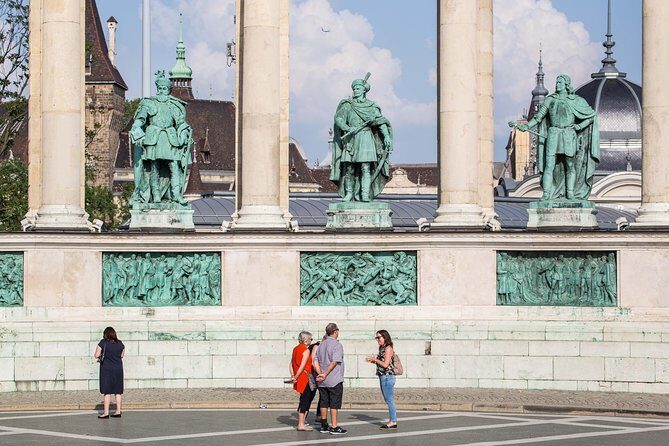
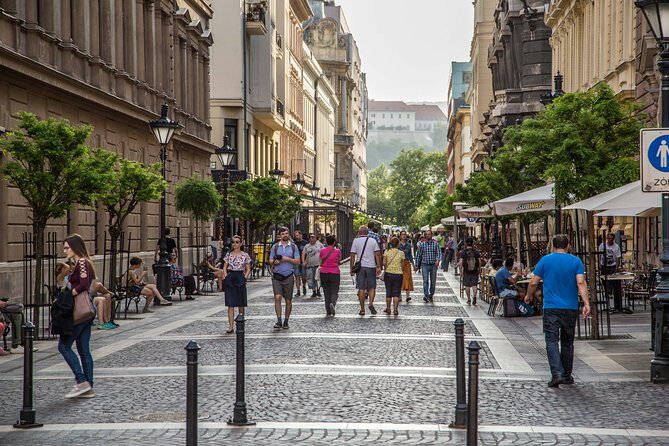
From the Palace district, the tour moves through Pest’s elegant streets with strong architectural stops. One of the first highlights is Andrássy Avenue, including the sightline to the Hungarian State Opera House. The building is neo-Renaissance, and you’ll learn how that style and planning fit into Hungary’s modern identity.
Then you’ll shift toward some of the city’s most recognizable spiritual and civic landmarks. St. Stephen’s Basilica is a clear stop, and you’ll get the story behind it—named for Stephen, Hungary’s first king, with his mummified right hand housed there. Even if you’re not a church person, this is one of those places where the legends and the national identity overlap in a way you can feel immediately.
The tour also takes in Pest’s cultural institutions and central streets, including the National Museum area. Some of these buildings are grand, others look a bit worn in places. That’s not a problem; it’s part of the story. Budapest is layered, and the walk helps you read those layers instead of pretending everything is pristine.
You’ll likely spend enough time at each stop to do more than take a quick picture. Expect photo pauses and time for questions—this is the difference between seeing sights and understanding them.
If you hate group logistics, you might not love the “keep moving” rhythm. But with a small group cap (up to eight), it usually feels like a guided stroll more than a drill.
Heroes Square and the Danube-bank showdown: Parliament and the monuments that explain the skyline
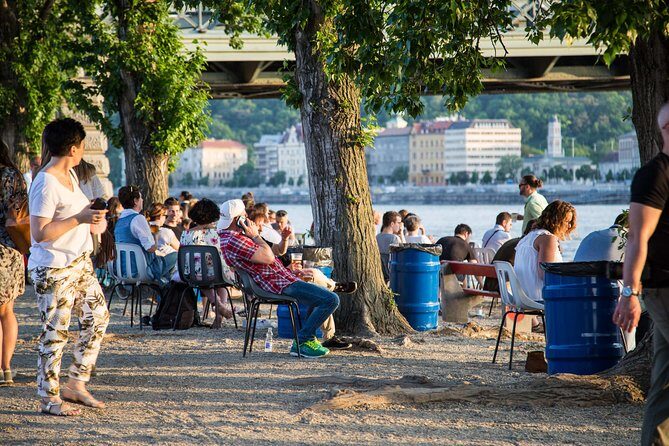
The walk doesn’t just stay in one pocket. You’ll get to the riverside narrative, where Budapest’s history becomes visible as a pattern. Heroes Square is part of that, and it’s the kind of place where you can’t help noticing how power is represented—who gets statue space, and what that says about the country’s self-image.
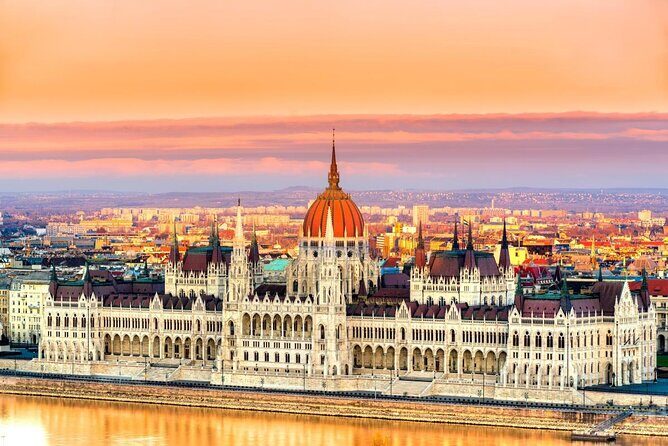
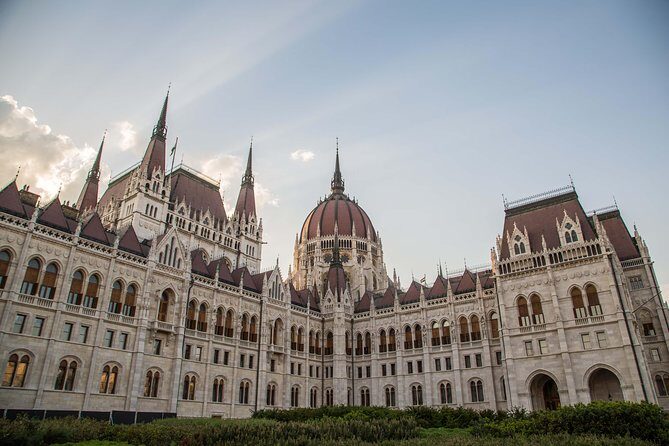
From there, the focus turns to the Danube-bank icons. You’ll admire Hungary’s Parliament from the river side. It dominates the bank, and you’ll see it in context rather than as a single “photo from across the water” moment.
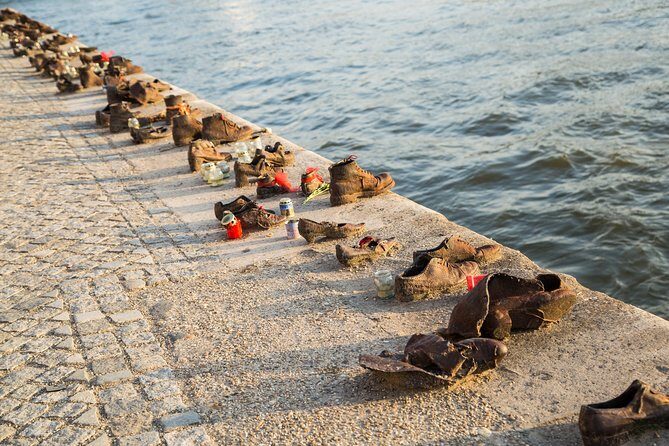
Then comes the memorial stop that gives the skyline a hard edge: Shoes on the Danube Holocaust Memorial. If you’ve seen it online, it looks stark. Up close, it’s more than a dramatic photo point. It’s a reminder of how the city’s most beautiful river views are also tied to human tragedy and survival.
You’ll also learn how the memorial culture works in this part of the city, including references to a US major and Ronald Reagan. Those names may not mean much to you at first, but the guide’s role is to connect why specific figures appear in the story people chose to remember here.
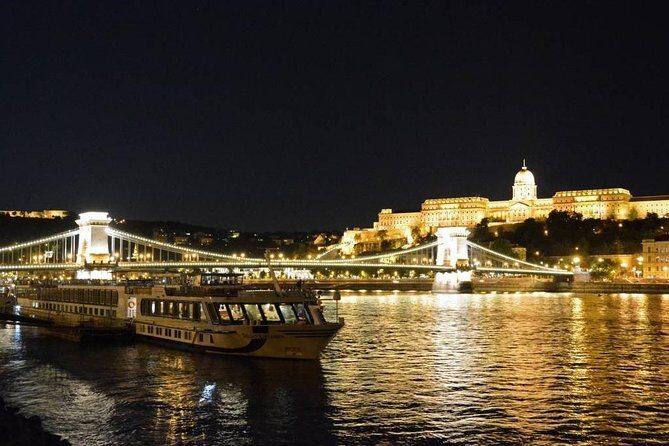
And yes, you’ll take in the views: Parliament, the Chain Bridge, and the castle hill presence across the water. Budapest’s riverfront is where the city suddenly makes sense—until you realize that understanding comes from more than architecture.
The former Jewish Quarter: Grand Synagogue area, Gozsdu udvar, and Király utca
One of the strongest parts of the tour is the shift into the former Jewish Quarter area. You’ll see the Grand Synagogue, noted as Europe’s largest, and you’ll also pass through surrounding streets and spots that capture day-to-day life.
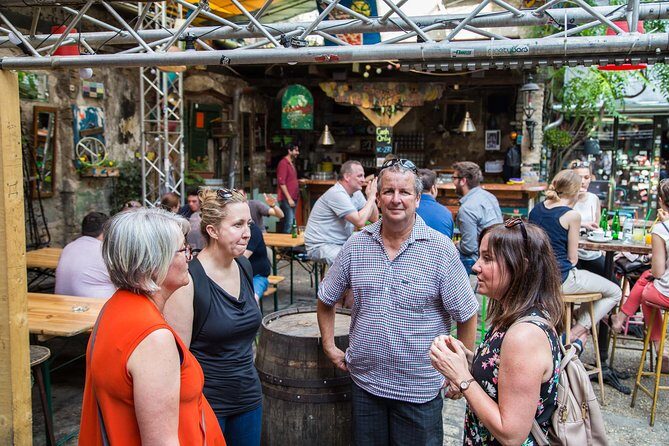
The walk includes the Gozsdu udvar complex and nearby activity along Király utca. This is valuable because it prevents the area from turning into only a memorial or a history lesson. You get the sense of a real neighborhood—people moving, shops and courtyards, streets that still function.
This is also where the guide’s storytelling really matters. Budapest’s past isn’t one clean timeline. It’s a tangle of cultural contributions, political shifts, and violent rupture. The tour gives you the historical threads so the architecture and street layout feel intentional.
One practical tip: this part of the city can feel crowded around popular spots. Your group pace helps you move through without losing your bearings. If you want extra photos, ask your guide where to stand for the best angles and how long you’ll need there.
If you’re visiting Budapest for the first time, this Jewish Quarter segment is the kind of stop that makes your later museum choices better. You’re not just collecting names; you’re learning how communities shaped the urban fabric.
St. Stephen’s Basilica to the Chain Bridge: coffee, metro time, and the castle-hill handoff
After the basilica stop, you’ll hop onto public transit for a key experience: a ride on Europe’s oldest metro line. Even if you’ve already ridden metros in other cities, this one feels special because it’s part of Budapest’s daily life story, not just a novelty ride. It also keeps the tour moving without wearing you out.
You’ll also take a coffee break at a popular local café. The tour includes coffee or tea, plus time to sit and reset. It’s not long, but it’s long enough to re-charge your feet and help you absorb what you just walked through.
Then the tour heads toward the end point near the Chain Bridge on the Pest side. You’ll see the broader Danube sweep again, and your guide will effectively hand you the next step: cross to continue exploring Buda Castle on your own.
That handoff is smart. Budapest works best when you leave a tour with momentum. You don’t want your guide to chase you all the way up to castle hill if your legs are done. You want a clean “here’s what to do next” and space to wander.






Value and logistics: $125 for guide time, wine, coffee, and transit
At $125 per person for a roughly four-hour small-group tour, this pricing makes sense for a specific reason: you’re paying for interpretation and movement, not just sights. The cost includes an English-speaking local guide, an opening glass of Hungarian sparkling wine, a coffee break, and public transport segments (including the old metro line).
If you tried to recreate this yourself, you’d likely pay for a guide anyway—because the value here is the way the guide connects buildings to events and everyday life. Stops like the Hungarian National Radio Building area and the 1956 Revolution thread only land when someone explains why the site mattered.
There’s also a practical value to the structure. The route is planned so you hit major Pest highlights, then move toward the Danube corridor and end at the Chain Bridge. You’re not guessing transit lines or timing your walking stamina.
Group size matters here. With shared tours capped at 2 to 8 guests, you generally get enough attention to ask questions without feeling like you’re in a moving bus.
The one logistics thing to watch: this is a shared tour with a moderate walking load. Bring comfortable shoes, and if you have plans after four hours, tell your guide right at the start so the pace matches your schedule.
Should you book the Budapest Grand Walk?
Book this if you want a first-trip Budapest experience that feels like a guided story, not a checklist. It’s especially worth it when you care about how a city’s politics, culture, and daily life show up in real streets—wine cellar start, opera boulevard architecture, Jewish Quarter stops, and the Danube memorials that make the skyline mean something.
Skip it if your ideal day is minimal walking and only a few stops. This tour is designed to cover ground and connect dots. If you want slow pace and lots of independent wandering, you might feel rushed.
My take: if you’re in Budapest for only a short stay, this is a strong way to get your bearings fast and understand why the city looks the way it does—before you choose what to see in more detail on your own.
FAQ
How long is the Budapest Grand Walk?
The tour is about 4 hours.
Where does the tour start?
You meet at Tasting Table Budapest, Bródy Sándor u. 22, 1088 Hungary.
Where does the tour end?
The tour ends near the Chain Bridge on the Pest side (Széchenyi Lánchíd area).
What’s included in the price?
The tour includes an English-speaking local guide, a glass of Hungarian sparkling wine at the start, a coffee break (coffee or tea), alcoholic beverages, and some public transportation rides.
Is the tour offered in English?
Yes, the tour is offered in English.
How big is the group?
It’s a shared small-group tour with a maximum of 8 travelers.
Is the tour mostly walking?
Yes, it involves a moderate amount of walking, so comfortable shoes are recommended.
Can I choose a private tour instead?
Yes. You can select the Private Tour option if you want a customized tour for just your group.
What if there aren’t enough travelers to run the tour?
There is a minimum number of travelers required. If the tour is canceled due to that, you’ll be offered an alternative or a full refund.
Is the booking refundable?
This experience is non-refundable and cannot be changed for any reason.