REVIEW · BUDAPEST
Budapest: Buda Castle Walking Tour & Folk Music Performance
Book on GetYourGuide →Operated by Maggino - Magic in Hungary · Bookable on GetYourGuide
A short walk turns into a story-filled climb. This Budapest Buda Castle District tour mixes landmark stops with a real local vibe, then finishes with Hungarian folk singing and a few dance steps you can actually follow. It’s a focused 2–2.5 hours that feels more like a friendly guided evening than a textbook tour.
What I really like is the combo of big sights and personal context. You’ll see Matthias Church and Fisherman’s Bastion, but you also get human details like the guide’s stories about Hungarian culture and even family memories shared along the way. Second, the ending folk performance isn’t just entertainment-by-default; it’s explained, performed, and tied back to the places you just walked through.
One thing to consider: it’s an exterior-focused walk, so entry tickets for monuments aren’t included. If you want to go inside everything, you’ll need to budget extra time and money for those entrances.
In This Review
- Key Things Worth Knowing Before You Go
- Starting at Holy Trinity Square: Getting Your Bearings Fast
- Matthias Church and Fisherman’s Bastion: The First Big Icons
- Tárnok Street: One Street, Many Centuries
- Royal Buda Palace Viewing Time: Best Use of 50 Minutes
- The Pest-side View (and the funicular clue)
- Tóth Árpád Sétány: Closing the Loop with More Views
- The Folk Music Performance Finale: More Than a Show
- Price and Value: Is $58 a Good Deal for This Tour?
- Pace, Comfort, and Weather: What You Should Plan For
- Who This Tour Suits Best
- Should You Book This Buda Castle Walking Tour with Folk Music?
- FAQ
- Where does the tour meet?
- How long is the Budapest Buda Castle walking tour?
- What’s included in the price?
- Are monument entry tickets included?
- What language is the tour in?
- Does the tour run in bad weather?
- What should I bring?
- Can I cancel, and is there a refund?
Key Things Worth Knowing Before You Go

- A licensed Hungarian guide in English keeps the pace lively and the explanations clear
- Matthias Church + Fisherman’s Bastion are handled early, so you’re not rushing later
- Tárnok Street’s architecture gets practical context so you notice details you’d otherwise miss
- Buda Castle viewpoints are built into the walk, including views toward Pest and the funicular reference
- The folk music finale includes singing plus traditional dance steps you can learn
- Outside-only monument viewing means no entrance-ticket stress, unless you add visits later
Starting at Holy Trinity Square: Getting Your Bearings Fast
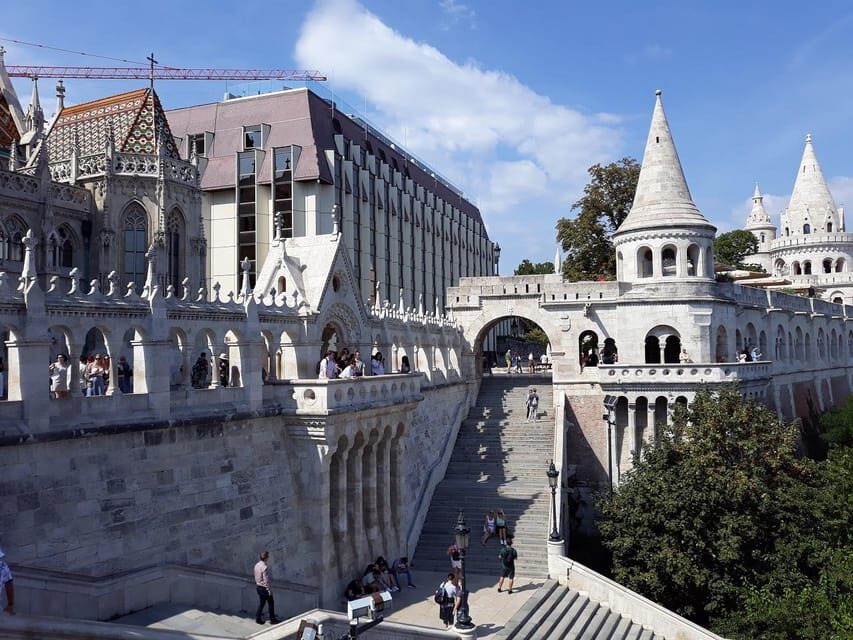
I like tours that start where the city makes sense. Your meeting point is in front of the Holy Trinity Statue (Szentháromság-szobor) at Holy Trinity Square (Szentháromság tér). That location is easy to find, and it sets you up for a classic Castle Hill route.
From there, expect a steady walk upward. You’ll want comfortable shoes because the schedule is timed around walking between viewpoints and monuments, not around long sits. Also, the tour runs in all weather, so bring clothing for rain or wind. Budapest can feel dramatic on Castle Hill, and you don’t want to be cold or slipping on wet stone.
You can also read our reviews of more walking tours in Budapest



Matthias Church and Fisherman’s Bastion: The First Big Icons
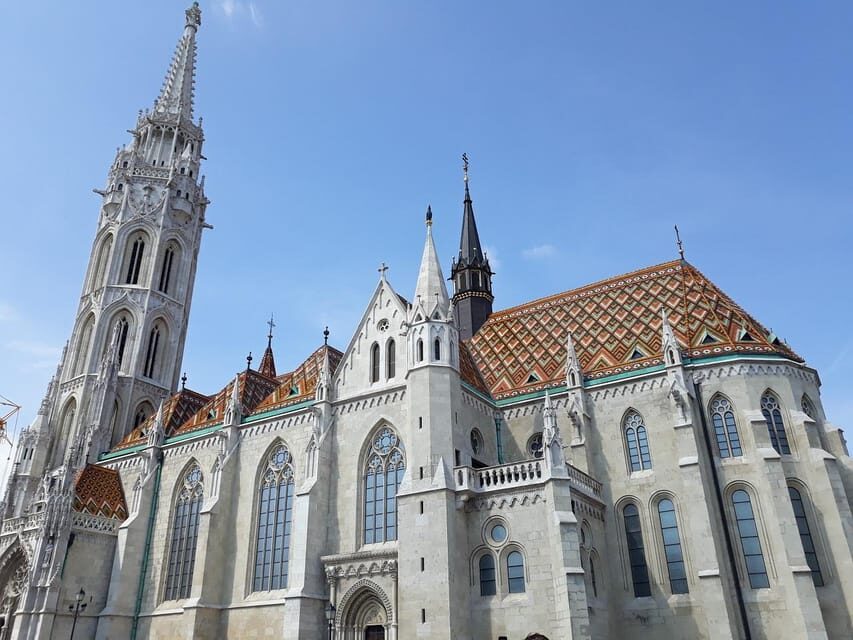
The tour’s early focus is the visual payoff. You start by walking to Matthias Church, a landmark that many people recognize instantly even if they can’t place the details yet. What makes it worth your time here is how your guide links the architecture to the bigger story of Castle District life and Hungarian royal culture.
Then you move on to Fisherman’s Bastion. This is the spot where you start seeing the city stretch out in front of you. Even if you’ve seen photos, you’ll likely notice the difference in scale once you’re actually there—Castle Hill is steep, so every step changes the view.
The best part is the guide’s storytelling style. In the happiest moments of the tour, your guide doesn’t just name places. He connects them to people, including the guide’s own perspective on Hungarian culture. In at least a few guided experiences, the guide encourages questions and conversation, which keeps the walking pace feeling human instead of rushed.
Tárnok Street: One Street, Many Centuries
After the major sights, you’re taken through Tárnok Street, a section of the Castle District that’s especially useful if you like architecture as evidence. You don’t just pass buildings—you get explanations of the different architectural styles you can spot across historical Hungary up to the end of the 19th century.
This is the part of the tour where you’ll start training your eyes. If you’ve ever walked through an old district and thought, Everything looks old, this stop corrects that. You learn what to look for—style changes, time markers, and how the area evolved rather than just “remaining historic.”
It also helps with energy. Moving from the big wow-factors to a slower, detail-reading segment gives you a break from constantly craning your neck.
Royal Buda Palace Viewing Time: Best Use of 50 Minutes
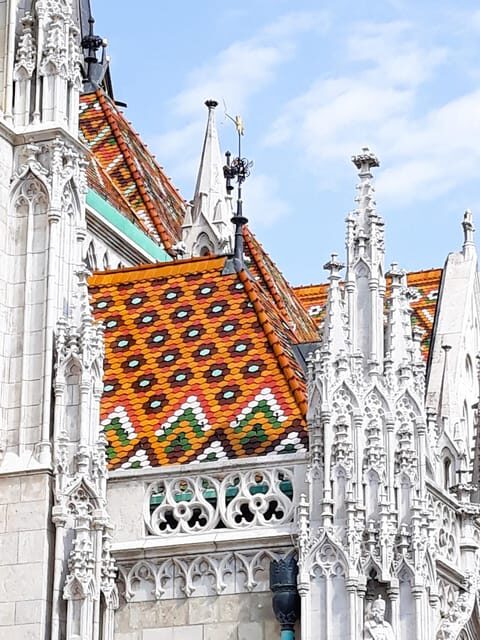
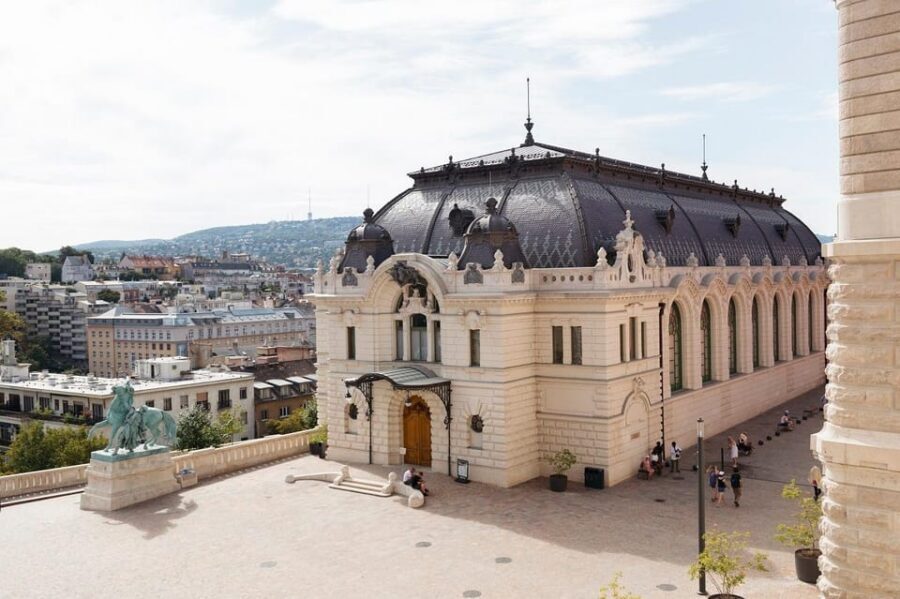
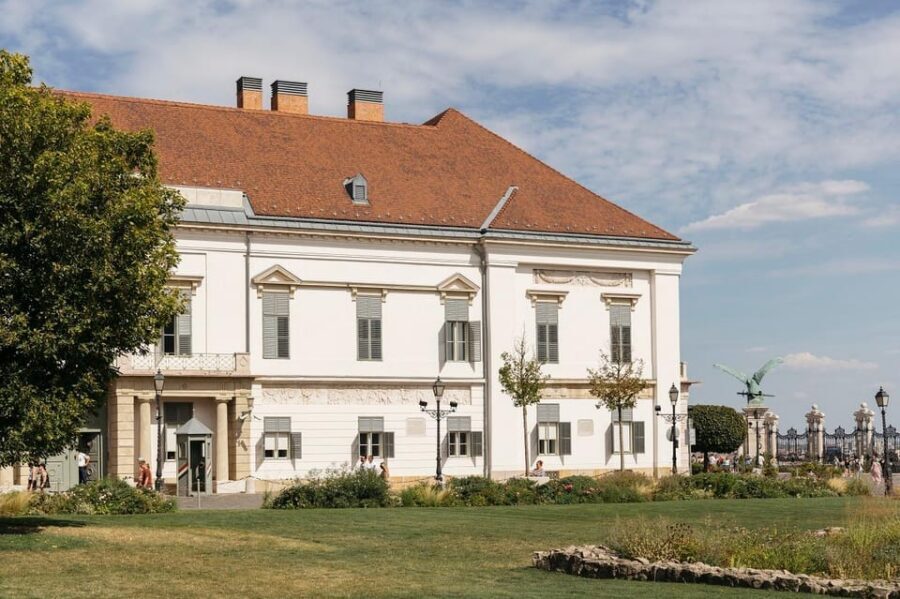
Next is the core Castle Hill zone: the Royal Buda Palace, also known as Buda Castle. Your tour schedule gives you about 50 minutes here, which is a smart length. Long enough to get oriented and absorb the stories, but not so long that you get monument-fatigue.
This part of the walk is where you learn how rulers and culture shaped the city. Your guide talks about King Matthias, including how he helped turn Buda Castle into a center for Renaissance culture in Europe. That kind of detail matters because it changes what you’re looking at: you stop seeing stone and start seeing power, art, and ambition.
You’ll also hear about fountains connected to King Matthias—specifically mentions of granite fountains bubbling with wine. Even if you take it as a story you’ll later fact-check, the point is useful: it explains why this palace complex feels like more than government buildings. It was a cultural stage.
The Pest-side View (and the funicular clue)
On the way through the palace area, you’ll get panoramic views toward Pest. This is more than a pretty moment; it’s how the guide helps you understand Budapest as one city built from two dramatic halves. The tour also includes a reference point to the second funicular built in Europe, which gives you a mental map for how people historically moved up and down the hill.
If you like photos, this is where you’ll want to slow down and frame shots. If you don’t, it’s still worth it because these viewpoints help everything else click. You can see why Castle District landmarks dominate the skyline instead of feeling like isolated monuments.






Tóth Árpád Sétány: Closing the Loop with More Views
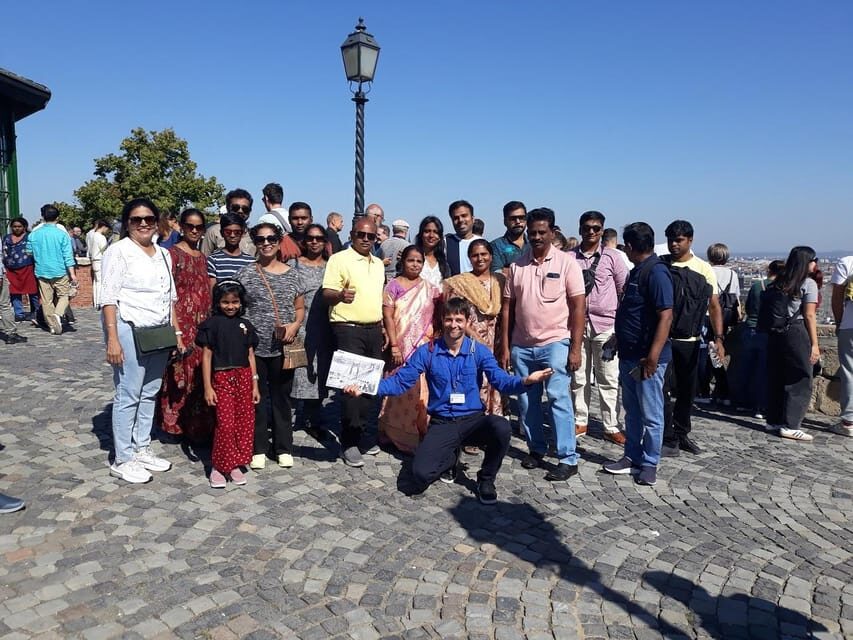
After the palace area, you walk to Tóth Árpád sétány for about 15 minutes of scenic time. This segment works as the tour’s visual wrap-up. You’ve already gathered major sights and context, so now you’re finishing with perspective.
Think of it like this: earlier stops gave you identities (church, bastion, palace). This stop gives you geography—where the city sits relative to your hillside position. It’s a good way to end the walking arc without suddenly turning the day into a marathon.
The Folk Music Performance Finale: More Than a Show

Here’s the thing I’d prioritize if you’re choosing between Castle Hill tours: the Hungarian folk music performance is built into the experience, not tacked on at the last second.
At the end, your guide entertains you with traditional folk songs and includes traditional Hungarian dance steps. What makes this feel special is the explanation around it—your guide doesn’t just sing and move. He ties the performance back to Hungarian culture, so you understand what you’re seeing and hearing instead of treating it like background noise.
This is also where the guide’s personality becomes part of the value. Multiple experiences linked this tour to a warm, welcoming style: encouragement for questions, interactive moments, and a final performance that feels heartfelt rather than mechanical. In particular, personal stories—like family memories shared by the guide—can make the folk segment land harder than you’d expect for a short tour.
If you’ve ever wished a walking tour had a cultural “memory” you’d carry home, this part is that memory.
Price and Value: Is $58 a Good Deal for This Tour?
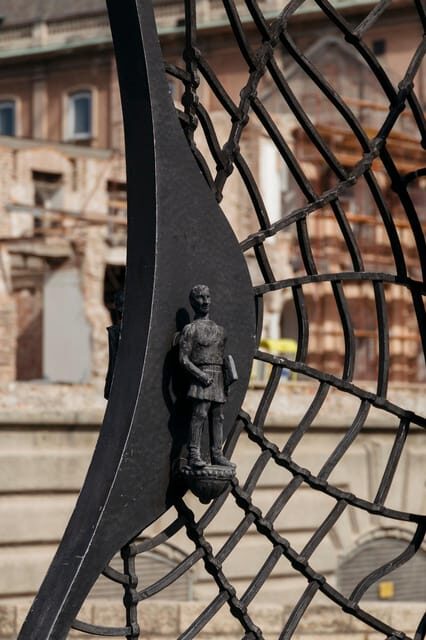
At $58 per person for 2–2.5 hours, this tour sits in a mid-range zone for Budapest guided walks. Here’s why I think it can still feel like good value:
- You get multiple major Castle District landmarks on one route: Matthias Church, Fisherman’s Bastion, and Royal Buda Palace.
- The tour includes a guide who is not only interpreting history but also performing folk music and dance.
- It’s exterior-focused, which keeps the schedule moving and limits time lost waiting inside (helpful when weather shifts).
The trade-off is also clear: entry tickets aren’t included. So your money is buying guided sightlines, context, and the performance—not paid monument access. If you’re the type who loves stepping inside churches and palaces for long durations, you might still want to add entrances later.
Pace, Comfort, and Weather: What You Should Plan For
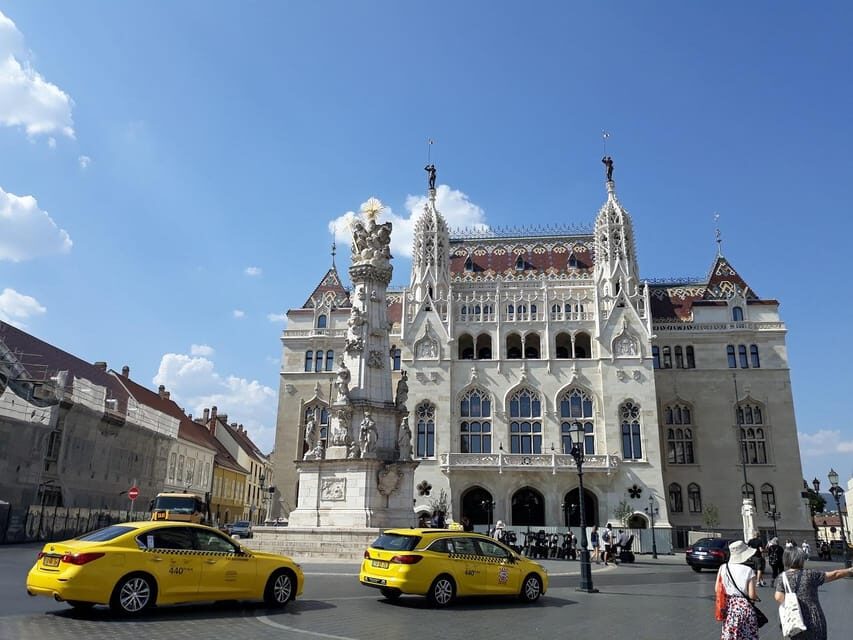
This is not a sit-and-stare tour. It’s a walking route with timed segments, including several downhill or flat breaks between viewpoints. Expect plenty of stairs or sloped ground on Castle Hill even when the timetable looks neat.
Since the tour runs in all weather conditions, dress like you’ll be outdoors the whole time. Have a light layer for wind and a rain-ready option if forecasts look sketchy. And bring water, because the time adds up even if you’re not walking all day.
Group size is another practical point. The tour offers private or small groups, which usually makes it easier to ask questions and stay engaged. For people who don’t love being shoved into a large crowd, that smaller feel matters.
Who This Tour Suits Best
This is a strong match if you want:
- the top Buda Castle District sights without doing a messy self-guided route
- a guide who brings storytelling energy and encourages interaction
- a fun cultural ending, especially if you enjoy music or dance
It may be less ideal if you:
- want monument entrances included in the price
- hate any walking on uneven historic streets
Should You Book This Buda Castle Walking Tour with Folk Music?
If you want an efficient, high-impact Budapest experience, I’d say yes—especially because the folk music and dance performance changes the tone. Many Castle Hill tours stop at photos and facts. This one keeps going and gives you something memorable that feels genuinely Hungarian.
Book it if you like guides who make the city feel personal and you’d enjoy singing and a few dance steps at the end. Skip it or plan extra entrances if you know you’ll want to go inside monuments for extended visits.
Overall, this feels like a good deal for the mix of major landmarks, viewpoint time toward Pest, and a live cultural performance—all wrapped into a compact 2–2.5 hours.
FAQ
Where does the tour meet?
You meet in front of the Holy Trinity Statue (Szentháromság-szobor) at Holy Trinity Square (Szentháromság tér).
How long is the Budapest Buda Castle walking tour?
The tour lasts about 2 to 2.5 hours.
What’s included in the price?
The price includes a professional guided tour by a licensed Hungarian tour guide, exterior visits of monuments, and a Hungarian folk music performance by your guide.
Are monument entry tickets included?
No. Entry tickets for the visited monuments are not included.
What language is the tour in?
The live tour guide speaks English.
Does the tour run in bad weather?
Yes. The tour operates in all weather conditions, so dress appropriately.
What should I bring?
Wear comfortable shoes, and dress for the weather. Water is recommended.
Can I cancel, and is there a refund?
There is free cancellation up to 24 hours in advance for a full refund.