REVIEW · BUDAPEST
Budapest Art Nouveau Walking Tour
Book on Viator →Operated by Insight Cities · Bookable on Viator
Budapest turns art into brickwork. This Art Nouveau walking tour maps the city’s most decorative era through landmark facades, tilework, and the work of Ödön Lechner. You’ll get a historian guide and a route that keeps things moving without rushing.
I especially love how the guide connects what you’re seeing to why it mattered in Hungary, not just dates and names. The walk is also practical: several major stops are free to enter, so your money goes to the guide and time on the street.
One thing to plan around: the Kazinczy Street Synagogue interior visit is conditional (not on Saturdays) and entry isn’t included, so you may need extra cash depending on the day.
In This Review
- Key takeaways at a glance
- Why Budapest Art Nouveau still feels like a street-level art project
- Price and what $126.16 really buys you
- The best way to start: Madal Café and a small-group rhythm
- Gresham Palace: luxury today, Art Nouveau craftsmanship underneath
- Postatakarek Bank: the flamboyant Royal Postal Savings Bank by Lechner
- Thonet House and Hungarian tile fame from Zsolnay in Pécs
- Kazinczy Street Synagogue: Art Nouveau styling with entry-day rules
- Public transport snacks between stops: what to budget for
- How the guide experience changes the whole tour
- Who this Budapest Art Nouveau tour fits best
- The “should I book?” decision
- FAQ
- How long is the Budapest Art Nouveau Walking Tour?
- What does the tour cost?
- What language is the tour offered in?
- How big is the group?
- Are admission tickets included?
- Is public transportation included?
- Do I have to visit the synagogue interior?
- Where do I meet, and where does the tour end?
- What’s the cancellation policy?
Key takeaways at a glance
- Historian-led explanations that tie Art Nouveau details to Budapest’s broader style shifts
- Free admission at key stops, including Gresham Palace, Postatakarek Bank, and Thonet House
- Ödön Lechner focus, often called the Gaudí of Hungary for his distinctive approach
- Tile and ceramics storytelling, with Zsolnay’s innovations from Pécs woven into what you see
- Small-group feel, with departures limited (listed up to six) and a maximum of eight travelers
- A final synagogue stop where interior access depends on the day
Why Budapest Art Nouveau still feels like a street-level art project
Art Nouveau isn’t just a museum style. In Budapest, it shows up as street furniture for your eyes—curves, ornament, and surface decoration that makes ordinary buildings look designed on purpose. That’s exactly what you’ll be looking for here: how the movement shaped much of the city, block by block.
You’ll also learn that Hungary’s version of Art Nouveau had its own language. The tour spotlights Ödön Lechner, the best-known Art Nouveau architect in the country, and you’ll connect his ideas to the visual cues you can spot quickly when you know what to search for. It’s an easy way to train your eye as you walk.
If you like tours that turn architecture into a story you can follow, this one works because it keeps pointing at specifics. And it has that sweet spot of energy: enough structure to stay on track, without turning you into a passenger on rails.
You can also read our reviews of more walking tours in Budapest



Price and what $126.16 really buys you
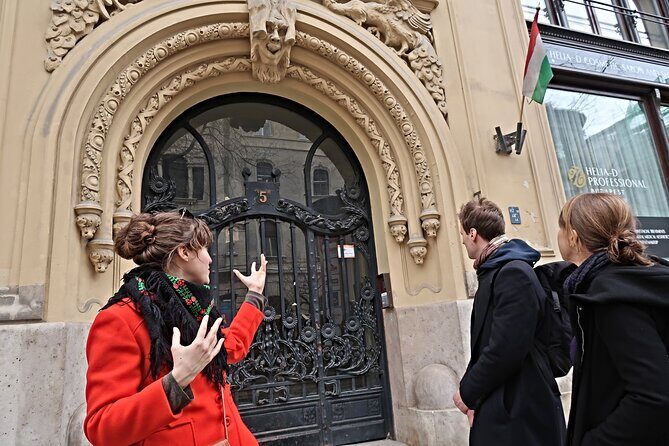
At $126.16 per person for about 3 hours, the value comes from what’s included and how the time is used. You’re paying for a historian guide, and you’re not sinking extra money into tickets for the first part of the route.
Here’s the cost logic that matters:
- Several stops are listed as free to enter (so you don’t lose time or budget at the door).
- The synagogue stop is not included, and there’s a note that there may be additional cost if it’s open for interior access on your day.
- Some parts of the route may use public transport, and passes are at your own expense.
So if you show up expecting “a guided walk with a couple of photos,” you’ll probably feel undercharged. If you show up expecting “everything paid for including the synagogue,” you’ll want to be mentally ready to cover that last entrance.
The best way to start: Madal Café and a small-group rhythm
The meeting point is Madal Café, Alkotmány u. 4, 1054 Hungary. The tour ends at the Budapest Orthodox Synagogue, Kazinczy u. 29-31, 1075 Hungary. That one-way flow matters because you’re finishing somewhere different than where you started, which is handy if you want to keep exploring afterward.
Plan for a bit of crowd energy at the start. One common hiccup is that this meeting area can be busy, and it’s easy to miss each other if you arrive right on time. I’d aim to be there a few minutes early so you can get your bearings fast.
The group size is intentionally small. You’ll be on a small-group departure limited to a maximum of six, and the overall maximum is listed at eight travelers. Either way, it’s the kind of pace where questions don’t get swallowed, and you can actually hear the guide instead of playing phone-tag with architecture.
English is the offered language, and you’ll get a mobile ticket. Since it’s a walking tour with a moderate amount of walking, bring comfortable shoes—your feet will do the heavy lifting.
Gresham Palace: luxury today, Art Nouveau craftsmanship underneath
Your first stop is Gresham Palace. You’ll admire both the facades and interior designs at a place that has lived multiple lives: once office space and a series of luxury apartments, and today it functions as Budapest’s most luxurious hotel.
What makes this stop worth your time is how it shows the Art Nouveau spirit as more than decoration. The building’s look and feel are meant to communicate status. Your guide will help you read the design like a language—so you’re not just admiring ornate surfaces, you’re learning what those choices meant in the context of Budapest.
You’ll have about 20 minutes here, and entry is listed as free. That’s a smart setup early in the tour: you get a high-impact landmark quickly, then the rest of the walk builds on what you learned.
Practical note: because this is an active, high-end property, the interior access experience can be more controlled than a normal historic site. Don’t be surprised if you’re guided through specific areas rather than roaming.
Postatakarek Bank: the flamboyant Royal Postal Savings Bank by Lechner
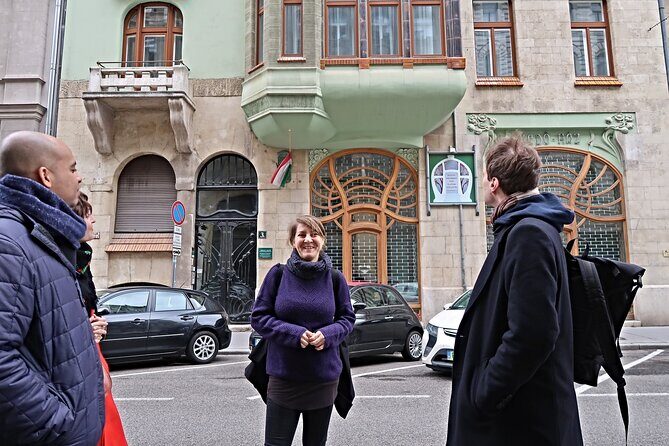
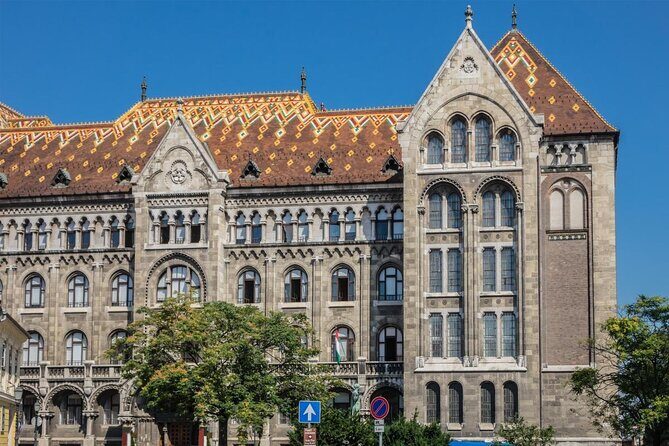
Next you’ll go to Postatakarek Bank, also known as the Royal Postal Savings Bank—one of the standout places on the route. This building is designed by Ödön Lechner, and you’ll hear him compared (in nickname form) to Gaudí of Hungary. That comparison isn’t there to sound cute; it points to how strongly his style shows up in the building’s attitude.
You’ll spend about 20 minutes here, and entry is listed as free. The focus is especially on the entrance hall and its interior design elements. This is the kind of stop where the guide’s eye matters, because the best details can be easy to miss if you only glance at the outside.
Here’s what you can do to get more out of it:
- Look for patterns and repeated motifs rather than one single feature.
- Pay attention to how the entrance transitions from public space to designed interior drama.
- Use the guide’s explanations as a checklist for what to notice next.
Lechner’s influence is a major theme throughout the tour, so this is where the story locks in. If you remember one person’s name from this walk, make it Ödön Lechner.






Thonet House and Hungarian tile fame from Zsolnay in Pécs
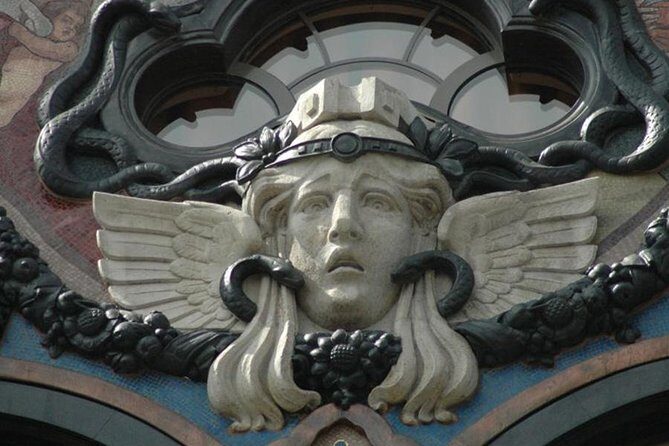
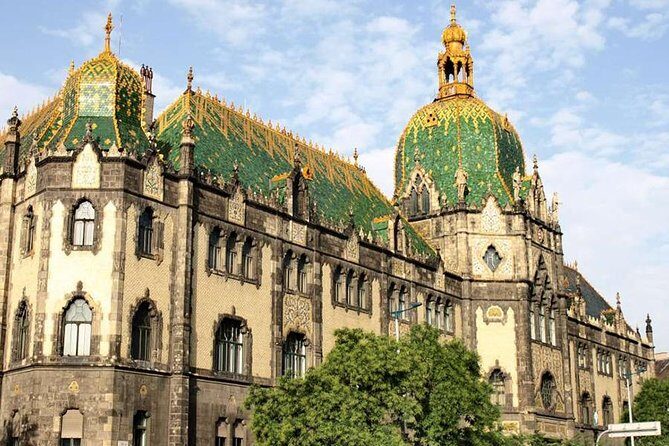
The tour then pauses at Thonet House for a design theme that’s very Budapest: tiles. Hungarian Art Nouveau is known for tilework on facades, and your guide connects that visual signature to materials and innovation from Hungary.
A key detail in this stop is the mention of Zsolnay porcelain and ceramics from Pécs, in southern Hungary. The tour links those innovations to the way Art Nouveau looked on buildings—so the tiles you’re seeing aren’t treated as random decoration. They’re presented as part of a local technical story.
You’ll have about 20 minutes at this point, keeping the momentum without turning it into a long stop-and-stare session. This balance is useful, because you’ll be walking and absorbing details rather than exhausting yourself in one area.
The best part of a ceramics-focused stop is how it trains you to notice texture and surface design. Once you start spotting how tiles shape light and rhythm, you’ll see echoes of the style all over the city even after the tour ends.
Kazinczy Street Synagogue: Art Nouveau styling with entry-day rules
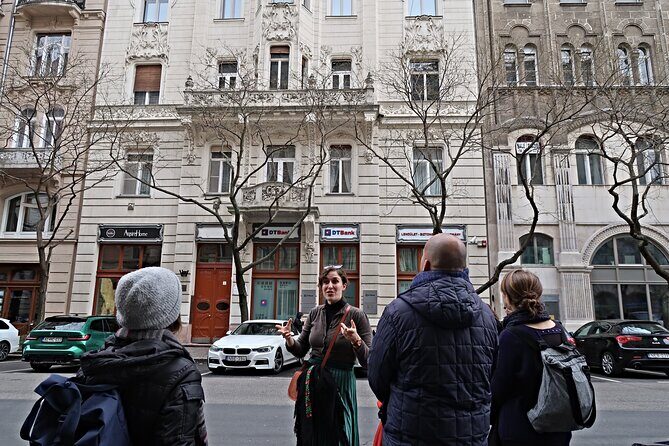
The walk concludes at Kazinczy Street Synagogue, described as an orthodox synagogue decorated in Art Nouveau style. This is a memorable “wrap-up building” because it adds a new dimension: you’re not only looking at Art Nouveau in commercial or civic buildings, you’re also seeing it in a religious setting.
You’ll have about 25 minutes at the end. The big practical catch: interior visits are available except on Saturdays. Also, admission isn’t included for this stop, and there can be additional cost if the synagogue is open on your tour day.
So how should you handle this? Decide before you go that you’re okay with two possibilities:
- If the day allows it, you’ll get the interior visit.
- If it doesn’t, you’ll still get the architecture context, but you may not get the full interior experience.
It’s a fair setup, but it’s the one place where planning and flexibility really matter.
Public transport snacks between stops: what to budget for
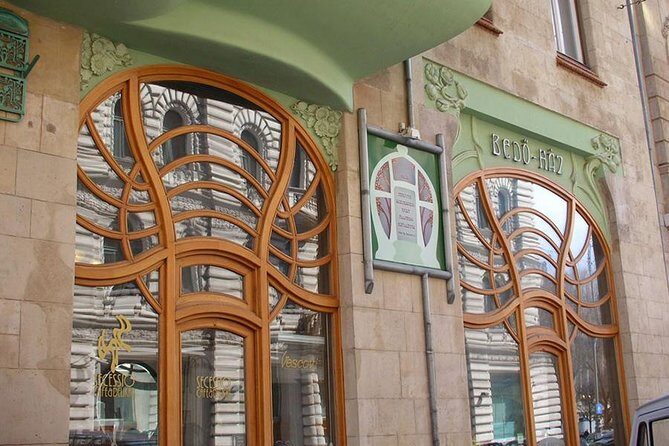
The route uses some public transport. You won’t be stranded without it, but you should assume you’ll pay for passes out of pocket. The good news: the tour is near public transportation, so access is straightforward.
This matters because it keeps the walk from becoming a purely “stroll in one straight line” experience. Instead, you’re able to link buildings that might feel far apart if you tried to connect them on your own on foot.
The best strategy is to treat transport passes as a small add-on rather than a surprise. If you’ve ever been burned by forgetting a transit card, this is your reminder to prep before the tour starts.
How the guide experience changes the whole tour
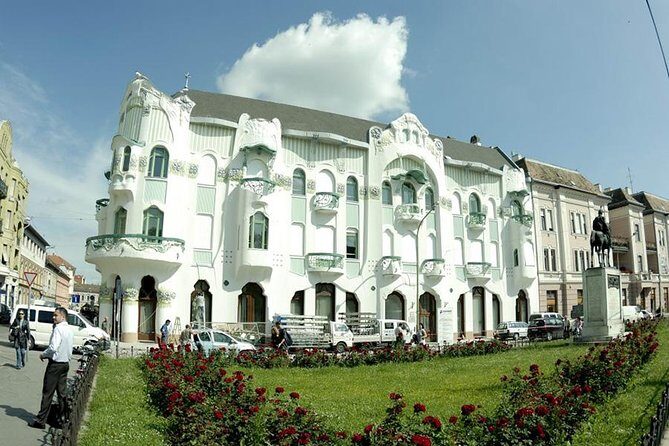
This is the part that makes the difference between a nice walk and a “I learned something” walk. The historian guide is the engine here, and the feedback around the guide style is consistent: the explanations are built around history and architecture, and the guide is comfortable talking through what you’re looking at in front of you.
A couple of practical effects you’ll likely notice:
- You’ll spend less time trying to guess what you’re seeing.
- You’ll get better at spotting Art Nouveau cues faster as you move.
- You can ask questions tied to your interests, and the guide can steer the conversation toward what you care about in Budapest.
If you’re the type who likes to take a normal stroll and turn it into a mini education, this is a strong match.
Who this Budapest Art Nouveau tour fits best
This walking tour is a good fit if you:
- Want to understand Art Nouveau in Budapest through real buildings, not just broad talk.
- Enjoy architectural details like facades, tilework, and entrance hall design.
- Like small-group experiences where you can actually hear the guide.
- Are comfortable with moderate walking and want a 3-hour block that keeps you oriented.
It’s also smart if you’re visiting for the first time and feel like Budapest can be a lot. A guided route helps you build a mental map quickly, especially because the stops are connected by a clear theme: Art Nouveau and Ödön Lechner.
If you hate timed tours or want a totally self-directed day, you might find the structure limiting. But if you’re happy following along while still taking photos and asking questions, you’ll feel right at home.
The “should I book?” decision
Book this tour if you want a focused, high-value introduction to Budapest Art Nouveau—with a guide who can turn building details into a story you’ll remember. The pricing makes sense because multiple stops have free entry, and the time is spent where it counts: on landmark facades and the design elements that define the style.
Skip or adjust expectations if your main goal is the synagogue interior every time. That part depends on the day (interior access is except Saturdays), and entry isn’t included, so you should be ready to pay if you want inside.
If you’re balancing a first-time Budapest itinerary and want something genuinely architectural without feeling like a lecture, this is the kind of tour that pays off long after you leave the last stop.
FAQ
How long is the Budapest Art Nouveau Walking Tour?
It’s about 3 hours.
What does the tour cost?
The price is $126.16 per person.
What language is the tour offered in?
The tour is offered in English.
How big is the group?
It’s limited to a small group of up to six, with a maximum of 8 travelers listed.
Are admission tickets included?
Entry is free for Gresham Palace, Postatakarek Bank, and Thonet House. The Kazinczy Street Synagogue admission is not included.
Is public transportation included?
Some public transport is used, and transit passes are at your own expense.
Do I have to visit the synagogue interior?
Interior access is available except on Saturdays. The synagogue visit is at the end of the tour.
Where do I meet, and where does the tour end?
Meet at Madal Café, Alkotmány u. 4, 1054 Hungary. End at Budapest Orthodox Synagogue, Kazinczy u. 29-31, 1075 Hungary.
What’s the cancellation policy?
You can cancel for a full refund up to 24 hours before the experience starts.