REVIEW · BUDAPEST
All About Budapest: Full Day Walking Tour with Lunch & Metro Pass
Book on Viator →Operated by WalkingTour Budapest · Bookable on Viator
Budapest in one well-paced walking loop. This full-day tour strings together the Opera, Heroes’ Square, Széchenyi Baths, and Buda Castle, with a metro pass and lunch built in. You start on Andrássy út, just outside the Opera metro stop, which makes the morning easier than most first-day plans.
I love how the day is run with a small group feel—names like Gesame, Fanni, Daniel, Ferenc, and Peter show up in the guide rotation, and the tone is personal, not lecture-style. I also like the practical wins: skip-the-line entry for St. Stephen’s Basilica and Fisherman’s Bastion, plus beverages, light refreshments, and a sit-down lunch featuring Hungarian comfort food like goulash.
The only real drawback is time. Most stops land at about 15–30 minutes, so Széchenyi Baths is a quick visit rather than a full spa session, and you’ll still cover some walking on the castle side.
In This Review
- Key highlights you’ll actually feel during the day
- A smart way to see Budapest when you only have one day
- Starting at the Hungarian State Opera: a clean meet-up and an early win
- Heroes’ Square and Vajdahunyad Castle: a slow, historic stretch with room for photos
- Andrássy Avenue and City Park energy: UNESCO boulevard, practical city feel
- Széchenyi Thermal Bath in 15 minutes: the value is seeing the place, not fully spa-ing
- St. Stephen’s Basilica: the skip-the-line piece you’ll appreciate later
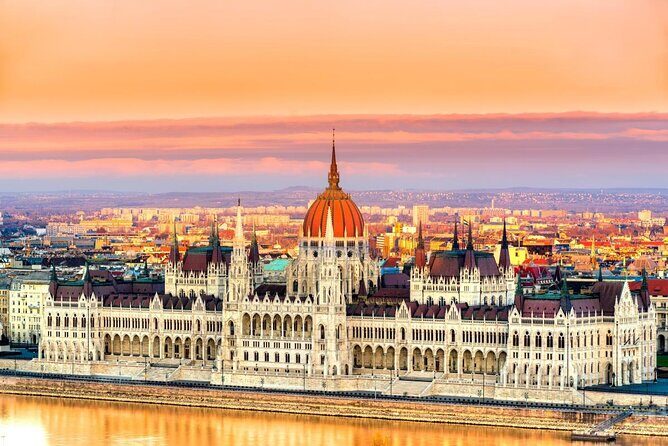
- Parliament and Chain Bridge: quick hits with big view payoff
- Buda Castle Hill: Matthias Church and Fisherman’s Bastion with included access
- Price and value: what $239.10 buys you besides photos
- Who this tour fits (and who might want a different plan)
- Should you book this Budapest walking tour?
- FAQ
- What’s included in the tour price?
- How long is the tour and when does it start?
- Where do we meet, and where does the tour end?
- Is a metro pass included?
- Are tickets included for all the attractions?
- How big is the group?
- Is the tour suitable for kids or people who need accommodations?
Key highlights you’ll actually feel during the day
- Small-group pace that keeps questions possible, not just tolerated
- Metro pass + mobile ticket so you spend less time figuring out transit
- Skip-the-line entries at St. Stephen’s Basilica and Fisherman’s Bastion
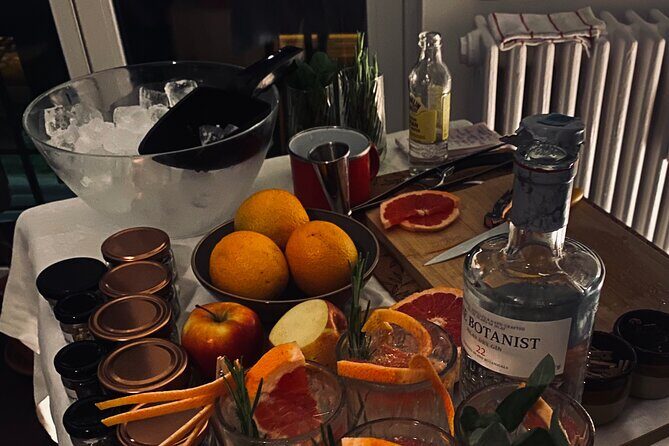
- Lunch and drinks included, not a DIY scramble for food
- Iconic photo stops in the right order: Opera → Heroes’ Square → City Park → Castle Hill
- Thermal-bath taste at Széchenyi with the option to see what the complex is all about
A smart way to see Budapest when you only have one day
If you’re trying to hit the big Budapest “greatest hits” without turning your day into a map app exercise, this tour is built for that. You get a guided flow through the city’s headline landmarks, with transport help via a metro pass and a schedule that keeps you moving through the day. It also avoids a lot of the “where do we line up?” stress by using skip-the-line access for two of the most popular spots.
You’re not in a massive crowd. The tour is pitched as intimate—up to six guests—and the stated maximum is 10, which is still much easier to manage than the big group tours. That matters because you’ll get explanations while you walk, and you’ll have chances to ask questions without feeling rushed.
Value-wise, the price isn’t just for sightseeing. You’re paying for a professional guide, included lunch, beverages, coffee or tea, and those skip-the-line tickets. That bundle can feel expensive on paper, but in practice it removes several extra costs and time-drains from a solo plan.
You can also read our reviews of more walking tours in Budapest


Starting at the Hungarian State Opera: a clean meet-up and an early win
Your day starts at the Hungarian State Opera House on Andrássy út 22, near the Opera metro stop. This is a strong meeting point because it’s central and easy to recognize, and the morning orientation is part of the value. Guides often meet you right at the Opera and get you settled before you start moving.
From there, the tour leans into grand architecture right away. The Hungarian State Opera House is described as a stunning cultural institution with a lavish interior, plus a stage and performers that make it feel like more than a photo stop. Even if you’re not planning to see a full performance, starting here sets the tone: Budapest’s look and feel is the story, not just the checklist.
One extra practical perk: guides commonly come with tickets and show you how to use the metro pass. If you’re the kind of traveler who likes to understand transit instead of just following the group, this is exactly the kind of support you want on day one.
Heroes’ Square and Vajdahunyad Castle: a slow, historic stretch with room for photos
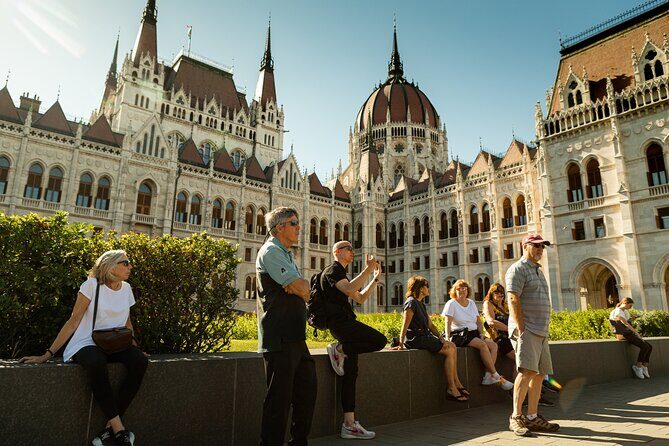
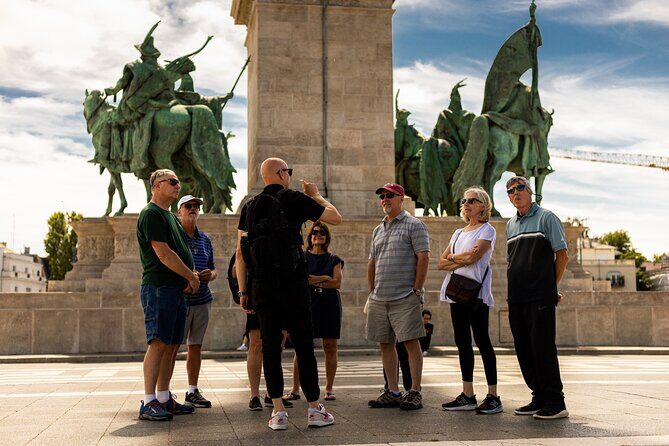
After the Opera, you head to Heroes’ Square, where you get one of Budapest’s most recognizable monuments and a clear sense of the city’s historical storytelling. The time slot is short—about 30 minutes—but it’s enough for a decent photo cycle and a calm look at the surrounding landmark buildings.
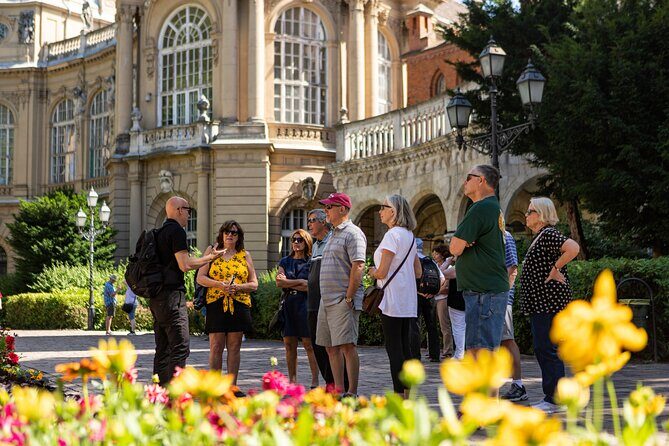
Then the tour moves toward Vajdahunyad Castle. This one tends to be popular because it feels like a little storybook complex, and the attraction here is the mix of architectural styles. You also get a museum and exhibition feel in the area, so it’s a good pause point if you want something that isn’t just “look up at another building.”
The main consideration on this section is simple: you’re in walking mode. These are outdoor-and-exterior heavy stops, so comfortable shoes matter. If you hate short stops, you might feel the 30-minute timing, but it keeps the day moving toward the big “inner city + Castle Hill” stretch later.
Andrássy Avenue and City Park energy: UNESCO boulevard, practical city feel
Andrássy Avenue is one of those Budapest streets that helps everything click into place. It’s a grand boulevard lined with Neo-Renaissance and Art Nouveau buildings, including the Opera and the Museum of Fine Arts, and it’s listed as a UNESCO World Heritage Site. The tour uses this stretch as a connective tissue—less of a museum stop, more of a guided “this is what makes Budapest Budapest” walk.
A short stop here also helps you recover a bit before the next big move. The schedule gives you about 15 minutes for Andrássy Avenue, so you can take in the street rhythm, grab a drink, and reset your brain. That’s important because the next highlight is the thermal-bath stop, and you’ll want to be ready for a different kind of environment.
If you’re trying to travel like a local, this is the section that reminds you Budapest isn’t one “theme park district.” It’s layered: grand avenues, monumental squares, and then the castle world above the Danube.
Széchenyi Thermal Bath in 15 minutes: the value is seeing the place, not fully spa-ing
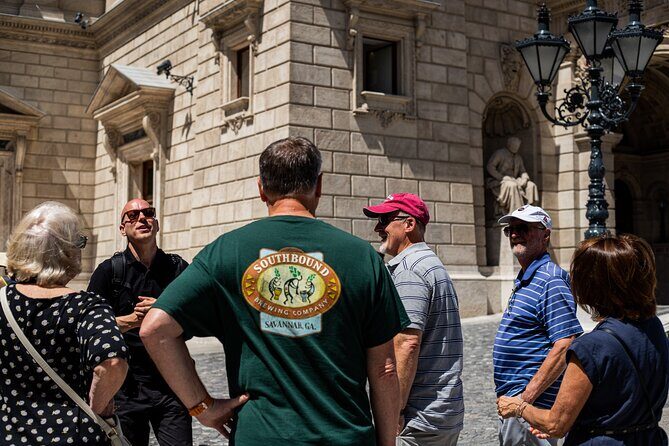
Széchenyi Thermal Bath is the kind of stop that sounds like it should take half a day. Here, you get about 15 minutes. That’s not enough time to turn it into a full thermal experience, but it can be a great preview—especially if you’ve never seen how large a historic bath complex is.
The tour frames Széchenyi as a Neo-Baroque complex with over 15 indoor and outdoor pools, plus saunas and steam rooms. Even a short visit gives you context for why locals and visitors treat these baths like a daily ritual when they can.
Here’s how to think about it: this is a “taste” stop. If you want a real soak, you’ll likely need a separate plan later. If you’re happy with a quick look and a guided introduction to the complex, this timing can work really well because it keeps the rest of your day intact.
A few more Budapest tours and experiences worth a look





St. Stephen’s Basilica: the skip-the-line piece you’ll appreciate later
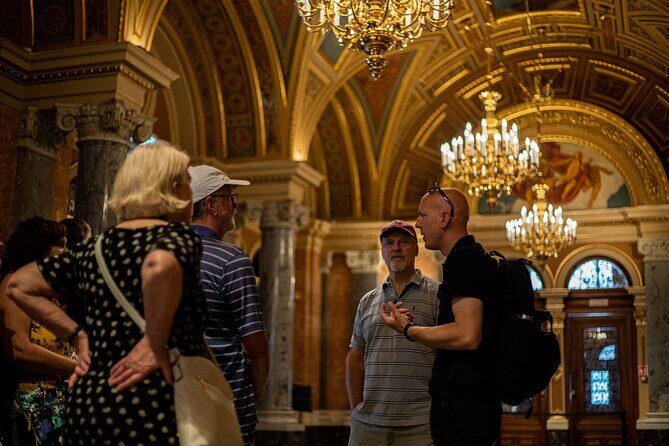
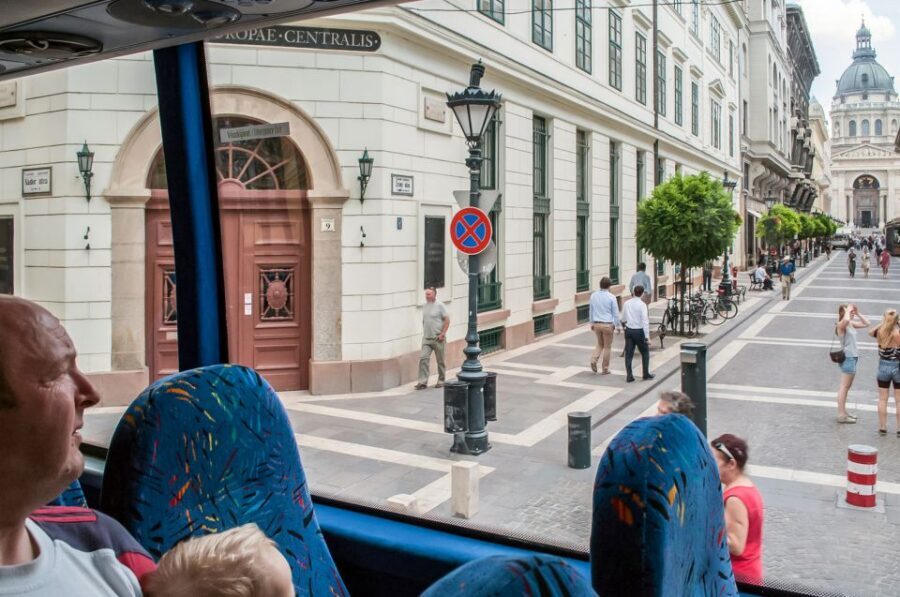
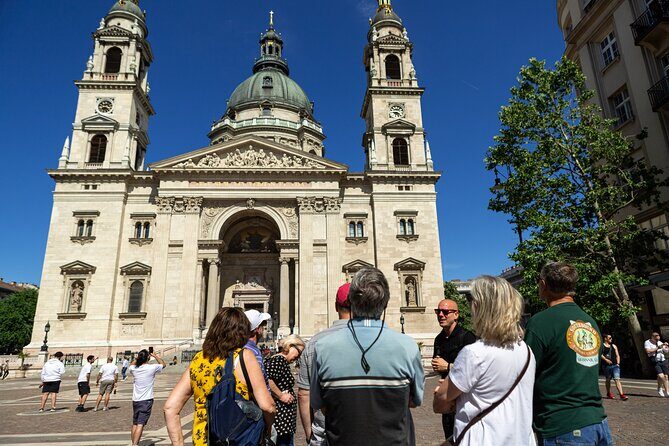
St. Stephen’s Basilica (Szent István Bazilika) is included with a skip-the-line ticket, and that’s one of the most practical parts of the whole itinerary. You get about 30 minutes here, which pairs well with the kind of entry flow that can otherwise eat up time.
The basilica is described as neoclassical with stunning architecture and intricate details, plus a viewpoint element and incredible acoustics. The mention of concerts and performances adds to why this place feels alive, not just decorative.
The tour’s choice to include skip-the-line access is a strong value move. Even if you don’t care about “lines,” queues are the easiest way to lose control of a one-day plan. Here, that time risk is reduced, and you get more of the visit itself.
Parliament and Chain Bridge: quick hits with big view payoff
After the basilica, you move toward the Hungarian Parliament Building. The tour includes a stop there, with about 15 minutes, and the admission for the Parliament is noted as not included. That usually means you’ll focus on exterior viewing and context rather than a full interior visit, which makes sense given the number of major sights on the schedule.
Then comes the Chain Bridge. This is described as an iconic suspension bridge with breathtaking skyline views and a history of surviving wars and floods. If you like bridges as viewpoints, this part is one of the easiest ways to feel Budapest’s scale without needing extra tickets.
The timing is built so you still make it up to Castle Hill. That’s the trade-off: Parliament isn’t a deep dive on this tour, but you do get the key skyline moments that connect Buda and Pest in one coherent day.
Buda Castle Hill: Matthias Church and Fisherman’s Bastion with included access
This is the part of the tour that most people remember. Buda Castle is a fortress complex with centuries of presence, ornate interiors, and cultural events. You get about 30 minutes here, which should be enough for a solid wander and the signature views.
Matthias Church follows. It’s described as Gothic architecture with intricate details and priceless art, and it’s also referenced as a coronation church. Admission is noted as not included, so again, you’re likely there for a look and orientation rather than a ticketed deep visit.
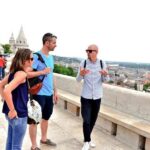
Then you reach Fisherman’s Bastion, and this is where the tour’s included skip-the-line matters again. The bastion is described as fairytale-like, with panoramic views over the city and Danube River. The admission is included, and you get about 15 minutes.
If you only have one day, this sequence makes sense. Buda Castle sets the hill’s story, Matthias adds religious and artistic context, and Fisherman’s Bastion caps it with the view payoff. It’s not a slow, do-everything plan, but it is a smart “high impact” route.
One more practical note: the castle area can feel steep and uneven. The tour is walking-focused, and even if most stops are short, you’ll still be on your feet. Plan for that and you’ll enjoy the viewpoints instead of fighting fatigue.
Price and value: what $239.10 buys you besides photos
At $239.10 per person for about six hours, this is not a budget option. But it’s also not just “a guide with a map.” Your price includes several specific things that save both time and hassle:
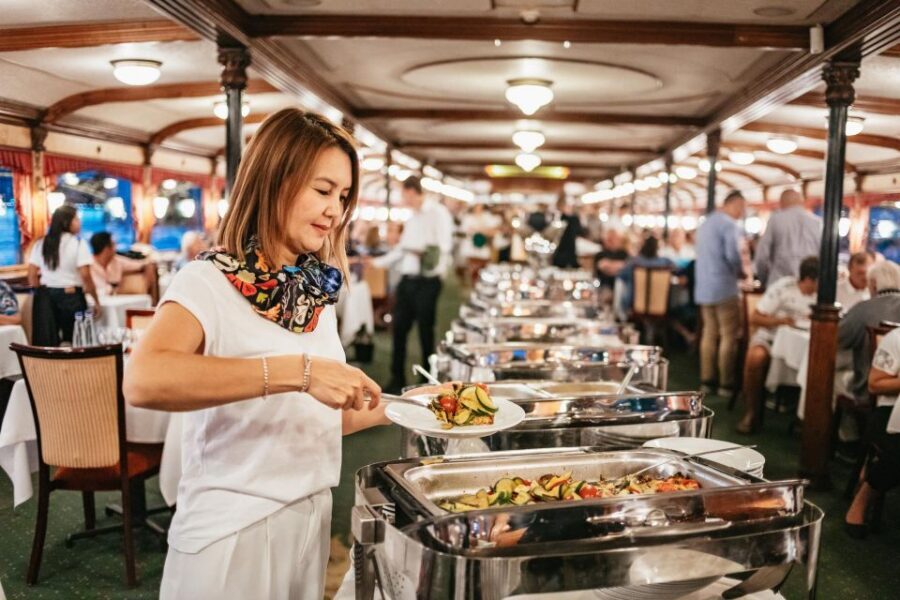
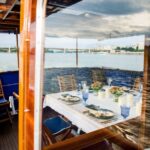
- Lunch (served at a restaurant; one example mentioned Urban Outlaw, and the menu notes goulash soup, chicken paprika, and a light dessert)
- Beverages and light refreshments
- Coffee and/or tea
- Skip-the-line tickets for St. Stephen’s Basilica and Fisherman’s Bastion
- A metro pass plus help using it (guides often provide tickets and show how to use them)
- A professional guide in English
If you were doing this on your own, you’d pay for tickets, then pay for lunch, then spend extra time organizing transit. This tour folds those costs together and takes the decision fatigue out of your day.
Also, the small-group nature matters for value. With fewer people, you’re more likely to get answers to your questions and have the group pace match the flow of the area. That’s not a guaranteed magic trick, but it’s part of why the reviews run strong.
Who this tour fits (and who might want a different plan)
This tour fits best if you want a guided “best of” route and you don’t want to manage tickets and transit while you’re learning the city. It’s also a good match if you like history and architecture, but you prefer explanations delivered while you walk instead of through a screen or a pamphlet.
It can be a great fit for first-time Budapest visitors because it covers major monuments in multiple zones: Opera/Andrássy út, Heroes’ Square/City Park area, the thermal stop, then the Parliament/river corridor and Castle Hill.
You might reconsider if you want a slow pace or a full day inside museums and baths. Széchenyi is only about 15 minutes on this schedule, and Parliament and Matthias Church have ticket notes as not included. If your goal is deep entry-level time at indoor sites, you may need a different kind of tour.
Should you book this Budapest walking tour?
Book it if you want maximum structure with minimal stress. This is the kind of day plan that helps you see the headline sights without losing half your time to lines, transport confusion, or finding lunch spots in a new city.
Skip it if you prefer unstructured wandering, long museum hours, or a real soak day at the baths. This tour is about smart coverage and included access, not slow pacing.
If you’re the type who likes to get your bearings fast—Opera first, Heroes’ Square next, then Baths, then Basilica and Castle Hill—this is a very logical one-day way to do it.
FAQ
What’s included in the tour price?
The tour includes beverages, coffee and/or tea, light refreshments, a professional guide, lunch, and skip-the-line tickets to St. Stephen’s Basilica and Fisherman’s Bastion.
How long is the tour and when does it start?
It runs for about 6 hours and starts at 10:00 am.
Where do we meet, and where does the tour end?
You meet at the Hungarian State Opera House on Andrássy út 22. The tour finishes at the Hungarian Parliament.
Is a metro pass included?
Yes, the tour features a metro pass, and it uses a mobile ticket approach.
Are tickets included for all the attractions?
St. Stephen’s Basilica and Fisherman’s Bastion have skip-the-line tickets included. Admission for the Hungarian Parliament Building and Matthias Church is not included, and several other stops are listed as free admission.
How big is the group?
The tour is described as capped at six guests, and the maximum group size is stated as 10 travelers.
Is the tour suitable for kids or people who need accommodations?
Most travelers can participate. Children must be accompanied by an adult, and service animals are allowed.