REVIEW · BUDAPEST
Welcome to Budapest Evening Walk
Book on Viator →Operated by Triptobudapest.hu - Free Budapest Walking Tours · Bookable on Viator
Budapest after dark has a way of making the city feel human. This 90-minute evening walk strings together the places most people miss during daylight, with a gentle pace that keeps things comfortable. I love the mix of big landmarks and everyday street-level details, and I also like how you finish with time to keep exploring on your own. One possible drawback: if your guide leans heavily into jokes or debate topics, the tone can feel less like a relaxing welcome and more like a long lecture—so bring some patience and plan for walking in open sunlight.
You’ll start right by Budapest Eye, then drift through the inner city for café culture and architecture, before landing along the Danube and finishing near Liberty Bridge. I also like that the tour’s timing sets you up for a smart follow-on: if you still have energy, you can climb Gellért Hill afterward to see the city lit up.
In This Review
- Key highlights worth booking for
- Why a 6:30 pm start makes sense in Budapest
- Start at Budapest Eye: a quick orientation with real local context
- District V and the inner-city stroll: cafés, shopping streets, and architecture
- The Danube embankment segment: urban art and the Buda skyline at dusk
- Fővám Square and Grand Central Market: souvenirs with bargaining basics
- Liberty Bridge finish: Turul birds, thermal bathing lore, and a shortcut to more sights
- Price and value: what $3.59 buys you in real terms
- When this tour is the best fit for you
- Practical tips so your evening stays smooth
- Should you book Budapest Evening Walk?
- FAQ
- How long is the Budapest Evening Walk?
- Where does the tour start and end?
- What time does the tour run?
- Is the tour offered in English?
- Is there an admission fee for the stops?
- How big is the group?
- Are tips included in the price?
- Can I cancel for a full refund?
Key highlights worth booking for
- Budapest Eye meetup and first-story briefing right where your bearings start to click
- District V classics: Váci Street vibes, Gerbeaud Café, and Art Nouveau/modern building details
- Danube promenade views framed toward Buda Castle Hill and Gellért Hill
- Fővám Square stop focused on Grand Central Market and practical bargaining know-how
- Liberty Bridge viewpoints plus the Turul birds and a shortcut-friendly sense of the city’s “next stops”
- Small group size (up to 20) for a quieter, easier going pace
Why a 6:30 pm start makes sense in Budapest
This walk begins at 6:30 pm, which is a smart time for Budapest. Daylight makes the details easier to spot, and by evening you get better light for photos along the Danube and bridges.
The pace is meant to be easy and gentle, so you’re not doing a hike in disguise. That matters in Budapest, where hills and stairs can jump out at you when you least expect them.
The tour also ends early enough that you’re not stuck with the “now what?” problem. I like those tours best because they don’t steal your entire night.
You can also read our reviews of more walking tours in Budapest



Start at Budapest Eye: a quick orientation with real local context
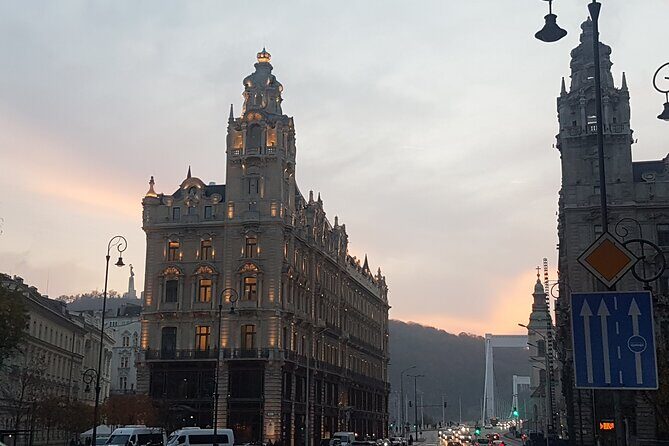
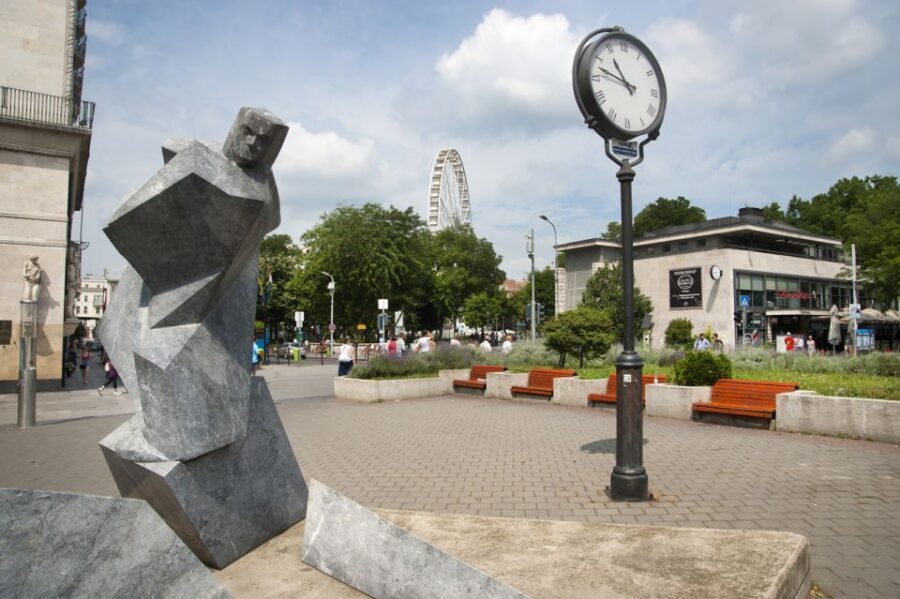
You meet your licensed local guide about 20 meters from Budapest Eye at Erzsébet tér (1051 Hungary). In practical terms, that’s helpful: you’re not wandering around hunting for a meeting point while your evening plans melt away.
This first stop is short—about 10 minutes—but it sets the tone. You’ll get told what you’ll see and hear during the walk, which helps you understand the city instead of just collecting photos.
If you’re visiting Budapest for the first time, starting here is also a confidence boost. You’re immediately near a major landmark, so you can orient yourself quickly for everything that comes next.
Tip: arrive a couple minutes early and take 30 seconds to look around. Even if you’re not riding the Ferris wheel, you’ll understand why the route goes the direction it does.
District V and the inner-city stroll: cafés, shopping streets, and architecture
The heart of the walk is in District V / the inner city, with a dedicated 40-minute segment and several stops. This is where the tour shifts from “what city is this?” to “how did it become this?”
You’ll cover Váci út (Váci utca), the classic shopping street. It’s described as a long-running trade corridor—essentially Budapest’s version of a long tradition of strolling, shopping, and window-watching.
One highlight here is Gerbeaud Café, known as the pastry shop with roughly 150 years behind it. Even if you don’t stop for coffee, it’s worth learning what you’re looking at. Food places like this often carry a city’s memory in plain sight.
The tour also points out Art Nouveau and Modern buildings. That’s not just art-history trivia. When you learn what style you’re seeing, the streets feel less random and more like a timeline you can walk through.
There’s also mention of the first McDonald’s in town, plus older residential buildings and modern urban layers. That mix is what I find fun about Budapest: it can feel grand and historical while still being fully current.
Possible drawback to consider: this part of the route is still in the open streets of the center. One piece of feedback noted an issue with getting people out of harsh sun into shade. If you’re visiting during warm weather, plan for it—bring water and something for sun coverage.
The Danube embankment segment: urban art and the Buda skyline at dusk
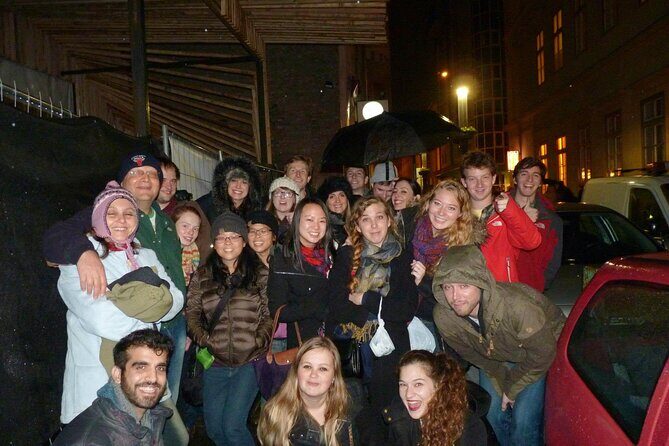
Next comes the Korzo–Danube Embankment stretch (Dunakorzo) for about 20 minutes. This is where Budapest shifts into postcard mode, but with the added benefit of context.
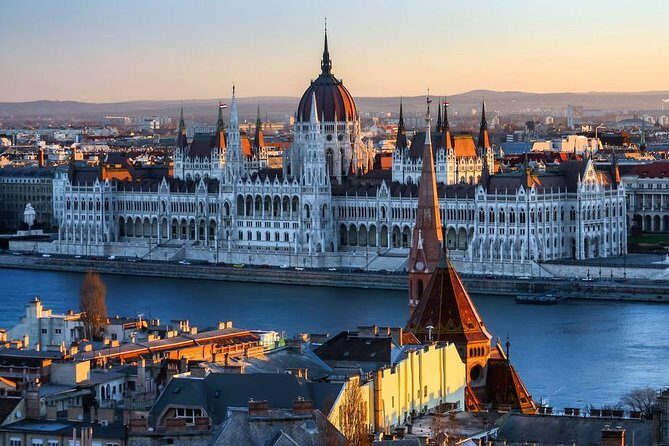
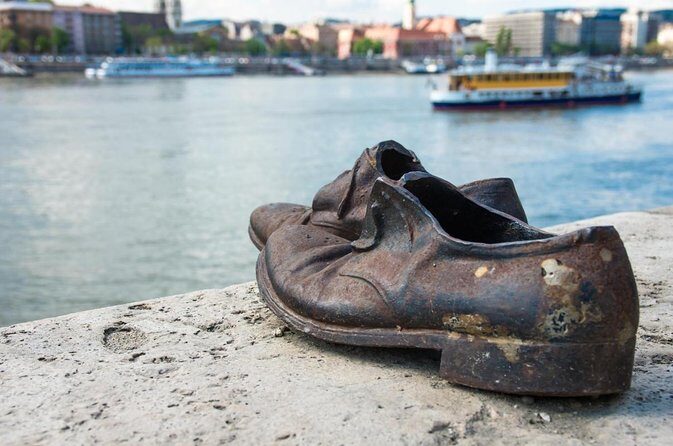
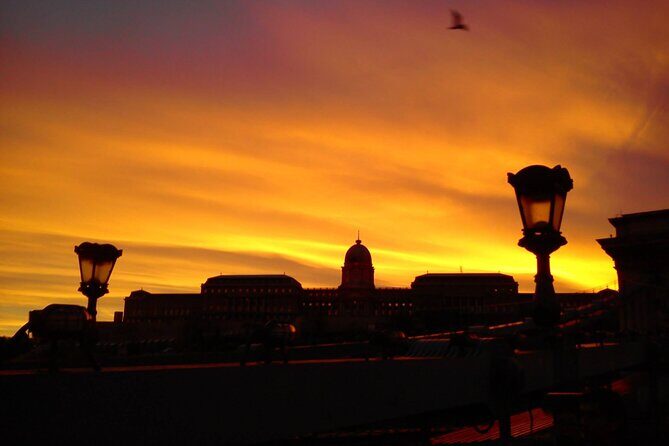
As you walk the Danube promenade, you’ll see urban art statues, the Municipal Concert Hall, and a broad view toward Buda Castle Hill and Gellért Hill. The point isn’t just to look—it’s to understand how the riverfront ties together the city’s neighborhoods.
You’ll also get a brief explanation of Hungarian history and heroes. The key word here is brief. You’re not sitting through a lecture; you’re picking up just enough background to make the monuments and streets mean something.
Why this stop is valuable: Budapest’s views are impressive, but they’re more satisfying when you know what you’re seeing and why it matters. This is the part that helps you turn scenery into understanding.
Photo tip: if you care about photos, use the Danube segment for your widest skyline shots. Bridges and embankments make it easy to frame the Buda side.
Fővám Square and Grand Central Market: souvenirs with bargaining basics
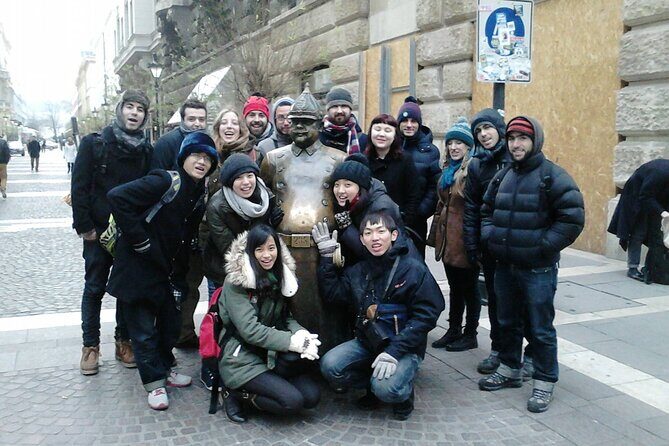
You’ll finish another set of city-center sights with a 10-minute stop at Fővám Square, where the focus shifts to food culture and markets.
You’ll be shown the Grand Central Market, and the guide talks about the city’s major flea, festive, and farmers’ markets. That matters because Budapest has a real mix of shopping options—and it’s not all one-size-fits-all.
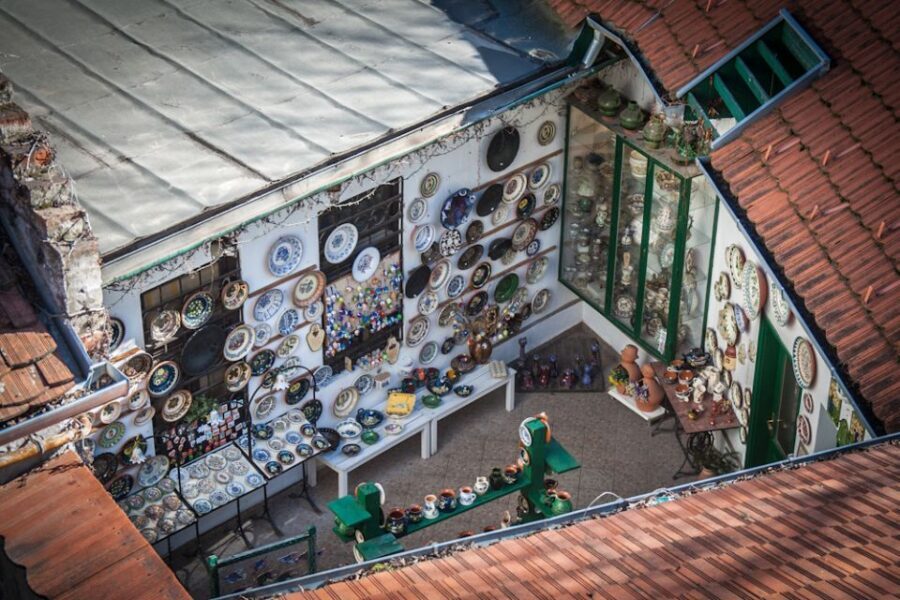
The tour also includes practical tips on how to bargain and what to consider taking home as Hungarian souvenirs. I like this type of advice because it prevents the common tourist problem: you buy something you didn’t really want, or you pay more than you needed to.
A quick caution: you’re only there briefly, so don’t expect a full shopping session. Use it as a planning moment. Afterward, you can decide what you actually want to hunt down.
You can also read our reviews of more evening experiences in Budapest






Liberty Bridge finish: Turul birds, thermal bathing lore, and a shortcut to more sights
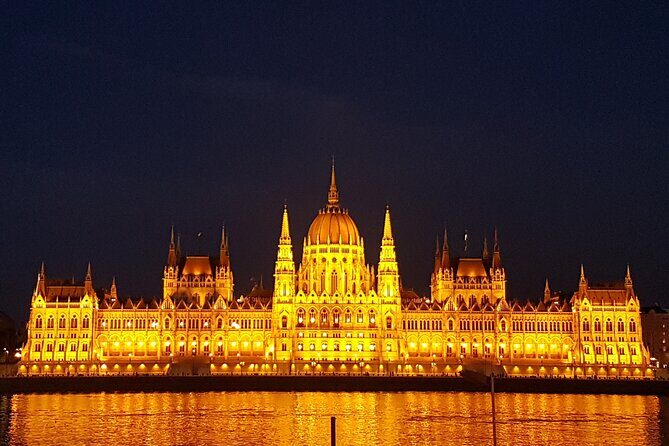
The last highlight is a 10-minute stop at Liberty Bridge (Szabadság hid). This is a great wrap-up point because it brings together symbols, skyline views, and “what next” options all in one place.
You’ll stop at the bridge capped with Turul birds—a recognizable symbol tied to Hungarian identity. You’ll also be guided past ideas and references that link directly to some famous sights you might otherwise miss.
Expect to hear about the Gellért Thermal Bath, the Cave Church and Monastery, and even the Liberty Statue, described as the biggest bottle opener in town. The point of all this isn’t to send you rushing. It’s to give you a short list of where your curiosity can go next.
The tour also points out some recent urban art hidden on the bridge. That’s a nice final touch because it trains your eyes for the small details you might keep noticing after the tour ends.
Why I think the ending works: you finish near a major crossing, which makes it easy to keep moving. And since Budapest’s best exploring often involves choosing your own path afterward, you’re set up to do that.
Price and value: what $3.59 buys you in real terms
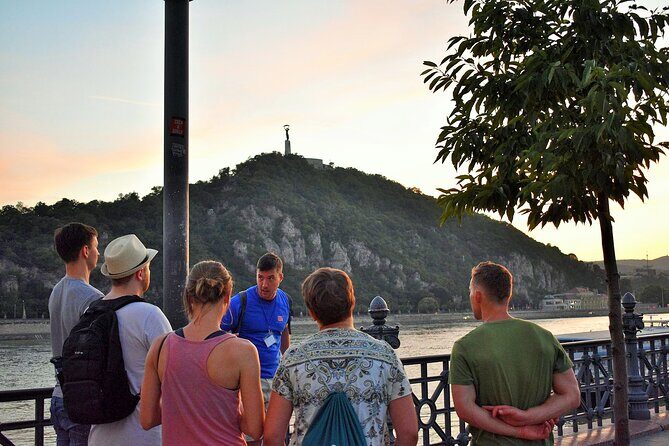
At $3.59 per person for about 1 hour 30 minutes, this is priced like a low-cost introduction rather than an all-day premium experience. The listed inclusions are simple: you’re paying a tour booking fee. Tips aren’t included, which is standard for guided walks.
So what’s the value? It’s the combination of:
- a small-group guided route (up to 20 travelers)
- English-language interpretation
- time-saving orientation through several key areas
- free admission tickets being marked at stops, which suggests you’re not getting nickeled-and-dimed just to see the points of interest
In other words, you’re buying the guide’s ability to connect the dots quickly—history, architecture styles, market know-how, and city landmarks—without needing to plan a route yourself.
If you’d otherwise spend an evening figuring out where to go, this is a pretty good deal for getting bearings fast.
When this tour is the best fit for you
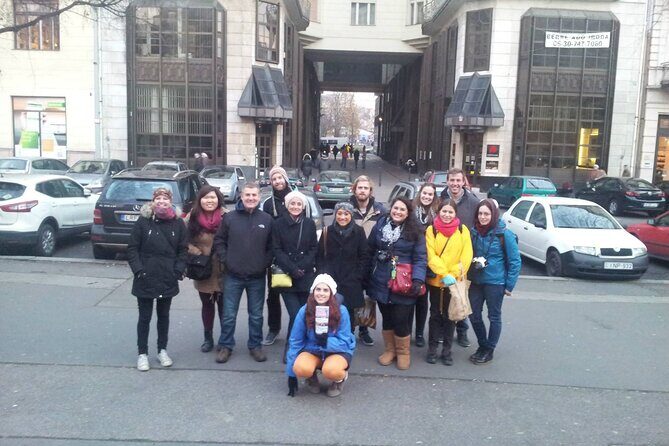
This is a great match if you want a gentle evening walk with a clear route and a guided narrative. You’ll enjoy it most if you like learning just enough background to make Budapest feel readable.
It’s also a good first-night choice. Starting at a major landmark and ending at a bridge crossing makes it easy to decide later where to go next.
You might want to reconsider if you’re extremely sensitive to guide style. One piece of feedback described a guide whose humor and commentary could feel too heavy, including topics like religion and politics, plus frustration about shade. If you personally prefer calm, strictly sightseeing-focused guidance, you may want to join with that in mind.
Practical tips so your evening stays smooth
A few small things can make a big difference on a walk like this:
- Bring water. Even at an easy pace, you’ll be walking multiple segments in the center.
- Use sun protection if it’s warm. There’s enough open street time that you may want a hat.
- Wear comfy shoes. Bridges and pavements add up fast, especially if you also climb Gellért Hill afterward.
- Plan the follow-on. The tour is timed so you can keep going, and Gellért Hill is the suggested next move for the illuminated city view.
Should you book Budapest Evening Walk?
Book it if you want a low-cost, structured evening introduction that ties together the Danube side, inner-city streets, markets, and Liberty Bridge in about 90 minutes. The price-to-time ratio is strong, and the route is built to get you oriented without exhausting you.
Skip (or at least go in with expectations) if you only want strict landmark sightseeing with minimal discussion. Because guide tone can vary, you’ll do best if you’re open to conversation and short historical context, not just passive viewing.
If you’re aiming for an evening that balances learning and flexibility, this one fits the bill.
FAQ
How long is the Budapest Evening Walk?
It runs for about 1 hour 30 minutes.
Where does the tour start and end?
It starts at the Budapest Eye area near Erzsébet tér, and it ends near Fővám tér.
What time does the tour run?
The start time is 6:30 pm.
Is the tour offered in English?
Yes, it’s offered in English.
Is there an admission fee for the stops?
The stops list admissions as free, and the tour’s included cost is a booking fee. Tips to the guide are not included.
How big is the group?
The tour has a maximum of 20 travelers.
Are tips included in the price?
No. Tips to the tour guide are not included.
Can I cancel for a full refund?
Yes. You can cancel up to 24 hours in advance for a full refund.