REVIEW · BUDAPEST
Life Behind the Iron Curtain, the communist Budapest private
Book on GetYourGuide →Operated by Budapest Day Trips · Bookable on GetYourGuide
Iron Curtain memories feel real here. You’ll get a private, guided look at Budapest’s Communist past through the city’s memorials, statues, and the places where history was rewritten.
I especially love how the tour pairs the giant symbolism of the Freedom Statue area with the grounded, on-the-ground evidence of Memento Park. The one drawback: this is heavy subject matter, so if you want purely upbeat sightseeing, you may feel the weight quickly.
In This Review
- Key Points You Should Know Before You Go
- Life Behind the Iron Curtain in Budapest: What This Tour Does Differently
- Memento Park: Propaganda in Outdoor Storage (and Why That Matters)
- A practical tip for Memento Park
- House of Terror: Where the Stories Turn Personal
- Emotional reality check
- Citadella and the Siege of Budapest: The War That Changed Everything
- Viewpoint bonus
- Memento Park Statues vs. City Monuments: Two Ways to Learn the Same Message
- Children’s Railway in the Buda Hills: A Hopeful Ending You Didn’t Expect
- Quick practical note
- Price and Value: Is $294 a Good Deal for This Kind of Tour?
- Who This Tour Fits Best (and Who Might Want Something Lighter)
- Should You Book Life Behind the Iron Curtain in Budapest?
- FAQ
- How long is the tour?
- Is this a private tour?
- What are the main stops?
- Where are pickup and drop-off locations?
- What’s included in the price?
- Are museum entry fees included?
- What languages is the guide available in?
- What should I bring?
- Is the tour wheelchair accessible?
Key Points You Should Know Before You Go
- Private guide, tailored pacing with time split between van rides and short walks around key memorial points
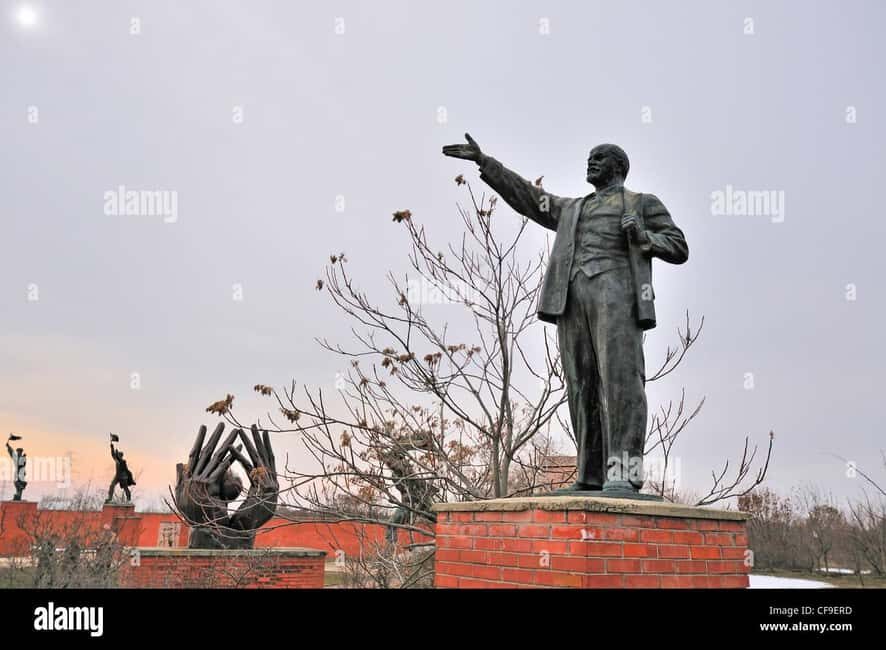
- Memento Park guided stop with entry included, focused on the outdoor collection of relocated Communist-era statues
- House of Terror with an audio-guide to help you follow the stories inside
- Citadella and Gellért Hill context that ties the siege of Budapest to the start of a long occupation period
- Children’s Railway finale in the Buda hills, a surprisingly hopeful way to end the day
Life Behind the Iron Curtain in Budapest: What This Tour Does Differently
Budapest has plenty of “pretty city” energy. This tour trades that for something more useful: understanding how power worked here, and what it did to ordinary lives.
I like that the experience is built like a story. You start with monuments and public messaging, then you move into the human cost, then you come back up to the viewpoints and symbols people still photograph. It’s not just about seeing places. It’s about connecting them.
And since it’s private, your guide can slow down where you want answers. If you’re into World War II timelines, you’ll get the Siege of Budapest context. If you’re more focused on everyday life under Communism, the museum material and the memorial sites do that job.
You can also read our reviews of more private tours in Budapest



Memento Park: Propaganda in Outdoor Storage (and Why That Matters)
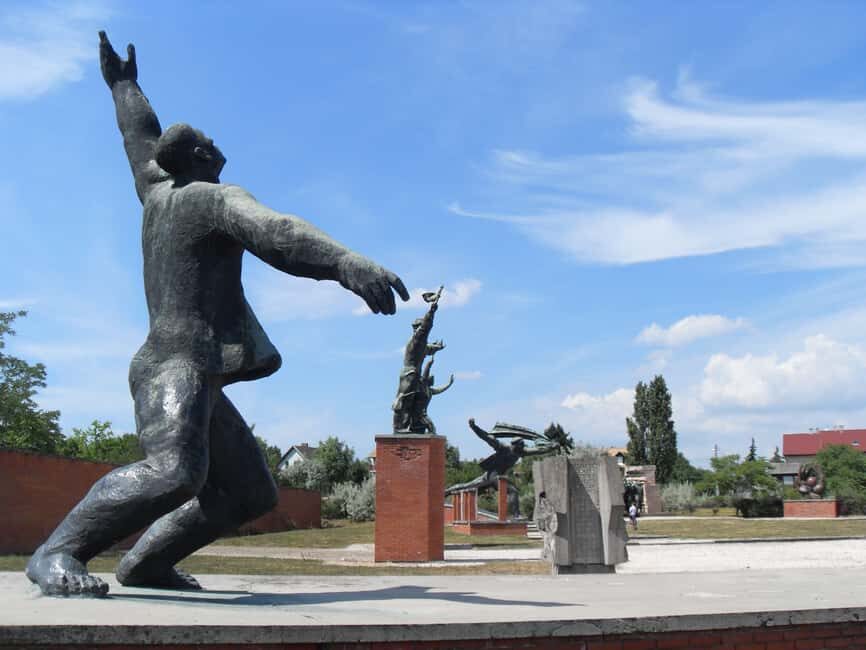
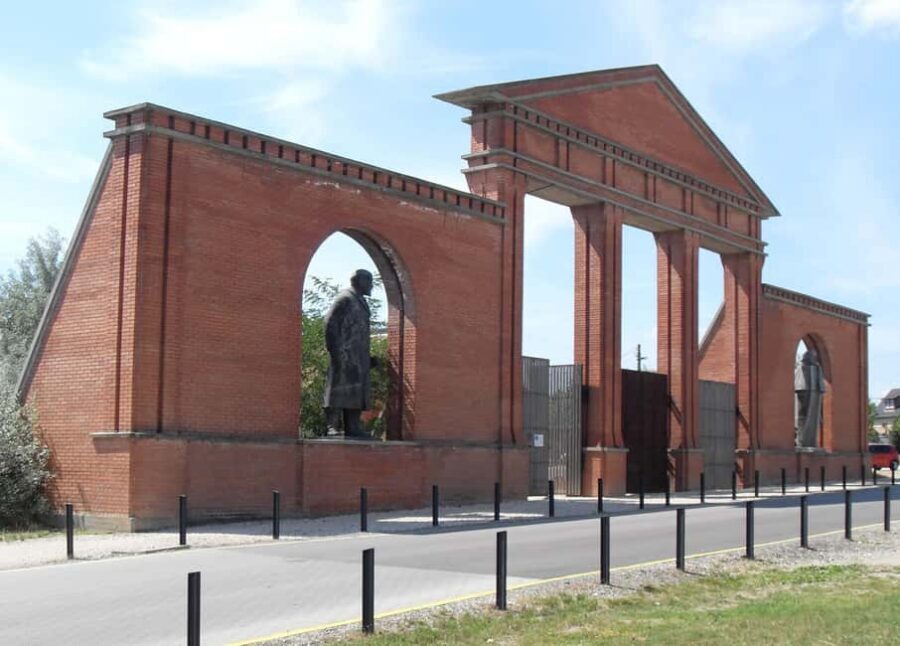
Your day typically begins at Memento Park, the open-air museum built from the Communist-era statues that were removed from public squares and relocated after 1945–1989.
This is where you’ll start “reading” the visual language of the era.
You’ll see the giant, iconic figures that once dominated civic space, including statues tied to Marx and Lenin, plus other Communist leaders. The guide also points out features like the Memorial of Hungarian-Soviet Friendship and the way these works were designed to project authority from far away. In this setting, they’re still dramatic, but you also get the distance that comes with history being moved out of the spotlight.
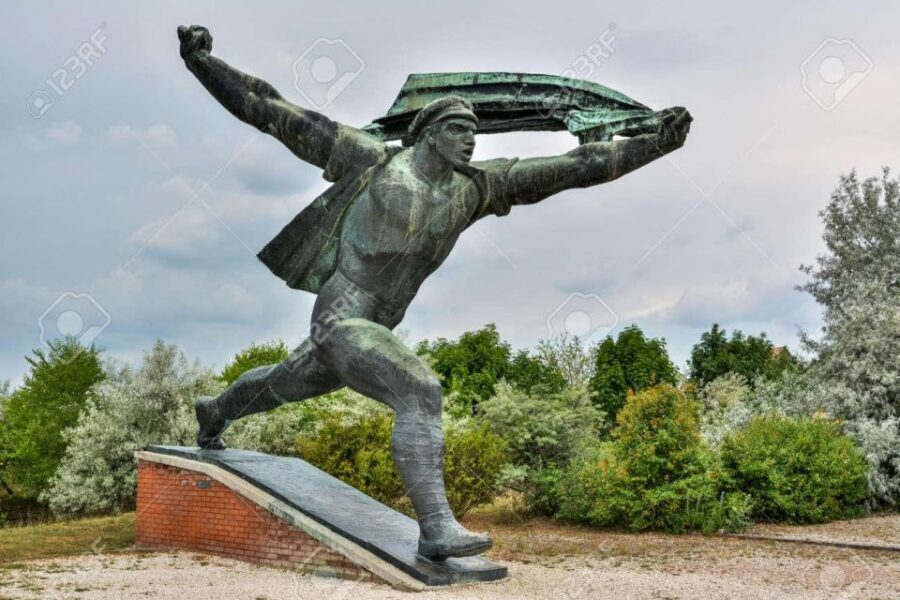
One of the most interesting details is the scale. The park includes a 6-meter-high Liberation Army Soldier statue—a reminder that the messaging wasn’t subtle. These were meant to be impossible to ignore.
Then there’s the bigger idea behind the park: when the statues are removed from their original locations, their job changes. Instead of telling people what to worship in everyday life, they become evidence. You can look at them like artifacts. You can ask why they were placed there, and what that placement tried to do.
A practical tip for Memento Park
Wear shoes that handle uneven outdoor ground. The guided portion is set for about an hour, and the point is to see the forms from multiple angles, not just take quick photos.
House of Terror: Where the Stories Turn Personal
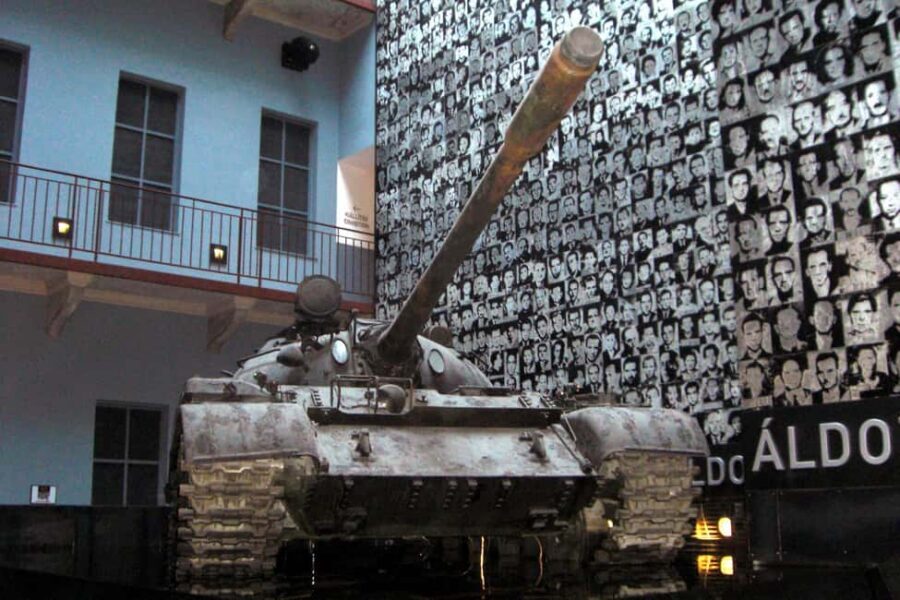
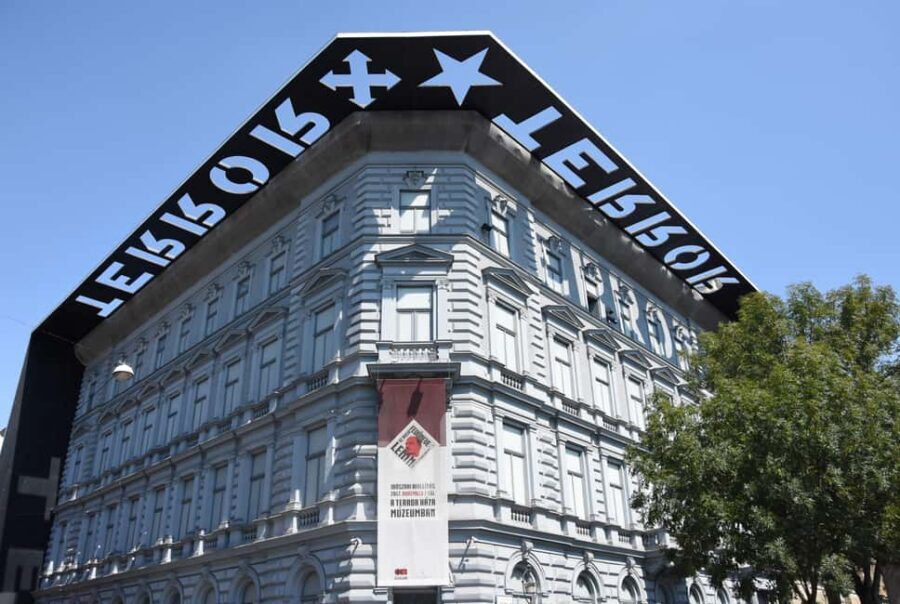
After Memento Park, the tour moves into the House of Terror (also referred to as the Terror Museum). This is the part that changes your mood fast.
This museum is dedicated to the victims of the Communist era. You’ll get a guided visit (about 1.5 hours), and the experience includes an audio-guide so you can keep up with the structure of the exhibits while your guide explains key points.
What I like here is that you don’t just get a political lecture. You get a sense of how systems of control worked through the institutions created around fear, surveillance, and repression. Even if you already know the broad timeline of Communist rule, the museum’s focus on victims makes the story concrete.
There’s also a smart balance built into the tour. You’re not spending the whole day in heavy rooms. Later you’ll be back outside, looking at monuments on viewpoints, and finishing with the Children’s Railway. That shift doesn’t “fix” the darkness, but it keeps you from burning out before you understand everything.
Emotional reality check
If you’re sensitive to historical violence and intimidation themes, plan your day accordingly. Bring a bottle of water, and don’t feel pressured to rush. Let the audio-guide help you pace yourself.





Citadella and the Siege of Budapest: The War That Changed Everything
One of the most valuable parts of this tour is the way it connects the end of World War II to the start of occupation.
You’ll visit the Citadella area and learn about the Siege of Budapest toward the end of WWII. That context matters, because the Communist-era story doesn’t begin in a vacuum. The fight over the city, the collapse of one order, and the takeover of another are the opening chapters that shape what comes next.
Then you’ll head to Gellért Hill, where the big sight is the Liberty Statue, also known as the Freedom Statue.
This monument was erected in 1947, and it started its life dedicated to the Russian troops. The height is enormous: the pedestal is 26 meters high, and the statue adds another 14 meters. It’s considered probably one of Europe’s tallest monuments of its kind, and it’s built to dominate the skyline.
Today, the Freedom Statue is treated as a more universal symbol of freedom. That transformation is part of what makes the viewpoint powerful. The same structure that once pointed toward a specific political mission now represents something broader. Your guide helps you see how public meaning can shift over decades.
Viewpoint bonus
After you learn the historical backstory, the views from this area make more sense. It’s not just scenery. You’re looking at a city through the same kinds of “control from above” thinking that shaped the conflict and the later propaganda.
Memento Park Statues vs. City Monuments: Two Ways to Learn the Same Message
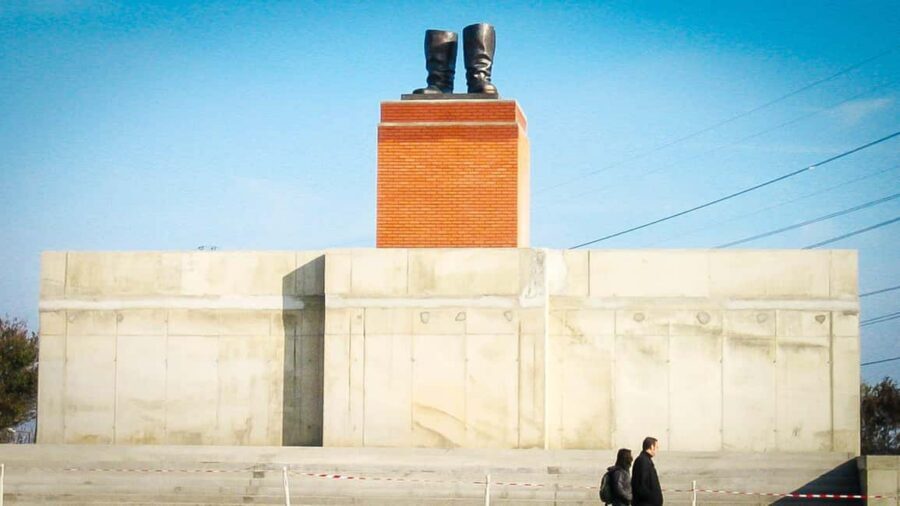
A guided part of the day in Budapest itself ties the memorial landscape together. You’ll get examples of era monuments and the figures associated with Communist ideology.
You’ll hear about famous personalities of the era, including Ostapenko alongside the better-known names like Marx and Lenin. You’ll also see how memorial works from 1945–1989 were relocated out of regular city life and into Memento Park.
This contrast is more than a logistics detail. It’s a learning tool.
- In the city, monuments once reinforced political messages as part of everyday public space.
- In the open-air museum, the same style of monuments becomes something you study, interpret, and question.
Your guide helps you spot that difference as you move. That’s why this doesn’t feel like a checklist tour.
Children’s Railway in the Buda Hills: A Hopeful Ending You Didn’t Expect
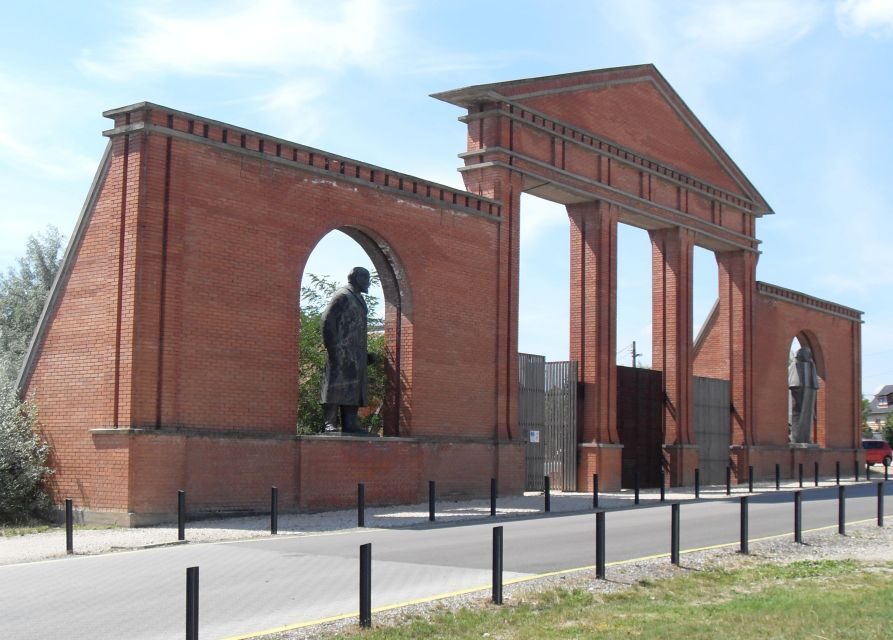
After the museums and memorial viewpoints, you finish with something that feels almost out of place: a ride on the Children’s Railway.
The tour includes this stretch in the Buda hills. Historically, it opened in 1949 and was originally known as the Pioneer’s Railway. The idea was very specific: the trains were operated by children aged 10–14 years.
That detail might sound surreal until you consider what the Communist-era youth groups tried to do—shape the next generation early. The ride becomes a living symbol of how systems of ideology weren’t only about politics or punishment. They were also about teaching people where they fit in the future.
The fun part is real too. The best way I can describe it: you’ll be smiling more than you expected, even though your brain will still be processing the earlier stops. It’s a tonal reset that lets the day end without leaving you exhausted.
Quick practical note
Bring light layers. You’ll be outside, and you’ll likely spend part of the day in cooler hill air.
Price and Value: Is $294 a Good Deal for This Kind of Tour?
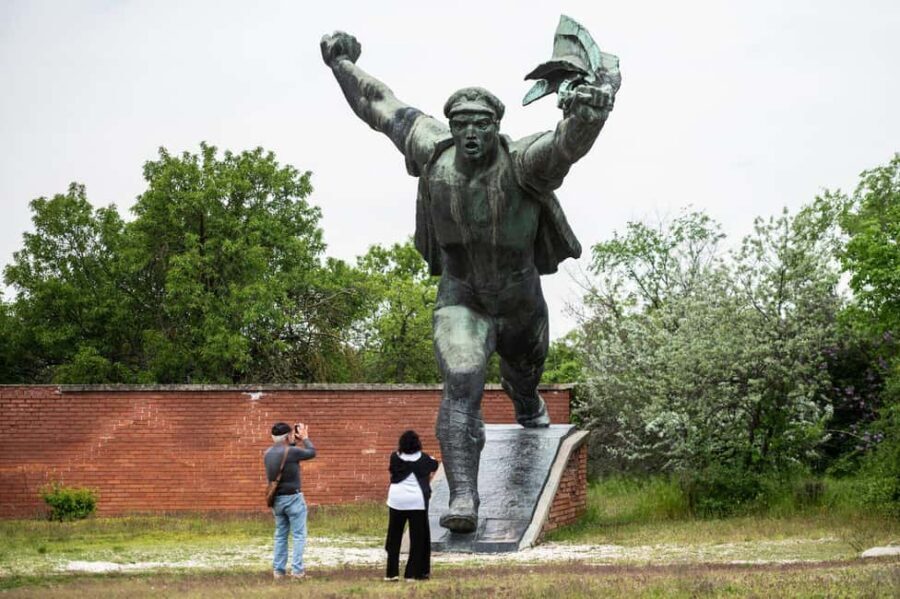
At $294 per person for a private half-day format, the value depends on what you want from Budapest.
Here’s what you’re getting that many cheaper options don’t combine:
- A private English, Spanish, Italian, German, or French live guide
- Hotel pickup and drop-off (plus multiple pickup/drop-off district options)
- Transfers in a van with time built in for moving between key sites
- Entry into Memento Park
- Guided time at Memento Park and House of Terror
- A final included ride on the Children’s Railway
What’s not included: lunch, and entry fees for places like the House of Terror (and also listed as Retro Museum entry fees). So you should budget a bit for museum tickets beyond what’s covered.
Is it expensive? It’s priced like a serious guided experience, not like a group bus tour. But if you care about context—how the siege storyline links to occupation, how propaganda statues functioned, and what the Terror Museum shows—private guiding can be worth every dollar because you get answers in real time.
If you’re traveling with just two people, this tends to feel even more rational because you’re splitting the cost of the guide and door-to-door transfers.
Who This Tour Fits Best (and Who Might Want Something Lighter)
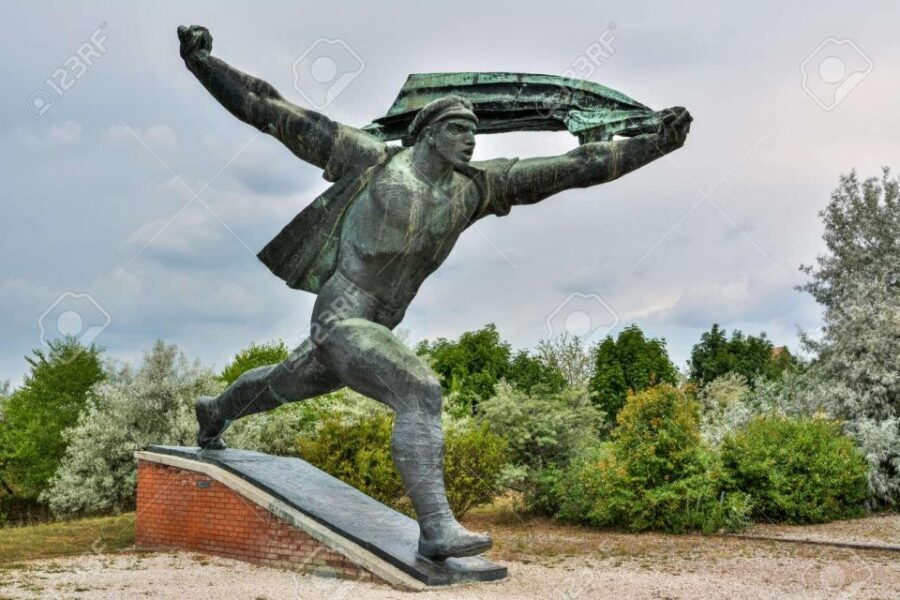
This experience fits you if you:
- want a structured way to understand Communist-era Hungary
- like museum storytelling with guided explanation and an audio-guide
- enjoy seeing history through both memorials and the institutions behind them
- prefer a private format where your guide can match your interests
It might not fit you as well if:
- you’re avoiding heavy topics and prefer entertainment-focused sightseeing
- you want a “short and easy” day with minimal emotional weight
- you dislike any museum time at all
Should You Book Life Behind the Iron Curtain in Budapest?
If you’re the kind of traveler who likes to understand the why behind what you see, I’d book it. This is one of those tours where the city’s monuments aren’t just photo stops. They become a guided lesson in how power gets displayed—and how people suffer when it’s enforced.
Spend a few minutes checking your comfort level with serious history. If you’re okay with that, you’ll come away with clearer connections: the siege context, the meaning shifts around the Freedom Statue, the purpose of propaganda statuary in Memento Park, and the human reality presented at the House of Terror. Then you’ll end on the Children’s Railway, which adds a surprising, human tone to close out the day.
FAQ
How long is the tour?
The tour duration is listed as 5 hours.
Is this a private tour?
Yes. It’s a private group experience.
What are the main stops?
The tour includes Memento Park, the House of Terror, a guided sightseeing portion in Budapest, and a ride on the Children’s Railway.
Where are pickup and drop-off locations?
Pickup options include District XI, District V, and District VII. Drop-off locations also include District VII, District XI, and District V.
What’s included in the price?
Transfers, a guide, entry into Memento Park, and hotel pick up and drop off are included.
Are museum entry fees included?
No. Entry fees to the Retro Museum and the House of Terror are listed as not included.
What languages is the guide available in?
The live guide is available in English, Spanish, Italian, German, and French.
What should I bring?
Bring a passport or ID card.
Is the tour wheelchair accessible?
Yes, the tour is listed as wheelchair accessible.