REVIEW · BUDAPEST
Budapest: Danube River Views Bike Ride
Book on GetYourGuide →Operated by Yellow Zebra Tours · Bookable on GetYourGuide
A Danube ride beats museum hopping fast. You get sweeping views on both sides of the river while rolling through Budapest’s big-name landmarks, including Andrassy Avenue and its Hungarian State Opera House. I like that the tour is built around classic sightlines you can’t easily string together on foot in this time, and I also like the small-group size that keeps the pace friendly.
What makes it extra fun is the story layer from the guide—Beka/Becker is called out in reviews for being sharp on history and funny in delivery—so the bridges and buildings feel like they matter, not just backdrops. The one thing to weigh is effort: this is continuous light biking for up to about 3 hours, with some uphill stretches, so comfortable shoes and a realistic pace plan matter.
In This Review
- Key things I’d zero in on
- Why This Danube Bike Ride Works So Well
- Getting Set Up at Yellow Zebra and Starting Calm
- Andrassy Avenue and the Opera House: A Grand Start Without the Stress
- St. Stephen’s Basilica, Parliament, and Liberty Square on One Flow
- Crossing the Bridges: Chain Bridge and Elisabeth Bridge Don’t Feel Like Just Photos
- Into Buda: Margit Bridge, Clark Adam Square, Hotel Gellért, and Rudas Thermal Baths
- Back Toward Pest: Promenade Bike Lanes and Downtown Orientation
- The Effort Level: What Light But Continuous Biking Really Means
- Price and Value: Is $41 a Smart Use of Your Time?
- Who This Tour Fits Best (and Who Might Want a Different Plan)
- Should You Book It?
- FAQ
- How long is the Budapest Danube River Views bike ride?
- Where do I meet for the tour?
- What is included in the price?
- Are entrance fees included for sights and museums?
- Is this tour suitable for children?
- Do I need to be an experienced cyclist?
- What happens if the weather is bad?
- What size is the group and what language is the guide?
Key things I’d zero in on
- Both sides of the Danube: Pest and Buda promenades and major landmarks in one loop
- Bridge crossings with stories: you ride the kind of bridges people photograph for a reason
- Andrassy Avenue time: UNESCO World Heritage–listed boulevard energy plus Opera House views
- Landmarks you can’t miss: Parliament, St. Stephen’s Basilica, Chain Bridge, and more
- Small group (max 10): easier questions, less waiting around
- Guide quality: Beka/Becker gets praised for knowledge and humor
Why This Danube Bike Ride Works So Well
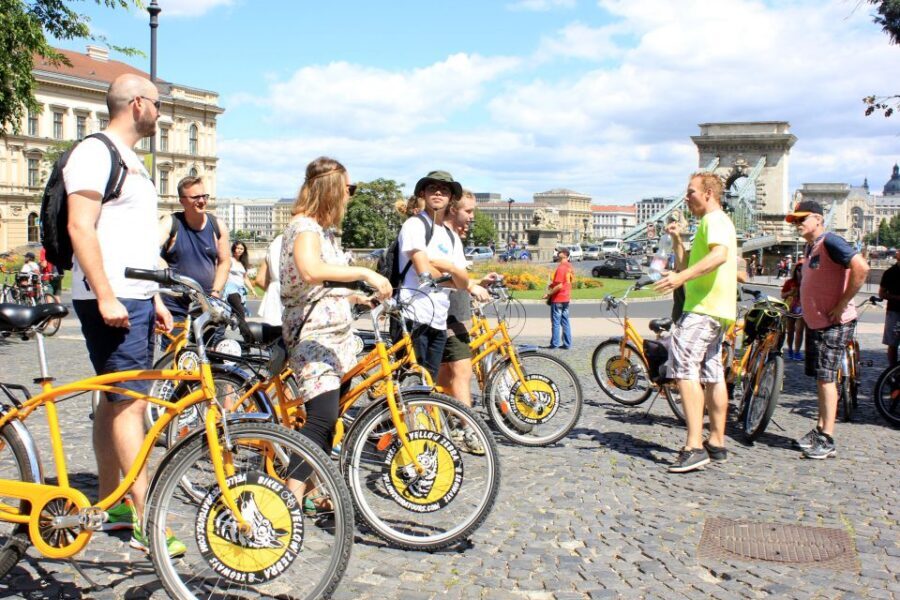
Budapest is one of those cities where the “big stuff” is close, but not that easy to stitch together unless you’re either very fit or very lucky with transit. This ride is a smart compromise: you cover a lot of ground with bikes, yet you still get to stop and look at what you’d actually want to see.
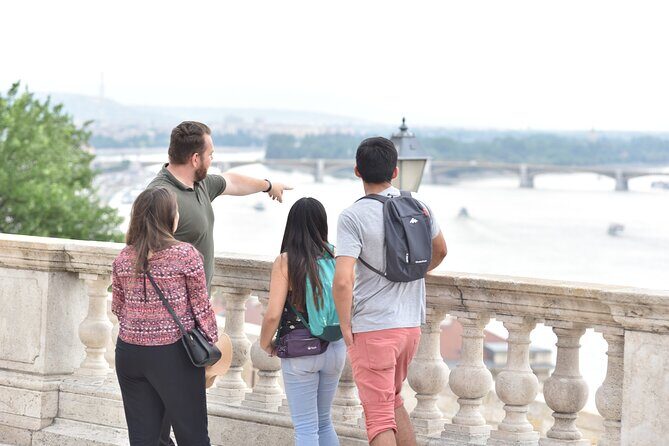
The route also makes sense visually. Riding along the Danube means you’re always getting framed views—river angles on one side, grand city architecture on the other. That’s especially helpful because Budapest’s identity is split across Pest and Buda, with different vibes and hills. A bike keeps you moving while letting the city reveal itself in chunks.
Most of all, the tour is paced like a sightseeing day, not a sprint. You’ll do short breaks, but the main rhythm stays “mostly continuous biking,” which is great when you’re trying to get a feel for the city quickly.
You can also read our reviews of more cycling tours in Budapest


Getting Set Up at Yellow Zebra and Starting Calm
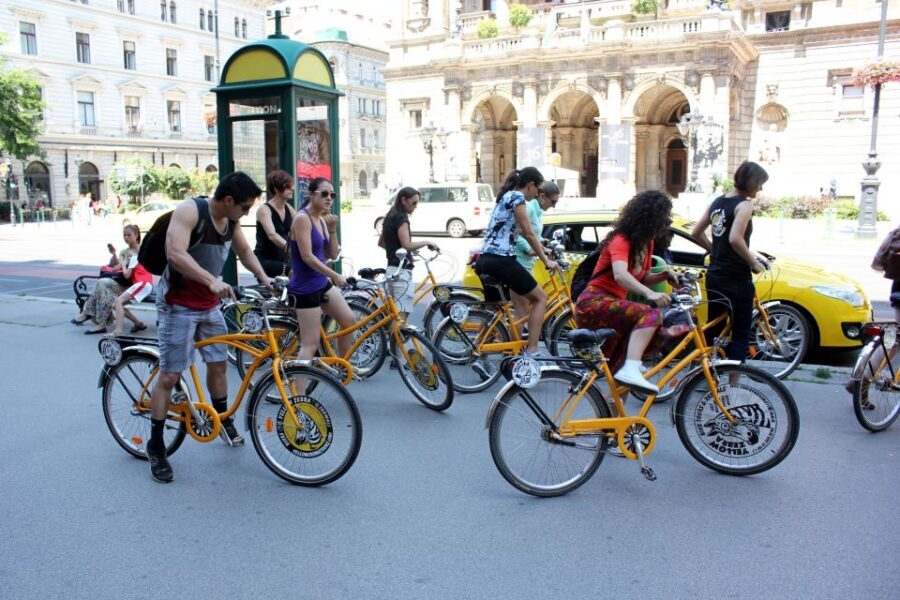
You meet at Yellow Zebra Bikes & Segways (1052 Budapest, Karoly korut 16.) in the courtyard, doorbell 6. It’s a straightforward start point, and it helps that the group is small—up to 10 participants—so you’re not stuck waiting while a crowd sorts gear.
Bike hire is included, and an optional helmet is available. That’s a practical win. You don’t want to spend your first hour in Budapest figuring out rentals and then second-guessing whether you should’ve grabbed a helmet.
Come prepared for a ride, not a walk. Comfortable shoes matter, and so does weather-appropriate clothing. The tour runs in all weather conditions, so you’ll want layers you can sweat in or stay warm in.
Andrassy Avenue and the Opera House: A Grand Start Without the Stress
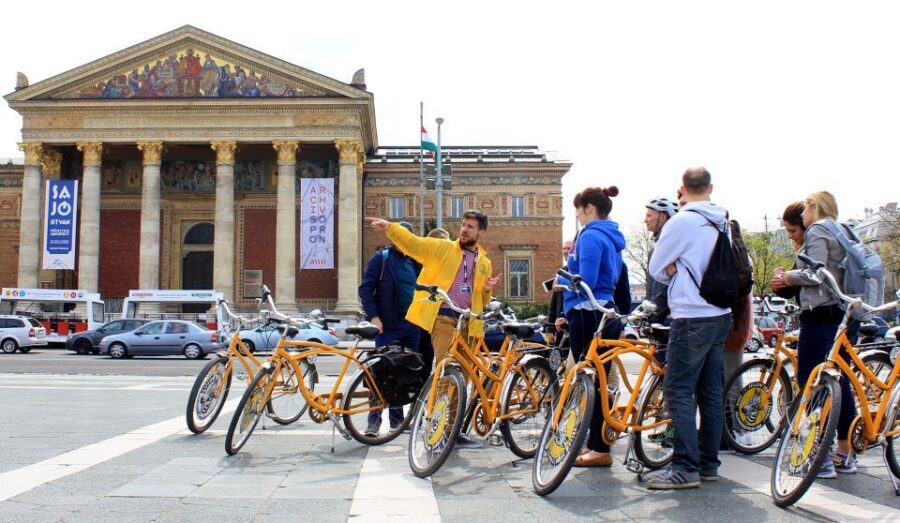
A lot of Budapest “first-timer plans” rush you past Andrassy Avenue. Here, the boulevard is part of the actual ride, so you get to feel how it shapes the city. It’s listed as a UNESCO World Heritage Site, and it shows—this is one of those wide, elegant boulevards where the buildings line up like they were designed for long views.
The tour cycles along Andrassy Avenue and ends there as well, which is useful. You get an initial look as you pass through, and then you return at the end with the Hungarian State Opera House in your face again—this time when you might have a better sense of what to notice.
Why this matters: Opera House architecture is easiest to appreciate when you’re not hunched over a map. Seeing it twice from the bike route helps you lock in the details: scale, symmetry, and the “19th-century grand” feel that defines this section of town.
St. Stephen’s Basilica, Parliament, and Liberty Square on One Flow
After the Andrassy Avenue time, the ride moves into the core “must-see” zone around the Danube.
You’ll check out St. Stephen’s Basilica, Liberty Square, and the Parliament area, with the river acting like the connecting visual thread. From the bike, these stops feel like they belong to a single story: civic power, spiritual centerpiece, and national identity all placed close enough to compare in one pass.
A key advantage here is that the route is designed for sightseeing continuity. You’re not doing one landmark and then backtracking. You’re moving across the river system in a way that keeps momentum, which is a big deal if you’ve got limited time in Budapest.
Practical note: St. Stephen’s Basilica is known for its presence, and you’ll likely want a moment to stop and take in the scale. The guide’s job here is to help you understand why it looks the way it does and what role it played in the city’s self-image—not just pointing at it.
Crossing the Bridges: Chain Bridge and Elisabeth Bridge Don’t Feel Like Just Photos
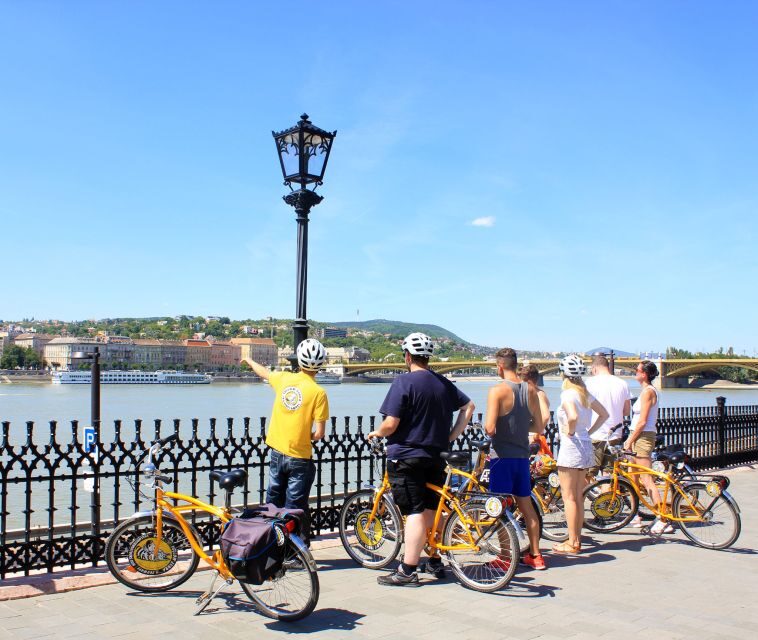
Bridges are where Budapest turns from “pretty city” into “engineering + history + spectacle.”
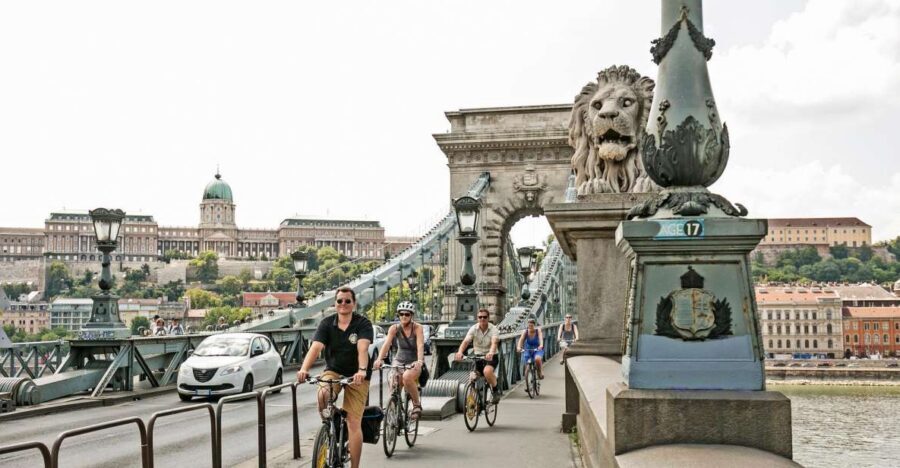
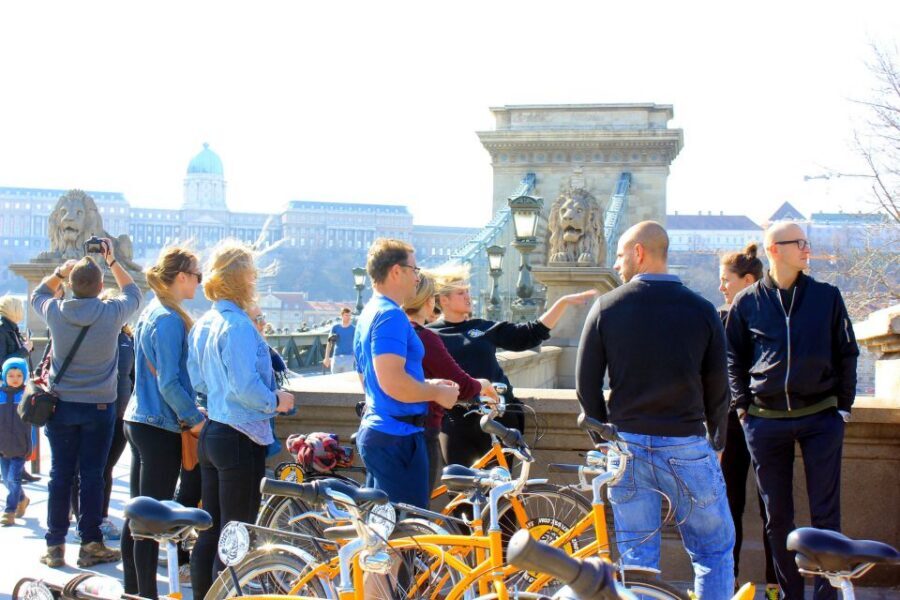
You ride over major crossings including the Széchenyi Chain Bridge and the Elisabeth Bridge, and the route includes the Margit Bridge as well. Each one comes with a story element, so you don’t just glide over water—you understand the context.
This is where the guide makes a difference. Reviews praise Beka/Becker for being both knowledgeable and funny, and that blend matters on a bridge-focused tour. You’ll get the feeling that Budapest’s river crossings weren’t random—they were steps in the city’s growth and defense and trade.
Why I like this approach for visitors: if you’re only walking, bridges can feel like “crossing points.” On a bike ride, bridges become the show. You’re in motion, you’ve got a view angle that changes while you ride, and you can process what you’re seeing in real time.





Into Buda: Margit Bridge, Clark Adam Square, Hotel Gellért, and Rudas Thermal Baths
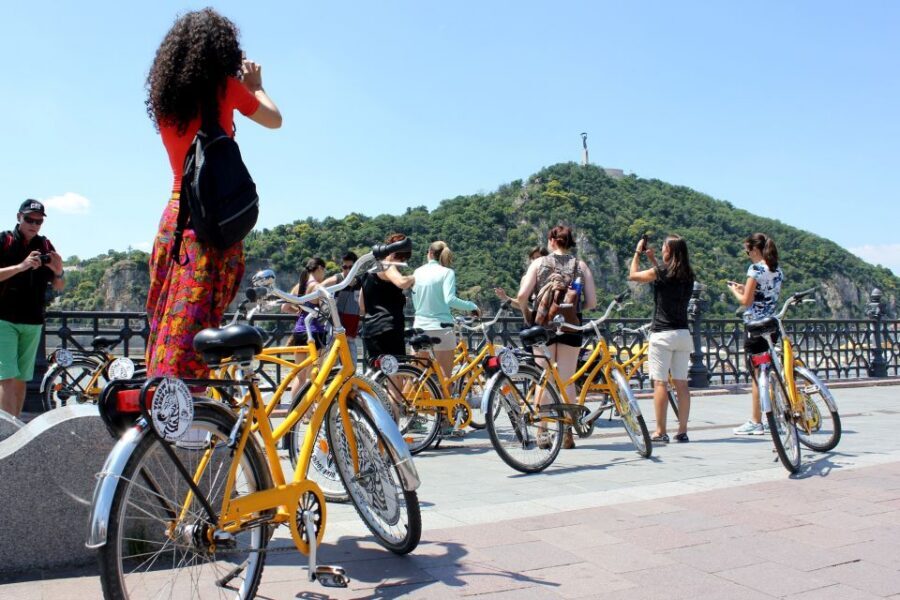
Crossing to Buda gives you the hill-and-history side of Budapest. The tour uses the Margit Bridge to reach the west bank, which is a smart way to feel the city shift. On the Buda side, the terrain and architecture lead you to understand why the city’s story is more complicated than a simple postcard.
You’ll learn about Buda’s history, including sieges and conquests during the Ottoman expansion that nearly wiped out the city’s population. That kind of context can change how you read the surrounding streets and building density. Without it, you might see just “old stone and winding views.” With it, you start thinking: how did people rebuild after near-erasure?
Then the ride carries you toward Clark Adam Square, passes the famous Hotel Gellért, and heads by Rudas Thermal Baths. Even if you’re not going in, seeing these landmarks from the bike route helps you place Buda’s culture: hotel glamour, bathhouse tradition, and the city squares that anchor daily life.
One heads-up: Stretches can be uphill. A review specifically flags that as something to consider when booking. Light biking is the plan, but if you know you hate climbs, it’s worth factoring that in rather than hoping it’ll feel like flat ground.
Back Toward Pest: Promenade Bike Lanes and Downtown Orientation
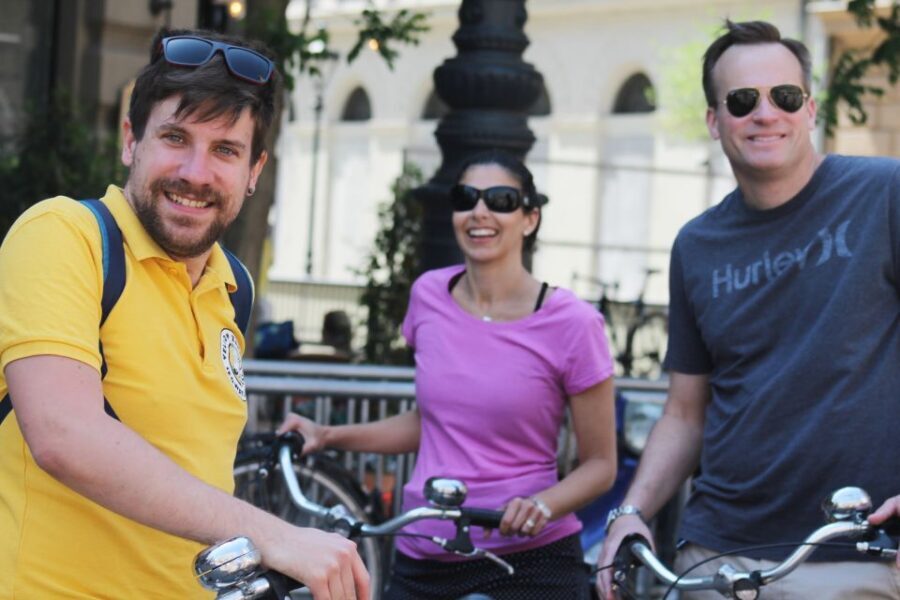
After the Buda portion, you cross back toward Pest using the Elisabeth Bridge again. This part is valuable because it helps you reorient—once you’ve seen both banks, you start understanding how Budapest is laid out.
The tour also includes time where you ride on promenade bike lanes, which can make city cycling feel calmer. It’s less about dodging traffic and more about cruising with a view.
Then you’re placed in “Pest downtown” territory, and that’s a quiet benefit: you finish with a sense of where things are, even if you don’t remember every street name. When you later wander on your own, you’ll find it easier to pick directions without constantly re-checking your map.
The Effort Level: What Light But Continuous Biking Really Means
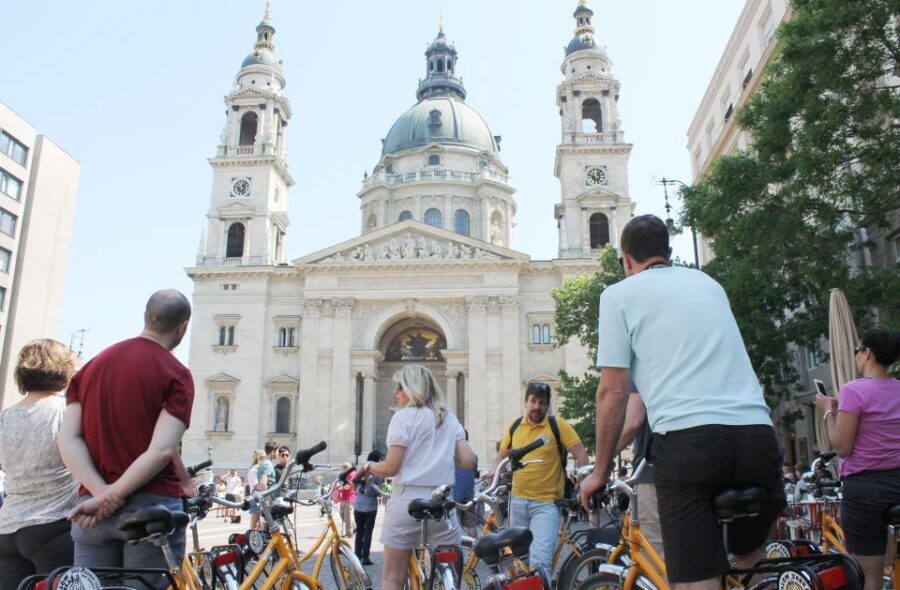
The tour is described as light biking with mostly continuous riding and short breaks, up to about 3 hours of total time on the bike. That’s a big deal because it sets expectations: you should plan for steady movement, not a half-day of stop-and-go walking.
So here’s how I’d think about it:
- If you’re comfortable on a bike for an hour or two, with a few tougher stretches, you’ll likely be fine.
- If you’re new to cycling or you expect lots of recovery time, you may find the pacing harder.
And again, there are uphill parts. Even if they’re short, they affect comfort. Wear breathable clothing, and don’t treat the tour like a leisurely stroll.
There’s also an extra “check your assumptions” moment: one review reports a scheduling mishap where the person ended up on an e-bike instead of regular bikes. The ride stayed fun, but it wasn’t what they expected. If you care about bike type, it’s reasonable to confirm what you’ll receive at check-in.
Price and Value: Is $41 a Smart Use of Your Time?
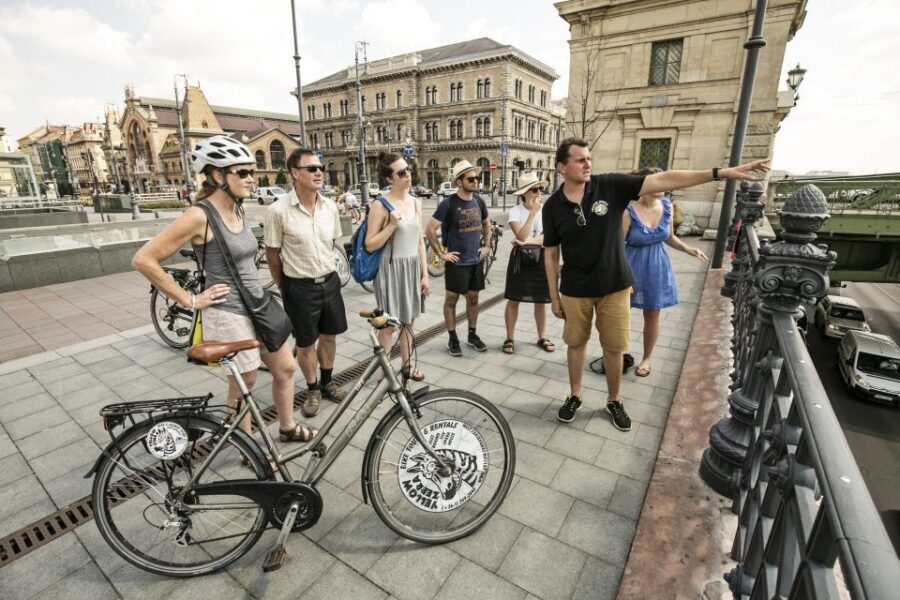
At $41 per person for about 2.5 hours, this tour is priced like a value sightseeing option rather than a museum day. You’re paying for three things:
- A guide who handles route flow and storytelling
- Bike hire (and an optional helmet)
- Access to multiple top-tier landmarks without you managing logistics between them
What’s not included matters for planning. Food and beverages, entrance fees, and public transport tickets to and from start and end points are not included. That means you’ll either budget for snacks separately or plan to eat before/after.
But if you’re doing Budapest for the first time, the value calculation often comes down to this: how much would it cost you in time and hassle to get the same combo of bridges, river viewpoints, and major landmarks on your own? In many cases, you’d lose half a day to transportation planning and backtracking.
Also, the small group size (max 10) is part of the price rationale. Less time waiting makes the ride feel more efficient, and it usually helps with questions.
Who This Tour Fits Best (and Who Might Want a Different Plan)
This is ideal for first-timers who want a “big highlights” overview and for anyone who likes city cycling with a story behind it.
It’s a good fit if:
- you want both sides of the Danube in one outing
- you like seeing monuments from realistic street angles (not just from tour buses)
- you want a guide who can make history stick through explanation and humor
- you can handle light, mostly continuous biking with short stops
It’s less ideal if:
- you’re traveling with kids under 12 (the tour isn’t suitable for them)
- you’re looking for a relaxing walk-only sightseeing day
- you’re not comfortable with uphill sections
The tour also isn’t set up for party vibes—intoxication isn’t allowed—so it keeps the experience focused and safe.
Should You Book It?
If you want an efficient way to get the “Budapest essentials” without turning your day into a routing puzzle, I’d say this is a strong choice. The combination of Danube views, bridge crossings, and landmark stops adds up to far more than a typical overview walk.
Book it especially if you care about guide quality—reviews call out Beka/Becker for being knowledgeable and funny, which you’ll feel during the ride when the stories make the sights click.
Skip it (or choose a different style) if you hate cycling or if you want long, slow stops with minimal effort. This one is built for movement.
If you book, do yourself a favor: wear comfortable shoes, dress for weather, and don’t treat it like a “sit and watch” tour. On this ride, you’re part of the city’s rhythm, and that’s exactly why the views land.
FAQ
How long is the Budapest Danube River Views bike ride?
The tour runs for about 2.5 hours, with expectations of light biking and short breaks for up to around 3 hours.
Where do I meet for the tour?
You meet at Yellow Zebra Bikes & Segways, 1052 Budapest, Karoly korut 16., in the courtyard (doorbell 6).
What is included in the price?
Bike hire is included, along with an optional helmet.
Are entrance fees included for sights and museums?
No. Entrance fees are not included.
Is this tour suitable for children?
No. It is not suitable for children under 12 years old.
Do I need to be an experienced cyclist?
You should be fit enough for light but mostly continuous biking with short breaks. Some uphill parts are part of the experience.
What happens if the weather is bad?
The tour proceeds in all weather conditions. The operator notes that refunds or exchanges won’t be given due to adverse weather.
What size is the group and what language is the guide?
The tour is a small group limited to 10 participants, and the live guide works in English.