REVIEW · BUDAPEST
Budapest: St.Stephen’s Basilica Grand Organ Concert Tickets
Book on GetYourGuide →Operated by Hungaria Koncert Ltd. · Bookable on GetYourGuide
One hour, and you’ll hear Budapest differently. This ticket turns St. Stephen’s Basilica into a real listening room: you get a close-up look at the Grand Organ, an English explanation from the organist, and then a live program played right where the architecture does the sound-check for you. I love the way the organist explains the instrument as you watch it up close, and I love that the performance is short enough to fit into a sightseeing day without making you plan around it.
My one caution: the concert portion is only 20 minutes, so if you’re craving a long recital, you may feel like you just got settled in. That said, the rest of the value comes from what you do after the music—time in the church, the treasury (including a famous relic), and the panoramic terrace for skyline views.
In This Review
- Key things to know before you go
- Entering St. Stephen’s Basilica for a Very Special Kind of Concert
- How the Timing Works: From Ticket Office to Gallery
- The Organist Explanation: The Console, the Heart of the Instrument
- The Live Concert: 20 Minutes, Big Impact
- Set List 1: Organ Classics
- Set List 2: From Baroque to Romanticism
- After the Music: Church Time at Your Pace
- Treasury Highlights: The Holy Dexter and St Stephen’s Right Hand
- The Panoramic Terrace: Budapest Views Without a Detour
- Price and Value: Is $61 Worth It?
- Who This Fits Best (and Who Might Skip It)
- Should You Book This Grand Organ Concert Ticket?
- FAQ
- FAQ
- How long is the St. Stephen’s Basilica Grand Organ concert experience?
- What’s included with the ticket besides the organ concert?
- Where do I meet the group?
- How long is the live concert portion?
- Are there different concert programs?
- Is the experience offered in English?
Key things to know before you go
- Organist-led explanation up close at the gallery, including how the console fits into the instrument
- A focused 20-minute live concert with two possible set lists (Baroque through Romantic styles)
- You get time to explore independently afterward, not just stand and leave
- Treasury visit included, featuring the Holy Dexter and the mummified right hand of King St Stephen
- Panoramic terrace access included, for city views after the performance
- English commentary throughout, so it’s easy to follow even if you’re new to organ music
Entering St. Stephen’s Basilica for a Very Special Kind of Concert
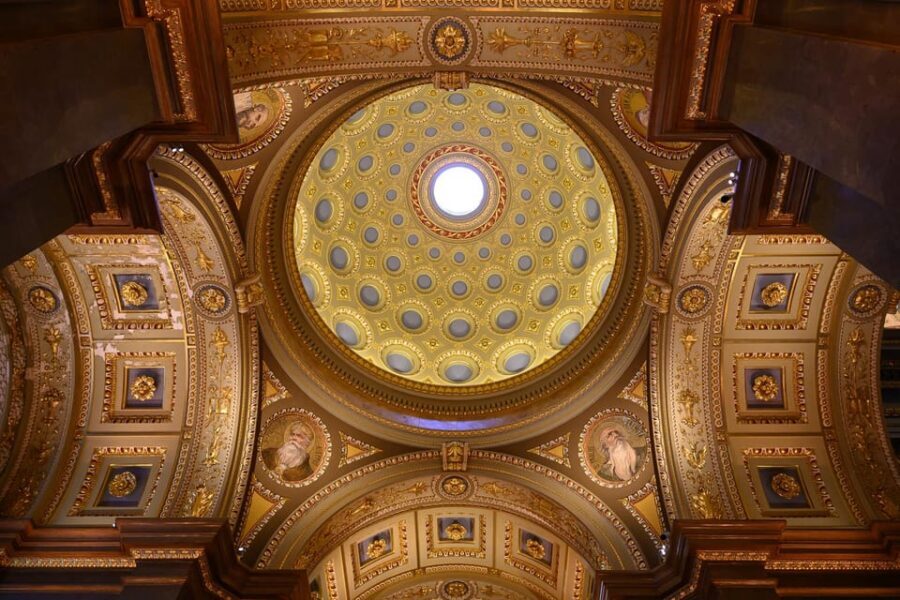
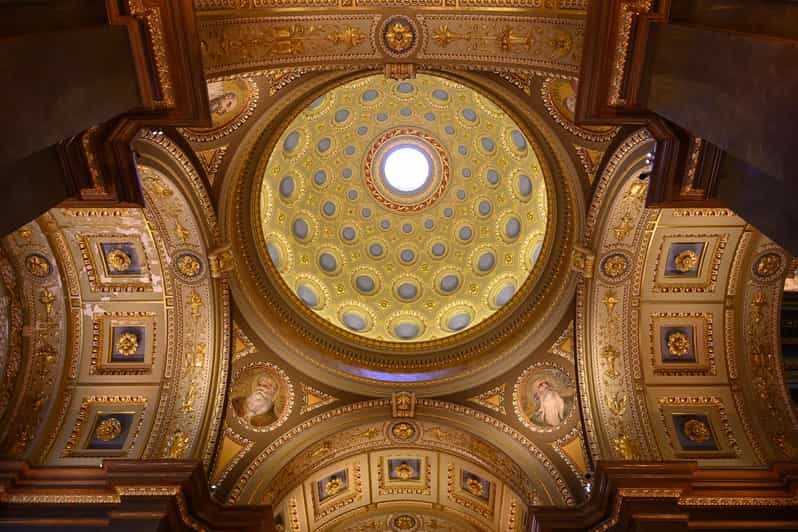
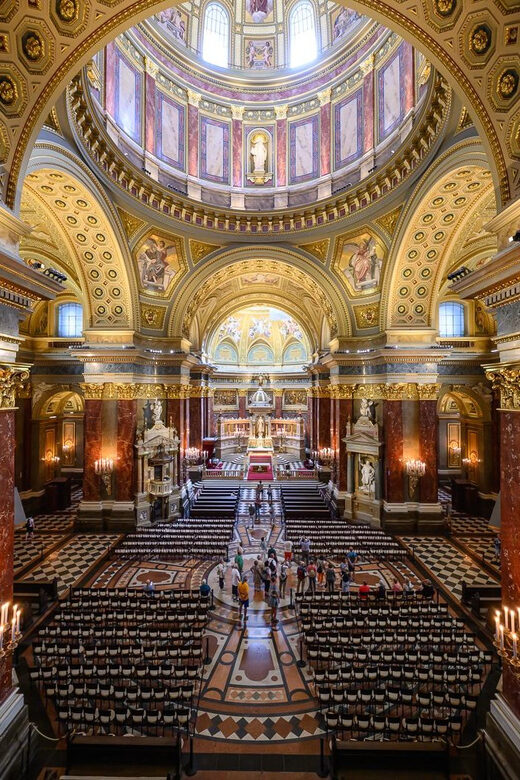
St. Stephen’s Basilica is one of those places in Budapest that makes you slow down on purpose. The building is impressive before you even hear a note. Then the Grand Organ concert adds a second layer: you’re not just sightseeing—you’re hearing how the church space shapes sound.
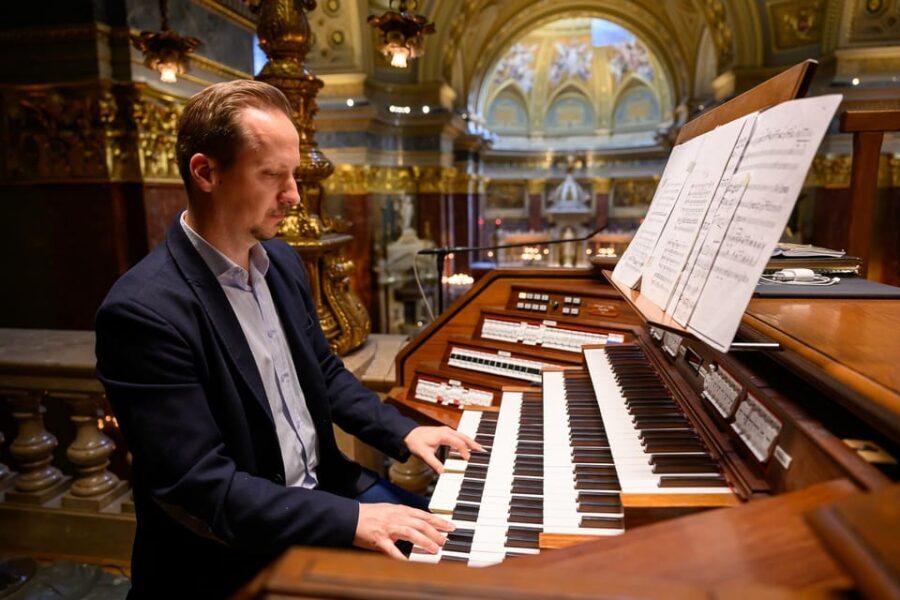
The format is smart. You meet at the basilica’s main entrance, and your group is guided to the gallery for a close-up view of the instrument. That shift—from tourist zone to music zone—matters. It helps you pay attention, because the organist is going to show you what you’re actually looking at and how it works.
The tone from the experience (based on what people consistently praised) is also comforting: the organist experience tends to be both professional and friendly. One standout name that came up in feedback is Garry, described as charming, very knowledgeable, and quick to answer questions—especially helpful if you’re not sure what to listen for.
A few more Budapest tours and experiences worth a look


How the Timing Works: From Ticket Office to Gallery
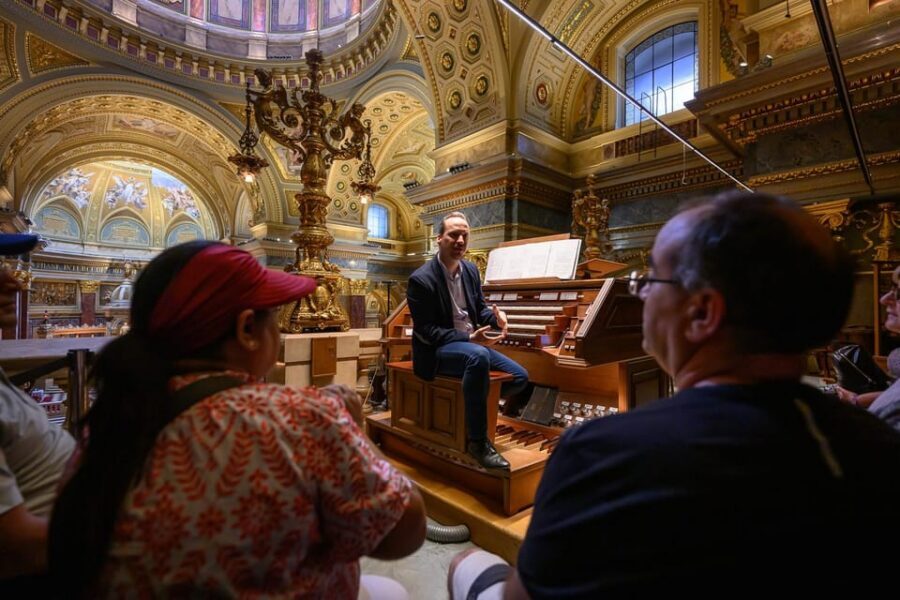
The whole experience is timed to fit comfortably into a day in Budapest. You’ll start by exchanging your voucher at the ticket office at St. Stephen’s Basilica. After that, you head to the venue meeting point at the main entrance to connect with the group and the organist.
Once you’re with your group, the flow is straightforward:
- You move from the entrance area to the gallery for the instrument portion.
- You get an explanation as you look closely at the organ.
- You then settle into the concert moment for the live performance.
- After the music, you have time to explore on your own.
Because the concert is scheduled and concentrated, the key practical move is to arrive with enough buffer that you’re not rushing through the basilica. Even if you’re excited, take a breath before the explanation starts. Organ concerts are easier when you’re not distracted.
The Organist Explanation: The Console, the Heart of the Instrument
This is where the experience earns its ticket price. A lot of music events put you in front of a stage and hope you’ll figure things out. Here, you’re taught what you’re seeing and why the sound happens.
The organist introduces the structure of the instrument and focuses on the console, described as the heart of the organ. That matters because organ music can feel mysterious if you don’t know what the performer is controlling. When you understand the console’s role, you start noticing the relationship between the hand movements and the sound that fills the space.
What I like about this style of explanation is that it makes the organ less intimidating. It also improves your listening during the concert because you’re not just hearing notes—you’re connecting them to choices the organist is making in real time.
And if English is your language, you’re set. The session is run in English, so you’re not left piecing together meaning from just music.
The Live Concert: 20 Minutes, Big Impact
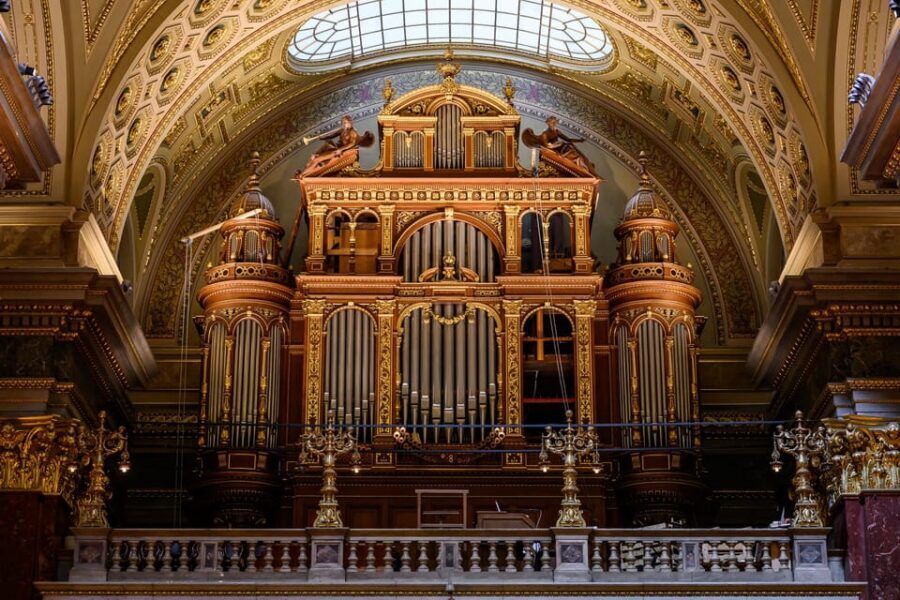
Let’s be honest: 20 minutes sounds short. But for an organ in a basilica, short can be perfect. The sound is powerful, the architecture is dramatic, and the organ classics are designed to land fast.
The performance is presented as live organ classics with two possible set lists. You may hear one program or the other depending on scheduling, so it’s worth knowing what both include:
Set List 1: Organ Classics
- G. F. Händel: Halleluja
- F. Schubert: Ave Maria
- J. S. Bach: Toccata and Fugue in D minor
- J. Pachelbel: Canon in D major
- F. Liszt: Canzonetta del Salvator Rosa
- Ch.-M. Widor: Toccata from Symphonie for Organ No. 5
This set leans into recognizable, crowd-friendly hits—especially Bach and Widor. If you like the idea of hearing music that feels classic even if you haven’t studied organ before, this list is a great fit.
A few more Budapest tours and experiences worth a look





Set List 2: From Baroque to Romanticism
- G. F. Händel: Zadok the Priest – Coronation Hymns
- A. Vivaldi: Concerto in A minor – Allegro
- J. S. Bach / F. Liszt: Chorus – Ich hatte viel Bekümmernis from Cantate BWV 214
- G. Fauré: Aprés un Rêve
- F. Liszt: Legend of St. Elizabeth – The Crusaders
- C. Franck: Prelude in H minor
- A. Guilmant: Final from Sonata No. 1
This one feels like a musical journey, from Baroque form toward more romantic drama. It’s also great if you enjoy variety, because you’ll hear different musical personalities rather than repeating one style.
Either way, the experience is about fusion: the organist’s skill and the basilica’s architecture working together. You’ll often notice that the sound doesn’t behave like a pop concert sound system. It blooms, it lingers, and it changes as the instrument and space cooperate.
After the Music: Church Time at Your Pace
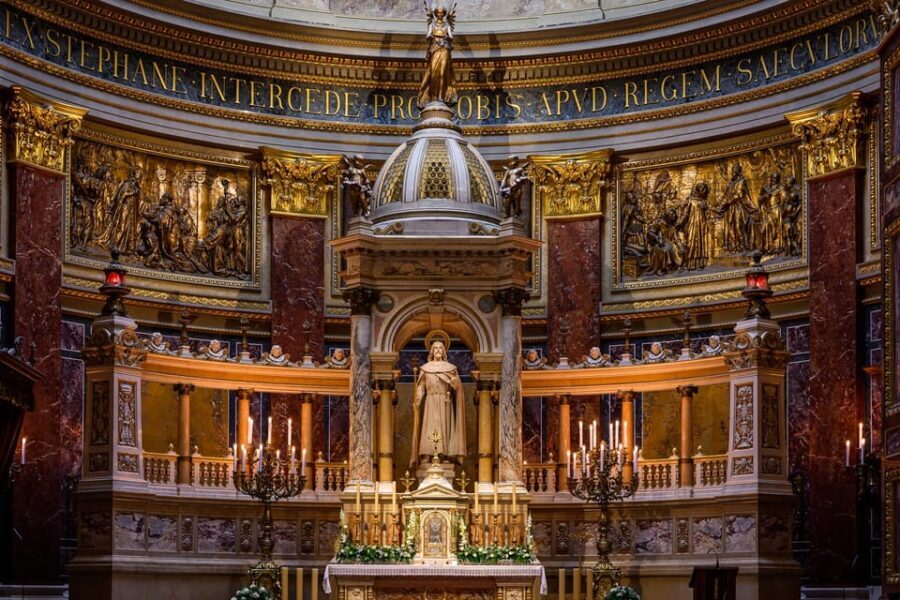
The experience doesn’t end when the final chord fades. After the concert, you can explore the basilica at your leisure, which is one of the best parts of this format.
Why this matters: in many ticketed attractions, the music is the whole point and everything else is a rushed afterthought. Here, you’re given time to wander the building while it’s still fresh in your mind.
It’s also a chance to connect what you heard with what you see. You’ll walk through the church and take in the setting where that organ sound belongs. Even if you only catch a few corners and details, the change from gallery back to church interior helps you feel like you got the full experience—not just the music moment.
Treasury Highlights: The Holy Dexter and St Stephen’s Right Hand
One very specific included stop that people would be excited about even if they weren’t into organs: the treasury.
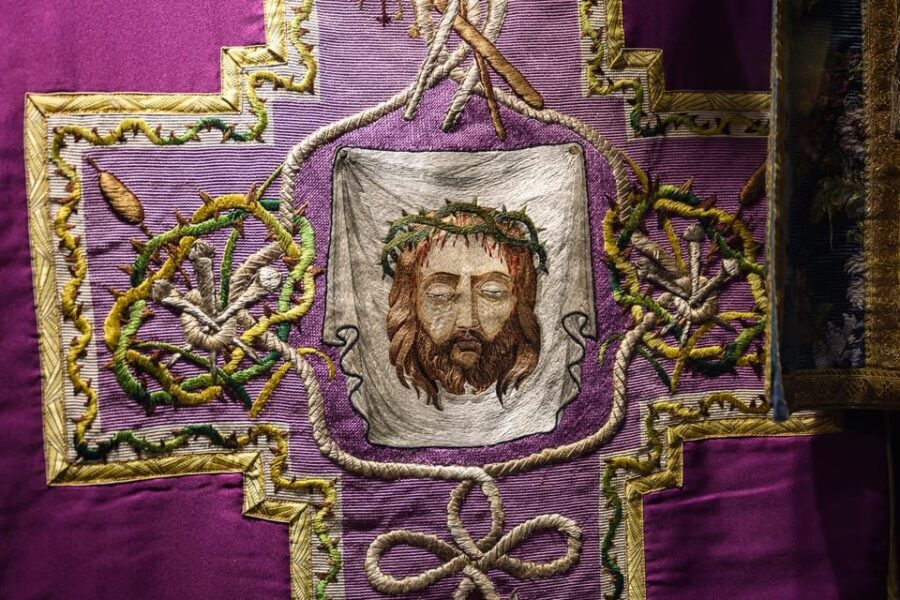
You can visit the treasury holding relics, including the Holy Dexter—described as the mummified right hand of the church’s patron, King St Stephen.
That’s not just trivia. It changes the tone of your visit. The basilica isn’t only a concert venue; it’s also a place with religious and historical weight. After the organ performance, the treasury gives your visit a different kind of focus—less about sound, more about meaning.
If you like blending art/music with cultural context, this included add-on is a big reason the ticket feels like more than a quick show.
The Panoramic Terrace: Budapest Views Without a Detour
After you finish inside, you head to the panoramic terrace for city views from a unique vantage point. This is where the day-level payoff happens.
You’ve just experienced the basilica in two ways: first through music, then through history in the treasury. The terrace wraps it up by giving you a wide-angle moment over Budapest. It’s a nice reset after standing in one listening area.
Practical tip: bring the same mindset you would for any viewpoint—slow down, give yourself time to look around, and take photos without blocking others. Terrace time is best when it’s not rushed.
Price and Value: Is $61 Worth It?
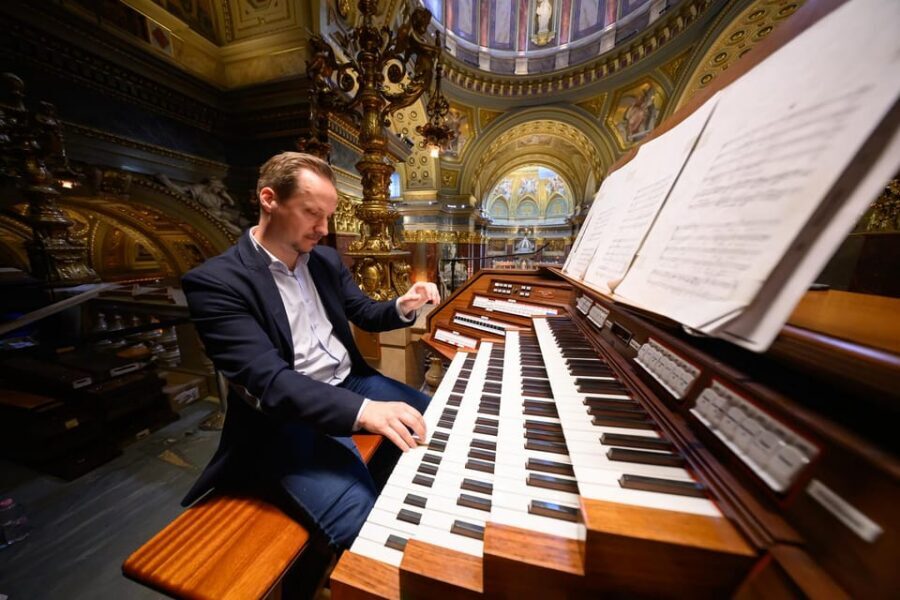
At $61 per person for about one hour, you’re paying for more than a recital. You’re buying three things packaged together:
- an organist-led explanation of the instrument (not just a performance),
- a live 20-minute concert,
- and included entry to the church, treasury, and panoramic terrace.
What makes it good value is that the explanation turns the music into something you can actually follow. That’s usually the difference between a concert you enjoy once and a concert you remember because you understood what you were hearing.
And you get a lot done inside walking distance in a short window. If you’re trying to keep your Budapest schedule tight (but still want something memorable), this fits the bill. You can hear major organ repertoire, then immediately pivot to relic history and a viewpoint.
Who This Fits Best (and Who Might Skip It)
This works especially well if:
- you want a short, high-impact music experience that doesn’t steal half a day,
- you like explanations that help you understand what you’re hearing,
- you want one ticket that also includes treasury and terrace time,
- you enjoy Budapest landmarks that are more than just photo stops.
It might be less ideal if:
- you want a long organ recital (the concert itself is only 20 minutes),
- you’d rather spend all your time in guided museums than in a church-plus-music experience.
If you fall into the first group, it’s a very efficient way to experience a cultural landmark.
Should You Book This Grand Organ Concert Ticket?
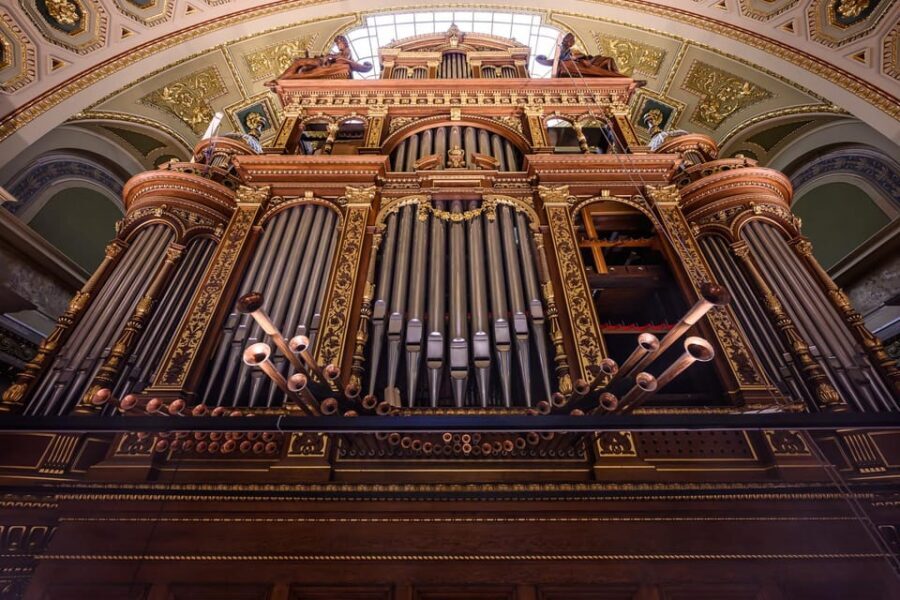
Yes, I’d book it if you want a mix of music and place. The big reason is the structure: you see the Grand Organ up close, you hear a live performance, and you still get to wander the basilica afterward—plus the treasury and panoramic terrace are included.
The only real “wait and think” point is your personal preference for length. If you’re the type who feels short-changed by anything under an hour, then you might find the concert portion too brief. But if you like concentrated experiences, this is exactly that: a focused organ program, delivered inside a stunning setting, with context from the organist and great add-ons after.
FAQ
FAQ
How long is the St. Stephen’s Basilica Grand Organ concert experience?
The total duration is 1 hour.
What’s included with the ticket besides the organ concert?
You get a detailed instrument explanation with the organist, the live 20-minute concert, and entry that covers the church, the treasury, and the panoramic terrace.
Where do I meet the group?
You exchange your voucher at St. Stephen’s Basilica’s ticket office, then proceed to the basilica’s main entrance to meet the organist and your group.
How long is the live concert portion?
The live performance is 20 minutes.
Are there different concert programs?
Yes. There are two possible set lists: Organ Classics or From Baroque to Romanticism.
Is the experience offered in English?
Yes, the instructor and experience are in English.