REVIEW · BUDAPEST
Budapest City Walk in Jewish Quarter
Book on Viator →Operated by Budapest Jewish Walk · Bookable on Viator
Budapest’s Jewish Quarter makes history walkable. This 4-hour city walk in Pest’s 7th district connects major synagogue sites, WWII-era memory stops, and everyday courtyards in a tight area that’s best explored on foot. What makes it special is the storytelling focus, especially around Jewish life in Hungary before, during, and after WWII, guided in English by a licensed local.
I love how the route covers both landmark buildings and smaller, local-used spaces, so you get more than just big-name sights. You’ll also get real context, like the synagogue triangle (Kazinczy, Rumbach, and Dohány Street Synagogue) plus memorial gardens and ghetto-wall remnants that help everything click into place. One possible consideration: you’ll still pay attention to solemn subjects in several stops, and there’s a moderate walking pace in a compact neighborhood.
With hotel pickup and drop-off, the logistics feel easy, and you can shape the walk a bit if you want more time somewhere. The only real “watch-outs” are budgeting for synagogue entrance fees and dressing for religious sites (head covering is often required). If you want a thoughtful walk with personal stories layered onto clear history, this is a strong fit.
In This Review
- Key Highlights Worth Planning For
- A Walk Through the 7th District That Actually Makes Sense
- Hotel Pickup, English-Language Guide, and What You Get for the Price
- Jewish Quarter Synagogue Stops: The Triangle and Why It Matters
- Kazinczy Street and the Mikveh Detail
- Rumbach Synagogue: A Stop With Its Own Story
- Dohány Street Synagogue: Scale and Meaning
- Raoul Wallenberg Memorial Garden: Quiet, Specific, and Unforgettable
- Jewish Museum and Jewish Archives Exhibitions: Putting Context on the Wall
- Vasvári Street Synagogue and the Carl Lutz Memorial
- WWII Ghetto Clues in Street-Level Details: Stumbling Stones and Wall Remnants
- Shoes Monument on the Danube: Ending With a Visual Shock of Memory
- Local Life Detours: Courtyards, Cafés, and Szimpla’s Ruin Bar Scene
- How the Guide’s Style Changes Everything (Timea Tarjani, Timi, and More)
- Pace, Comfort, and What to Bring
- Who This Tour Suits Best
- Should You Book This Jewish Quarter Walk?
- FAQ
- How long is the Budapest Jewish Quarter City Walk?
- What’s the group size for this tour?
- Is hotel pickup and drop-off included?
- Are there entrance fees?
- What level of walking is involved?
- Can the guide help with kosher meals?
Key Highlights Worth Planning For
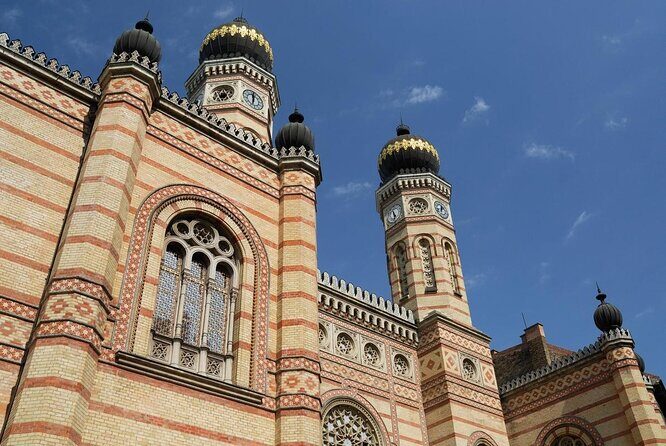
- Synagogue triangle focus: See Kazinczy, Rumbach, and Dohány Street Synagogue, plus nearby details like the mikveh on Kazinczy Street.
- WWII memory stops in walking sequence: Raoul Wallenberg Memorial Garden, Carl Lutz Memorial, stumbling stones, and the last remaining ghetto wall section.
- Danube symbolism: Shoes Monument is included as a powerful endpoint tied to the city’s story.
- Local-life detours: Courtyards like Gozsdu Courtyard and the ruin bar scene around Szimpla, not just museum-style sightseeing.
- A flexible pace: The route can be adjusted if you want to linger or skip something.
- Small group feel: It’s capped at a maximum of 10 travelers, with strong emphasis on personalized attention.
A Walk Through the 7th District That Actually Makes Sense
Budapest’s Jewish Quarter is small enough that you don’t need constant taxis or backtracking. That matters because the story unfolds better when the sights are close together: you go from synagogues to memorial sites to residential streets without losing momentum. The tour’s format is built for walking, so you’re meant to absorb the neighborhood as a living place, not a checklist.
What I like about the way this tour is designed is that it treats the quarter like a connected web. You start seeing patterns: where community life clustered, how buildings reflect religious life, and how the Holocaust-era landscape still echoes in street-level details. It’s not only dates and names; it’s how the area functions and why it still matters.
Because it’s private-style attention (even though the overall cap is 10), the guide can respond to your questions in the moment. And since the itinerary can flex, you’re not forced to sprint through every stop like a conveyor belt. You’ll get the overall picture with room for your pace.
You can also read our reviews of more walking tours in Budapest



Hotel Pickup, English-Language Guide, and What You Get for the Price
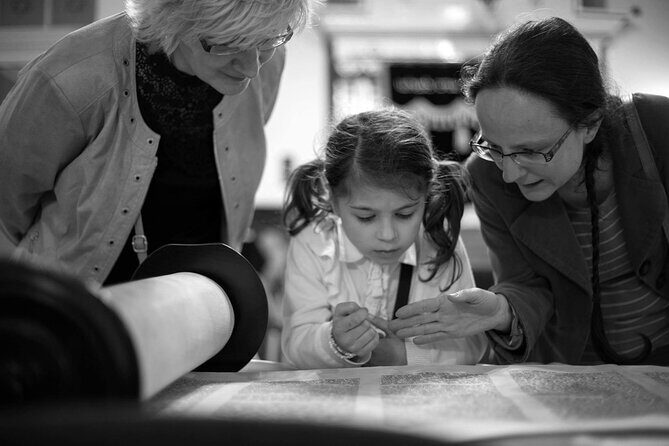
The price is listed per group, up to 6 people, for $356.90, with hotel pickup and drop-off included. If you’re traveling as a small group or family, this can work out to a reasonable per-person rate compared to hiring multiple separate guides or dealing with transit hassles. Even if you’re solo, the value often comes from that door-to-door convenience in Budapest’s busy core.
You’re paying for more than “someone walking with you.” The included licensed local guide is central, and the tour also includes practical help like recommending a restaurant and arranging kosher meals/snacks if you need them. That kind of on-the-ground planning can save you time and keep your meals aligned with what you want during your stay.
Two costs to be aware of: food and drinks aren’t included, and synagogue entrance fees aren’t included. The tour notes a maximum additional entrance fee of €46.00 per traveler, and you can choose visiting one synagogue only (with possible discounted rates for categories like family or senior). If you’re hoping to see multiple indoor sites, plan your budget accordingly.
Jewish Quarter Synagogue Stops: The Triangle and Why It Matters
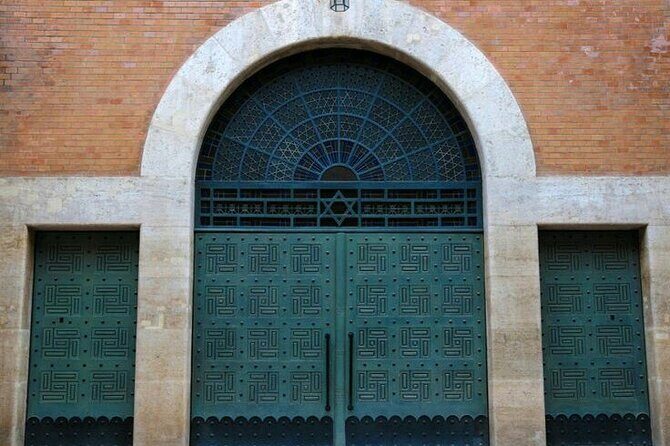
One of the tour’s smartest choices is centering the synagogue triangle in your walking rhythm. You’re not just picking random buildings; you’re learning how religious institutions shaped community life in this district. The guide’s job here is to make architecture and location tell a story, not just look impressive in photos.
Kazinczy Street and the Mikveh Detail
In this area, Kazinczy Street shows up as more than a street name. You’ll hear about the Kazinczy synagogue and also get pointed toward the mikveh on Kazinczy Street. That’s a small detail, but it gives you a window into religious routine that many visitors miss when they only focus on big facades.
This kind of stop is valuable because it turns a synagogue from a monument into a lived-in part of daily life. Even if you don’t enter every room, hearing what happens in these spaces changes how you interpret what you’re seeing outside.
Rumbach Synagogue: A Stop With Its Own Story
Next in the triangle is the Rumbach synagogue. The point isn’t that every synagogue is identical; it’s that each one reflects community needs and historical context. Your guide connects the dots between where Jews lived, how the community organized worship, and what changed over time.
If you want a tour that explains why these buildings exist in the first place, this section delivers. You’ll get a sense that the triangle is a map of community identity, not just a route between landmarks.
You can also read our reviews of more city tours in Budapest



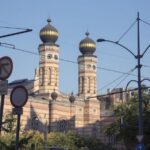

Dohány Street Synagogue: Scale and Meaning
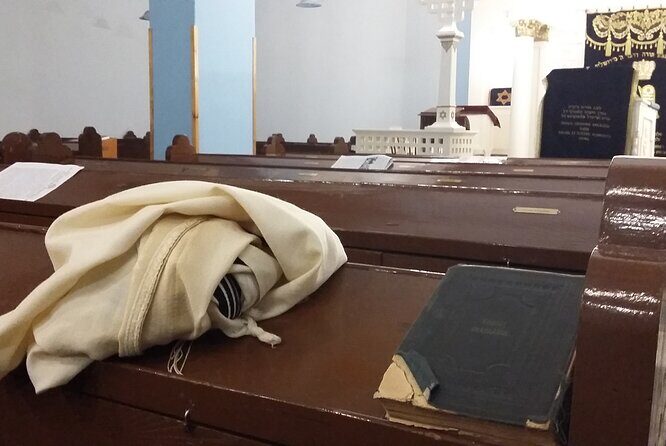
The triangle culminates at the Dohány Street Synagogue, described in the tour overview as the second-largest non-Orthodox synagogue in the world. That size alone can make it feel like a landmark you’ve seen in pictures before, but walking there with context makes it hit differently.
This is where your guide’s WWII context becomes especially important. It’s the type of stop where you’ll likely notice the building’s presence even more after learning what the community endured and how memory is preserved.
Practical note: synagogues often involve modest dress expectations and head coverings. The tour asks you to bring your own hat/cap and scarf if you prefer not to wear provided pieces.
Raoul Wallenberg Memorial Garden: Quiet, Specific, and Unforgettable
After the synagogue-focused portion, the tour moves into memory and tribute with the Raoul Wallenberg Memorial Garden. You’ll also hear about the Emmanuel tree, which is the kind of detail that makes a memorial feel personal rather than generic.
This stop works well in the itinerary because it doesn’t feel like a sudden switch. After learning about community institutions, you’re ready for a different kind of story: survival, moral courage, and what it meant to protect others during the worst period of Hungary’s modern history.
If you’re sensitive to heavy topics, give yourself permission to slow down here. The guide’s role is not to rush you through. It’s usually the stop where your brain needs a minute to catch up.
Jewish Museum and Jewish Archives Exhibitions: Putting Context on the Wall
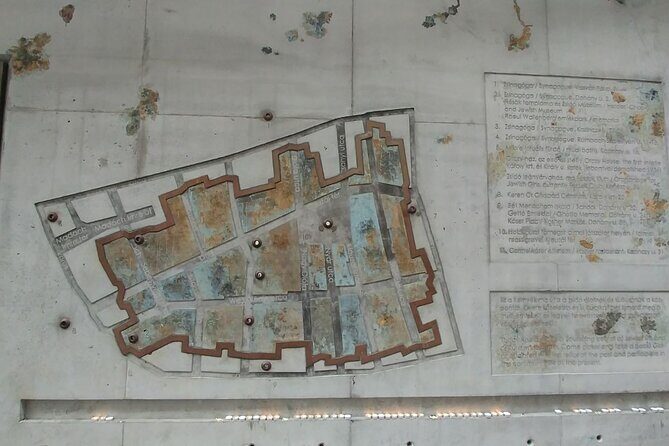
The tour includes the Budapest Jewish Museum and exhibitions of the Jewish Archives. This portion is valuable because it helps you translate what you saw outside—streets, synagogue facades, memorial plaques—into deeper context about the community’s experience.
Even if you only spend a short time inside, the value is in how the guide connects it to the walking route. You’ll understand why certain streets matter and how the district’s history fits into the broader story of Jews in Hungary.
A practical consideration: museum time can vary depending on your pace and what the guide emphasizes. If you love learning from exhibits, plan to stay curious and ask questions while you’re there.
Vasvári Street Synagogue and the Carl Lutz Memorial
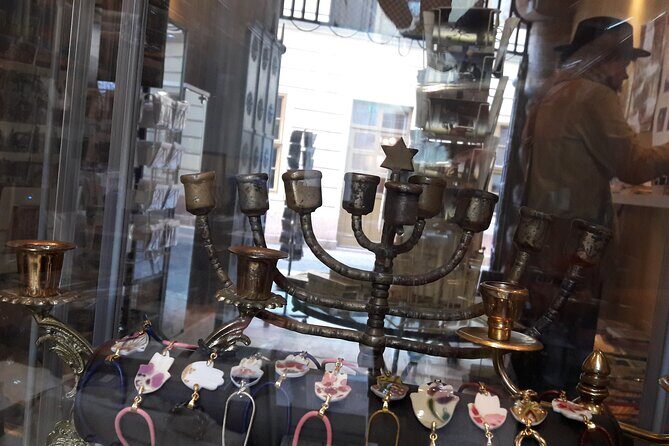
The itinerary also includes the Vasvári Street Synagogue and the Carl Lutz Memorial. Including these stops expands your view beyond the big three synagogues and reminds you that Jewish life and humanitarian history both occupy the same neighborhood landscape.
These sites tend to balance emotional tone: one is rooted in community and worship; the other is tied to rescue and memory. Together, they reinforce the idea that history in this quarter isn’t only about tragedy. It’s also about endurance and action.
WWII Ghetto Clues in Street-Level Details: Stumbling Stones and Wall Remnants
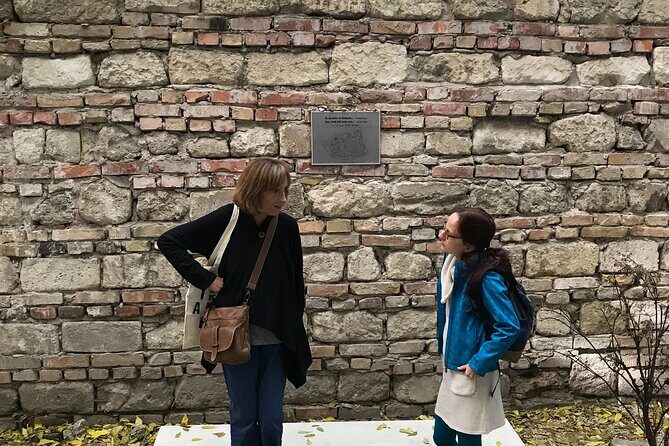
Some of the most striking moments happen not at a grand monument, but on the ground. The tour includes the stumbling stones of the quarter’s streets and a last remaining part of the WWII ghetto wall.
That’s a rare kind of sightseeing: you’re literally reading the past with your feet as you walk. It can feel unsettling because the reminders are close to where people stand and move today.
If you want to get the most from this section, keep your attention on the guide’s explanation of what you’re looking at. The power here comes from understanding why a detail is placed where it is, not from the detail alone.
Shoes Monument on the Danube: Ending With a Visual Shock of Memory
The itinerary includes the iconic Shoes Monument on the riverbank of the Danube. This stop is emotionally heavy, but it also helps tie the story back to geography and movement—where people were forced to go, and how the river becomes a line between before and after.
A lot of visitors see this as a standalone photo spot. What makes it stronger on this tour is the lead-in: the guide’s prior stops help you understand what’s being remembered and why Budapest still carries it in public space.
If the emotional weight hits you, it’s okay to pause and take a breather. This is the kind of monument where time matters more than speed.
Local Life Detours: Courtyards, Cafés, and Szimpla’s Ruin Bar Scene
Not every stop is memorial or synagogue architecture. The tour also takes you to places used by locals, including Gozsdu Courtyard and the kind of small shops, eateries, confectioneries, and cafés you’d be less likely to find on your own.
You’ll also hear about art galleries and festival scenes, plus the ruin bars atmosphere—specifically the iconic Szimpla. This matters because it shows how the neighborhood life continues, not only how it was harmed.
These detours can be a relief if you’re dealing with heavy history. They’re also practical: the guide’s perspective on what’s worth a second look often turns into your next meal or your next evening plan.
How the Guide’s Style Changes Everything (Timea Tarjani, Timi, and More)
The strongest praise in the guide experience is consistency: people mention warmth, strong English, patience with questions, and a storytelling approach that feels personal. Many guests specifically highlight guides such as Timea Tarjani (also referenced as Timi or Timmi in different reviews) as both deeply informed and emotionally thoughtful.
One key detail worth noting for your expectations: this isn’t framed as a dry lecture. You’re meant to get into a back-and-forth conversation, and the guide is described as tailoring the walk to interests. That’s a real advantage when you’re the kind of traveler who wants to ask why a building or street looks the way it does.
There are also mentions of access to rare areas in the quarter via keys to locked, private spots. That type of access can be hard to guarantee on your schedule, but it’s a signal that this guide network knows the place beyond the public map.
Pace, Comfort, and What to Bring
The tour calls for moderate walking, and it also says you can ask for breaks. That’s important because synagogue and museum content often leads to stop-and-start pacing. If you prefer to move steadily, tell the guide early.
Bring practical items:
- A hat/cap and scarf if you don’t want to wear provided head coverings.
- Comfortable shoes suited to sidewalks and uneven street-level details.
- Water and a snack plan if you need one, since food and drinks aren’t included.
If you’re traveling with kids or teens, this kind of tour can work if you pick the right moment and engage them with questions. The walking format makes it easier to keep moving instead of sitting through long indoor segments.
Who This Tour Suits Best
This is a strong match if you want:
- A walk that blends synagogues, WWII memory, and present-day street life.
- A guide you can talk to, not just listen to.
- A compact-route experience in the Jewish Quarter that minimizes transit and maximizes context.
It’s also a good choice if you care about Hungarian history but want it tied to place—specific buildings, memorials, and streets. If your ideal day in Budapest is about big views and quick stops, this might feel slower and heavier than a nightlife-focused route.
And if you’re looking for a peaceful, meaningful experience with local guidance, this fits that mood well.
Should You Book This Jewish Quarter Walk?
Book it if you want your Budapest visit to include real context, not just sightseeing. The combination of synagogue triangle stops, memorial sites like Raoul Wallenberg and the Carl Lutz Memorial, and the Danube endpoint at Shoes Monument creates a coherent arc you’ll remember. Add in the local-life breaks like Gozsdu Courtyard and Szimpla, and you get the neighborhood as it is today, not only as it was.
Skip or reconsider if entrance fees would be a deal-breaker for you, or if heavy WWII content may be hard to handle in one sitting. Also consider your walking comfort—this is moderate, but it’s still a walk through a compact area where you’ll be on your feet.
If you do book, think about one strategic choice: which synagogue you’d most like to spend time inside, since the tour notes you can choose visiting one synagogue with discounted entry options. That choice can help you control both cost and time.
FAQ
How long is the Budapest Jewish Quarter City Walk?
The tour lasts about 4 hours.
What’s the group size for this tour?
The experience has a maximum of 10 travelers.
Is hotel pickup and drop-off included?
Yes. Hotel pickup and drop-off are included (and restaurant drop-off may be offered for lunch/dinner).
Are there entrance fees?
Yes. Entrance fees are not included, with an additional cost up to €46.00 per person. You can choose to visit one synagogue only, and discounted prices may apply for some categories.
What level of walking is involved?
There is a moderate amount of walking. You can ask for breaks during the tour.
Can the guide help with kosher meals?
Yes. The tour includes arranging kosher meals or snacks if required.