History walks well with dinner. This small-group Budapest tour pairs a guided city stroll with a hands-on Hungarian cooking session, and you end up connecting Ottoman, Jewish, and Austro-Hungarian chapters to what you eat. I especially like the maximum-10 group size feel and the history-to-food story that ties your meal to real places.
It runs about five hours, with roughly 1.5 hours of walking before you get to the kitchen. If you dislike getting around on foot, consider that up front.
In This Review
- Key things to know before you go
- Five Hours, Two Modes: Walking Tour Then Hands-On Cooking
- Gul Baba’s Tomb: Ottoman Footprints You Can Actually See
- Hungarian Parliament Building: Austro-Hungarian Scale and National Identity
- Great/Central Synagogue: Jewish History and Memory in Budapest
- From City Stories to the Kitchen: How the Workshop Works
- Dinner Menu You Can Use as a Shopping List
- Price and Value: What $131.06 Really Buys You
- Who This Tour Suits Best in Budapest
- Should You Book Walk and Cook Budapest?
- FAQ
- Where does the tour start and end?
- How long is Walk and Cook Budapest?
- What language is the tour offered in?
- How many people are in the group?
- Does the experience include a meal?
- What dishes are included in the sample menu?
- Will I receive a ticket before the tour?
- When do I get confirmation after booking?
- What is the cancellation policy?
Key things to know before you go
- Maximum 10 people: You get a more personal pace for both the walking part and the cooking part.
- English-guided city tour + workshop: You’re not just eating; you’re learning and doing.
- Three major stops: Gul Baba’s Tomb, the Hungarian Parliament Building, and the Great/Central Synagogue.
- A full dinner included: Your cooking effort turns into a sit-down meal with multiple courses.
- Not a big-group show: The tour is built around a small dinner setting and close interaction.
Five Hours, Two Modes: Walking Tour Then Hands-On Cooking
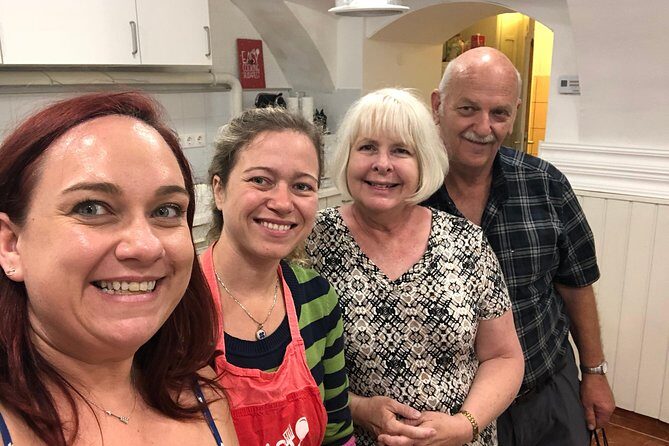
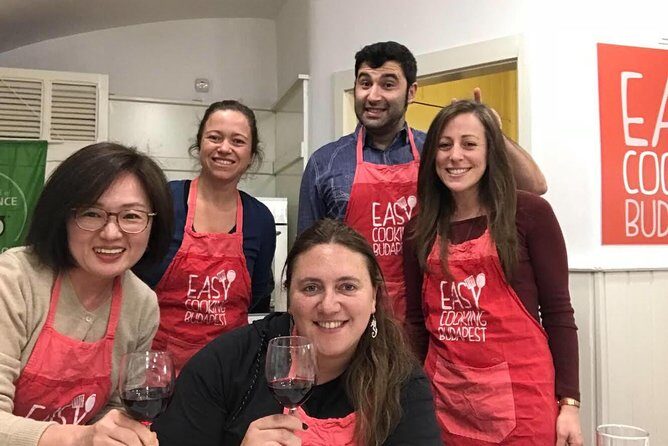
This is a straightforward format with two gears. First comes a guided walking tour through central Budapest, designed to move you between key historical themes. The tour segment is about 1.5 hours, and then you head to the kitchen to cook.
For me, the smartest part of this setup is that you’re not saving food for the last minute. You’ll learn why certain chapters of Budapest history matter, then you cook while those connections are still fresh. That makes the meal feel earned instead of like a random detour.
It’s also offered in English, and you’ll receive a mobile ticket. That’s handy if you don’t want to juggle paper on a busy day. The activity starts in Budapest and ends back at the meeting point, which keeps things simple.
You can also read our reviews of more walking tours in Budapest



Gul Baba’s Tomb: Ottoman Footprints You Can Actually See
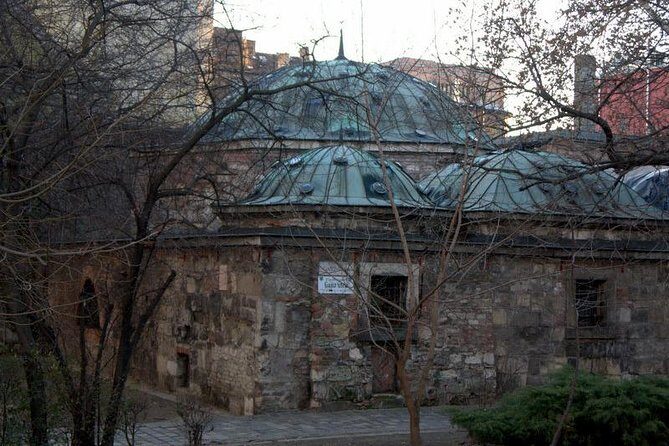
Gul Baba’s Tomb (Gul Baba Turbeje) is the first stop, and it’s a strong opener. You’re not starting with a generic landmark. You’re starting with Ottoman-era presence in Budapest, which matters because Hungarian cuisine and culture didn’t develop in a vacuum.
What I like about beginning here is that it sets expectations for the rest of the day. The tour is built around the idea that your food choices can be traced back to contact between peoples, not just to local tradition. Standing at a place like this gives that idea a physical anchor.
A practical note: this kind of stop often comes with a calm, respectful atmosphere. Even if you’re not religious, it’s worth keeping your voice down and dressing sensibly for indoor viewing.
Hungarian Parliament Building: Austro-Hungarian Scale and National Identity
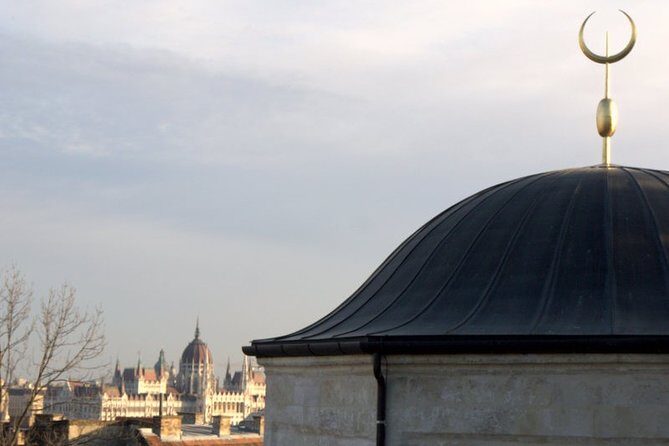
Next up is the Hungarian Parliament Building. The tour frames this stop in the context of the Austro-Hungarian period, and that’s a big deal for Budapest’s look and self-image.
This is where the city’s architectural confidence shows. You’ll be able to read Budapest’s shifting identity in stone and layout, not just in plaques. And because this is a walk-and-cook format, you’re not only seeing grand buildings. You’re also being guided to understand how national pride and cultural mixing can shape what a society cooks and celebrates.
If you’re the kind of person who notices details like style changes, symmetry, and how buildings relate to the streets around them, you’ll enjoy this stop. If you only care about food, you might still find it useful because it explains the background you’ll hear later in the kitchen.
Great/Central Synagogue: Jewish History and Memory in Budapest
The last stop on the walking portion is the Great/Central Synagogue (Nagy Zsinagóga). The tour ties this stop to the experience of Jewish people in Budapest during the Second World War.
This is a heavier part of the day, and it’s good that it’s not rushed. A cooking workshop can feel like “fun time,” but this stop reminds you that Budapest’s food culture grew through hardship and change, not just comfort.
I’d treat this stop as both educational and human. Keep your expectations grounded: you’re learning how history affected a community, and you’re learning it in the actual setting where memory lives.
From City Stories to the Kitchen: How the Workshop Works
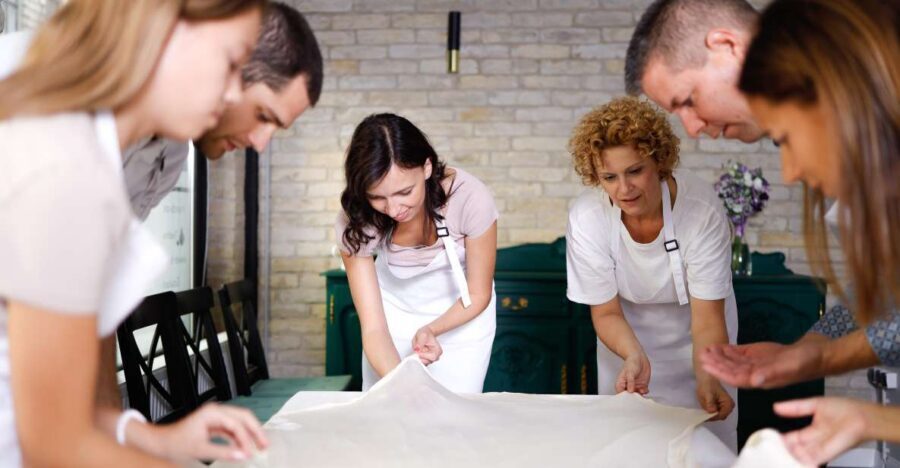
After the walking segment, you head to the kitchen for your hands-on cooking. The tour description makes it clear that you’ll cook Hungarian dishes with hints of influence from the nations connected to the historical themes you covered earlier.
That matters more than it sounds. A lot of cooking classes teach technique, but this one is also making a story. So when you’re chopping, seasoning, and assembling, you’re doing it alongside an explanation of where influences came from and how they show up in the food you eat.
The day ends with a sit-down dinner, and the group size stays small. The experience is designed for a maximum of 10 travelers, which helps a lot. Smaller groups usually mean you get more time to ask questions and you’re less likely to feel like one of many faces in a line.
Also, at least one guest specifically thanked the guides by name. Kata and Karolina were both mentioned for guiding people around and helping them make good memories. That kind of feedback is a good sign that the day is run with care, not just speed.






Dinner Menu You Can Use as a Shopping List
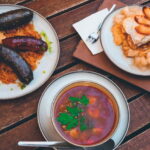
The menu includes both mains and desserts, so you’re not doing a “taste here, taste there” situation. Based on the dishes served, here’s what you can expect to work your way through:
- Töltött paprika (stuffed peppers): A classic Hungarian comfort dish. Expect a savory filling and a warm, hearty feel.
- Mákós guba (poppy seed dumps): A dessert with poppy seeds. If you’ve never had Hungarian-style poppy seed sweets, this is a memorable first hit.
- Roast goose: Another traditional centerpiece. This is the kind of main that tends to feel special because it’s not what everyone orders at home.
- Onion potatoes and braised cabbage: Side dishes that support the main with soft, slow-cooked comfort.
- Fánk (special donut): A sweet finish that’s familiar in shape but not always in flavor and texture. It’s a nice bridge between a heavy meal and dessert mode.
- Székelygulyás (goulash soup with sauerkraut): A warm, tangy soup moment. The sauerkraut detail matters because it adds acidity and depth to the usual goulash feel.
- Szilvásgombóc (plum dumplings): Another dessert choice built around fruit and dough.
What I like about this menu lineup is the balance. You get peppers, goose, soup, and dumplings, plus desserts twice. It’s enough variety to make the tour feel like a real dinner, not a snack disguised as a meal.
One more thing: because you cook before you eat, you’re more likely to remember what you did and why it worked. That turns dinner into a take-home skill, even if you’re not planning to recreate everything that night.
Price and Value: What $131.06 Really Buys You
At $131.06 per person, this isn’t the cheapest way to “see Budapest and eat something.” But it’s also not overpriced if you think about what’s included.
You’re paying for:
- A guided city walk that covers multiple historical sites
- A hands-on cooking workshop
- A full sit-down dinner with several courses
- A small group size capped at 10
The value here is the combination. If you book city sightseeing plus a separate meal, you’ll often end up spending more and still have a less coherent experience. This tour links story to food during the same day, and that link is the selling point.
If you’re the kind of traveler who enjoys learning through participation (not just watching), you’ll likely feel the value quickly. If you’d rather spend the time free-roaming and eating wherever you want, you might not.
Who This Tour Suits Best in Budapest
This is a great fit for:
- Food lovers who want technique and context, not just recipes
- People who like small groups and don’t want to disappear into a crowd
- History-minded travelers who enjoy learning through real places, even when the topics get serious
- Couples or solo travelers who want an easy way to spend half a day without planning the route
It may be less ideal if:
- You have limited mobility or you want minimal walking
- You only want a light snack and don’t need a full meal
Because the experience is in English, it’s also a good option if you want the explanation without translating everything yourself.
Should You Book Walk and Cook Budapest?
I’d book it if you want a Budapest day that feels connected: walking, learning, then cooking and eating the results. The small group cap helps it feel personal, and the dish list is varied enough to keep the meal interesting.
Skip it if you hate walking time, or if you’re only looking for casual food tasting rather than a real dinner with a cooking workshop. In that case, you’ll probably get more flexibility spending your time on your own.
If you do book, bring a normal appetite and a little curiosity for history. You don’t need to be a scholar. You just need to be the type of person who likes your meals with a backstory.
FAQ
Where does the tour start and end?
It starts in Budapest, Hungary, and ends back at the meeting point.
How long is Walk and Cook Budapest?
The duration is approximately 5 hours.
What language is the tour offered in?
The tour is offered in English.
How many people are in the group?
This activity has a maximum of 10 travelers.
Does the experience include a meal?
Yes. It includes a full dinner, and you also participate in a hands-on Hungarian cooking workshop.
What dishes are included in the sample menu?
The sample menu includes töltött paprika (stuffed peppers), mákos guba, roast goose with onion potatoes and braised cabbage, fánk, székelygulyás (goulash soup with sauerkraut), and szilvásgombóc (plum dumplings).
Will I receive a ticket before the tour?
Yes. It includes a mobile ticket.
When do I get confirmation after booking?
Confirmation is received within 48 hours of booking, subject to availability.
What is the cancellation policy?
You can cancel for free up to 24 hours in advance for a full refund. If you cancel less than 24 hours before the experience starts, the amount paid will not be refunded.