REVIEW · BUDAPEST
Budapest: Organ Concert in St. Stephen’s Basilica
Book on GetYourGuide →Operated by Hungaria Koncert Ltd. · Bookable on GetYourGuide
Basilica acoustics make every note count. This Budapest concert turns St. Stephen’s Basilica into a proper listening room for an organ program with Kolos Kováts (voice/arias) plus Miklos Teleki on the bill. It is not just pretty walls. It is a full musical evening built from well-known classics and some more emotional stops along the way.
What I really love is how the program mixes big names with contrast: dramatic, lyrical, then technical showpieces. You also get a featured flute moment with Eleonóra Krusic, added to the concert so the sound palette changes rather than staying in one lane.
One heads-up: your view and how close you feel to the action depends on your ticket category and row range (Category I is rows 1–6; III is rows 17–26). Also, pick-up and drop-off are not included, though they can be arranged for an extra cost.
In This Review
- Key points before you go
- St. Stephen’s Basilica: Your Neo-Classical Concert Hall
- The Performers You’ll Hear: Kolos Kováts, Miklos Teleki, and Eleonóra Krusic
- Program Breakdown: Mozart, Stradella, Albinoni, Liszt/Saint-Saëns, Verdi, and Bach
- Mozart Fantasy in F minor (K 506)
- Stradella: Pietà Signore
- Albinoni Adagio
- Liszt + Saint-Saëns: Legend in A major, St. Francis and the birds
- Verdi: Prayer of Fiesco from Simone Boccanegra
- Bach: Polonaise, Minuet and Badinerie (Suite in B minor BWV 1067)
- Bach: Toccata and Fugue in D minor (BWV 565)
- Seats and Ticket Categories: Row Numbers Matter
- Timing at 19:40: What to Do When You Arrive
- Value Check: What’s Included (and What You’re Paying For)
- Who This Organ Concert Fits Best
- Should You Book This Budapest Organ Concert?
- FAQ
- Where does the concert take place?
- When should I arrive?
- What is included in the ticket?
- Is pick-up and drop-off included?
- Who are the featured performers?
- Who performs the arias in the program?
- What music is in the program?
- What are the ticket category row ranges?
- Who is the experience provider?
- Is this specifically an organ concert?
Key points before you go
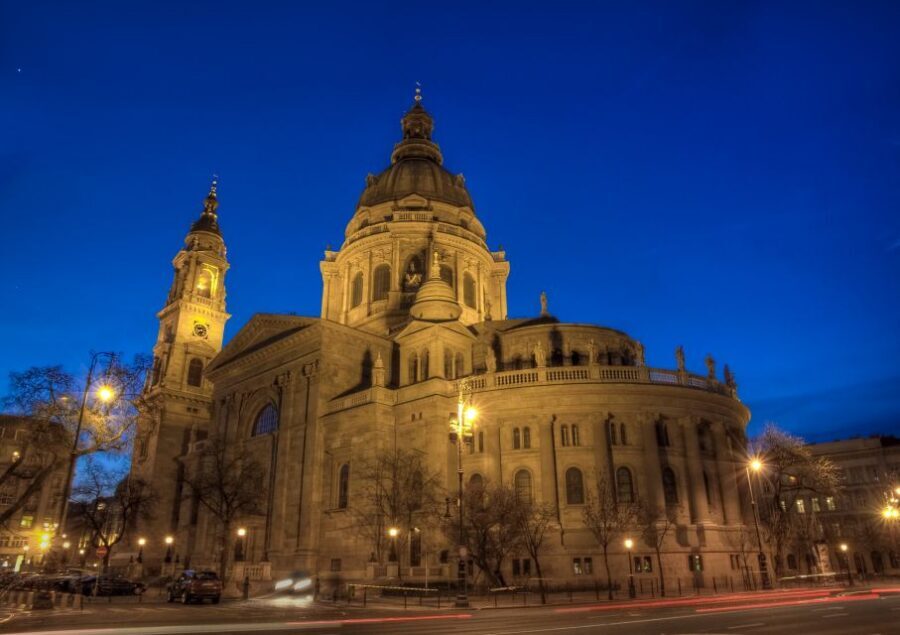
- St. Stephen’s Basilica is the venue, so you’re listening in a neo-classical architectural setting.
- Kolos Kováts performs the program’s arias and brings major Hungarian honors (Liszt Ferenc Prize, Merit of Art, Kossuth Prize).
- Eleonóra Krusic adds flute, giving the program an extra color beyond organ and voice.
- The program spans Mozart, Stradella, Albinoni, Liszt/Saint-Saëns, Verdi, and Bach.
- Ticket rows matter: Category I (rows 1–6) vs II (rows 7–16) vs III (rows 17–26).
St. Stephen’s Basilica: Your Neo-Classical Concert Hall

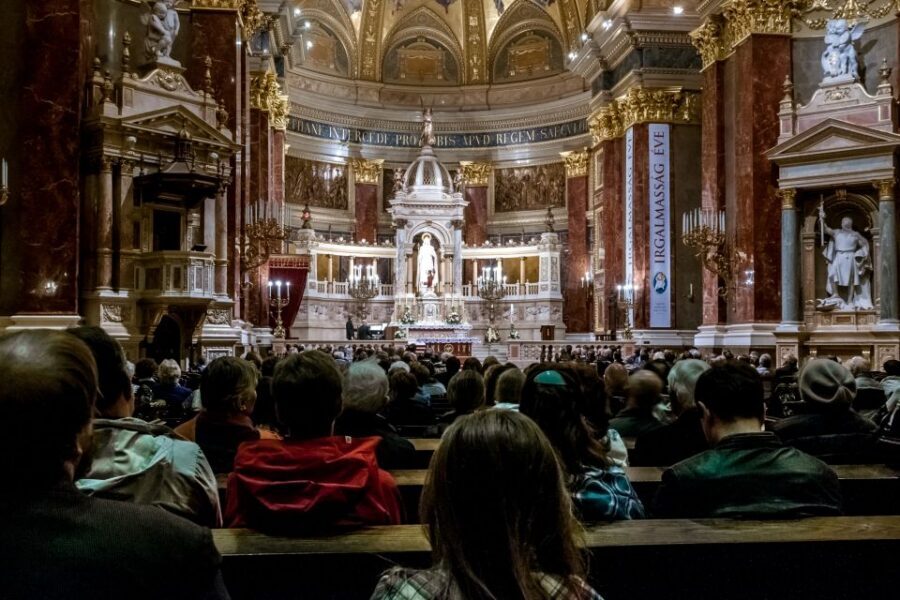
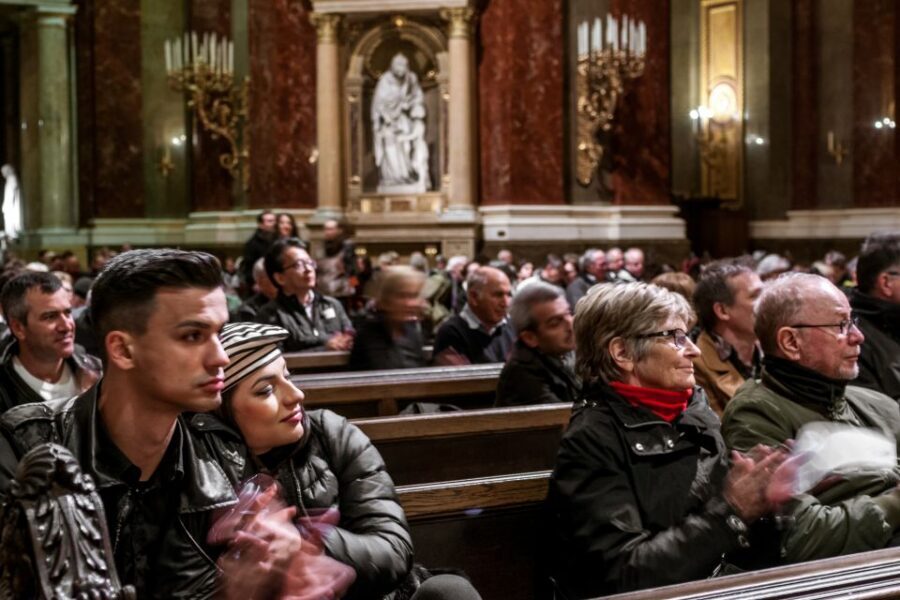
St. Stephen’s Basilica is one of Budapest’s most eye-catching neo-classical buildings, and in this experience it plays a practical role, too. You’re not just sightseeing before a show. You are stepping into a space designed for people to focus on music, where the setting already signals that you should slow down and listen.
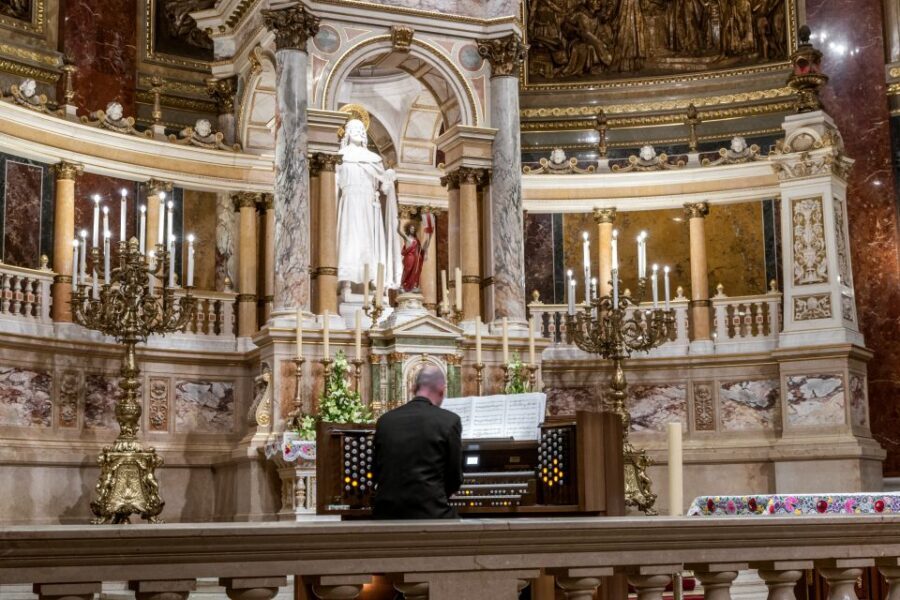
Because this is an organ concert, the room is part of the experience. Even if you only come for the music, you’ll feel the space doing its job: keeping the sound in your attention and letting long notes and faster passages land clearly. It also helps that the basilica setting feels special right away—like you’re in the right place for something formal and high-quality.
A few more Budapest tours and experiences worth a look



The Performers You’ll Hear: Kolos Kováts, Miklos Teleki, and Eleonóra Krusic

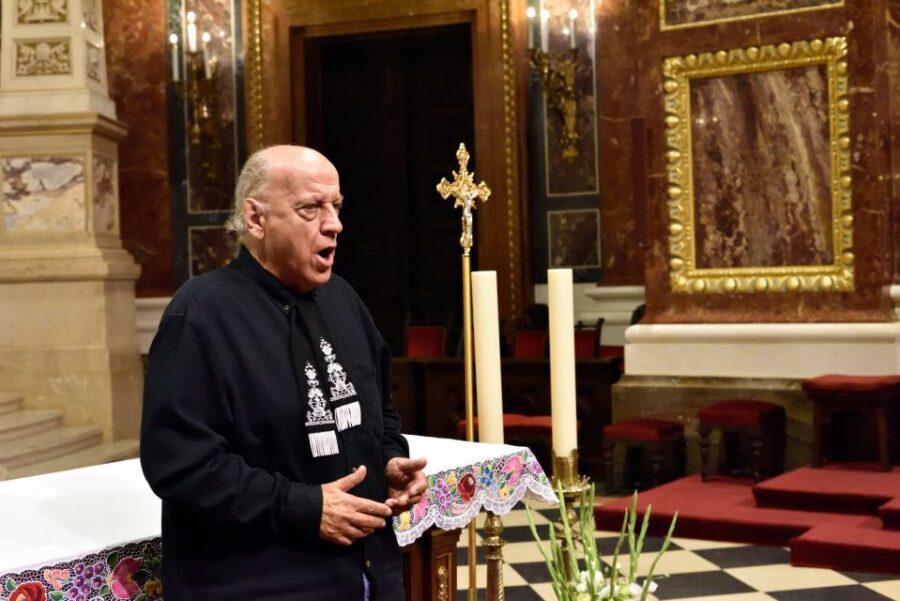
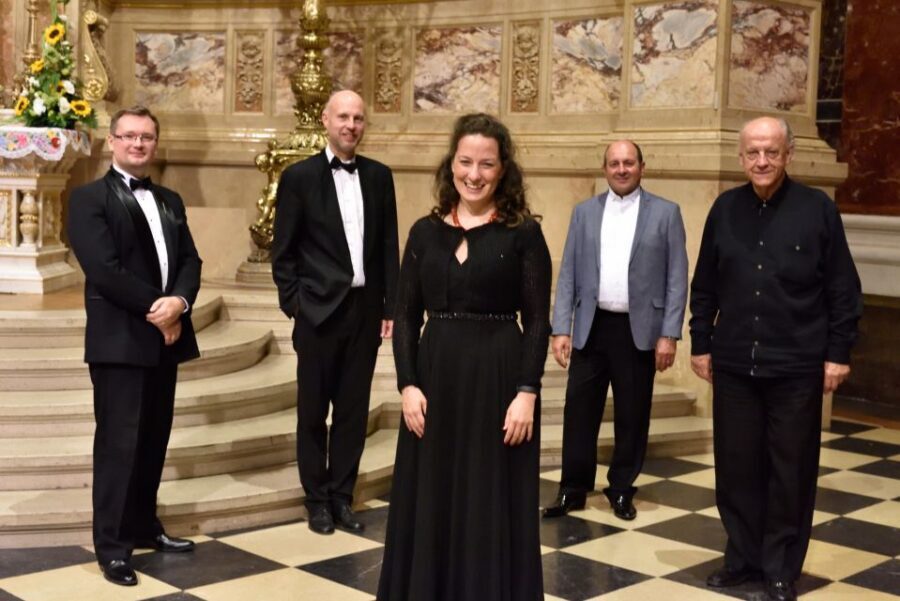
The heart of the evening is Kolos Kováts. He is one of Hungary’s well-known concert and oratorio singers, and the program’s arias are performed by him. If you enjoy vocals that feel grounded and expressive (not just loud or showy), he is a strong reason to book this concert.
His résumé is a big deal in the Hungarian music world. Kováts has received the Liszt Ferenc Prize, the Merit of Art, and the Kossuth Prize. Those names are not just decorations—they signal that you’re watching a performer with deep credibility, the kind of artist who gets picked for major classical stages.
Then there’s Miklos Teleki, also listed among the featured performances. I like having more than one main performer in an organ-centered concert because it helps the program move with energy rather than staying purely instrumental the whole time.
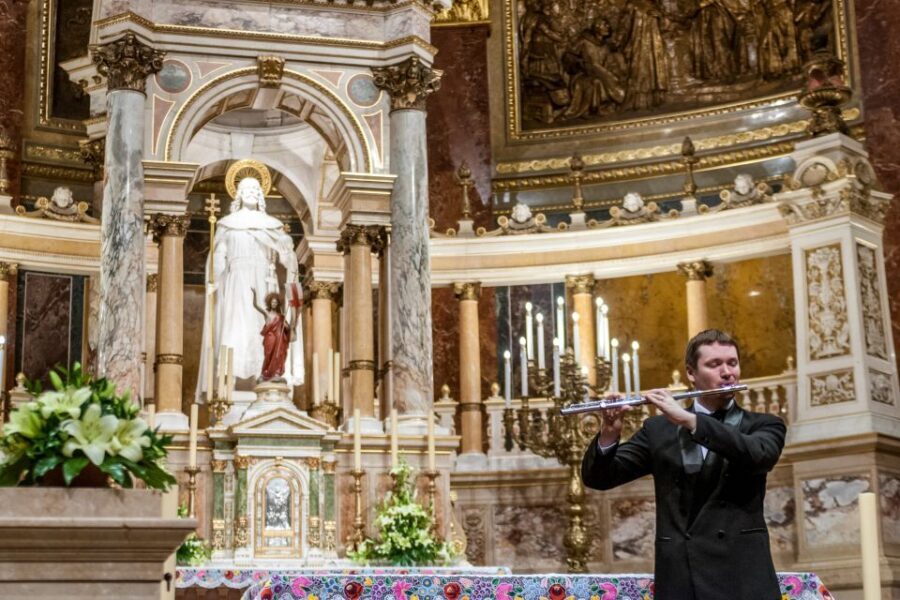
Finally, Eleonóra Krusic brings flute into the mix. You’re not stuck with one timbre. A flute line can float above or answer the organ’s colors, making the listening feel varied even when the melody is familiar.
Program Breakdown: Mozart, Stradella, Albinoni, Liszt/Saint-Saëns, Verdi, and Bach
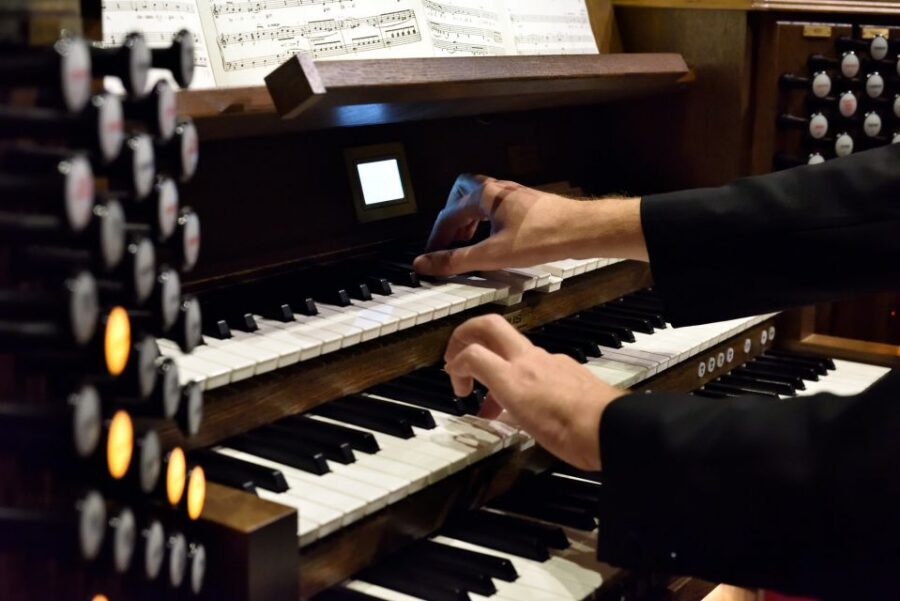
The concert program is built like a playlist with purpose: start with something imaginative, pass through devotional and dramatic moments, then land on Bach for that satisfying engineering-level music joy.
Mozart Fantasy in F minor (K 506)
The evening begins with Mozart’s Fantasie in F minor, K 506. A fantasia is often about freedom of mood. So even before the tempo really gets going, you’ll get a sense of how the performers handle emotion and phrasing. It’s a good opener if you like music that feels both structured and slightly unpredictable.
Stradella: Pietà Signore
Next is Alessandro Stradella’s Pietà Signore. This is the kind of title that points to a prayerful, heartfelt mood. With Kováts performing the arias in the program, expect this section to feel more directly vocal and emotionally focused—less abstract, more human.




Albinoni Adagio
Then comes Tomaso Albinoni’s Adagio. “Adagio” usually means slow and expressive, and this placement matters. After Mozart and Stradella, it is a chance to settle in and let the music breathe.
Liszt + Saint-Saëns: Legend in A major, St. Francis and the birds
One of the more curious items is Liszt Ferenc – Camille Saint-Saëns: Legend in A major (St. Francis of Assisi’s Sermon to the Birds). That parenthetical matters because it tells you the piece comes with a story world. Even if you only know it by title, you’ll likely feel the theme shift here—something playful or gentle tucked into the classical canon.
Verdi: Prayer of Fiesco from Simone Boccanegra
Next is Giuseppe Verdi’s Prayer of Fiesco from opera Simone Boccanegra. Verdi + prayer is a strong combo for an aria-driven segment. This is usually where you’ll appreciate Kováts’ vocal control the most, because the emotional weight rides on how he shapes lines rather than on volume.
Bach: Polonaise, Minuet and Badinerie (Suite in B minor BWV 1067)
Now the concert turns to Bach, starting with Polonaise, Minuet and Badinerie from Suite in B minor BWV 1067. This set is a classic contrast-maker: a dance-like opening (polonaise), then something more courtly and light (minuet), followed by the playful sprightliness often associated with Badinerie. It’s a great section for people who want melody clarity and momentum.
Bach: Toccata and Fugue in D minor (BWV 565)
The finale is Johann Sebastian Bach’s Toccata and Fugue in D minor, BWV 565. This is the big dramatic stop. If you’ve ever heard of this piece but never fully listened, this is one of the best chances to hear it as a performance rather than as a name. It’s built for impact—fast lines, confident structure, and that sense of musical logic clicking into place.
Seats and Ticket Categories: Row Numbers Matter
You choose from three ticket categories, and the row range is clearly defined:
- Category I: rows 1–6
- Category II: rows 7–16
- Category III: rows 17–26
Here’s how I’d think about it. Category I is for closeness and direct sightlines—especially helpful if you want to actually track expressions during arias and when the featured performers are most visible. Category II is usually the “works for most people” choice, because you’re still not far while not going to the most front-row feel. Category III (rows 17–26) is the practical pick if you want the concert experience first and don’t need to be inches from the action.
One note: if you care a lot about seeing facial nuance during vocal moments, you’ll probably prefer a front or middle section. If you care mostly about sound balance and you’re not hunting for every visual detail, Category III can still be totally worthwhile.
Timing at 19:40: What to Do When You Arrive
Your meeting point is St. Stephen’s Basilica, and you should come at 19:40. That matters because you’ll want time to get oriented before the performance begins. The basilica is a major landmark, so don’t cut it too close.
I also suggest you plan to keep the evening simple. This is a ticketed concert experience with concert tickets included, so it makes sense to treat it like the main event rather than squeezing in other plans right before it.
If you’re traveling from farther out, keep in mind that pick-up and drop-off are not included. There is an option to arrange it for an additional cost, but you’ll need to plan around that decision instead of assuming transport is part of the deal.
Value Check: What’s Included (and What You’re Paying For)
This experience includes concert tickets. That sounds obvious, but it’s actually the core value: you’re paying for the performance at a top venue, with a lineup featuring respected Hungarian artists and a program that moves through multiple styles.
What is not included is pick-up and drop-off. That is the trade-off. If you already know how to get to the basilica on your own, you keep things straightforward. If you want the least friction possible, you might consider the optional transport—but only if it fits your schedule and budget.
The real value here is the mix of performers and the thoughtful program order: Mozart imagination, vocal-driven passages (including Stradella and Verdi), and then Bach closing with serious musical payoff.
Who This Organ Concert Fits Best
This is a strong choice if you like any of these:
- Classical vocal music and arias (Kováts performs the arias in the program)
- Organ repertoire paired with other instruments (flute is added with Krusic)
- Big-name composer recognition plus an evening that still feels cohesive
You might skip it if you’re looking for something casual and casual-chatty. This is a concert format. You’ll likely enjoy it most if you’re ready to sit, listen, and treat the basilica as your main attraction for the evening.
It also works well for visitors who want Budapest culture that feels “event-level” without being a day-long commitment. You’re meeting at 19:40 and then focusing on the music.
Should You Book This Budapest Organ Concert?
I’d book it if you want an authentic classical concert setting in a world-famous Budapest landmark, with a singer who has major Hungarian honors and a flute addition that keeps the program from feeling single-note.
I’d think twice if you know you strongly prefer front-row proximity. Category III exists for a reason, but if your priority is close visual connection, you’ll likely be happier with Category I or II. And if logistics are your headache, double-check your transportation plan since pick-up and drop-off are extra.
Overall, this is a clean, music-first night: St. Stephen’s Basilica plus a serious performer lineup plus a program that ends the right way—Bach taking the final bow.
FAQ
Where does the concert take place?
The concert meeting point is St. Stephen’s Basilica in Budapest.
When should I arrive?
Please come to St. Stephen’s Basilica at 19:40.
What is included in the ticket?
The experience includes concert tickets.
Is pick-up and drop-off included?
No. Pick-up and drop-off are not included, but they are available at an additional cost.
Who are the featured performers?
The concert features Miklos Teleki and Kolos Kováts, and it also includes a flute performance by Eleonóra Krusic.
Who performs the arias in the program?
Kolos Kováts performs the arias included in the program.
What music is in the program?
The program includes works by Mozart, Stradella, Albinoni, Liszt/Saint-Saëns, Verdi, and Bach, including Mozart Fantasie in F minor (K 506), Stradella Pietà Signore, Bach Toccata and Fugue in D minor (BWV 565), and more.
What are the ticket category row ranges?
Category I is rows 1–6. Category II is rows 7–16. Category III is rows 17–26.
Who is the experience provider?
The experience provider is Hungaria Koncert Ltd.
Is this specifically an organ concert?
Yes. This experience is an organ concert at St. Stephen’s Basilica.