REVIEW · BUDAPEST
Budapest Jewish Cuisine & Culture Walk
Book on Viator →Operated by Taste Hungary · Bookable on Viator
Budapest’s Jewish Quarter hits you fast—then it stays with you. This 4-hour food-and-culture walk pairs major landmarks like the Dohány Street Synagogue with tastings that make the history taste real. I especially like how the guide connects medieval Jewish life to the WWII ghetto story, instead of treating the neighborhood like a theme park. I also love the practical pacing: you’re eating often enough to keep energy up, but still walking enough to actually see the streets.
One thing to consider: you’ll be sampling a day’s worth of Jewish comfort food and drinks, so you may want to eat a light breakfast. And because tasting choices can vary by day, go with curiosity, not a strict menu in your head.
In This Review
- Key Highlights You Should Not Miss
- Why Budapest’s Jewish Quarter Is the Right Kind of History
- Price and What You’re Really Paying For
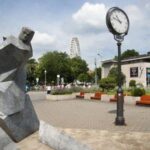
- Meeting at Madách Imre tér: Getting Oriented Fast
- The Dohány Street Synagogue Moment (Exterior, Plus Context)
- Food Stops That Match the Story (Flodni, Turos táska, and More)
- Street Art and Shops: Why the Quarter Feels Alive Now
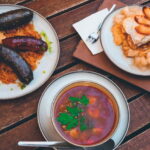
- Traditional Lunch With Wine: Solet and Goose Soup
- Coffee Break and the Build-Up to Pálinka
- The Best Parts (That Usually Drive the High Ratings)
- Downsides to Keep in Mind Before You Book
- Who This Tour Fits Best
- Should You Book This Budapest Jewish Cuisine & Culture Walk?
- FAQ
- How long is the Budapest Jewish Cuisine & Culture Walk?
- What time does the tour start?
- Where do I meet the guide?
- How big is the group?
- Is lunch included?
- What drinks are included?
- Do I get to enter Dohány Grand Synagogue?
- What foods will I try?
- Can the tour accommodate dietary restrictions?
- Is the tour in English?
- Can I get a refund if I cancel?
Key Highlights You Should Not Miss
- Small groups (max 8, often six) mean you get real back-and-forth time with your guide.
- WWII memorial stops plus the Dohány Street Synagogue exterior put the neighborhood story in context.
- Flodni and turos táska are the kind of Jewish classics you’ll remember on day two.
- Lunch with wine includes comforting staples like solet (bean stew) and goose soup.
- Ruin-pub style ending with kosher pálinka gives you a uniquely Budapest finish.
Why Budapest’s Jewish Quarter Is the Right Kind of History
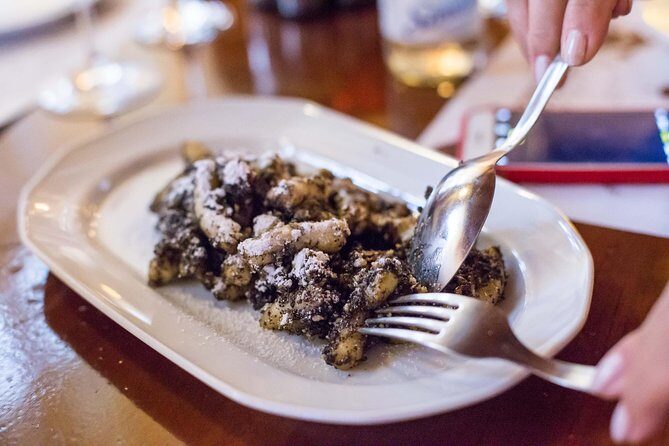
Budapest does history differently. In the Jewish Quarter, you don’t just read plaques. You look at real streets, real buildings, and real storefronts that now serve pastries, coffee, and wine while keeping the past in view.
This walk is interesting because it treats food as a language. You learn what families cooked, what comfort meant, and how the community rebuilt after WWII—then you taste those flavors. The guide also ties the neighborhood’s medieval roots and later ghetto period to what you see today, including synagogues and street life.
I like that the tour doesn’t rush the meaning. You’ll see the memorials to WWII’s Jewish victims, not as a quick stop photo, but as part of the story that explains why this area matters.
You can also read our reviews of more walking tours in Budapest



Price and What You’re Really Paying For
At $155 per person for about four hours, the price can feel a bit high at first glance. But most of what you’re paying for is hard to replicate on your own without extra planning: guided access, multiple tastings, and a full meal with drinks.
Here’s what’s included that usually costs extra when you piece it together:
- Food tastings across the neighborhood (sweet and savory)
- A traditional lunch with wine
- A drinks tasting that includes kosher pálinka
- An expert guide
- Entrance fee to a synagogue (though not Dohány Grand Synagogue)
Also, group size matters. With a small group, you spend less time herding and more time asking questions—especially helpful on a history-heavy route where details really count.
If you’re doing Budapest efficiently and want one “big hit” afternoon, this is strong value. If you want a loose wandering evening with zero structure, you might prefer a cheaper self-guided option.
Meeting at Madách Imre tér: Getting Oriented Fast
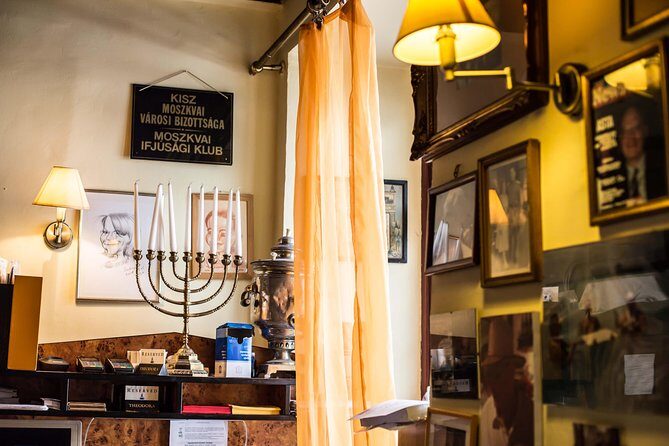
You start at Madách Imre tér at 11:00 am, right in the Seventh District. It’s a good launch point because it’s not “out in the countryside”—you’re stepping into the center of Jewish Budapest quickly.
The first stretch sets the tone. Your guide explains how the area developed over time, from earlier Jewish community life to the WWII ghetto era. You’ll walk past streets with neoclassical houses and synagogues, so the history is tied to what you’re seeing instead of floating off in a lecture.
Practical tip: wear shoes you can walk in for a few hours. This is a walking tour with multiple food stops, and you’ll want your legs ready for the rhythm.
The Dohány Street Synagogue Moment (Exterior, Plus Context)
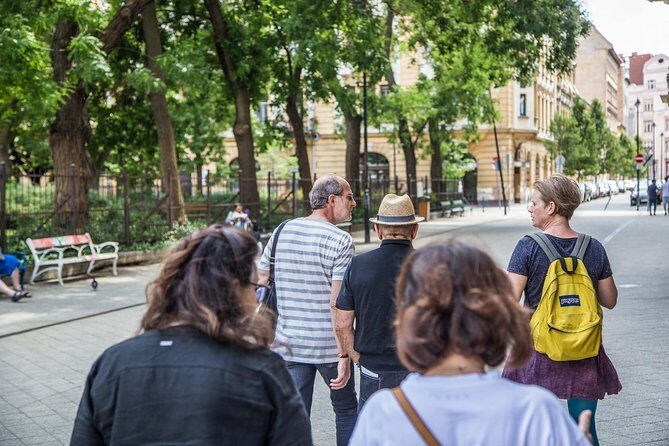
One of the big draws is the Dohány Street Synagogue area. Even when you’re viewing the exterior rather than doing a full interior visit, it’s still a powerful sight. It’s known as Europe’s largest synagogue, and your guide will frame what that scale meant for the community.
You’ll also see Jewish WWII memorials along the way. This matters because the tour doesn’t treat the neighborhood as only old-world architecture and tasty snacks. It connects the physical landmarks to the losses of the Holocaust, and then to what survived and what rebuilt afterward.
Important note on access: the tour includes an entrance fee to a synagogue, but entrance fees to Dohány Grand Synagogue are not included. So if your priority is going inside that specific building, budget for that separately.
Food Stops That Match the Story (Flodni, Turos táska, and More)
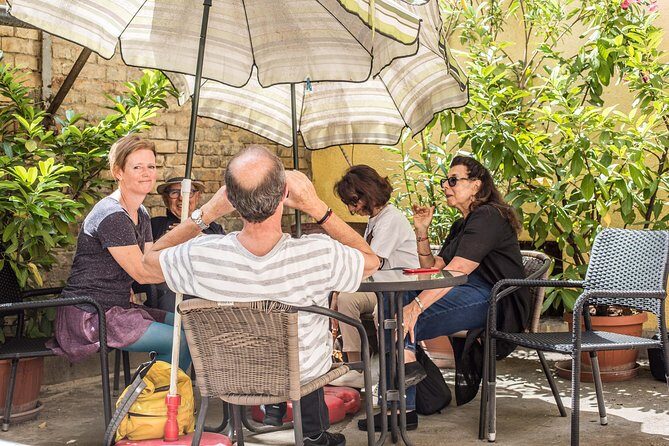
Food is the glue here. You’ll stop at local places for a mix of sweet and savory tastes, and the exact lineup can vary depending on the day.
Some classics you may try include:
- Turos táska, a curd-cheese pastry
- Flodni, a layered, sweet pastry with a warm, comforting feel
- Savory bites like sausage and goose crackling
I like that the tour doesn’t just hand you random “Hungarian food.” These are Jewish-linked dishes tied to the neighborhood’s culinary identity.
Also, don’t treat it like a single tasting platter. You’ll get stops in different places, which means you’re tasting in context—learning what you’re eating and where it fits in the broader food culture.
If you have dietary restrictions, tell your guide when booking. The tour notes you should advise specific dietary requirements ahead of time, and you’ll have a better shot at a workable plan.






Street Art and Shops: Why the Quarter Feels Alive Now
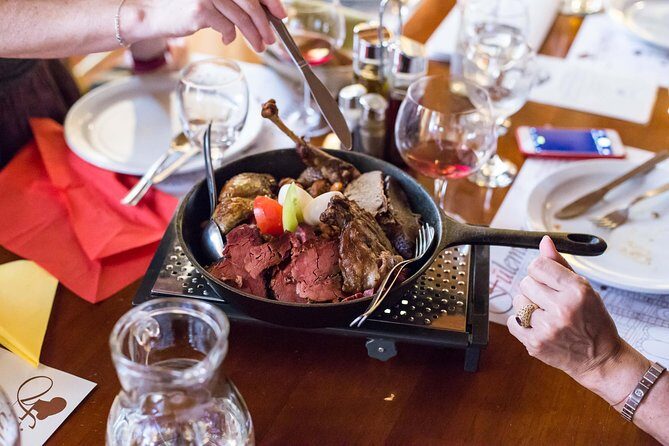
After the memorial and synagogue viewing, the pace shifts. You’ll move through the neighborhood’s current character—street art and designer shops that helped turn the area into a popular hangout.
This isn’t a contradiction. It’s the point. The Jewish Quarter today has an arty, food-forward vibe, and that’s part of how the community’s presence is felt now. Your guide’s job is to connect that vibe to the past, so it doesn’t become just another “trendy district” checklist.
If you’re the type who likes photos, this is where you’ll want to slow down a bit and look up. The buildings and street details give you more to remember than a single landmark shot.
Traditional Lunch With Wine: Solet and Goose Soup
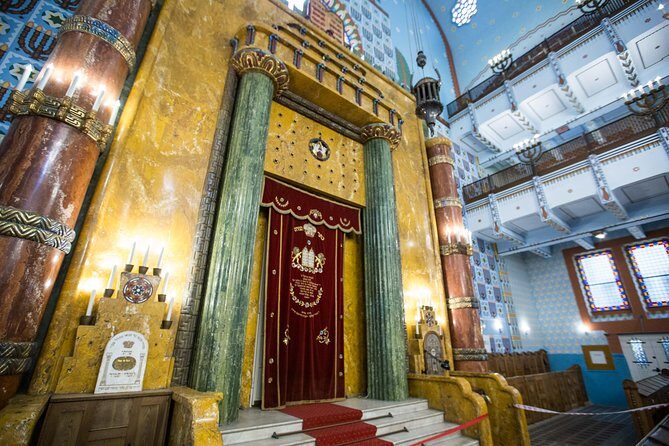
Then comes the meal, and it’s the most “sit down and reset” part of the tour.
You’ll visit a restaurant for a typical Jewish lunch. Based on the tour description, expect dishes such as:
- Solet (Hungarian bean stew)
- Goose soup
- Plus a wine pairing with the meal
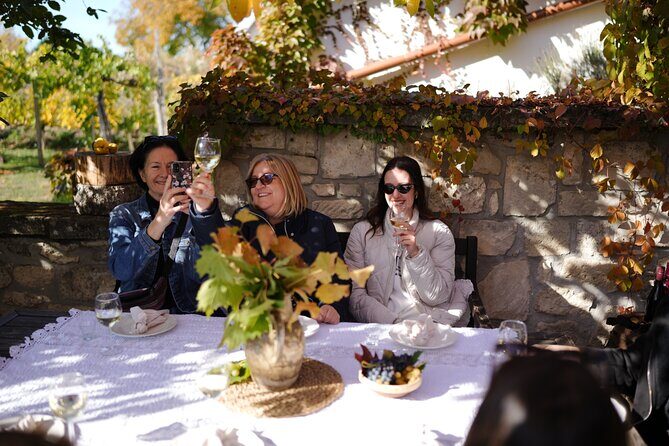
Lunch is designed to give you a hot, filling center after hours of walking and nibbling. It also gives you time to talk with your guide and the small group, which can be surprisingly useful if you want practical tips for what to try next in Budapest.
Some reviews also mention dishes like matzo ball soup, cholent, and brisket showing up on certain days. Since menus can vary, you should mentally plan for classic Eastern European Jewish comfort food rather than a single guaranteed dish.
Coffee Break and the Build-Up to Pálinka
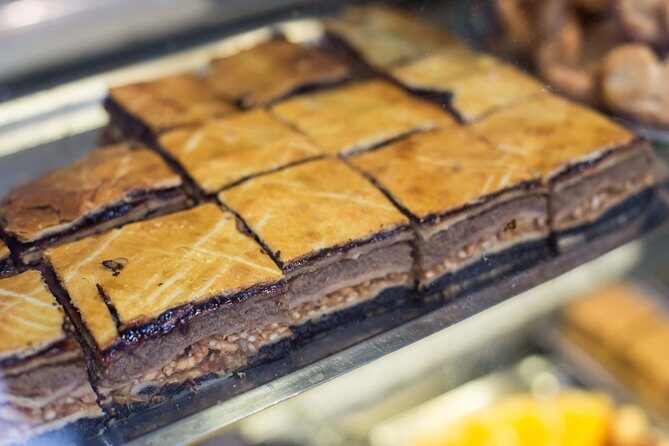
After lunch, the tour doesn’t slam straight to the final drink. You’ll head to a coffee bar first. For me, this is the smart move. Coffee helps reset your taste buds after salty stews and richer meat soups, and it makes the final stop more fun instead of a blur.
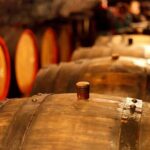
Then you finish with kosher pálinka. You’ll likely try it at a ruin pub or a local wine bar depending on the day. If you haven’t had pálinka before, treat it like a sipping spirit—strong, but meant to be savored, not chugged.
A small practical warning: if you’re planning dinner after this tour, you’ll probably be full. And if you’re not used to spirits, go easy. Your guide will help set the right expectations.
The Best Parts (That Usually Drive the High Ratings)
This is the kind of tour that earns repeat praise for reasons that actually matter on the street:
1) The guide’s storytelling
More than names and dates, you get explanations that connect the neighborhood’s evolution to what you’re eating and seeing. Multiple guides—people like Anna, Orsi, and Eszther—are specifically noted for strong English and for linking food to history.
2) The food variety with meaning
You’re not just tasting one pastry and calling it a day. You get savory and sweet, plus a proper lunch with wine and a final spirit tasting.
3) Small group comfort
When you’re with a smaller group, the tour feels less crowded and more conversational. A few guides also get called out for being warm, organized, and willing to slow down if you want details.
4) The emotional weight is handled carefully
The WWII memorial stops are part of the learning, not a checkbox. That makes the experience heavier, but also more honest.
Downsides to Keep in Mind Before You Book
No tour is perfect, so here are the most realistic “watch-outs” based on what’s built into the format:
- Your lunch taste is somewhat subjective. One person found the lunch selection not to their preference. If you’re picky, you’ll still likely enjoy the experience because you’ll be tasting other foods too—but you can’t fully control the day’s menu.
- The exact tasting menu varies. You should expect flodni and turos táska as likely highlights, but the full lineup can shift with availability.
- You’ll eat a lot. Several people recommend eating a light breakfast. If you show up hungry, great. But if you prefer “snacks only,” you might feel overfed by the end.
Who This Tour Fits Best
This walk is perfect if you:
- Want food that’s tied to Jewish life in Budapest, not generic Hungarian bites
- Like a guided history route where landmarks and memorials have context
- Appreciate small groups and conversation time
- Are planning your first or second day and want an orientation to the Seventh District
It may be less ideal if you:
- Only want one or two quick tastings and zero historical stops
- Need a strictly controlled menu (the tour notes choices vary by day)
- Want guaranteed interior time at Dohány Grand Synagogue without extra costs (its entrance fee isn’t included)
Should You Book This Budapest Jewish Cuisine & Culture Walk?
If you’re trying to choose between a “food tour” and a “history tour,” this is one of the better hybrids. The best version of this experience is when you’re open to being fed and informed at the same time—pastries, savory plates, lunch with wine, and pálinka, all tied to a real story.
I’d book it if:
- You want a structured afternoon with minimal guesswork
- You care about WWII memorial context, not just sightseeing
- You like tasting classic foods like turos táska and flodni in the place where the tradition lives
I’d think twice if:
- You hate tasting menus and prefer restaurant ordering from a fixed card
- You’re very sensitive to alcohol and strong spirits (pálinka is included, so plan accordingly)
- You’re hoping Dohány Grand Synagogue entrance is included automatically
FAQ
How long is the Budapest Jewish Cuisine & Culture Walk?
It runs for about 4 hours.
What time does the tour start?
The start time is 11:00 am.
Where do I meet the guide?
Meet at Madách Imre tér, Hungary, in Budapest’s Seventh District.
How big is the group?
It’s a small-group tour with a maximum of 8 travelers.
Is lunch included?
Yes. You’ll have a traditional Jewish lunch, with wine.
What drinks are included?
The tour includes drinks tastings, including kosher pálinka. Wine is also included with lunch.
Do I get to enter Dohány Grand Synagogue?
Entrance fees to Dohány Grand Synagogue are not included, though the tour does include entrance fee to a synagogue.
What foods will I try?
You may sample Jewish dishes such as flodni, turos táska, and savory items like sausage and goose crackling. The exact menu can vary by day.
Can the tour accommodate dietary restrictions?
You should advise specific dietary requirements at the time of booking.
Is the tour in English?
Yes, it’s offered in English.
Can I get a refund if I cancel?
This experience is non-refundable and can’t be changed for any reason. If the tour is canceled because the minimum number of travelers isn’t met, you’ll be offered an alternative or a full refund.
If you tell me your travel dates and any dietary needs (especially pork, dairy, or gluten), I can help you decide whether this tour fits your food style and timing.