REVIEW · BUDAPEST
Budapest: Classical Music Concerts in Matthias Church
Book on GetYourGuide →Operated by DKN Zenei Ügynökség Kft. · Bookable on GetYourGuide
Matthias Church at night feels like a different city. This 70-minute concert on Castle Hill pairs world-famous compositions with Matthias Church’s legendary sound, performed by the Duna String Orchestra plus violin soloist Gabora Gyula. You get a focused program of well-known favorites, played with real precision and emotion, in a setting that makes even casual classical listeners lean forward.
I especially like the flexibility of three seating categories so you can match the experience to your budget. My one watch-out: your view can vary a lot by where you sit, and some seats may limit how much you can see of the musicians, even if the sound stays strong.
In This Review
- Key things to know before you go
- Why a Matthias Church concert feels different from regular sightseeing
- Getting your seat: three seating categories and what changes
- The 70-minute concert program: Bach, Mozart, Saint-Saëns, and friends
- Sound and atmosphere: the church does more than look good
- Practicalities: tickets, timing, and what to do before the concert
- Price and value: why $70 can be a smart use of one evening
- Who this concert is best for (and who might want to adjust expectations)
- Should you book the Matthias Church classical concert?
Key things to know before you go
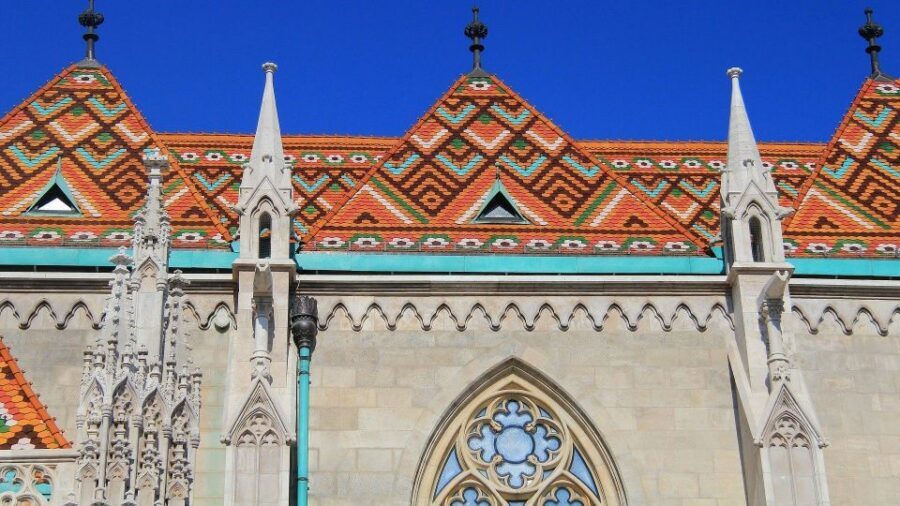
- Matthias Church acoustics do the heavy lifting for every note
- Gabora Gyula on violin adds a bright solo voice through the program
- A single, tight 70-minute set keeps your evening easy to plan
- 3 seating categories help you choose comfort and visibility versus price
- No food or hotel pickup means you’ll plan dinner and arrive on your own
Why a Matthias Church concert feels different from regular sightseeing
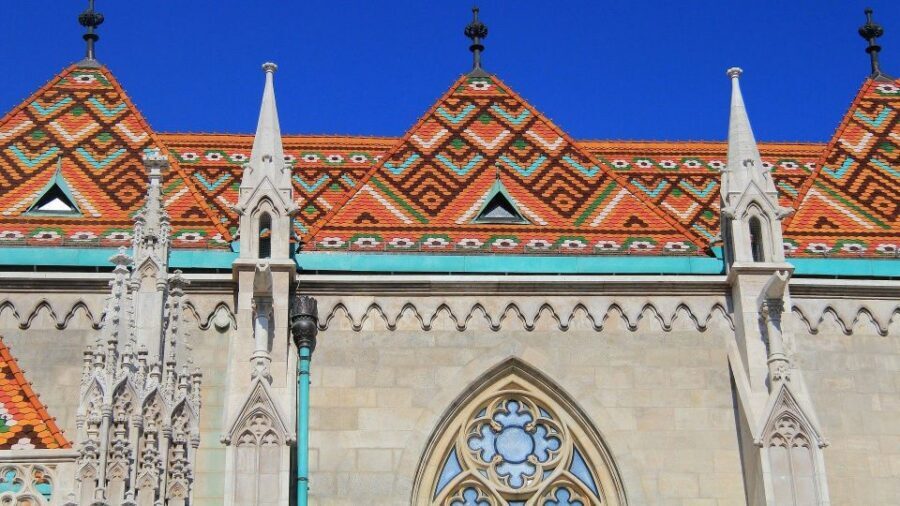
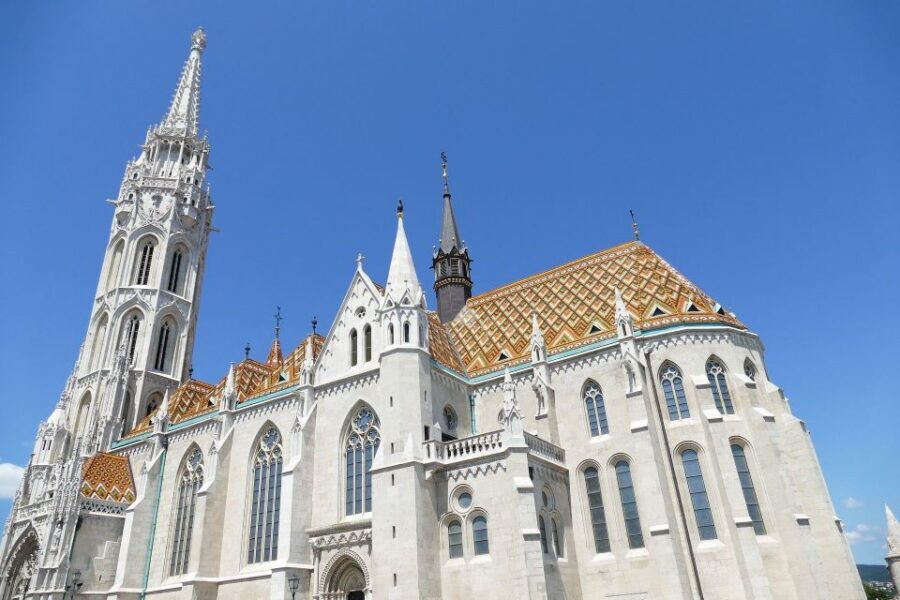
If you’ve already walked the streets of Budapest, here’s a smart way to slow down: trade another viewpoint for an evening in a real performance space. Matthias Church sits right on Castle Hill in the Buda Castle area, so you’re not traveling out of your way. It’s an easy add-on if you’re already doing Fisherman’s Bastion and the surrounding castle streets.
What makes this experience work is the mix of famous venue and focused music. The church isn’t just a pretty backdrop. Its shape and materials turn the strings into something you can almost track in the air. You feel that right away, especially with slower movements like Adagio or lyrical pieces like Bach Air.
Also, doing this at night changes the mood. The church feels calmer than most daytime crowds, and your attention can land fully on sound. A few people also pointed out how nice it is when there aren’t massive lines, so you can keep the evening relaxed.
A few more Budapest tours and experiences worth a look



Getting your seat: three seating categories and what changes
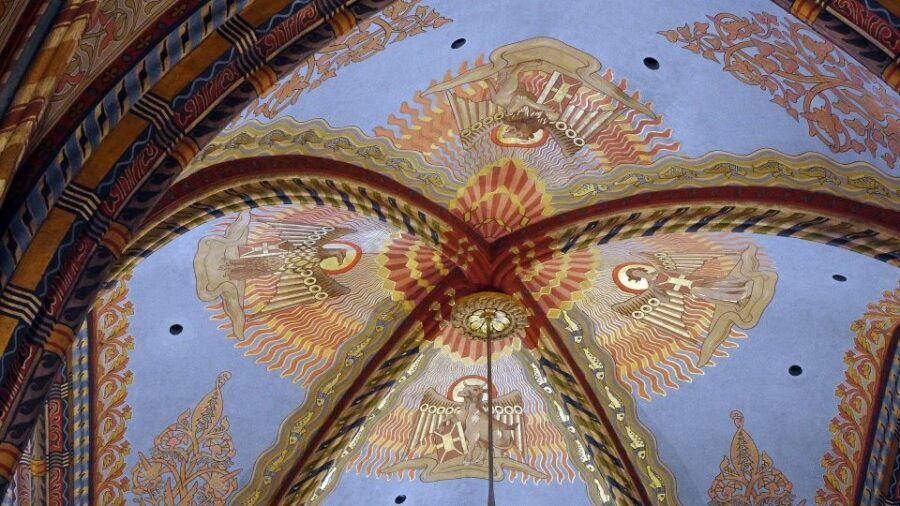
This concert gives you 3 seating categories, which matters more than you might expect. In a church like Matthias, the sound can still be great even if you’re not in a front-and-center row. But visibility is where the differences show up.
Here’s my practical advice:
- If you care about seeing the musicians up close, consider the pricier seats (people who chose front sections were happiest with the view).
- If you mainly care about sound and don’t mind not watching every bow movement, you’ll likely be fine with a lower tier.
- Arrive early enough to settle without rushing. Getting your bearings matters because pew/row locations can be tight.
One more thing to expect: seating is fixed once you’re inside. So if you’re planning to photograph, text, or fuss with coats, do it quickly before the music starts. You want to avoid anything that steals attention during quiet passages.
The 70-minute concert program: Bach, Mozart, Saint-Saëns, and friends
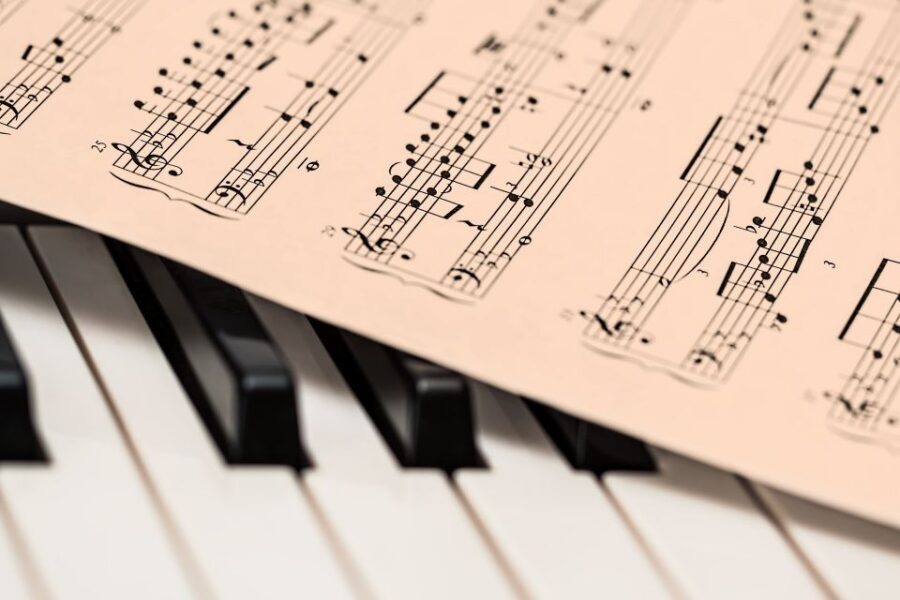
The program is performed by the Duna String Orchestra with violin soloist Gabora Gyula. It’s designed like a greatest-hits tour of classical for strings, with recognizable melodies and a good mix of moods—bright, lyrical, and a little dramatic.
You can expect the following set (in the order listed):
- J. Pachebel – Canon
The classic, instantly recognizable foundation piece.
- A. Vivaldi – The Four Seasons, Winter (2nd movement) and Gloria (Domine Deus)
Expect chilly elegance in Winter, then a more devotional lift in Gloria.
- J. S. Bach – Violin Concerto in E major, BWV 1042 (1st movement)
This is where Gabora Gyula’s violin really earns the spotlight.
- G. F. Haendel – Water Music, HWV 348 (F major)
A buoyant, flowing movement that feels like it keeps moving forward.
- T. Albinoni – Adagio
Slow and expressive. This is the part where the church acoustics do extra work.
- W. A. Mozart – Church Sonata in D major No. 4, KV 144
Clean phrasing and structured charm.
- Saint-Saëns – The Swan
One of the most graceful string melodies ever written.
- C. Frank – Panis Angelicus
Warm, spiritual feel, even without vocals.
- J. S. Bach – Air
Gentle and singing, great for listening with your full attention.
- J. Massenet – Thais Meditation
Lyrical, graceful, and cinematic in a very human way.
- W. A. Mozart – A Little Night Music, Alleluja from Exsultate, Jubilate
A lively closing section with recognizable energy.
A quick note: a couple of people mentioned the posted program information might not match what’s played that night. That’s not a deal-breaker, but it’s why I’d treat the music itself as the main plan. Even if a paper listing is slightly off, the set is still the set—and the musicians are the real story.
Sound and atmosphere: the church does more than look good
The biggest “wow” factor here isn’t just the building. It’s how the church shapes sound. Matthias Church’s acoustics add clarity to the strings and a subtle echo that makes sustained notes feel wider and more present.
In practical terms, that means:
- Quiet passages land. You don’t need to strain to catch details.
- Larger dynamics feel dramatic. A louder passage isn’t just louder—it feels fuller.
- Listening becomes physical. Slow movements like Adagio and Air can give you goosebumps.
One helpful tip from real concert logic: if you’re seated on the side or in farther rows, you might not see the performers as clearly, but you should still hear well. So don’t panic if your seat isn’t perfect for watching. Prioritize comfort, then let the acoustics handle the rest.
Practicalities: tickets, timing, and what to do before the concert
This is a straightforward outing: you go to Matthias Church, take your seat, and enjoy a focused 70-minute show. Concert tickets are included. What’s not included is hotel pickup/drop-off, plus food and drinks.
So plan your evening like this:
- Eat first or plan snacks nearby. Since food and drinks aren’t included, don’t assume you’ll grab dinner inside.
- Factor in arrival time on Castle Hill. You’ll want time to get to Szentháromság tér 2, find your location, and settle before the music.
- If you’re also doing the castle area, arrive earlier. Several people recommended using the time before the concert to wander around Fisherman’s Bastion and the surrounding streets.
Getting up there is easy thanks to Budapest’s public transport. Some visitors mentioned taking a bus up to the church, which can save energy if your legs are already tired from walking the city.
About your phone and ticket: one person had an issue at entry when they didn’t have their tickets in the expected QR format. So I’d keep your ticket QR code ready on your phone before you reach the door. It’s a small habit that prevents an unpleasant start.






Price and value: why $70 can be a smart use of one evening
At around $70 per person, you’re paying for a classic venue, live musicians, and a ticketed concert experience in one of Budapest’s most famous settings. You’re not just buying music. You’re buying the location and the acoustics working together.
Here’s how to think about value:
- If you love classical music (or you want to get hooked), this is a high-impact evening. A 70-minute set is long enough to matter, short enough to fit any itinerary.
- If you’re price-sensitive, the 3 seating categories let you choose the compromise you want: lower price versus better visibility.
- If you’re expecting food included, that’s where you may feel the pinch. You’ll want to spend your meal budget before or after.
For me, the best value approach is simple: pick the best seating you can comfortably afford, then treat the rest of the evening as a bonus around Castle Hill.
Who this concert is best for (and who might want to adjust expectations)
This concert is ideal for:
- People who want a first-rate classical performance without spending all night
- String-music fans who like listening for melody lines and bow work
- Anyone visiting Budapest who wants one cultural evening that feels truly in-place
A couple of notes to keep your expectations aligned:
- This is specifically strings plus violin solo, based on the stated performers. If you’re hoping for vocal or additional instruments like piano on this exact program, you might be disappointed.
- If you strongly hate any interruption, arrive early. A few people reported that latecomers were able to enter during the performance in some cases, which can be distracting.
Should you book the Matthias Church classical concert?
Yes, if you want one evening in Budapest that feels like art made for the space it’s in. The combination of a renowned venue, a tight 70-minute program, and standout musicians is a rare “high return” choice.
Book it especially if:
- You’re already planning time on Castle Hill and want your night to feel special
- You care more about sound quality than watching every performer up close
- You want a program that includes famous composers like Bach and Mozart
Before you book, do two practical things:
- Choose your seating tier based on what matters to you most: sound versus sightlines.
- Plan to arrive early enough to settle, and keep your ticket QR code ready.
If you want a calm, classy, and memorable way to finish a Budapest day, this one belongs on your schedule.