REVIEW · BUDAPEST
8-Tier Hungarian Wine Tasting in a Cozy Downtown Wine Bar
Book on GetYourGuide →Operated by BORTODOOR Kft · Bookable on GetYourGuide
Eight pours can change how you taste Hungary.
At Bortodoor, I like the warm, intimate wine-bar vibe and the way the sommelier keeps the mood friendly and interactive, with guides like Sally and Smike popping up in the stories people share. I also love the local charcuterie board that makes the wines feel less like a test and more like a shared meal. One drawback to keep in mind: the evening can run longer than the planned 2 hours when the group is chatting and the music is calling your name.
This is a straight-up, English-led guided flight in downtown Budapest, built around 120 minutes and 8 wines (1 sparkling, 3 whites, 1 light red, 3 reds). You’ll also get a takeaway note page with a quick guide to Hungarian wine regions plus a spot for your own tasting notes—handy if you want to remember what you liked.
In This Review
- The Bortodoor Wine Bar Scene: Cozy, Central, and Easy to Find
- The 8-Tier Flight: How the 120 Minutes Actually Works
- What You’ll Taste: Sparkling, Whites, Light Red, and Three Reds
- Charcuterie Pairing: Local Meats, Cheeses, and Bread With a Purpose
- The Sommelier Approach: Friendly Explanations and Real Questions
- Value for $55: 8 Wines, Food, and Take-Home Notes
- Practical Tips for a Smooth Night in Budapest
- Who Should Book This Wine Tasting (and Who Might Skip)
- Should You Book Bortodoor’s 8-Tier Hungarian Wine Tasting?
- FAQ
- How long is the tasting?
- What wines are included?
- Is food included?
- Do I need to arrange transportation?
- Where do I meet?
- Is the tour in English?
- Is this suitable for kids?
- What do I take home?
The Bortodoor Wine Bar Scene: Cozy, Central, and Easy to Find
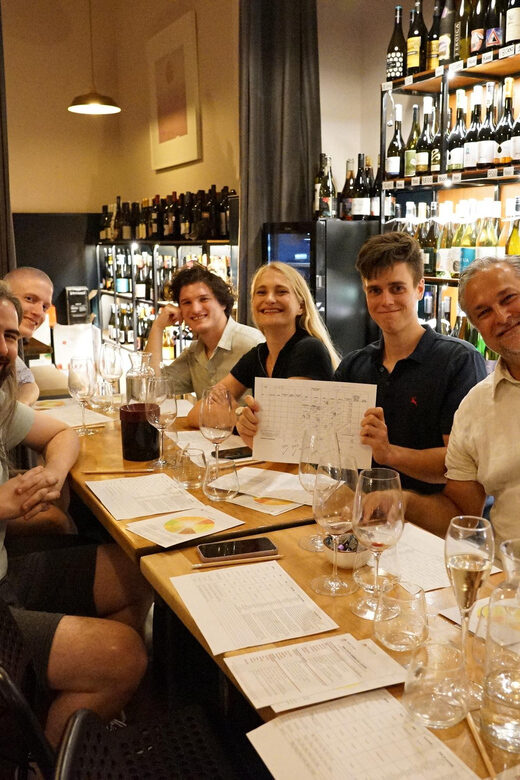
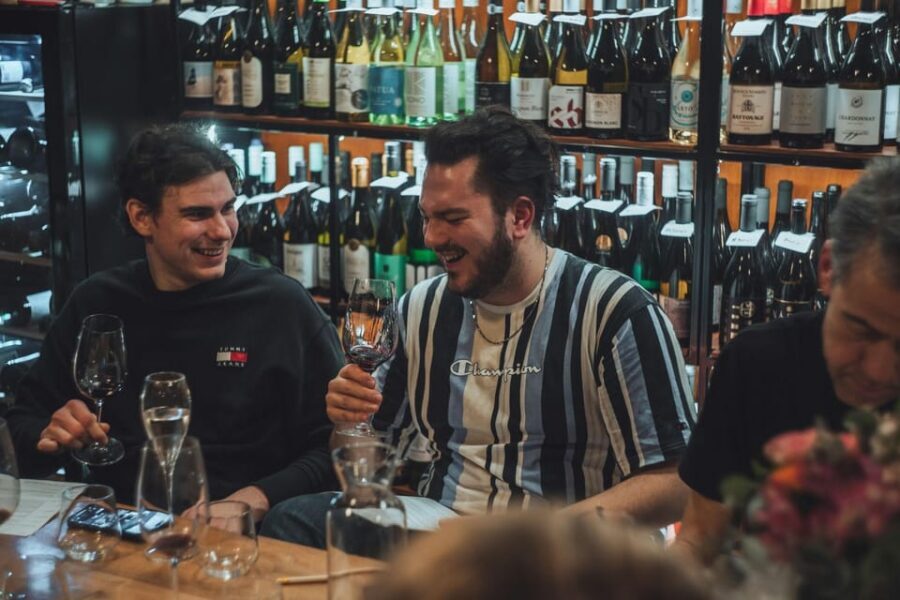
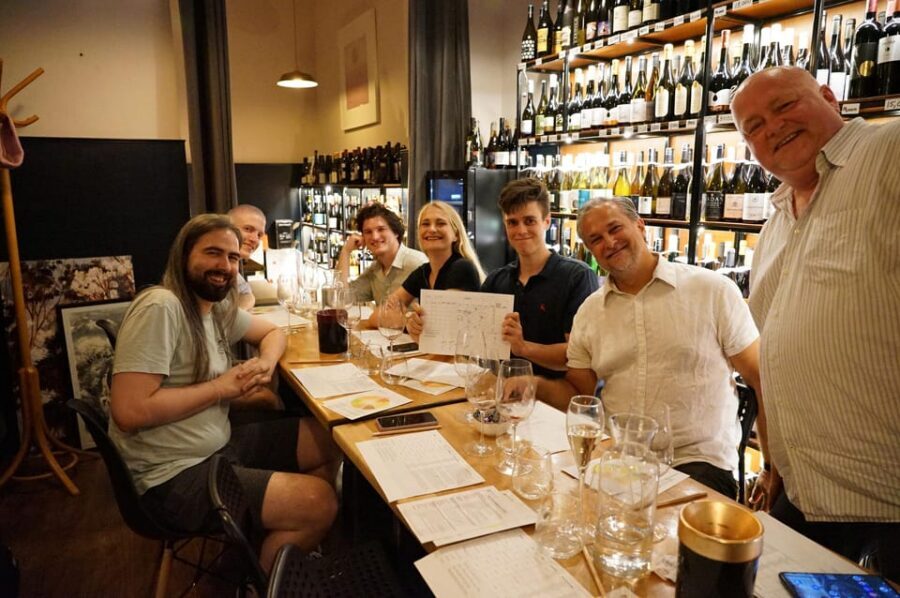
Bortodoor is the kind of place that makes wine feel social, not stuffy. You meet at the wine bar itself, and there’s a large white circular sign outside the door, so you’re not left hunting down an unmarked basement. The setting is described as warm and intimate, and that matters more than it sounds: a guided tasting works best when you can hear the guide and still relax between pours.
In practice, you’ll be tasting at a small bar set-up with enough space to look at your flight, nibble, and chat. The pacing is built around stopping points—taste, talk, taste again—rather than a rushed conveyor belt. And if you’re the type who likes to ask questions, this format tends to reward that. The guide’s style comes through in the feedback: friendly, upbeat, and able to answer detailed questions without turning the night into a lecture.
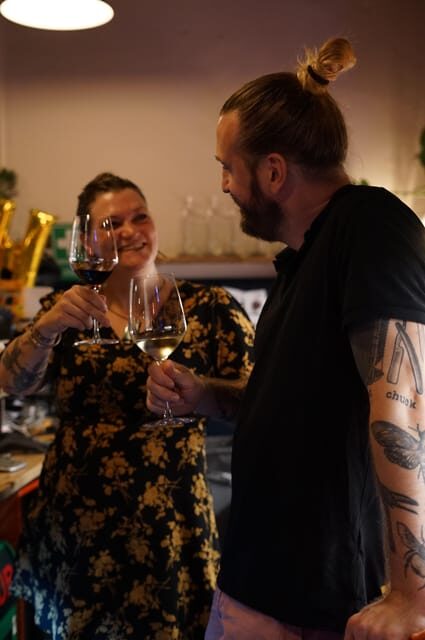
One more atmosphere detail: on some nights, including Saturdays, live music appears. If your goal is an early evening plan that can drift into a longer night, this can fit nicely.
The 8-Tier Flight: How the 120 Minutes Actually Works
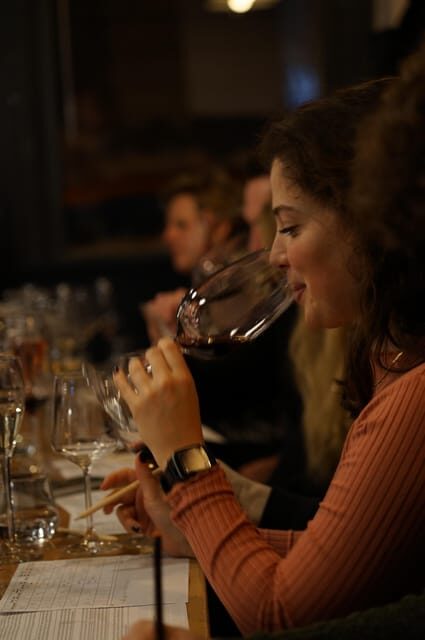
The experience runs about 2 hours, and the structure is clear: a guided tasting of 8 wines with a sommelier, plus local charcuterie to keep your palate happy. You’ll move through the flight in a sequence designed to show off variety—sparkling first, then whites, then a light red, and finally three reds.
What makes this work for you is the rhythm. Hungarian wine can feel confusing at first because there are plenty of styles and regional identities, and a tasting like this gives you a framework. The guide typically explains what you’re tasting and why it belongs in the story of Hungarian wine—grapes, regions, and how production choices shape flavor.
It’s also not just you vs. a list of wines. People describe the process as interactive: the guide encourages different ways of tasting, and the group conversation often fills the gaps between pours. If you come in nervous about wine knowledge, that’s usually the wrong mindset. This is set up so you can learn while tasting, not after.
Practical timing note: even though it’s planned for 2 hours, the mood can stretch. Some people report it running long because the vibe is relaxed and the group energy builds.
You can also read our reviews of more food & drink experiences in Budapest

What You’ll Taste: Sparkling, Whites, Light Red, and Three Reds
Here’s the flight lineup you should expect:
- 1 sparkling wine
- 3 white wines
- 1 light red
- 3 red wines
Starting with bubbles is smart. Sparkling wine resets your palate so the first whites taste cleaner and you can notice differences more easily. The whites are where you’ll get to compare styles side by side—crisp, aromatic, and textured options depending on the pour. Then the light red acts like a bridge: a gentler step from whites into reds, which helps if you’re not sure you’ll like heavier red styles.
The final three reds are the payoff for most people. Red flights often reveal how Hungarian winemaking handles structure, acidity, and fruit expression—without the flight feeling like a random grab bag. In the feedback, Tokaj is mentioned as a highlight when it appears on the lineup. If you see a Tokaj-style wine in your flight, expect something that draws people in because it’s distinctive and hard to forget.
You don’t need to memorize labels to get value from this. The real win is that you taste enough variety in one night to start recognizing what you personally like: fresher vs. fuller, aromatic vs. earthy, lighter reds vs. more structured reds.
Charcuterie Pairing: Local Meats, Cheeses, and Bread With a Purpose
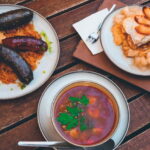
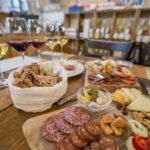
The tasting isn’t wine-only. You’ll also get an artisanal charcuterie board featuring local Hungarian cheeses, meats, and breads. That pairing piece matters because it changes how you taste wine.
The guide’s explanations usually connect flavors on the plate to flavors in the glass—salt and fat with acidity, savory meats with tannins, bread that smooths rough edges. The result, in the way people describe it, is that the food feels like part of the learning, not an afterthought snack.
Another practical upside: the board helps keep the tasting comfortable. You’re sampling 8 wines, and without something to nibble you’d have to rush or pace yourself in an awkward way. With food in front of you, you can actually focus on noticing what each pour is doing.
If you have dietary requirements, you should flag that in advance. One piece of advice from the feedback: mention it early so they can handle it.
The Sommelier Approach: Friendly Explanations and Real Questions
The heart of this experience is the human part: the sommelier. The most repeated praise is that guides are energetic, approachable, and able to explain Hungarian wine in a way that feels like a conversation.
You’ll likely hear:
- How Hungarian wine regions connect to the wines you’re tasting
- How grape and production choices shape flavor
- History and culture behind wine, including big political eras that affected agriculture and production
One person highlights that the guide connected winemaking to changes across Ottoman times, imperial periods, communism, and modern developments. Even if your guide chooses different examples, the approach is similar: Hungary’s wine story isn’t treated like a trivia sheet. It’s tied to what ends up in the glass.
Also, the guide style seems to hit a key balance. People describe being given space to taste and chat, not constantly being talked at. That’s important because tasting requires you to slow down and pay attention.
If you want interaction, you’ll get it. If you want a relaxed night, you’ll get that too.
Value for $55: 8 Wines, Food, and Take-Home Notes
At $55 per person for a 2-hour guided tasting, the value is easiest to understand by counting what’s included. You get:
- A glass of sparkling wine
- 7 additional Hungarian wines (3 whites, 1 light red, 3 reds)
- A charcuterie board with local cheeses, meats, and breads
- A takeaway note page with info on Hungarian wine regions and a how-to for tasting, plus space for your own notes
- An English live guide
So you’re paying for more than just drinks. You’re paying for guided context plus a structure that helps you learn quickly, even if you start with zero Hungarian wine knowledge. And the food component pulls its weight—without it, $55 for 8 pours alone might be a tough sell. With the board and notes included, it feels like a full evening activity, not a quick tasting stop.
The other value angle is social. Several people mention meeting others from different countries during the tasting and staying afterward. That’s not guaranteed, but the format encourages conversation.
You can also read our reviews of more wine tours in Budapest

Practical Tips for a Smooth Night in Budapest
A few practical things I’d plan around:
Plan your dinner carefully. The experience is listed as 2 hours, but you might find the evening stretches when the conversation is good. If you have a hard reservation, go conservative with timing.
Come ready to taste, not just drink. A tasting like this works best when you take notes. The included takeaway page is meant for that, and it helps you remember what you liked even after the last pour.
Use the guide as your shortcut. Ask what you should be looking for in the next glass. The guide can explain how to read aroma and taste so you stop feeling lost.
Dress for comfort. This is a cozy downtown wine bar setup. Comfortable shoes help if you plan to wander afterward, especially if music is part of the night.
No transport included. You’re on your own for getting there, so plan around Budapest’s public transit or walking distance based on where you’re staying.
It’s adults-only. It’s not suitable for children under 18, so this will stay relaxed and grown-up.
Who Should Book This Wine Tasting (and Who Might Skip)
This is a strong fit if you:
- Want a guided intro to Hungarian wine styles without needing a crash course first
- Like learning through tasting, not through a formal classroom vibe
- Enjoy pairing wine with food and want the board included
- Want an English-led evening plan in central Budapest that feels social but not chaotic
You might skip it if you:
- Want a super quiet, head-down wine seminar with no group interaction
- Have strict scheduling for a short, exact 2-hour window
- Are looking for a multi-stop tour with transportation (this one is focused on the wine bar experience)
If your main goal is to find a few wines you genuinely like and learn how to talk about them, this format is built for that.
Should You Book Bortodoor’s 8-Tier Hungarian Wine Tasting?
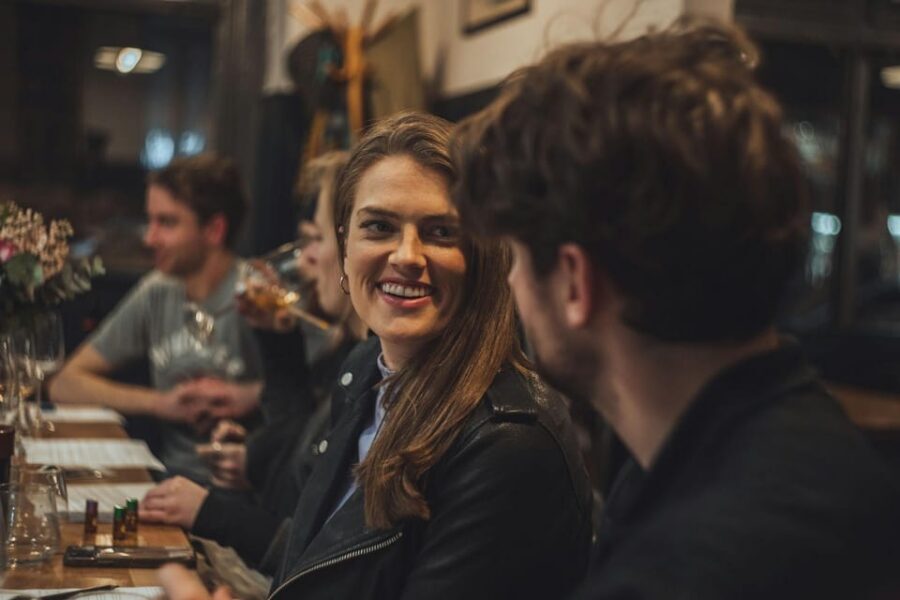
I’d book it if you want a high-value evening that mixes wine, food, and real explanations in a small downtown setting. The strongest reasons are the combination of 8 wines across multiple styles, a proper charcuterie board, and a sommelier-led approach that stays friendly and question-friendly. People also consistently mention the atmosphere—warm, intimate, and sometimes lively with live music on certain nights.
If you’re the kind of person who likes structure, you’ll appreciate the clear breakdown of sparkling, whites, light red, and reds. And if you care about remembering what you liked, the takeaway note page is a practical bonus.
Just plan your night with a little flexibility. When the mood is good, this tasting can turn into more than 2 hours. If that sounds like your kind of evening, Bortodoor is a smart choice.
FAQ
How long is the tasting?
The guided experience lasts about 2 hours.
What wines are included?
You’ll sample 8 wines: 1 sparkling wine, 3 white wines, 1 light red, and 3 red wines.
Is food included?
Yes. An artisanal charcuterie board is included with local Hungarian cheeses, meats, and breads.
Do I need to arrange transportation?
Yes. Transportation is not included.
Where do I meet?
You meet at Bortodoor, a wine bar with a large white circular sign outside.
Is the tour in English?
Yes, the live tour guide speaks English.
Is this suitable for kids?
No. It’s not suitable for children under 18.
What do I take home?
You get a takeaway note page with information about Hungarian wine regions, a wine tasting how-to, and space for your own tasting notes.