REVIEW · BUDAPEST
Life Under Communism with House of Terror or Statue Park
Book on GetYourGuide →Operated by FUNGARIAN · Bookable on GetYourGuide
Communism in Budapest, explained live in 3 hours. This is a private, interactive lecture-and-walk that makes everyday life feel concrete, not abstract, led by Annamaria and Miklos starting at Bambi Eszpresszó. I love the way the guides translate how the system worked at multiple levels, and I love that you get printed materials plus notebooks and pens to keep track. The one catch: it’s not suitable for people with mobility impairments, and you’ll be on your feet in weather.
You also get a rare angle on Hungary: not just leaders and policies, but daily routines and the leftover echoes you can still spot today. If you want a purely “walk-and-take-photos” outing, this won’t be your best fit. If you want context you can talk through, it’s excellent.
In This Review
- Key Things To Look For in This Communist-Era Tour
- Why Bambi Eszpresszó Sets the Tone Fast
- How Communism Worked, Explained Through Real Life
- A 3-Hour Walk That Tries to Make the Era Make Sense
- House of Terror or Statue Park: Choosing Your Visual Anchor
- Budapest by Transit: The Value of Riding Like a Local
- Price and What $282 Really Buys (Group Up to 5)
- What to Bring and How to Dress for a Comfortable 3 Hours
- Who This Tour Is Best For (and Who Should Skip It)
- A Quick Reality Check: What You’re Really Paying For
- Should You Book Life Under Communism in Budapest?
- FAQ
- How long is Life Under Communism in Budapest?
- How much does it cost, and how big is the group?
- Where does the tour start, and is pickup included?
- What languages are the tours offered in?
- What’s included in the price?
- Are food and drinks included?
- Is transportation included?
- Is this tour suitable for people with mobility impairments?
- Can I cancel, and is there a pay-later option?
Key Things To Look For in This Communist-Era Tour
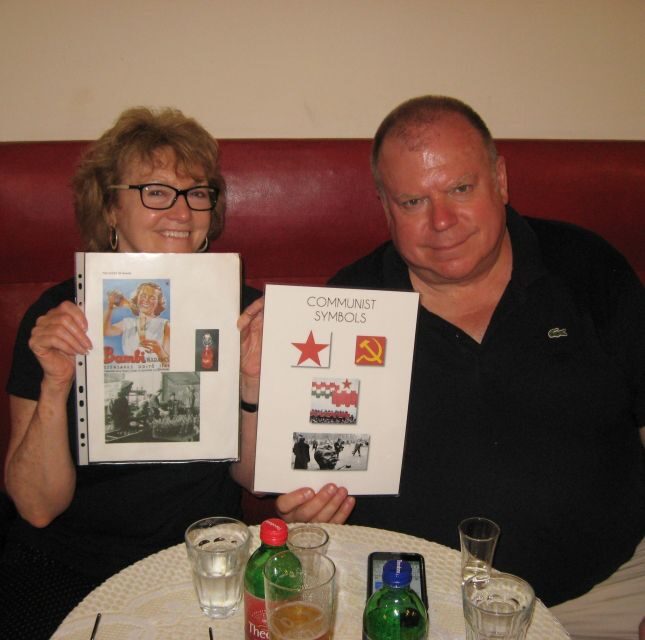
- Bambi Eszpresszó start: a symbolic meeting place of the 1980s that sets the tone fast.
- Interactive presentation: not a one-way lecture, with time for questions and honest dialogue.
- Everyday focus, 1960s to late 1980s: daily life details, not just slogans and dates.
- Guide-led tailoring: the pace and emphasis can shift to match your group’s interests and knowledge.
- House of Terror or Statue Park option: you’ll pair the talk with a place that visualizes the era.
- A public transport moment: you may ride Budapest’s transit to see parts of the city you might otherwise miss.
Why Bambi Eszpresszó Sets the Tone Fast

Good history tours don’t start with a monument. They start with a feeling.
This one begins at Bambi Eszpresszó, described as an emblematic meeting place from the 1980s. That matters because communist-era life wasn’t only shaped by institutions; it was shaped by where people gathered, waited, traded news, and made plans. Starting there gives you a baseline for how Budapest social life worked during the late socialist years.
I also like that the start point is specific. You’re not left guessing where to stand. Your guide meets you with pickup from your accommodation in Budapest, then you head to the first stop together.
You can also read our reviews of more tours and experiences in Budapest.



How Communism Worked, Explained Through Real Life
The heart of the experience is an interactive, personal presentation. Over about three hours, the guides lay out an overview of how the communist system operated on multiple levels.
Instead of treating communism like a single big concept, this tour breaks it down into what it meant for people day-to-day. That’s where the “so what” clicks. You begin to understand how power shows up in ordinary moments: work life, access, daily routines, and the way people adjusted to constraints.
And because it’s interactive, you’re not trapped listening to a script. You can ask questions and steer the conversation. From the feedback I’m seeing, the guides communicate clearly and can adapt to your group’s interest level. That’s a big deal if you come in with only basic knowledge and want something understandable, or if you want more detail.
You’ll also get printed materials, plus notebooks and pens. That small upgrade turns the experience into something you can review after, rather than a blur that fades the same evening.
A 3-Hour Walk That Tries to Make the Era Make Sense
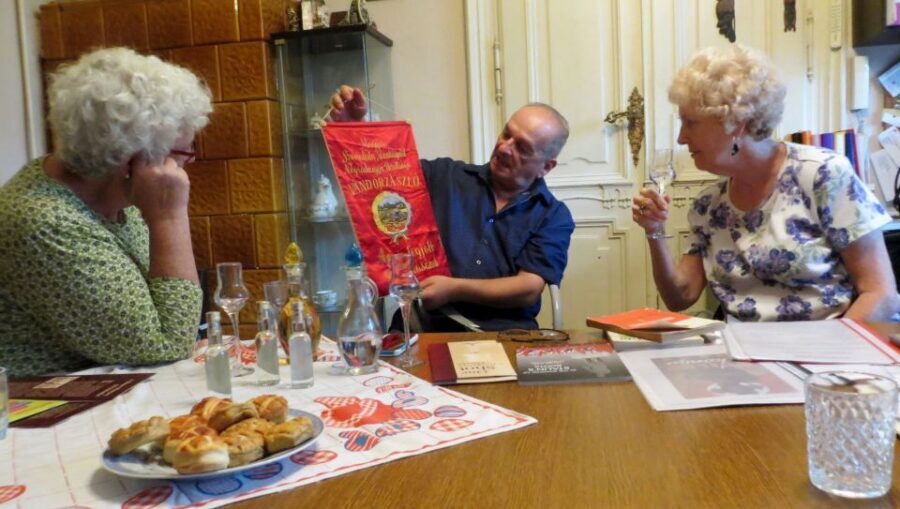
Even though the experience is labeled a tour, it doesn’t feel like you’re just hopping between stops. The pacing is guided by the story you’re being told, moving through Budapest with the historical thread intact.
From what’s built into the experience, you’ll connect:
- an overview of the system’s mechanics
- what everyday life looked like in Budapest from the 1960s through the late 1980s
- how decades of communism shaped Hungary
- what remains today, in visible remnants and in the way the city and society evolved
There’s a subtle but important value here: you’re not asked to memorize dates. You’re given a framework to interpret what you’re seeing. That’s how “history” stops being a chapter in a book and starts becoming useful thinking for the present.
Also, because it’s a private group (not a big bus crowd), the guides can keep the conversation moving without losing people. The best part of this kind of format is that you can ask follow-up questions instead of waiting until the end.
House of Terror or Statue Park: Choosing Your Visual Anchor
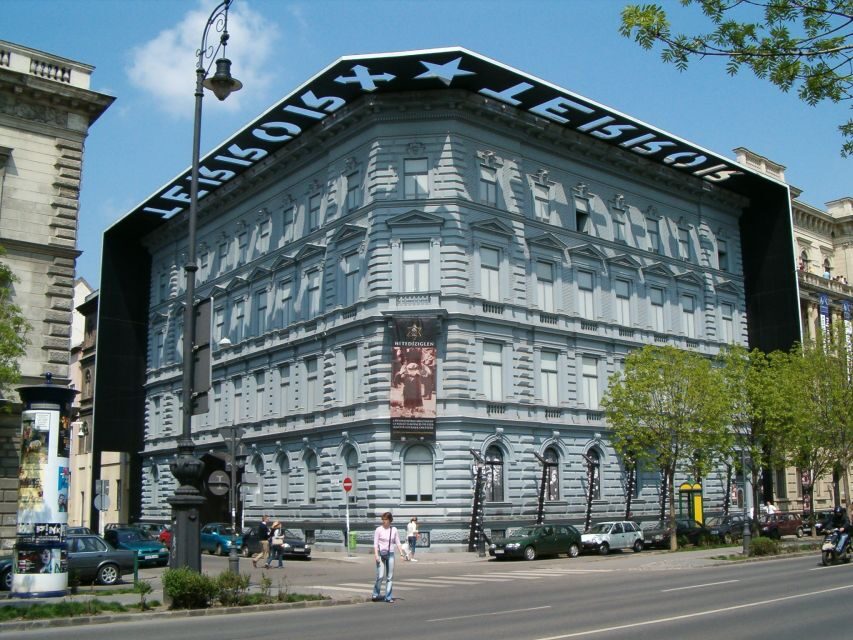
This experience comes with an option that changes the feel of the outing: House of Terror or Statue Park.
Here’s the practical way to think about it. The presentation gives you the context and the everyday mechanics. Then the site you choose gives you a visual anchor. You’re pairing explanation with a space that makes the political reality harder to forget.
If you want stronger emotional weight and sharper political symbolism, House of Terror tends to be the kind of place people associate with repression narratives. If you prefer a more outdoor, public-facing approach that you can walk through while talking, Statue Park can feel more like a “read the story in public space” experience.
Either way, the goal stays the same: you come away understanding not only what communism claimed, but how it affected how people lived—and how the aftermath shows up in Hungary today.
Budapest by Transit: The Value of Riding Like a Local
One review highlight that really matters: you get a chance to ride Budapest’s public transportation system as part of the outing.
This isn’t just a fun add-on. Transit ride time is city time. You see how people move, how neighborhoods connect, and how everyday life looks now—while your guide keeps the historical context in play.
There’s one planning note: transportation isn’t included in the price. So if your budget is tight, factor in the cost of transit tickets. Still, it’s a smart use of three hours because it ties the tour to how Budapest actually works.
And if you’re the type who likes to get your bearings fast, this format helps. Instead of only seeing “tourist highlights,” you often get a route that makes sense locally.



Price and What $282 Really Buys (Group Up to 5)
At $282 per group up to 5, you’re not paying per person for a massive museum ticket. You’re buying a guided, interactive session with a dedicated guide, materials, and a route planned around your group.
That pricing structure can be a great deal if:
- you’re traveling as a small group (family, friends, or couples)
- you want Q-and-A time rather than a lecture in a crowd
- you prefer a tailored route instead of a fixed checklist
It’s less of a bargain if you’re solo and expecting a cheap individual rate, since the price is framed around the group. But for two to five people, the value often becomes clear quickly: one guide, personal pacing, and history you can talk through.
Also, the duration is three hours. That’s long enough to connect the political system to everyday life, but short enough that you can still fit it into a busy Budapest schedule.
What to Bring and How to Dress for a Comfortable 3 Hours
This is a “be ready to walk and talk” kind of tour.
Bring:
- comfortable shoes
- weather-appropriate clothing
- comfortable clothes
Because the format includes movement around the city, you’ll feel the weather. Dress like you’re out for a guided stroll, not like you’re dressing up for a show.
If you have special requests, let your local partner know. The guides are described as adaptable, so it helps to give them a heads-up.
Who This Tour Is Best For (and Who Should Skip It)
This works especially well if you:
- love history, but want it explained through ordinary life
- like interactive guides who will answer questions
- want a grounded understanding of Hungary’s communist era from 1960s to late 1980s
- enjoy tours that connect past and present, including the remnants you can still see
It’s less ideal if you want a casual, low-effort outing. You’ll be listening, thinking, and walking. And if you have mobility limitations, note the experience is not suitable for people with mobility impairments.
A Quick Reality Check: What You’re Really Paying For
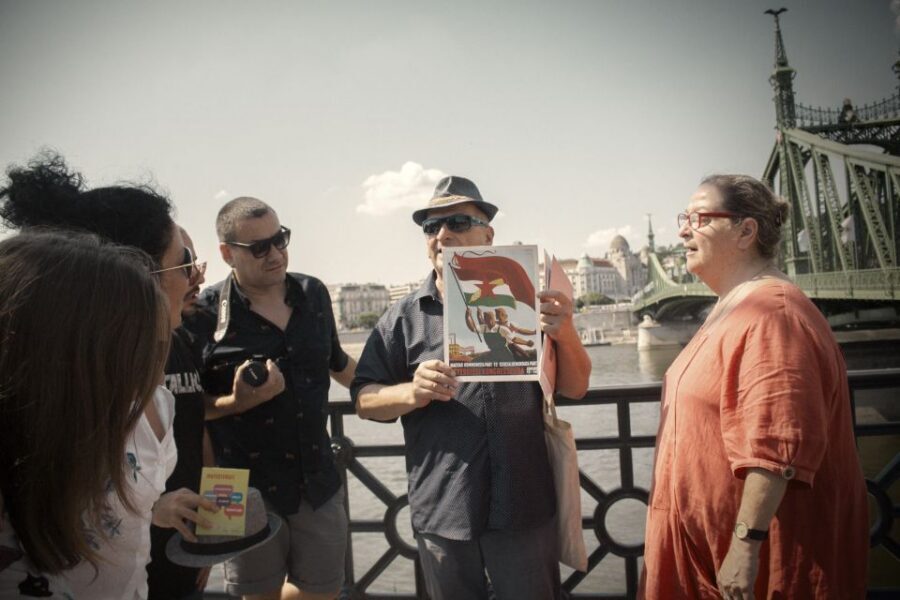
This tour is not pretending to be a full museum day. It’s a guided interpretation session, then a site visit (House of Terror or Statue Park) that supports the story.
That’s actually the strength. In three hours, you get:
- the system in plain language
- everyday-life examples across decades
- a guided route through Budapest
- a structured ending that connects the past to what’s around you now
If you prefer to wander freely with no narrative, you might find this more structured than you want. If you like clarity, story, and context, this format hits the sweet spot.
Should You Book Life Under Communism in Budapest?
I think you should book this tour if your goal is to understand communist-era Budapest in a way that sticks. The combination of interactive conversation, a specific start at Bambi Eszpresszó, and a dedicated guide team (Annamaria and Miklos) makes it feel personal, not generic.
Choose it confidently if you’re visiting for a short time and you want maximum meaning per hour. Bring comfortable shoes, budget for transit since transportation isn’t included, and pick the House of Terror or Statue Park option based on the tone you want.
FAQ
How long is Life Under Communism in Budapest?
The tour lasts 3 hours.
How much does it cost, and how big is the group?
It costs $282 per group up to 5 people.
Where does the tour start, and is pickup included?
The tour starts at Bambi Eszpresszó. Your guide meets you for pickup at your accommodation in Budapest, and then you travel together to the first stop.
What languages are the tours offered in?
The live tour guide is available in English, German, and French.
What’s included in the price?
You get an interactive, personal presentation plus some printed materials, notebooks, and pens.
Are food and drinks included?
No, food and drinks are not included.
Is transportation included?
No, transportation is not included.
Is this tour suitable for people with mobility impairments?
No, it is not suitable for people with mobility impairments.
Can I cancel, and is there a pay-later option?
Yes. You can cancel up to 24 hours in advance for a full refund, and you can reserve now and pay later.