REVIEW · SZENTENDRE
Hungary: Szentendre Retro Design Center Entry Ticket
Book on GetYourGuide →Operated by Retro Design Center · Bookable on GetYourGuide
Retro cars and rooms transport you to the 70s. At the Szentendre Retro Design Center, you get a 70s greeting on arrival and a very hands-on way to picture daily life in Eastern Europe. You’re not just looking at objects behind glass. You’re surrounded by them—vehicles, toys, appliances, and even period-style rooms.
I especially love the Ikarus bus and the fact you can sit for photos in famous East Bloc rides like a Trabant and a pink Cabriolet Wartburg. The collection is big enough to feel like a real time capsule, but compact enough to fit a simple visit plan.
One consideration: this is in Szentendre, outside Budapest, and timing matters if you’re hoping for any guided component (one experience note says those run in the morning). Plan your day trip with the travel time in mind.
In This Review
- Key points before you go
- Entering the Szentendre Retro Design Center and the 70s welcome
- A practical tip
- Photo time with the Ikarus bus, Trabant, and pink Wartburg
- What to focus on (so you don’t rush)
- Cars and vehicles you’ll likely spot
- Why this section is valuable
- The Polish Market Diorama and other scene-setters
- How to get more out of the dioramas
- Communist-era toys, TVs, radios, and household appliances
- A detail worth seeking
- What this section is good for
- The furnished 70s apartment: living room, kitchen, and LP-wall mood
- Why text guides work here
- Timing, getting there from Budapest, and getting value from an $11 ticket
- Plan for a day trip
- How long should you actually plan?
- Parking
- Guided timing detail
- Who this Szentendre retro ticket is best for
- Should you book the Retro Design Center entry ticket?
- FAQ
- How long does the Szentendre Retro Design Center entry ticket take?
- What does the ticket include?
- Are there guided tours, or is it mostly self-paced?
- What languages are available for the written text guide?
- Is a host/greeter included, and what language do they speak?
- Can you park at the museum?
- Where is this museum located?
- Is cancellation possible after booking?
Key points before you go
- A hippie-style welcome makes the whole place feel like a themed walk-through, not a dusty museum
- Hands-on photo moments in an Ikarus bus, Trabant, or pink Cabriolet Wartburg
- A Polish Market Diorama that helps you “read” everyday culture at a glance
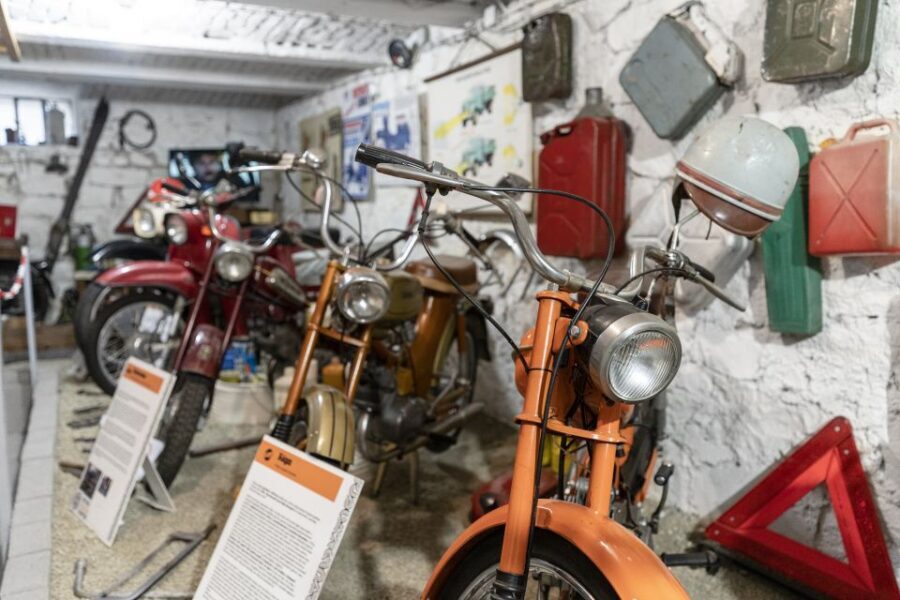
- Communist-era gadgets including retro toys, TV sets, radios, and household appliances
- A furnished 70s apartment setup plus an LP-wall vibe to set the mood fast
Entering the Szentendre Retro Design Center and the 70s welcome
The first thing you notice is the tone. This isn’t a highbrow museum where you whisper and shuffle. The entrance experience is playful, with a friendly 70s hippie girl welcoming you as you arrive. It’s a small moment, but it matters because it sets expectations: you’re here to experience a mood, not just collect facts.
Once inside, the museum spreads across almost 1,000 square meters of exhibits, so it feels like you’re moving through a packed set of rooms and displays rather than a couple of corners. The space is also built for wandering. You’ll get to choose your own pace, even though the ticket duration is listed as about 1 hour.
You’ll learn through text guidance while you move. The museum provides written information in English (and also German and Russian). That’s a big plus. You can pause where your interest pulls you—cars first, or rooms first—without needing to wait for audio or group narration.
You can also read our reviews of more tours and experiences in Szentendre.


A practical tip
If you’re the kind of person who likes to read captions, give yourself a little breathing room. One of the strengths here is that the objects connect to the written explanations, so you get more meaning than just “cool old stuff.”
Photo time with the Ikarus bus, Trabant, and pink Wartburg
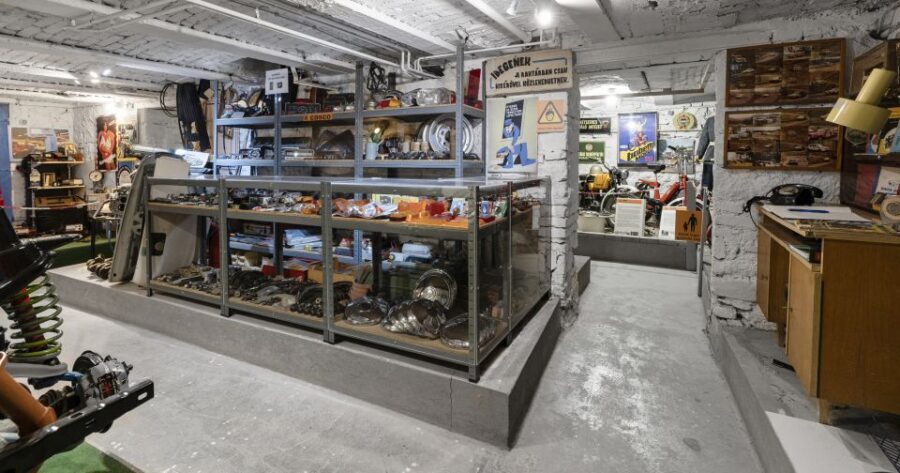
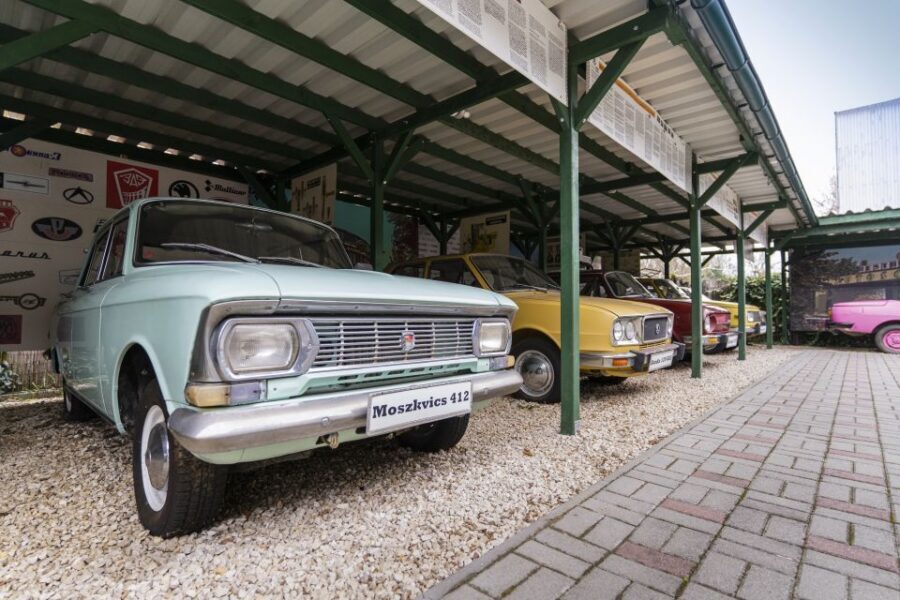
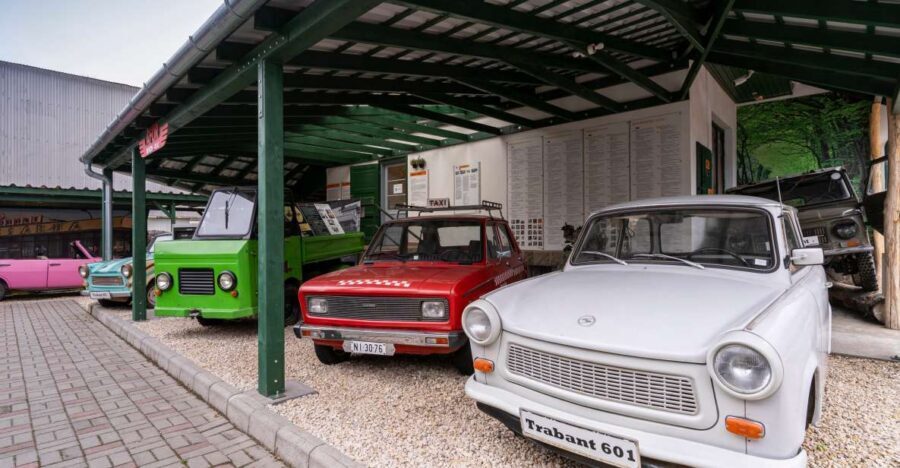
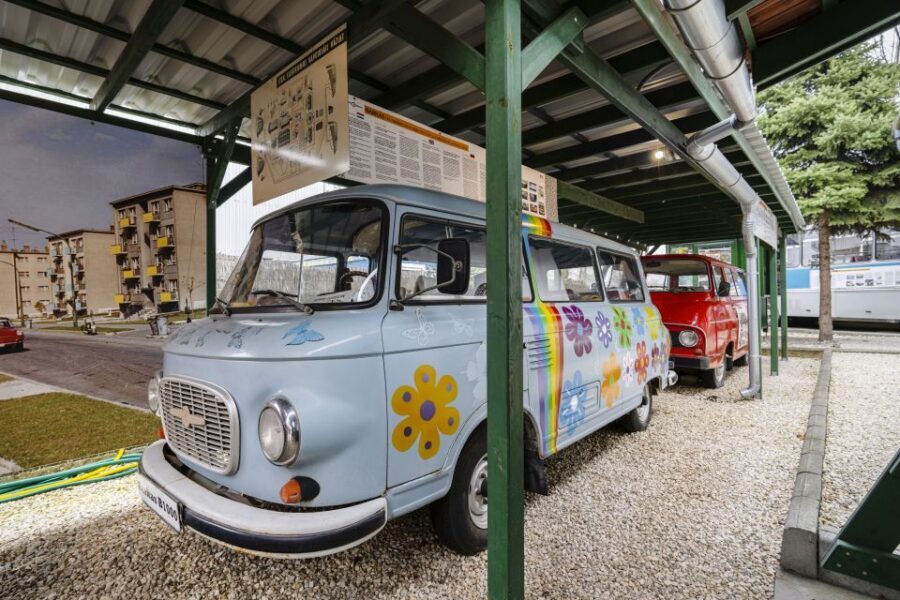
If cars are your thing, this is the main event. The collection includes around 30 vintage vehicles, and the display puts you close enough to feel the scale. You’ll see iconic East Bloc models such as Trabant and Moskvitch, plus others like Zhighuli and a Barkas furgon.
What makes it worth your time is the built-in photo opportunity. The experience encourages you to sit in vehicles for pictures, including the Ikarus bus, a Trabant, and a pink Cabriolet Wartburg. That changes the visit from passive viewing into something more memorable. You’re literally placing yourself inside a piece of design language from that era—colors, shapes, and everyday “practical style.”
What to focus on (so you don’t rush)
I’d treat the car area as two passes:
- First pass: stand back and take in the lineup (you’ll get your bearings fast).
- Second pass: pick the one or two vehicles you really want photos inside, and slow down there.
Cars and vehicles you’ll likely spot
You can expect to see or hear about several highlight names while you walk, including the Ikarus bus (the famous one), and multiple models such as Trabant, Moskvitch, and Zhighuli. The goal isn’t just recognition—it’s noticing the design choices that made these machines work for ordinary life.

Why this section is valuable
Vehicles are a shortcut to understanding a time period. A car or bus isn’t just transport; it’s materials, manufacturing decisions, and everyday culture. When you combine that with the museum’s 70s room setups (later), the vehicles stop being random nostalgia and start acting like evidence.
The Polish Market Diorama and other scene-setters
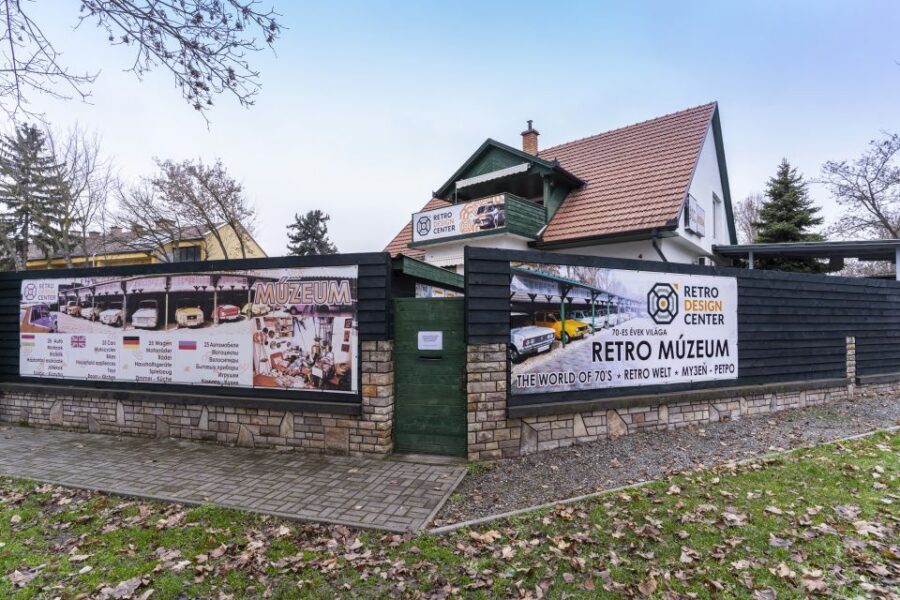
After the cars, look for the displays that “stage” life. One standout is the Polish Market diorama. It’s the kind of exhibit that works instantly, even if you only have an hour. Instead of explaining everything in long text, it shows you a slice of place and routine—market energy, everyday objects, and the visual shorthand people lived with.
You’ll also encounter other scene elements, including a camping setup. Those dioramas and small environments help the museum feel cohesive. The story you’re building becomes: here’s what people drove, here’s what they bought and used, and here’s what leisure or public life looked like.
How to get more out of the dioramas
Don’t just photograph them. Read the surrounding text after you look. This is where the museum’s written guidance earns its keep—because it ties the objects to how life functioned in Eastern Europe during the 70s.
Communist-era toys, TVs, radios, and household appliances
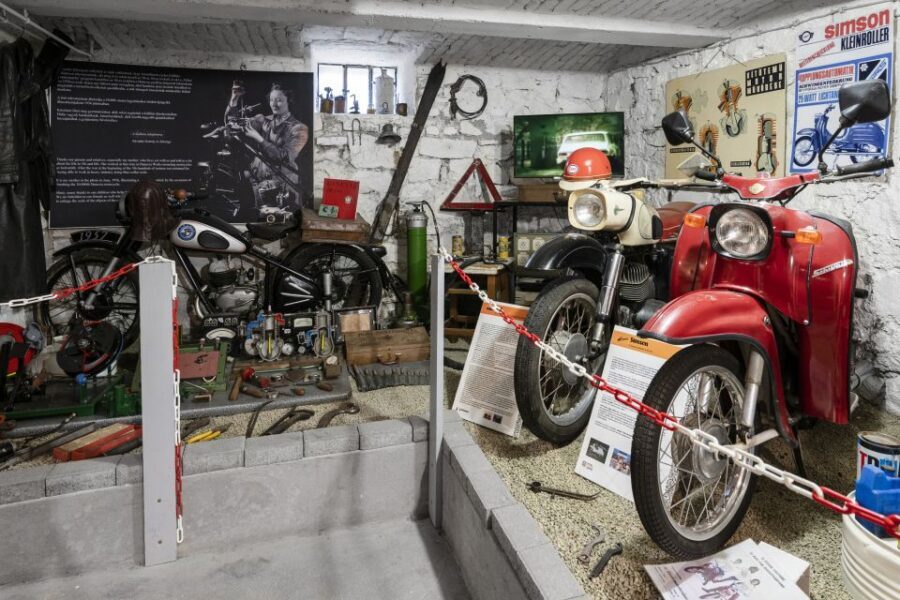
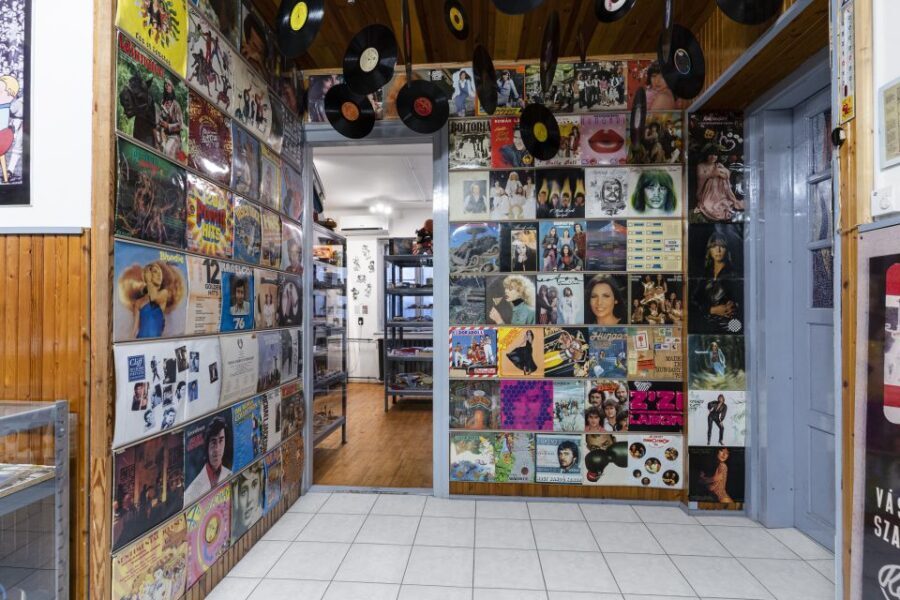
This is where the museum shifts from “cool objects” to “daily life.” You’ll find displays of communist-era toys and household appliances, plus older television sets and radios. There are also rooms and walls that use period design cues, including walls covered with 70s LPs.
It’s easy to think of these as just collectibles, but the value here is practical. Toys show childhood culture. Radios and TVs show how entertainment and information flowed. Appliances show what people kept on their countertops and in their homes.
A detail worth seeking
One review note points out that you might even spot period TV commercials playing as part of the display. That sort of time-stamped content adds a layer of reality, because it turns a static object (a TV) into something that behaves like it did back then.
What this section is good for
If you want a visit that feels like it connects technology and everyday life, this is your area. It also works well for mixed groups: one person can chase cars, another can focus on electronics and toys, and you’ll still all feel like you’re moving through the same story.
The furnished 70s apartment: living room, kitchen, and LP-wall mood
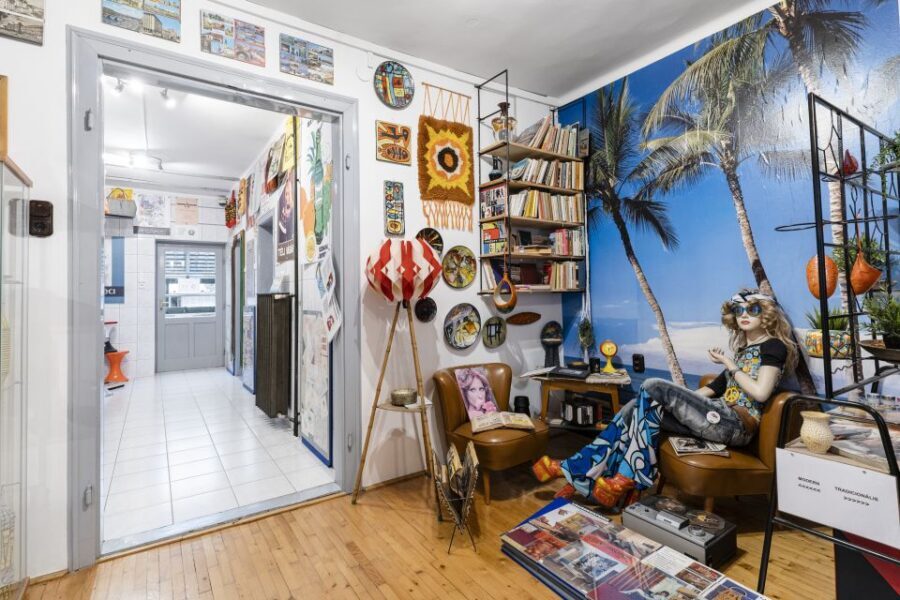
The museum doesn’t stop at individual objects. It also gives you whole-room context. You’ll see a furnished apartment decorated in a 70s style, with spaces such as a living room and a kitchen. This is one of those exhibits where you can almost “place yourself” inside the period.
What I like about these room setups is that they give you scale. A toy on a shelf is one thing. A toy in a childhood corner, placed inside a room arrangement that makes sense, is another. The apartment layout helps you interpret what you’re seeing elsewhere.
The LP wall also pulls its weight. Music formats are cultural markers, and having the wall covered with 70s records makes the apartment feel less like a generic exhibit room and more like a real home. Even if you don’t know every detail, the atmosphere is clear.
Why text guides work here
Because the rooms are staged, the written text helps you connect the design to the lived experience. You can read, look around, and then re-look with better understanding. That’s how you get meaning in an hour.
Timing, getting there from Budapest, and getting value from an $11 ticket
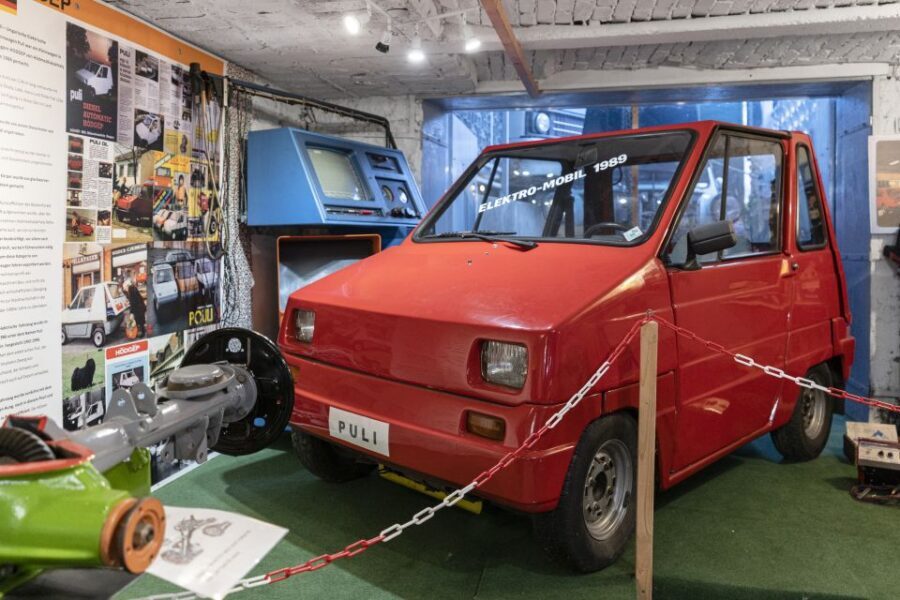
Let’s talk practicality. The ticket price is listed at about $11 per person, and the experience is designed for about 1 hour. For what you get—photo-friendly vehicles, dioramas, a furnished apartment, and lots of period tech—that pricing feels fair.
Here’s the way I’d judge value: you’re paying for access to a compact time capsule, not just a room of displays. When a museum is built around recognition (Ikarus bus, Trabant) and hands-on moments (sitting for photos), you tend to feel you got your money’s worth quickly.
Plan for a day trip
Location matters. Szentendre is outside Budapest, so build time for getting there and returning. One common experience note is that the museum is far enough from the capital that it’s best treated as a day trip, and the town itself can be part of the fun.
How long should you actually plan?
The listed duration is 1 hour, but a short visit often runs a bit longer if you like photos and reading. One note describes a visit between 1 hour and 1.5 hours. I’d aim for 75 minutes if you want comfortable browsing plus photos without rushing.
Parking
Parking isn’t included, so if you’re driving, plan that separately.
Guided timing detail
One thing to keep in your head: there’s a note that a guided tour component runs in the morning, even though the museum remains open later. If your schedule is tight, check the day’s timing in advance so you don’t show up hoping for a specific format that’s only available earlier.
Who this Szentendre retro ticket is best for
This works best if you:
- Like design and everyday objects from the 60s–80s period
- Want a short, focused museum that you can complete without a half-day commitment
- Enjoy hands-on photo stops and don’t mind staged nostalgia
It’s also a solid pick for groups with different interests. One person can spend extra time on vehicles; another can focus on the toy-and-appliance displays; the apartment rooms tie it together.
If you only want large-scale “world class” museum collections, you might find the format more themed and compact than that. But if you want a time machine vibe built around specific iconic things—this is the kind of place you’ll feel right away.
Should you book the Retro Design Center entry ticket?
Yes, if you’re going to be in Szentendre and you want an hour that feels different from the usual museum routine. For about $11, you get a lot of variety: vehicles you can sit in for photos, a Polish Market diorama, a 70s furnished apartment, and plenty of TV/radio/toy/appliance visuals that tell the story of how people lived.
Book if you can handle the logistics of a day trip from Budapest and you align your timing with the morning window if any guided element matters to you. If your schedule is flexible, this is exactly the kind of place where a short visit can turn into a memorable stop—even if the 70s aren’t your personal nostalgia.
FAQ
How long does the Szentendre Retro Design Center entry ticket take?
The experience is listed at 1 hour, though you may take longer if you stop for more photos and reading.
What does the ticket include?
Your ticket includes admission to the Retro Design Center.
Are there guided tours, or is it mostly self-paced?
The museum offers written text guidance in multiple languages, and there is an English host or greeter on arrival. There is also mention of a guided component running in the morning.
What languages are available for the written text guide?
The written text guide is available in English, German, and Russian.
Is a host/greeter included, and what language do they speak?
Yes. There is a host or greeter included, and they speak English.
Can you park at the museum?
Parking is not included.
Where is this museum located?
It’s in Szentendre, in central Hungary, outside Budapest.
Is cancellation possible after booking?
Free cancellation is available up to 24 hours in advance for a full refund.