REVIEW · HUNGARY
6-Tier Hungarian Wine Tasting at a Cozy Community Table
Book on GetYourGuide →Operated by BORTODOOR Kft · Bookable on GetYourGuide
Six wines, one cozy table, real stories. This 1.5-hour Hungarian tasting at Bortodoor is built for relaxed pre-dinner fun, with six local pours and a community-style table that makes it easy to talk. I especially like how the hosts keep the night moving while still giving you enough context to understand what you’re tasting. One possible drawback: if you want a deep technical class focused only on viticulture and lab-level details, this is more of a warm, social tasting than a hard-syllabus seminar.
You can expect a 90-minute guided flight of six Hungarian wines, typically drawn from a handpicked Bestsellers-style selection, plus an artisanal snack board meant to pair along the way. The setup is casual and social on purpose, and that’s where the experience earns its value: you’re not just buying a tasting, you’re getting a host-led evening with conversation baked in.
In This Review
- Key Things to Know Before You Go
- Bortodoor’s Cozy Community-Table Setup
- The 6-Tier Wine Flight: What Six Tastings Really Gives You
- Suze and Sally at the Table: Host Energy That Keeps It Fun
- Hungarian Wine Regions, Without the Confusion
- Charcuterie Board Pairings: The Food Matters Here
- Duration and Timing: A Perfect Pre-Dinner Plan
- Price and Value: Is $46 Worth It?
- Who This Tasting Is Best For
- Practical Tips to Get More From Your Table
- Should You Book 6-Tier Hungarian Wine Tasting at Bortodoor?
- FAQ
- How long is the Hungarian wine tasting?
- How many wines will I taste?
- Is the tasting hosted in English?
- Where is the meeting point?
- Is this experience suitable for children?
- Is it wheelchair accessible?
- Can I get a refund if my plans change?
- Do I need to pay right away?
Key Things to Know Before You Go
- Six wines in one guided sequence so you can compare styles without feeling lost
- Community-table seating that makes it easier to meet people without awkward icebreakers
- Hosts named Suze or Sally (English) who guide the stories and pairings with real energy
- Artisanal local snack board designed to work with the wines, not just sit there
- Hungary wine-region overview that helps you place each bottle in the bigger picture
Bortodoor’s Cozy Community-Table Setup
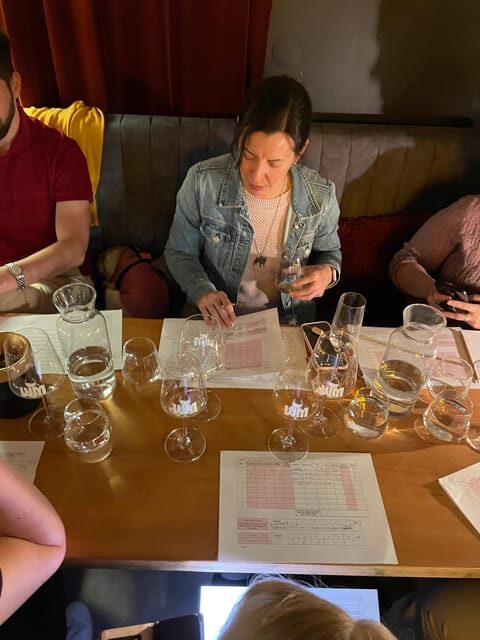
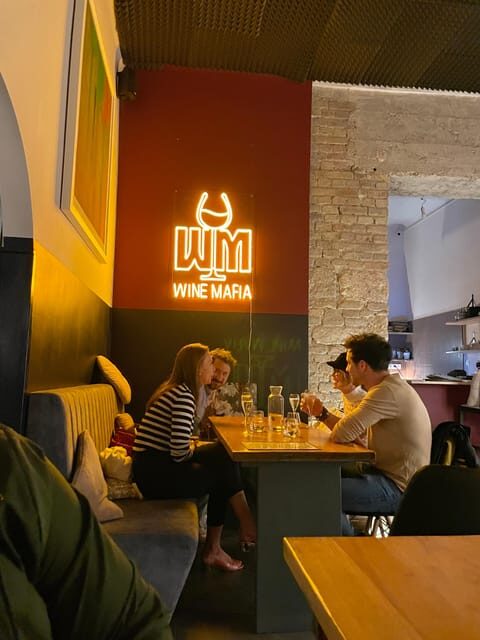
Bortodoor is the kind of place where a wine night doesn’t feel like a formal lecture. The tasting is presented at a community table, which is a big deal for how the evening feels. Instead of you staring at a menu while your glass empties, you get to watch other people react, ask questions, and learn in a more natural way.
Because it’s social, it also tends to lower the intimidation factor. You’ll hear people with different levels of wine experience in the room, and that’s useful. The tasting isn’t trying to prove anything; it’s aiming to give you a clear, friendly path through six wines, with staff walking you through what you’re tasting and why it matters.
From the review highlights, the hosts seem to handle all group sizes well. One booking even ran when the participant count was just one, and the session still came with a strong amount of information. That tells me the format is designed to work even if your group ends up small.
Tip I’d follow: plan to arrive with a curious mindset. Even if you’re not a wine person, you’ll get more out of this when you let the host do the storytelling and you ask one or two questions as the flight moves.
You can also read our reviews of more tours and experiences in Hungary.



The 6-Tier Wine Flight: What Six Tastings Really Gives You
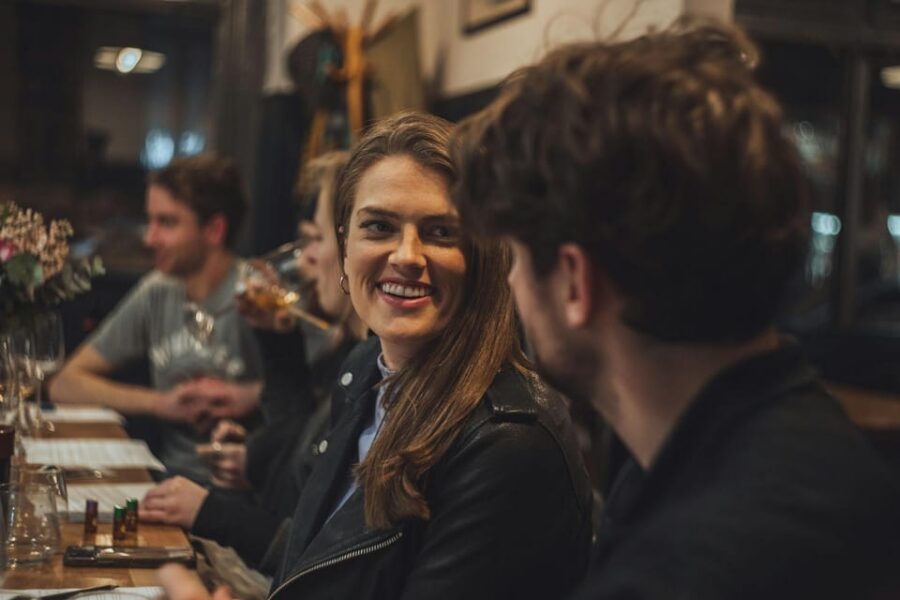
This is a six-tier wine tasting, built around sampling six Hungarian wines. The structure matters: you’re tasting a range of styles rather than one “hero” bottle. That’s the fastest way to start building your own preferences. After the final pour, you’re not left wondering which kind of Hungarian wine you liked—you’ve tasted the spectrum.
The selection is described as handpicked from Bestsellers, which usually means the bottles are chosen for approachability. That doesn’t mean they’re boring. It means you’re more likely to enjoy the experience even if you don’t know the difference between grape varieties or traditional regions on sight.
Across the night, the staff pairs each part of the tasting with local snacks. That pairing is what turns the tasting from “tasting” into “learning.” When a bite changes how a wine tastes, you start noticing patterns: acidity feels sharper with one bite and calmer with another, tannins feel louder or softer depending on the food, and aromas pop differently after salt or fat.
A practical note: because this is a pre-dinner activity, the pacing is friendly. You’ll sample, listen, compare, and chat. If your goal is to write down every chemical note you smell, you might want a different kind of tour later. For most people, though, the flow is exactly right.
Suze and Sally at the Table: Host Energy That Keeps It Fun
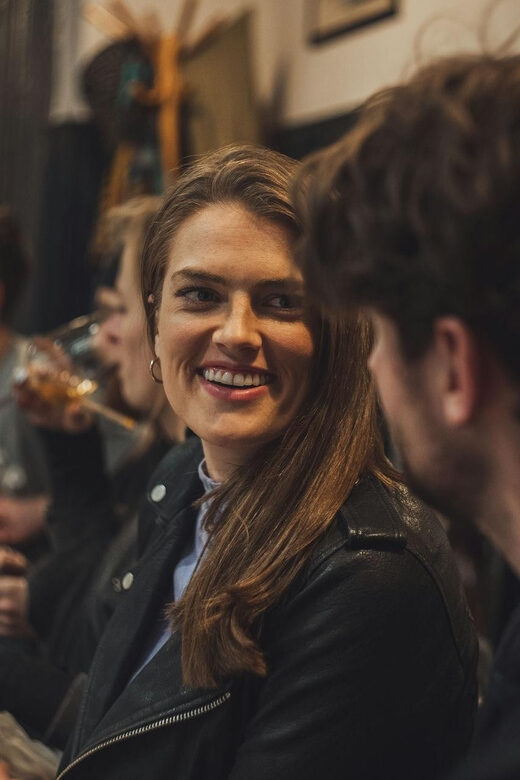
The biggest repeated praise is about the host experience. Names that come up in the feedback include Suze and Sally, both described as energetic and engaging, with explanations that land well even if you’re new to Hungarian wines.
What I like about this kind of host-led tasting is that it helps you avoid the common problem of wine nights that turn into vague description. Instead, you get a sense of what to look for. You’re guided through a thorough overview of Hungarian wines and the regions they come from, so the tasting feels connected to something real rather than random sips.
The reviews also mention an attentive vibe and a fun host presence. That usually means two things:
- the staff checks in and keeps the room comfortable
- the explanations are delivered in an easy, conversational way rather than rushed
Also, there’s mention of a good mix of people and an enjoyable crowd. That matters because this tasting is short. When the group chemistry is good, the 90 minutes feel like time flew by, not like a scheduled stop you need to “get through.”
If you’re traveling solo: this format is one of the easier ways to meet people without forcing conversation. You’ll have built-in prompts—ask what bottle someone liked best, or which snack pairing surprised them—and it’s naturally less awkward.
Hungarian Wine Regions, Without the Confusion
One of the most useful parts of this experience is that you’re not just tasting bottles—you’re getting an overview that connects them to Hungary’s wine regions. The tasting highlights what matters across the country’s top wine areas, explained in a way that you can actually hold onto.
This helps you for two reasons. First, it turns the experience into practical knowledge. After one tasting, you can walk into a wine shop later and have a starter mental map. Second, it helps you understand why Hungarian wines can taste different even when they’re all “local.”
Even if you don’t remember every region name, you’ll likely remember the feeling: how one style tends to feel lighter and brighter, another richer or more structured, and how food pairings shift what stands out. That’s the kind of takeaway that makes wine tasting worth doing, even when you’re not a hardcore collector.
The host guidance also typically includes tips—small, usable advice that makes your next glass easier to interpret. That’s a quiet win. A tasting that teaches you how to taste is more valuable than one that just hands you a list of facts.
Best use case: go into this with the intention to learn one or two things you can apply right away. You’ll leave with better instincts, not just an evening memory.
Charcuterie Board Pairings: The Food Matters Here
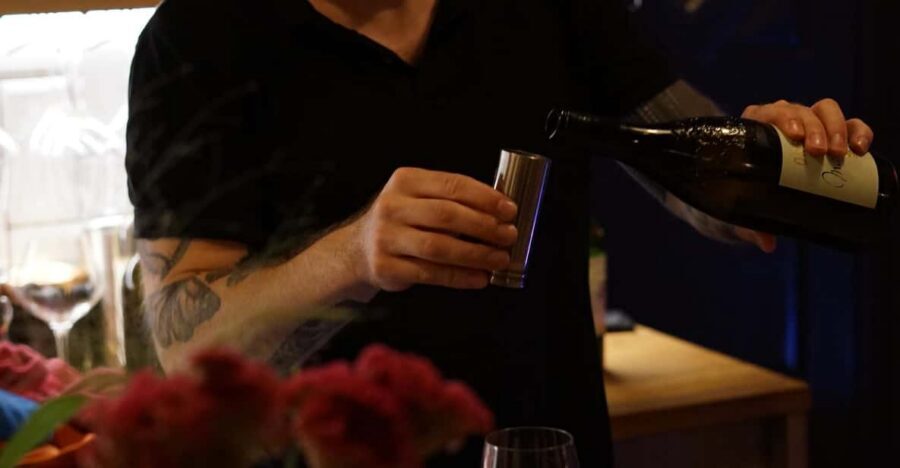
A strong wine tasting isn’t just about what’s in your glass. It’s about what’s on your plate. Here, you get an artisanal charcuterie board featuring local Hungarian delicacies, with snacks paired to complement the wines.
This is important because snacks change your perception. Salt and fat can soften tannins. Certain flavors can lift fruit notes or make acidity feel more crisp. In other words, the food helps you taste more clearly.
From the feedback, people consistently highlight the food alongside the wine. Phrases like lovely little snack board, and food and wine were excellent, point to the pairing not feeling like an afterthought. In a 90-minute window, that’s crucial. You don’t have much time to adjust your experience—if the snacks work, the entire tasting feels smoother.
What I’d do: pace your bites. Take a small snack between pours and pay attention to how the next wine tastes. If you eat too fast, you’ll miss the changes that the pairing is designed to show.
Duration and Timing: A Perfect Pre-Dinner Plan
This experience lasts about 1.5 hours, with a 90-minute tasting at the center of it. That length is a sweet spot. It’s long enough to get real learning and a full flight of six wines, but short enough that you still have room to continue your evening afterward.
Because it’s positioned as pre-dinner fun, it fits well with a travel rhythm. You can do this early, enjoy the warm social atmosphere, and then head out for a meal with your palate already “switched on.”
If you’re trying to decide when to schedule it, aim for a time that doesn’t force you to rush food afterward. A relaxed pace makes a pairing experience work. Also, consider that you’ll be tasting multiple wines, so you want a night plan that doesn’t require intense focus immediately after.
Price and Value: Is $46 Worth It?
At $46 per person, this is not a budget “sip and go” deal. But it also doesn’t feel like you’re overpaying for the sake of a label. The price is easier to justify when you factor what you get for the money:
- six wines in a guided tasting
- a thorough overview of Hungarian wines and wine regions
- local snack pairings with an artisanal charcuterie board
- an English live host guiding the whole experience
For many wine tastings, you pay for pouring and maybe a short explanation. Here, the repeated praise points to strong hosting and lots of useful information. That’s where value comes from. If the staff is good at translating region context into what you actually taste, the $46 becomes a learning investment, not just entertainment.
It’s also a strong deal for groups of mixed interests. If one person wants wine and another wants a social evening, the community-table setup helps both sides feel included.
One caution: if your main goal is to stock up on bottles or spend most of your time focused on technical tasting notes, you might find other wine tours better aligned. But if your goal is an evening that teaches you something while staying fun and friendly, this price makes sense.
Who This Tasting Is Best For
This is a great fit if:
- you want a short, guided introduction to Hungarian wine
- you’re comfortable trying new things and learning as you go
- you like social travel and meeting people without awkward formalities
- you want food and wine pairing included, not tacked on at the end
It’s less ideal if:
- you’re looking for a long, museum-style wine tour with extensive logistics
- you want deep technical specifics about production methods and detailed cellar techniques (this leans more social and educational than academic)
Also, note the age limit: it’s not suitable for children under 18. So plan for it as an adult evening activity.
Practical Tips to Get More From Your Table
To make this feel like a win, show up ready to participate a little. Here are a few simple moves that tend to pay off in a guided tasting:
- Ask about the bottle you’re tasting right then. One question beats ten silent notes.
- Try the pairing bite while the wine is fresh. If you wait too long, you’ll lose the cause-and-effect.
- Notice what you like, then explain why. You don’t need fancy vocabulary. Just describe the effect: sharper, softer, fruit-forward, more structured.
- Plan a food stop afterward. This is a pre-dinner experience, and it’s nicer when your next meal isn’t a rushed decision.
And if you care about language: the session is led in English, so you won’t need to translate your way through the wine stories.
Should You Book 6-Tier Hungarian Wine Tasting at Bortodoor?
If you want a friendly start to your evening, this is an easy yes. The combination of six guided pours, local snack pairings, and hosts like Suze or Sally delivering energetic explanations is exactly what makes the night feel worth your time. It’s also one of those rare experiences where the structure works for both first-timers and people who already know a bit about wine.
I’d book it if you’re the type who likes learning through doing. You’ll leave with a better sense of Hungarian wine styles and a few new favorites, plus a relaxing social vibe that doesn’t require you to already know anyone.
Skip it only if you’re chasing a highly technical, fully academic wine deep dive. This is more about real stories, good pairing, and a cozy community table than about lectures.
FAQ
How long is the Hungarian wine tasting?
The experience runs for about 1.5 hours, with a 90-minute tasting at the center.
How many wines will I taste?
You’ll sample 6 Hungarian wines.
Is the tasting hosted in English?
Yes. The live tour guide speaks English.
Where is the meeting point?
You meet at Bortodoor Wine Bar.
Is this experience suitable for children?
No. It is not suitable for children under 18.
Is it wheelchair accessible?
Yes, the experience is wheelchair accessible.
Can I get a refund if my plans change?
Yes. You can cancel up to 24 hours in advance for a full refund.
Do I need to pay right away?
No. You can reserve now and pay later, keeping your plans flexible.